印度穗唇魮
概要
| 字段 | 值 |
|---|---|
| 类别 | 鱼 |
| 学名 | Crossocheilus latius |
| 别名 | Cyprinus latius、Cyprinus sada、Cyprinus gohama、Gonorhynchus brevis、Gonorhynchus fimbriatus、Gonorhynchus macrosomus、Chondrostoma wattanah、Discognathus adiscus、Crossochilus latius punjabensis |
| 分类 | 鲤形目 Cypriniformes › 鲤科 Cyprinidae › Crossocheilus |
| 水体 | 淡水 |
| 原产地 | 孟加拉国、印度、缅甸 |
| 成体体长 | 15 cm |
| 饲养难度 | 中等 |
| 最小水体 | 304 L |
| 最小缸长 | 150 cm |
| 群居方式 | 群游 |
| 性情 | 温和 |
| 水流偏好 | 高 |
| 外部数据 | seriouslyfish crossocheilus-latius;fishbase 24464 |
| 食性 | 草食 |
水质参数
| 参数 | 耐受范围 | 最适范围 | 单位 |
|---|---|---|---|
| 水温 | 18–24 | — | °C |
| pH | 6–7.5 | — | — |
| 总硬度 | 2–15 | — | dGH |
概述
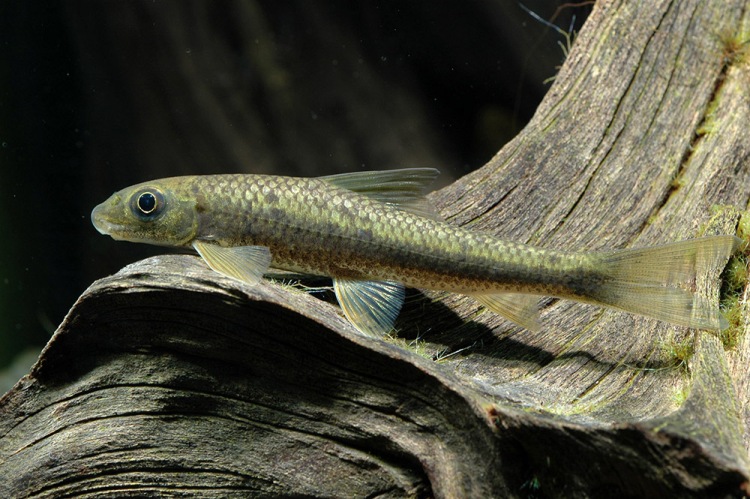
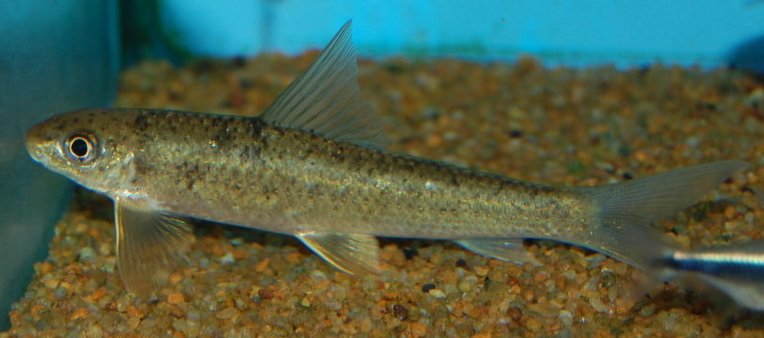
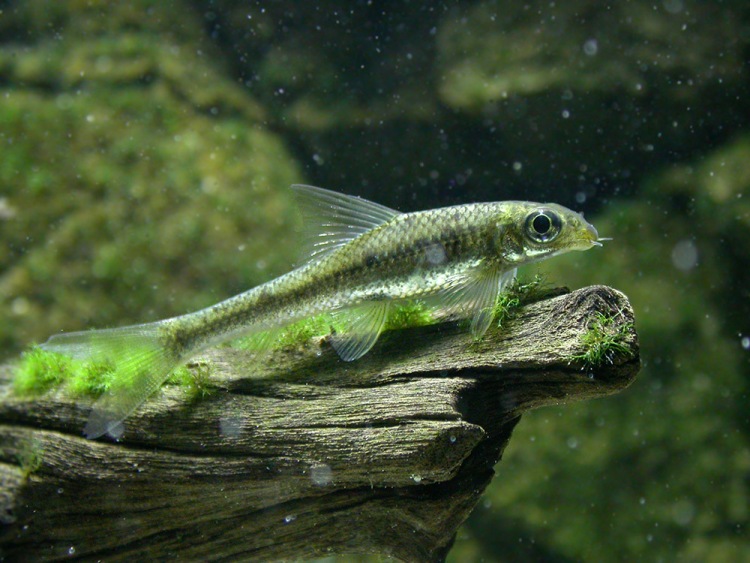
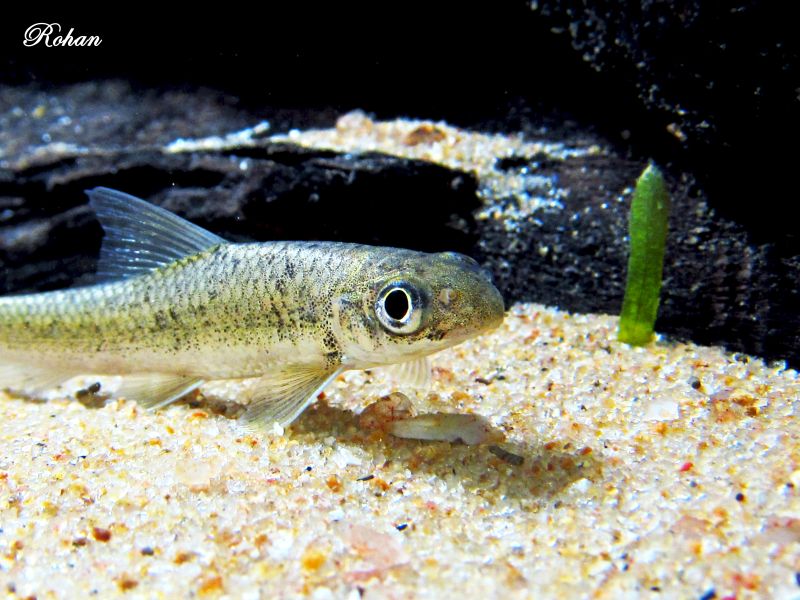
印度穗唇魮(Crossocheilus latius)体色朴素,偶尔混在印度其他相似鱼的进口批次中。幼鱼活跃、合群,成年后据饲养观察往往更少活动、偏独处,这一点应纳入长期布局。
分布与栖息地
模式产地为印度与孟加拉国边境附近的提斯塔河,在印度分布较广。更广泛的旧分布记录部分可能属于后来分出的其他种,应谨慎理解。栖地跨度较大,从喜马拉雅山麓多石溪流,到缓流、含泥沙的支流与泥底水潭,也可见于筑坝形成的永久水体。
饲养环境
可采用溪流式布局,以石砾、大圆石和沉木提供啃食面与阴影退避处。光照可促进附着藻生长,耐受的附生水草绑在硬景上。水质要清洁稳定,配合充分供氧及适度水流,避免污物累积;日常水温以已有长期饲养范围为准,不把短期耐受极端当目标。
食性与喂食
主要刮食藻类、硅藻和其他植物性附着物。宜投喂含螺旋藻的干粮与新鲜蔬菜,如去壳豌豆、烫软西葫芦和菠菜,避免长期高蛋白食谱。据报告也会啃食黑毛藻,但不能据此保证具体缸内的清除效果。
习性与混养
通常温和,适合与环境要求相近的鱼同养。幼鱼较活跃合群,成年后可能偏向独自停留,不过彼此仍可保持温和;不要把幼鱼期群游表现当作成鱼恒常状态。
雌雄区分
成年雌鱼一般更厚实,幼鱼外观不能可靠区分雌雄。
繁殖
尚没有明确的爱好者繁殖成功情况。该属在自然界会进行季节性繁殖迁移,不应因此推定本种已有可复制的缸内催产程序。
补充说明
过去涵盖在本名下的一些地域类型后来被分开,广泛旧记录和相似进口鱼都应谨慎辨识。
图片
图片来自 SeriouslyFish,版权归各摄影者所有。
English
Overview
Plain coloration distinguishes Crossocheilus latius from the familiar striped algae eaters. Occasional specimens arrive in mixed Indian exports. Juveniles are sociable and active, whereas aquarium observations describe adults becoming quieter and more solitary without necessarily becoming hostile.
Distribution & habitat
The species was described from the Teesta near the India–Bangladesh border and is widespread in India. Some older records from a much wider region probably involve taxa since separated from it. Habitats range from stony hill streams to slower silty channels, muddy pools and impounded waters.
Aquarium setup
Use rocks and branches to provide grazing surfaces together with shaded recesses. Hardy attached plants are suitable, and brighter lighting can encourage algal growth. Established filtration, oxygenation and circulation are more important than elaborate planting. The listed long-term temperature range is preferable to testing brief natural extremes.
Diet & feeding
Its natural grazing targets algae, diatoms and other microscopic plant material. Combine an algae-rich staple with vegetables rather than feeding protein-heavy foods routinely. Reports include consumption of black-brush algae, but the response should not be treated as a guaranteed aquarium result.
Behaviour & compatibility
Compatible river fishes can share the aquarium. The reported shift from active juveniles to more sedentary adults is relevant when interpreting social behavior: reduced grouping in an adult does not automatically imply aggression.
Sexual dimorphism
Mature females usually appear fuller, but juveniles lack reliable visible sex differences.
Breeding
Aquarium reproduction has not been established. Seasonal reproductive movements are known within the genus, but a proven captive procedure for this species is not available.
Notes
Historical use of this name covered forms that were later separated. That history complicates both old distribution lists and the identity of similar imported fishes.
来源
- https://www.seriouslyfish.com/species/crossocheilus-latius(抓取于 2026-10-10)
crossocheilus-latius · 文件: data/species/crossocheilus-latius.md · 状态: 草稿