Crossocheilus atrilimes · Siamese Algae Eater
概要
| 字段 | 值 |
|---|---|
| 类别 | 鱼 |
| 学名 | Crossocheilus atrilimes |
| 分类 | 鲤形目 Cypriniformes › 鲤科 Cyprinidae › Crossocheilus |
| 水体 | 淡水 |
| 原产地 | 柬埔寨、老挝、泰国、越南 |
| 成体体长 | 7.5 cm |
| 饲养难度 | 中等 |
| 最小水体 | 108 L |
| 最小缸长 | 120 cm |
| 群居方式 | 群游 |
| 性情 | 温和 |
| 水流偏好 | 高 |
| 外部数据 | seriouslyfish crossocheilus-atrilimes;fishbase 57689 |
| 特征 | 啃水草: 是 |
水质参数
| 参数 | 耐受范围 | 最适范围 | 单位 |
|---|---|---|---|
| 水温 | 20–26 | — | °C |
| pH | 6–7.5 | — | — |
| 总硬度 | 1–15 | — | dGH |
概述
Crossocheilus atrilimes 属于常被以“暹罗食藻鱼”相关名称销售的一组相似鱼。它会吃藻,也偏爱细叶水草,不能因为商品名相同就认为各类鱼的除藻能力和成体需求一致。
分布与栖息地
模式产地位于老挝南芒河,分布被认为覆盖湄公河及湄南河水系,涉及泰国、柬埔寨。带侧纹的同属鱼在一些地区仍有鉴定不清的问题。
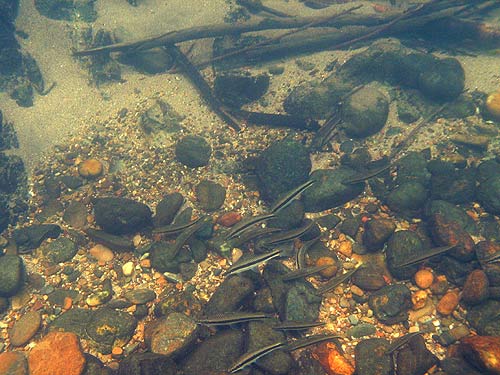
栖息于流水溪流和支流,底部有石块、砂砾、沉木或树根。浅而清澈的水让光线照到浸水表面,形成可供啃食的生物膜;季节迁移到较深浑水的说法仍属推测。
饲养环境
小群至少需要 120 × 30 cm 的底面积,购买前应确认物种,因为相似鱼可能长得更大。以砂砾、水磨石和根枝形成缝隙与阴影,同时保留活动空间。适当明亮照明有助于藻类及生物膜生长。
水质应清洁、高溶氧并有良好水流,避免有机废物积累。水草可选能固定在石木上的耐受种类,但细叶植物可能被啃食。
食性与喂食
本种会吃多种藻类,却偏爱莫丝等细叶高等植物,对黑毛藻的取食不能作保证。可提供含螺旋藻等植物成分的干粮,以及去壳豌豆、烫软西葫芦、菠菜等蔬菜。
同属鱼自然会刮食藻类及附着微生物,因此不宜长期大量投喂高蛋白食物。稳定后有时会上到水体中部接食,平时也会在石块上啃食生物膜。
习性与混养
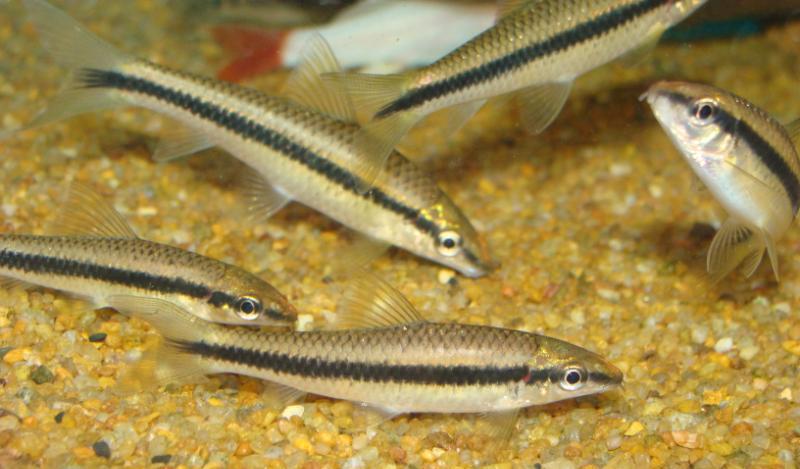
总体温和,可搭配适应相同流水环境的鱼。至少 6 尾较合适,群居中会有等级互动;单养或数量太少可能紧张,弱势鱼也容易被持续追逐。
雌雄区分
成熟雌鱼通常更厚实,幼鱼很难仅从外观准确区分性别。
补充说明
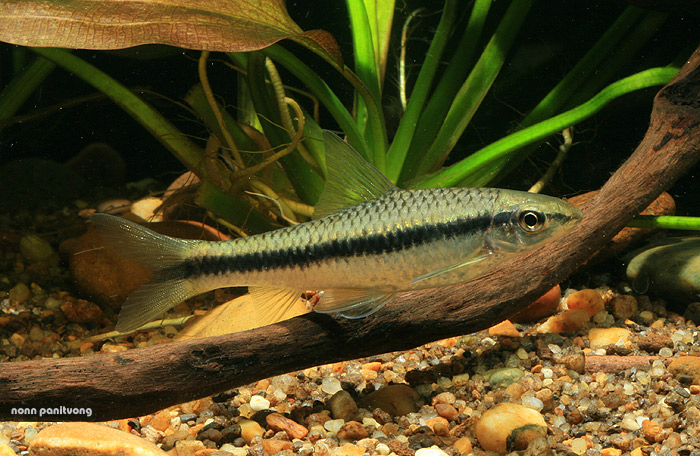
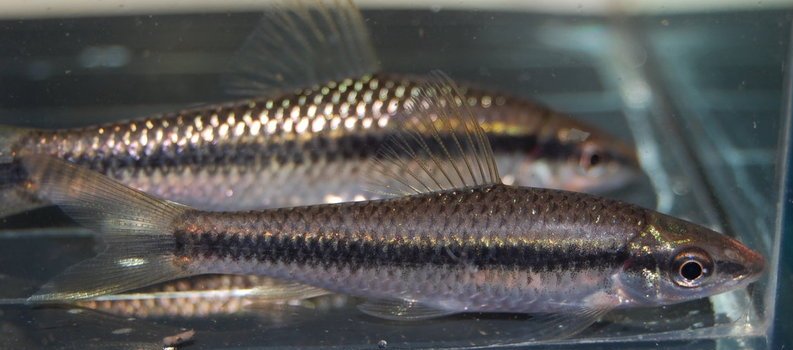
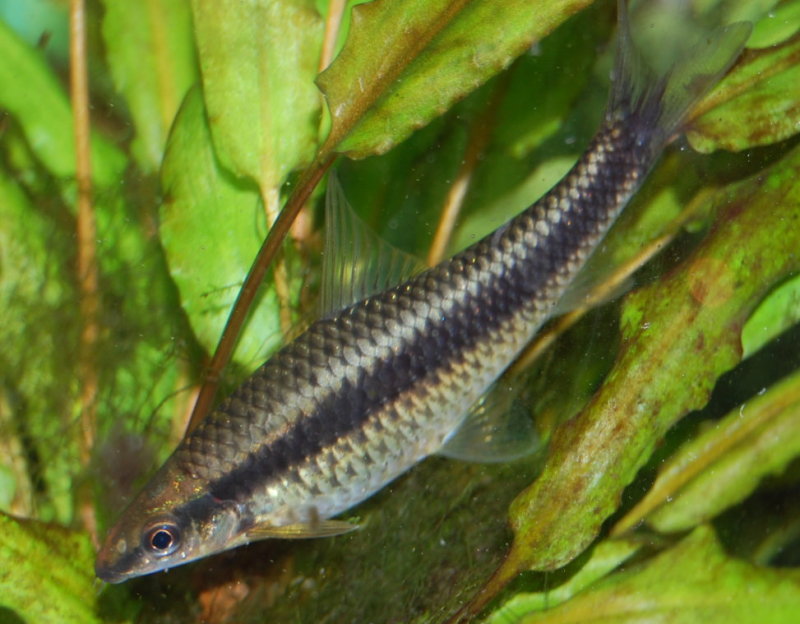
本种黑色侧带延伸至尾鳍末端,争斗展示时会变宽、变淡;侧线弯曲,鱼鳍呈淡暗黄色。需要综合侧纹、须、鳍色等特征辨认,单看一条黑线不足以认定。
自然繁殖迁移的描述主要针对整个属,人工催产养殖也只是推测,尚不足以整理成本种家庭繁殖方法。
图片
图片来自 SeriouslyFish,版权归各摄影者所有。
English
Overview
Crossocheilus atrilimes is one of several similar fishes sold under Siamese algae-eater labels. It consumes algae but also favors fine-leaved plants. A shared trade name does not imply identical algae control, adult size, or care requirements.
Distribution & habitat
The type locality is in Laos's Nam Mang River. The species is thought to occupy the Mekong and Chao Phraya drainages, including Thailand and Cambodia, although identification of striped congeners remains unresolved in some areas.
Flowing streams and tributaries contain stones, gravel, sand, roots, and submerged wood. Sunlight penetrating clear shallows encourages the biofilm on which fish browse. Seasonal movement into deeper, cloudier water is considered possible.
Aquarium setup
A small group requires at least a 120 by 30 cm footprint. Confirm identity because similar fish can become larger. Mixed gravel, rounded rocks, roots, and branches provide crevices and shade without eliminating movement space. Fairly bright light encourages algae and other surface growth.
Keep water clean, oxygen-rich, and well circulated. Organic waste must not accumulate. Tough attached plants can be used, but fine foliage may be eaten.
Diet & feeding
This species takes several algae types while showing a preference for fine-leaved higher plants such as mosses. Its performance against black brush algae should not be assumed. Offer vegetable-rich dry foods together with shelled peas, softened zucchini, spinach, and other suitable plant foods.
Algae and associated microorganisms form the grazing diet described for the genus, so prolonged heavy feeding of high-protein foods is unsuitable. Settled fish may rise into midwater for food and also browse biofilm from rock surfaces.
Behaviour & compatibility
Generally peaceful, it can share with fish that appreciate similar running-water conditions. Keep at least six. A social hierarchy develops, and inadequate numbers can produce nervousness or persistent pressure on weaker individuals.
Sexual dimorphism
Mature females usually look fuller-bodied. Juveniles cannot be sexed reliably from external appearance alone.
Notes
The dark flank stripe reaches the end of the tail and becomes broader and paler during sparring. A curved lateral line and pale dusky-yellow fins provide additional clues. Identification needs a combination of markings, barbels, and fin color rather than a black stripe alone.
Seasonal reproductive migrations are described at genus level, and hormone-assisted farming is presumed rather than established here. Neither provides a confirmed home-breeding method for this species.
来源
- https://www.seriouslyfish.com/species/crossocheilus-atrilimes(抓取于 2026-10-10)
crossocheilus-atrilimes · 文件: data/species/crossocheilus-atrilimes.md · 状态: 草稿