Brevibora cheeya
概要
| 字段 | 值 |
|---|---|
| 类别 | 鱼 |
| 学名 | Brevibora cheeya |
| 分类 | 鲤形目 Cypriniformes › 鲤科 Cyprinidae › Brevibora |
| 水体 | 淡水 |
| 原产地 | 印度尼西亚、马来西亚 |
| 成体体长 | 5.5 cm |
| 饲养难度 | 入门 |
| 最小水体 | 72 L |
| 最小缸长 | 80 cm |
| 群居方式 | 群游 |
| 外部数据 | seriouslyfish brevibora-cheeya;fishbase 65950 |
水质参数
| 参数 | 耐受范围 | 最适范围 | 单位 |
|---|---|---|---|
| 水温 | 20–25 | — | °C |
| pH | 4–7 | — | — |
| 总硬度 | 1–8 | — | dGH |
概述
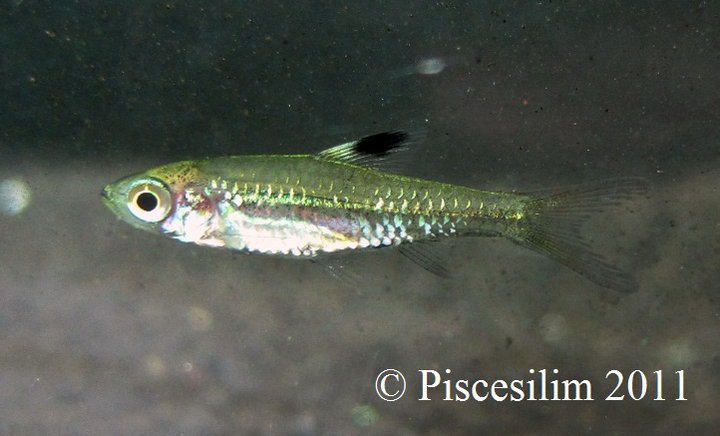
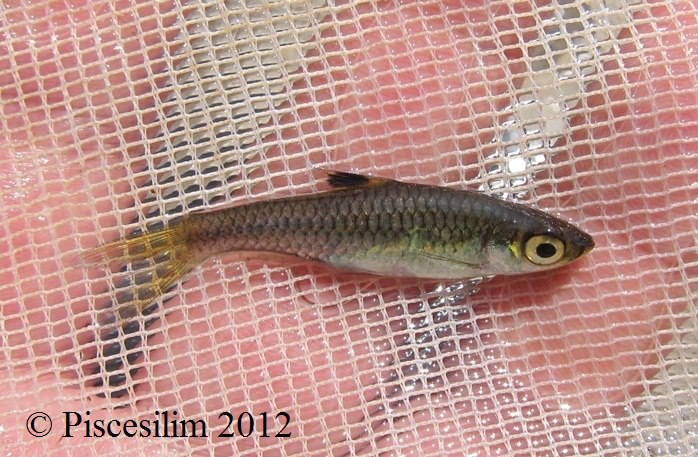
Brevibora cheeya 是马来半岛及邻近岛屿的小型群居鱼,在有阴影、深色底床的草缸中较显眼。它适合温和伙伴,但对某些近缘鱼曾有攻击观察,混养不能只看体型相似。
分布与栖息地
记录涉及马来西亚半岛的雪兰莪、登嘉楼、彭亨、柔佛,以及印度尼西亚苏门答腊的占碑、廖内和邦加岛。
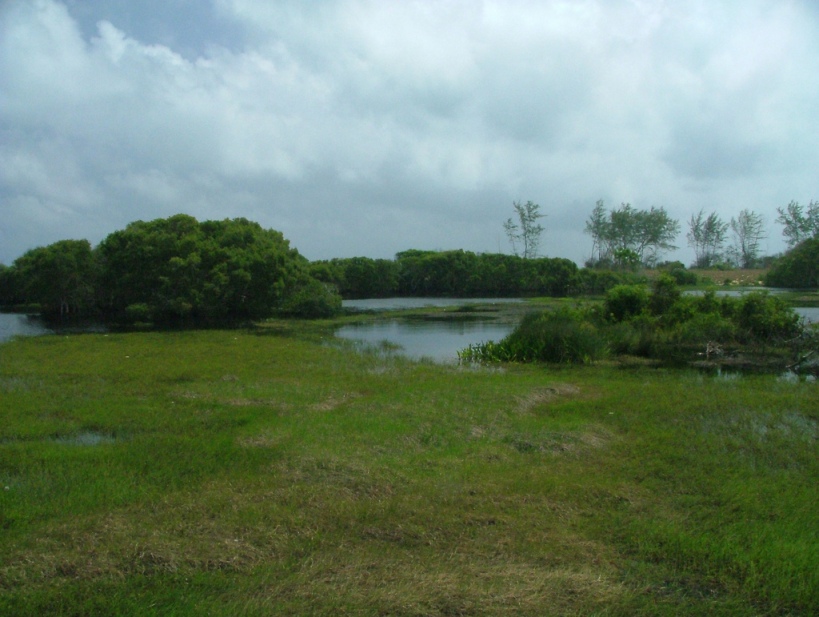
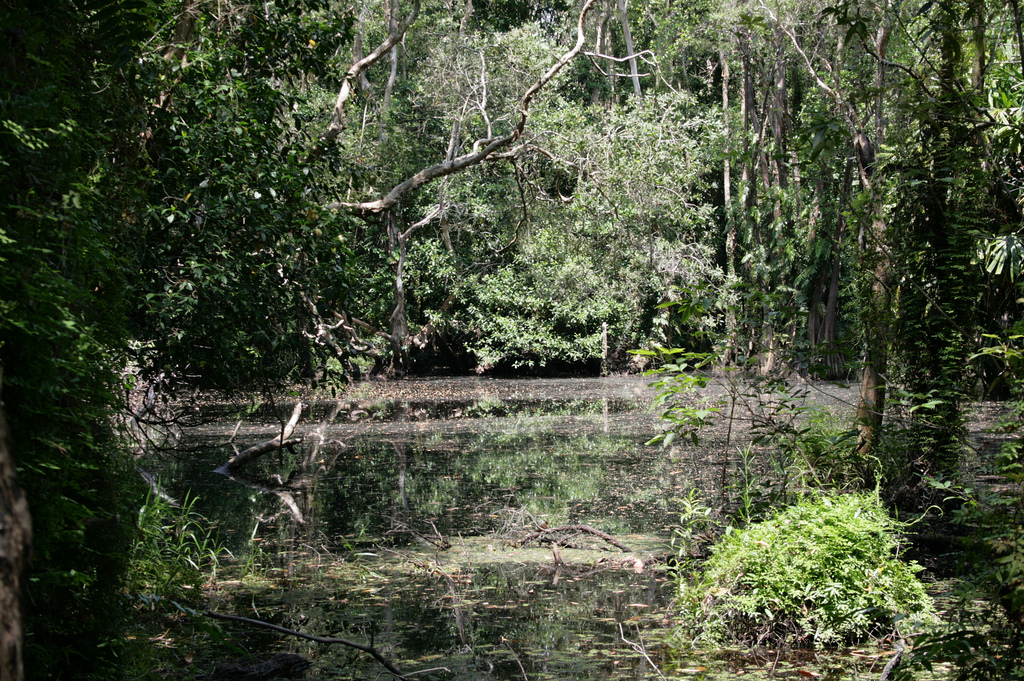
模式产地为流经沿海荒原林的缓流溪水,底部由砂和泥炭混合组成,水偏酸,周围有白千层类树木。
饲养环境
缸底建议至少 80 × 30 cm,水质比具体布景形式更重要。细砂、沉木根枝和落叶可形成遮阴环境,落叶分解形成的微生物能给鱼苗提供补充食物。也可采用密植、深色底床的草缸,选择适应弱光的植物。
食性与喂食
自然食谱可能包括微小昆虫、蠕虫、甲壳动物及其他浮游动物。人工饲养接受适口干粮,但宜每天搭配水蚤、丰年虾等小型活饵或冷冻饵。
习性与混养
至少 8–10 尾能减轻紧张,使群体展示更自然,雄鱼也会在互动中显色。伙伴宜体型相近、性情温和,避免明显更大或特别活跃的鱼抢占食物。
曾观察到它只追逐某种同属鱼,而不打扰其他伙伴;如有近缘鱼同养,应留意具体个体间的关系。
雌雄区分
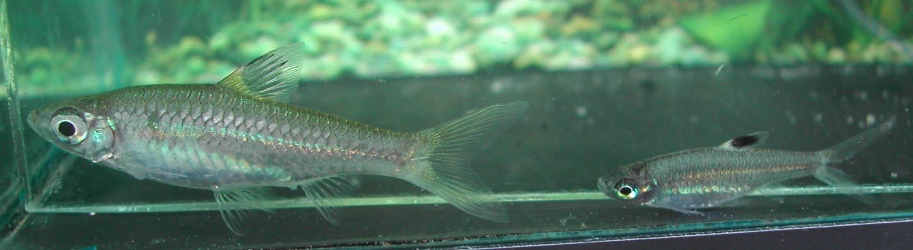
成熟雌鱼腹部明显更圆,可能也比雄鱼稍大。
补充说明
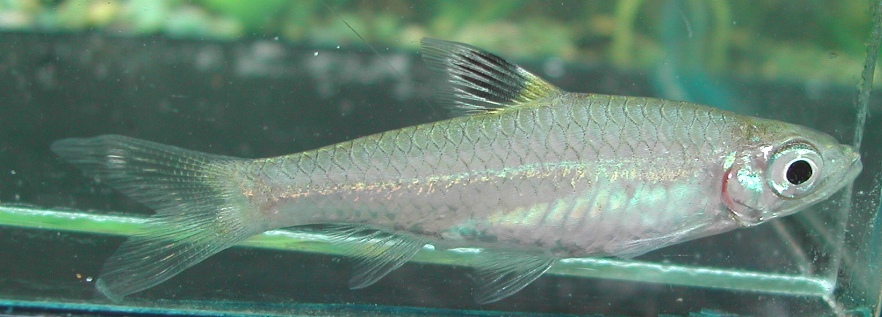
完整侧线和侧列鳞片数量有助于与相似近缘种区分。贸易中可能作为其他鱼的混入个体出现,不能仅凭旧销售标签认定。人工繁殖尚未记录。
图片
图片来自 SeriouslyFish,版权归各摄影者所有。
English
Overview
Brevibora cheeya is a small social fish from the Malay Peninsula and nearby islands. Shade and a dark bottom bring out its appearance. Peaceful community housing is possible, although aggression toward one close relative has been observed.
Distribution & habitat
Records include Selangor, Terengganu, Pahang, and Johor in Peninsular Malaysia, plus Jambi and Riau in Sumatra and the island of Bangka in Indonesia.
The type locality was a slow stream through coastal heath forest with myrtle-like trees. Sand mixed with peat covered the bottom, and the water was acidic.
Aquarium setup
A footprint of at least 80 by 30 cm is suggested. Water quality matters more than a particular style of decor. Sand, roots, and leaves provide shaded retreats; microbial growth on decomposing leaves can supplement fry nutrition. Dense planting over a dark substrate is another effective arrangement, using plants suited to subdued light.
Diet & feeding
Small insects, worms, crustaceans, and other zooplankton are considered likely natural food. Suitable dry products are accepted in captivity, but daily small live or frozen water fleas, brine shrimp, and similar foods are preferable additions.
Behaviour & compatibility
Maintain eight to ten or more to reduce nervousness and encourage normal group displays. Similar-sized, peaceful companions are appropriate, whereas much larger or boisterous fish may outcompete it.
One observation involved aggression directed specifically at a congener while unrelated tankmates were ignored. Monitor interactions carefully if closely related fish share the aquarium.
Sexual dimorphism
Mature females have noticeably fuller bellies and are probably slightly larger than males.
Notes
A complete lateral line and lateral scale counts help separate this fish from similar relatives. It may appear as an incidental import among other species, making old trade labels unreliable. Captive breeding remains unrecorded.
来源
- https://www.seriouslyfish.com/species/brevibora-cheeya(抓取于 2026-10-10)
brevibora-cheeya · 文件: data/species/brevibora-cheeya.md · 状态: 草稿