斑纹泰波鱼 · Dwarf Rasbora
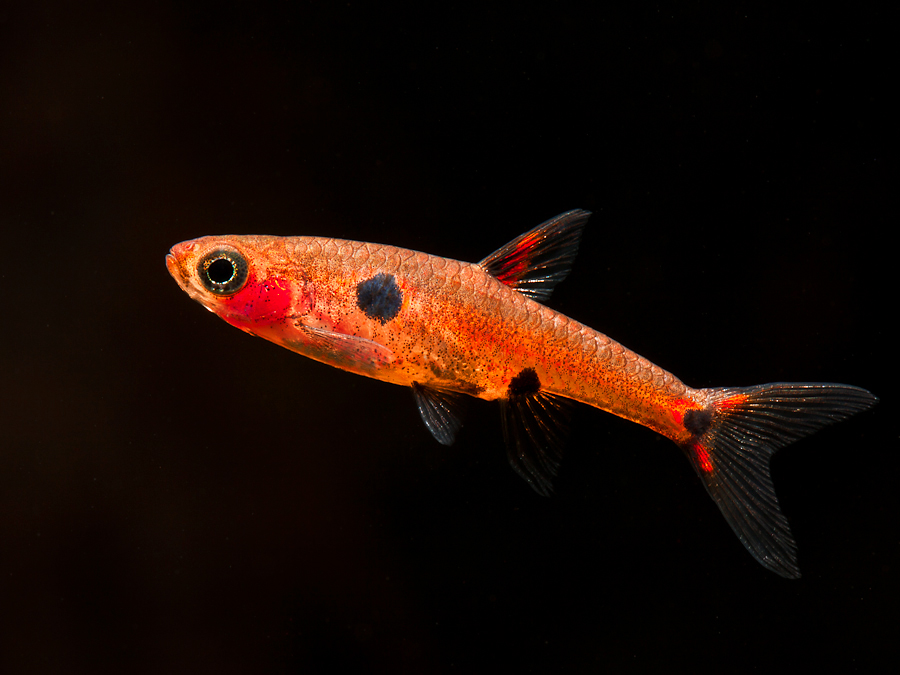
概要
| 字段 | 值 |
|---|---|
| 类别 | 鱼 |
| 学名 | Boraras maculatus |
| 别名 | 美丽波鱼、斑紋泰波魚、美麗波魚、Rasbora maculata |
| 分类 | 鲤形目 Cypriniformes › 鲤科 Cyprinidae › Boraras |
| 水体 | 淡水 |
| 原产地 | 印度尼西亚、马来西亚、新加坡、泰国 |
| 成体体长 | 2.5 cm |
| 饲养难度 | 中等 |
| 最小水体 | 41 L |
| 最小缸长 | 45 cm |
| 群居方式 | 群游 |
| 性情 | 温和 |
| 水流偏好 | 低 |
| 外部数据 | seriouslyfish boraras-maculatus;fishbase 10879 |
| 食性 | 肉食 |
| 繁殖方式 | 散卵 |
水质参数
| 参数 | 耐受范围 | 最适范围 | 单位 |
|---|---|---|---|
| 水温 | 20–28 | — | °C |
| pH | 4–6.5 | — | — |
| 总硬度 | 1–5 | — | dGH |
概述
斑纹泰波鱼(Boraras maculatus)是黑水环境中的小型群游鱼,地域种群之间红色浓淡会有差别。它温和而胆小,适合稳定的密植缸;把一小群放在合适的环境中,比零散混养更能看到自然表现。
分布与栖息地
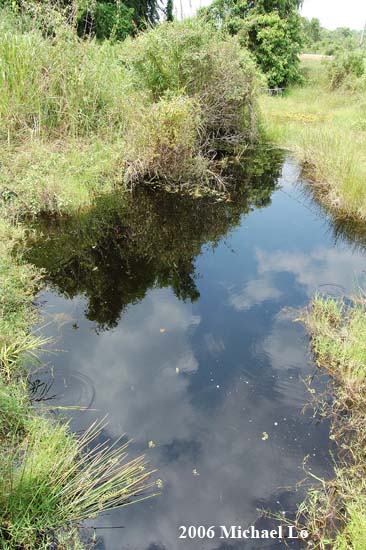
原产马来半岛,并延伸至泰国南部、苏门答腊东部、新加坡及印度尼西亚民丹岛。常见于森林泥炭沼泽相连的黑水河溪,水中有落叶、枯枝,林冠遮光,水质很软且偏酸。
饲养环境
密植水草、浮水植物和沉木可营造遮蔽,柔和水流比强造流更合适。若采用原生境风格,可用细沙、枝条和干落叶组合;落叶上的微生物也是鱼苗的补充食物。不要放入尚未稳定的新缸,保留群游及繁殖雄鱼短暂占区的空间。
食性与喂食
野生鱼胃内容物显示它捕食微小昆虫、蠕虫、甲壳类及其他浮游动物。喂食时注意颗粒大小,干粮可用,但应经常搭配水蚤、丰年虾等小型活饵或冷冻饵料。
习性与混养
至少 8~10 条一群较合适,能减轻紧张并鼓励雄鱼展示。宜单养或搭配微型温和鱼,在草缸也可与小型淡水虾同养;不要只因性情温和就把它放进强势或大型鱼的混养缸。
雌雄区分
成熟雌鱼通常较大,腹部更圆。雄鱼一般颜色更鲜明,优势雄鱼尤其明显。
繁殖
状态良好时会连续少量散卵,不照顾后代。想多留鱼苗,可另设弱光繁殖缸,放细叶植物、隔卵网和轻缓的成熟海绵过滤,选两三对亲鱼缓慢适应后放入。亲鱼会吃卵,应在约两天内移走。第一批卵约第二天孵化,随后还会陆续出苗;卵黄耗尽后先喂草履虫等微小活饵,约一周至十天后逐渐转用丰年虾无节幼体和微虫。最初一两周谨慎处理换水,随后少量进行。
补充说明
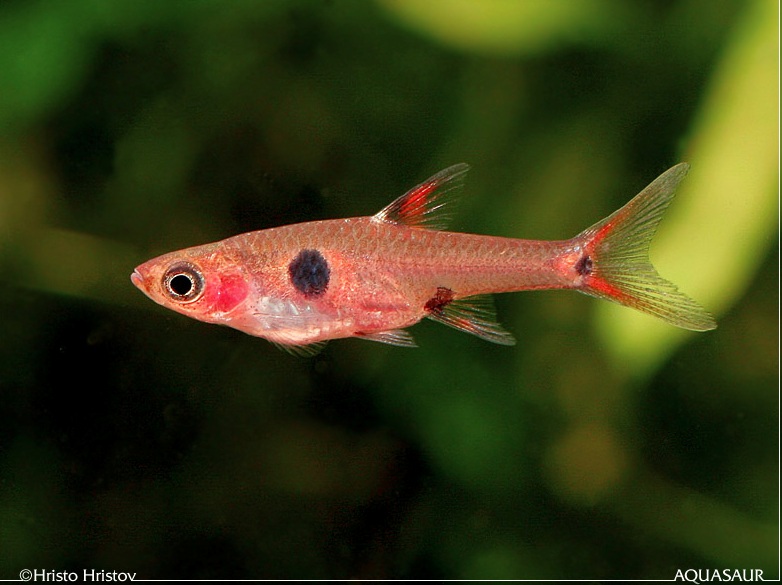
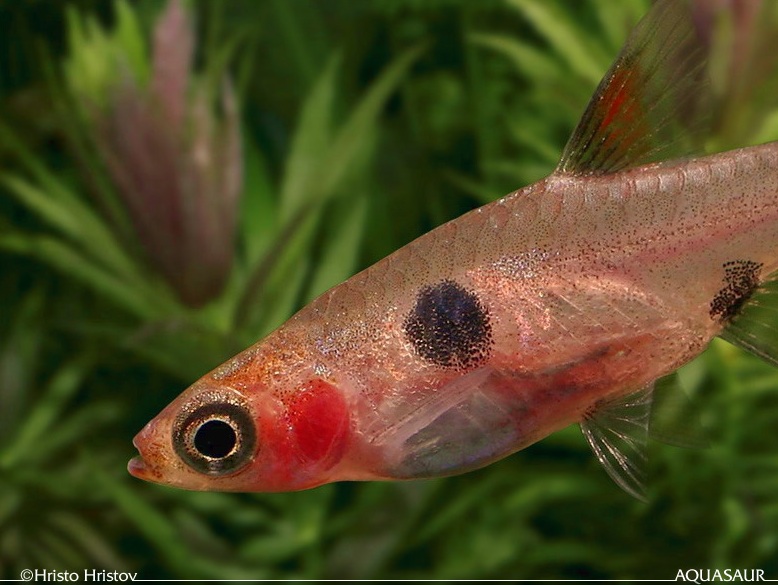
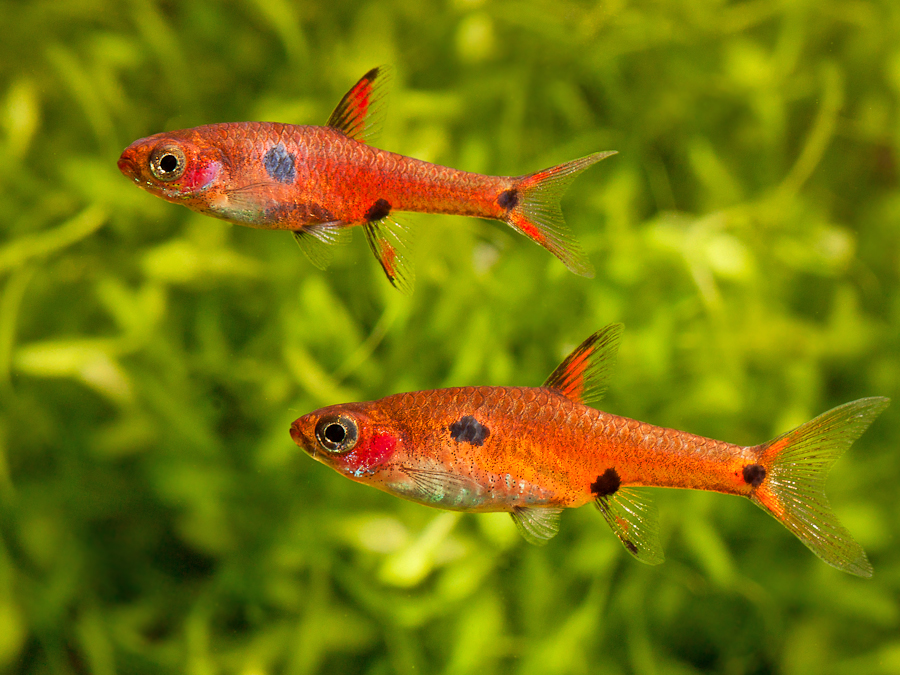
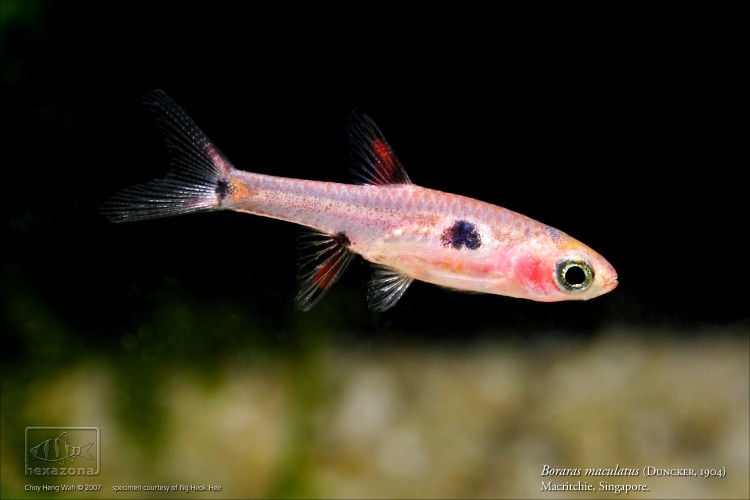
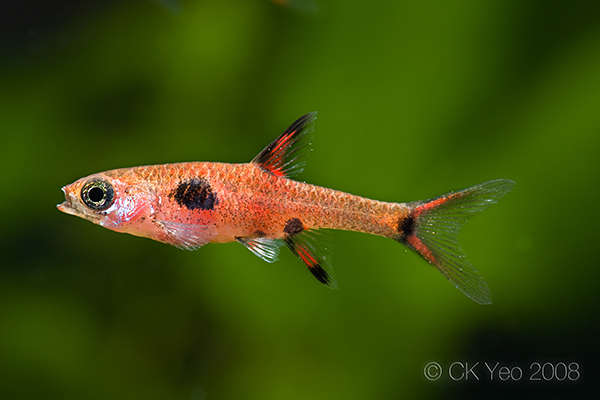
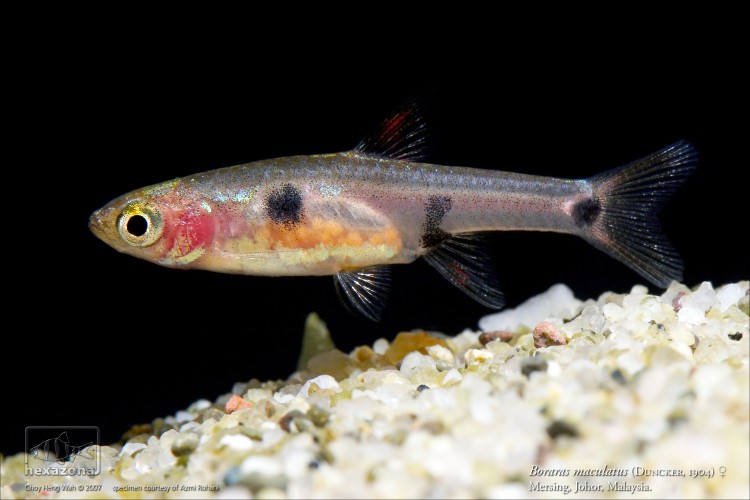
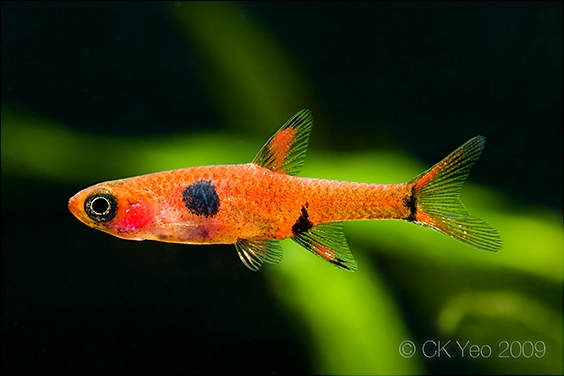
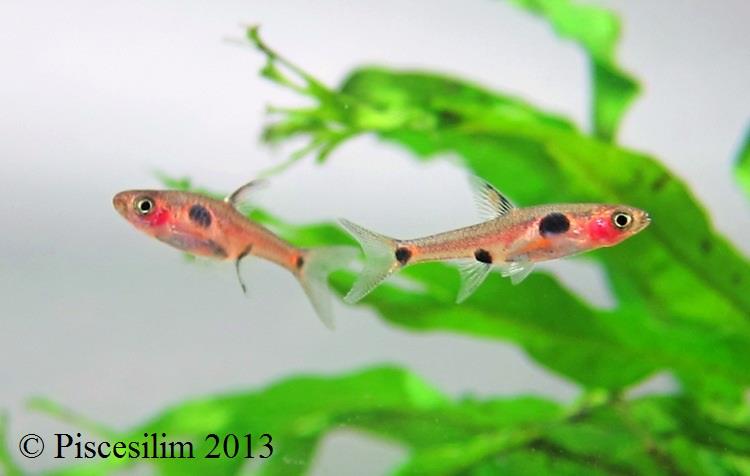
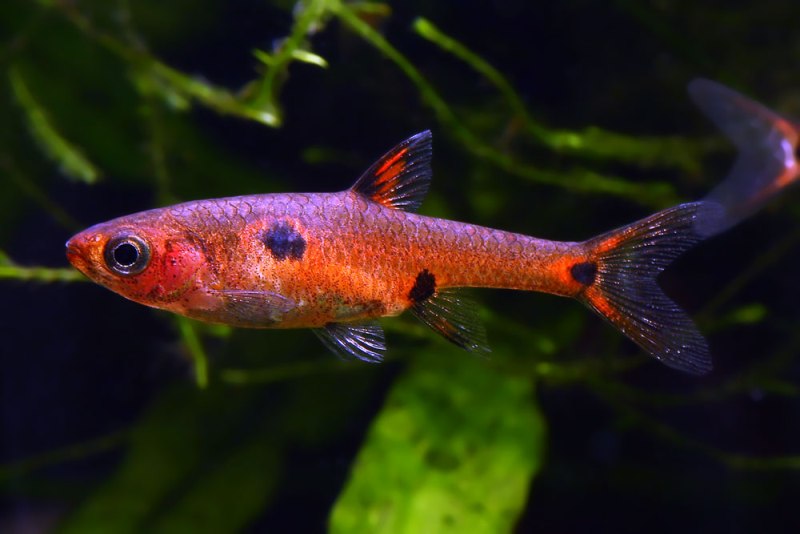
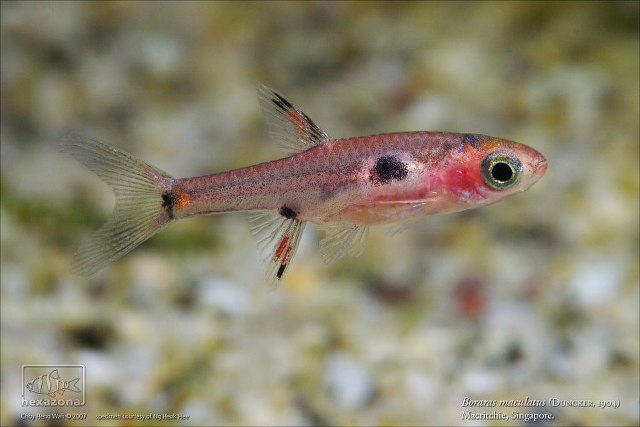
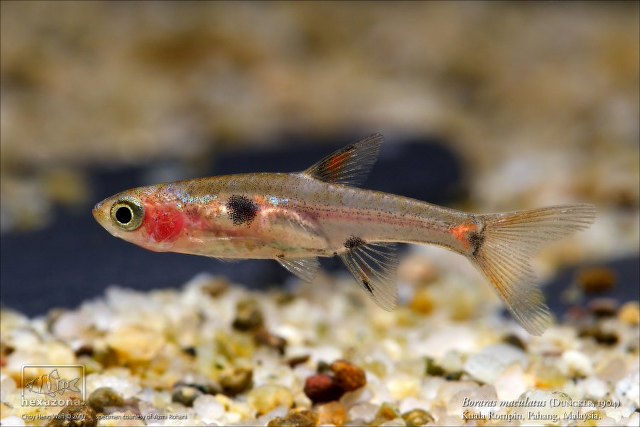
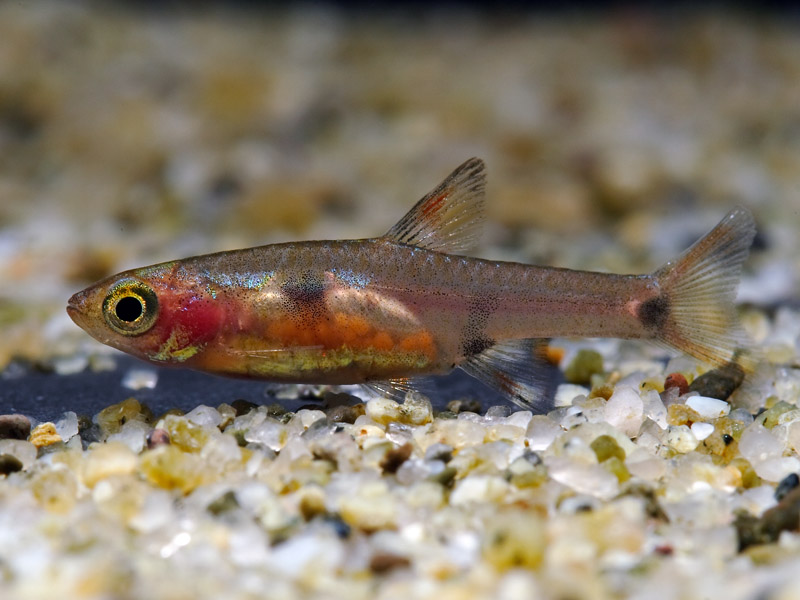
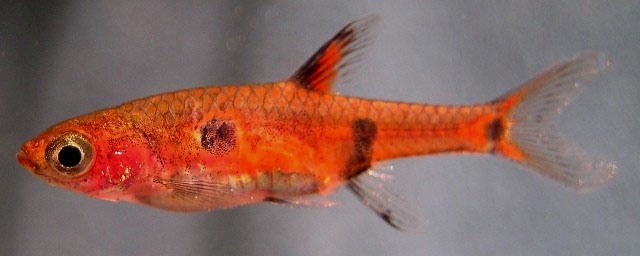
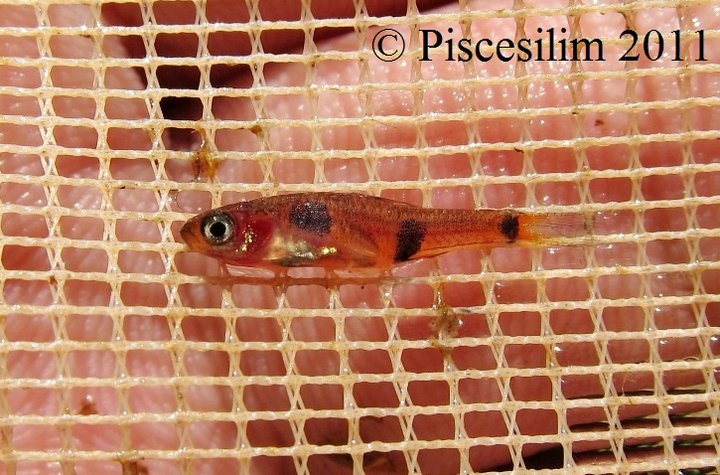
红色强弱可随产地而异。辨识时还要看体侧黑斑及头部着色,不能只按某一张商品图片的颜色判断。
图片
图片来自 SeriouslyFish,版权归各摄影者所有。
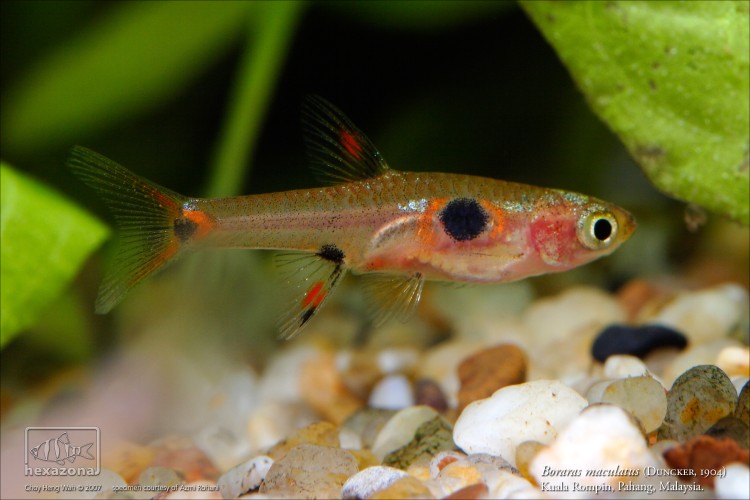
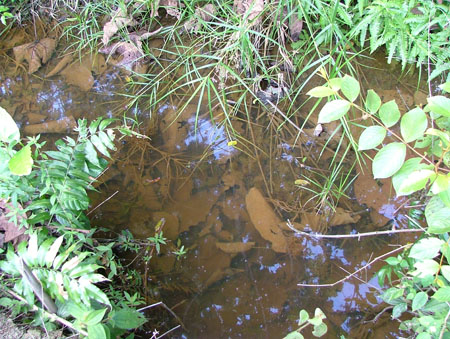
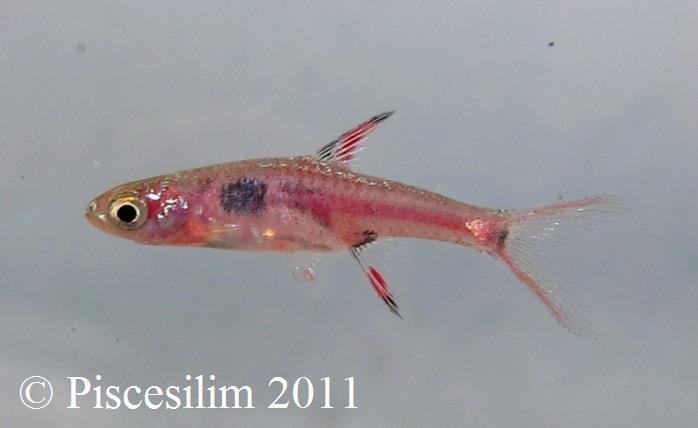
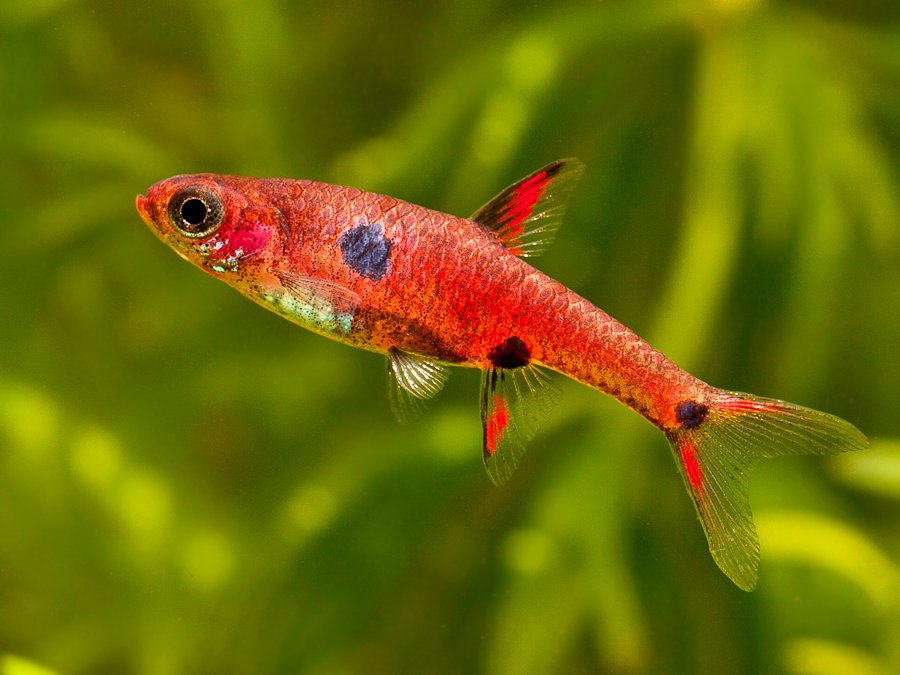
English
Overview
Boraras maculatus is a tiny blackwater fish whose red coloration varies among populations. A generously planted, stable aquarium and a substantial group bring out its appearance better than keeping a few specimens among larger community fishes.
Distribution & habitat
The range includes Peninsular Malaysia, southern Thailand, eastern Sumatra, Singapore and Bintan. Shaded forest-swamp streams contain soft acidic water stained by decomposing plant matter, with leaves and woody debris scattered across the bottom.
Aquarium setup
Shade and shelter are priorities: combine plants with roots and floating cover while keeping filter flow gentle. Sand and leaf litter make a useful alternative natural layout. The aquarium must be biologically mature before stocking, and cover should not eliminate all swimming room.
Diet & feeding
Examination of wild fish has established a diet of small animal prey. Use food particles small enough for the fish to handle, combining good dry food with water fleas, brine shrimp and other suitably tiny live or frozen items.
Behaviour & compatibility
A group of eight to ten or more is preferable. Social confidence and male displays improve when numbers are adequate. Tiny peaceful companions and freshwater shrimp are possibilities in planted conditions, but larger, boisterous fishes make an unsuitable community.
Sexual dimorphism
Ripe females are rounder and often slightly larger. Males, particularly dominant ones, generally show stronger coloration.
Breeding
This is a repeated small-batch egg scatterer with no brood care. Condition the adults together, then transfer two or three pairs gently into a shaded spawning aquarium with fine plants and a barrier protecting fallen eggs. Adults consume eggs, so remove them within about two days. Hatching can start around day two, with later batches following. Once yolk is exhausted, offer microscopic prey; brine-shrimp nauplii or microworms become suitable as the fry grow, often after a week or more. Avoid abrupt early water changes.
Notes
Population-related differences in red intensity are normal. Head coloration and the pattern of dark markings are more useful than matching the shade of a single sales photograph.
来源
- https://www.seriouslyfish.com/species/boraras-maculatus(抓取于 2026-10-10)
boraras-maculatus · 文件: data/species/boraras-maculatus.md · 状态: 草稿