Betadevario ramachandrani
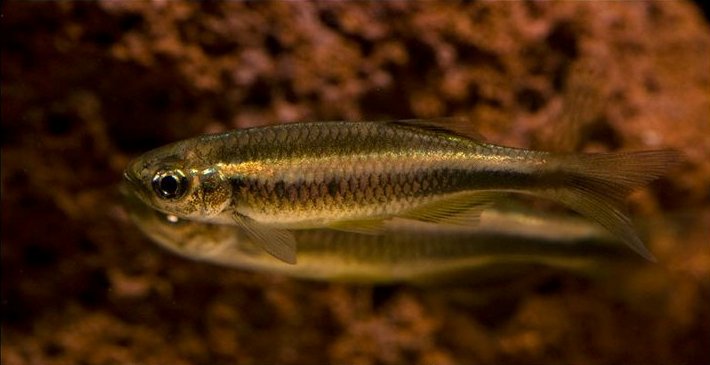
概要
| 字段 | 值 |
|---|---|
| 类别 | 鱼 |
| 学名 | Betadevario ramachandrani |
| 分类 | 鲤形目 Cypriniformes › 鲤科 Cyprinidae › Betadevario |
| 水体 | 淡水 |
| 原产地 | 印度 |
| 成体体长 | 6.1 cm |
| 饲养难度 | 中等 |
| 最小水体 | 108 L |
| 最小缸长 | 120 cm |
| 群居方式 | 群游 |
| 特征 | 会跳缸: 是 |
| 外部数据 | seriouslyfish betadevario-ramachandrani;fishbase 65591 |
| 性情 | 温和 |
水质参数
| 参数 | 耐受范围 | 最适范围 | 单位 |
|---|---|---|---|
| 水温 | 18–23 | — | °C |
| pH | 6–7 | — | — |
| 总硬度 | 2–10 | — | dGH |
概述
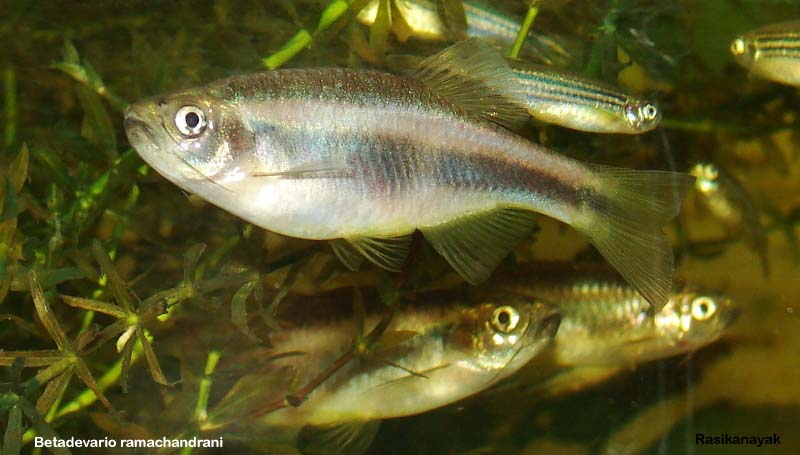
Betadevario ramachandrani 是印度西高止山地区的活跃小型鲤科鱼。它并不凶猛,但持续游动、进食积极,需要足够泳道,不宜与安静、抢食能力弱的鱼混养。
分布与栖息地
已知仅见于印度卡纳塔克邦阿贡贝附近、西塔河上游的两个地点。当地森林浓密、降水丰富,模式产地是一条浅溪,由小瀑布和水潭交替组成,采集时溪宽约 2–3 m。
饲养环境
至少提供 120 × 30 cm 的底面积,以水磨石、砂砾和根枝模拟溪流。耐受的附生水草可绑在布景上,同时保留开放水域。
水体应清洁、富氧,不能积累有机污染物;适度水流即可,不必制造猛烈冲刷。每周换水 30%–50%,缸盖应严密。保持偏凉而稳定的条件。
食性与喂食
自然界可能主要捕食昆虫及幼虫,但这一判断来自其与近亲的相似性。人工饲养通常不挑食,优质干粮可作基础,定期补充红虫、水蚤、丰年虾等小型活饵或冷冻饵。
习性与混养
宜与体型相近、健壮且适应同样环境的鱼搭配。至少 8–10 尾同养可减少紧张,雄鱼互动也更容易展示体色。即使没有明显攻击行为,也要关注其他鱼是否被持续活动和抢食压制。
雌雄区分
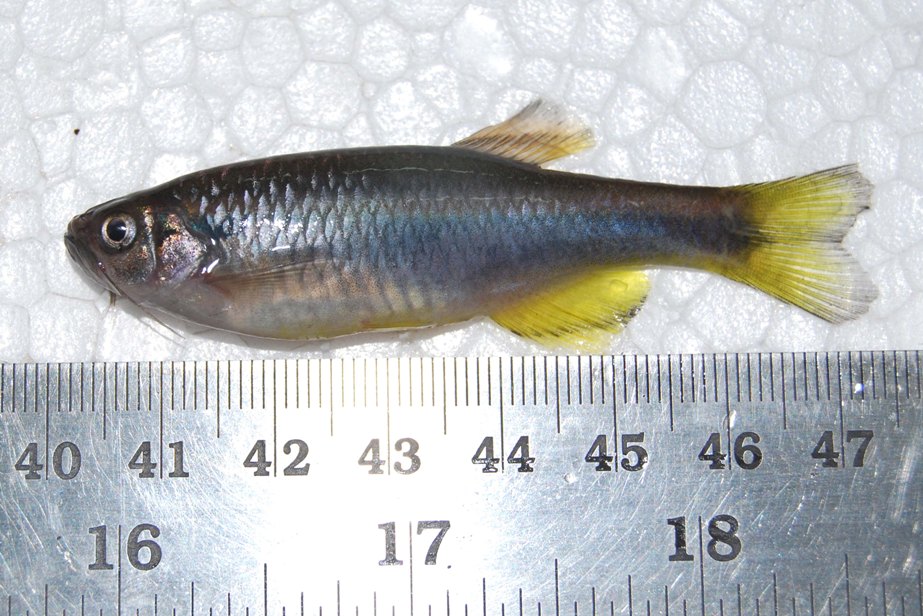
成熟雌鱼预计腹部更圆、略大于雄鱼,除此之外外观很相近。雄鱼产卵时是否进一步显色尚不清楚。
补充说明
它兼有不同斑马类群的形态特点,分布范围也很有限。尚无可用的人工繁殖记录,近亲常见的散卵行为不能直接当作本种已验证的方法。
图片
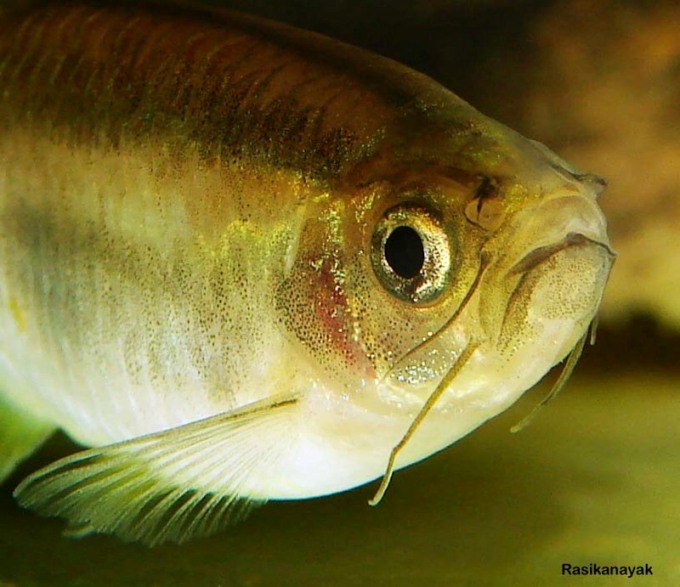
图片来自 SeriouslyFish,版权归各摄影者所有。
English
Overview
An active Western Ghats cyprinid, Betadevario ramachandrani is not inherently aggressive, but continual movement and forceful feeding can unsettle quieter companions. Open swimming space and careful matching of tankmates matter more than its modest size might suggest.
Distribution & habitat
Only two sites are known, both in the upper Sita drainage near Agumbe in Karnataka, India. The area is heavily forested and receives abundant rainfall. The type locality was a shallow stream, about 2–3 m wide when sampled, with alternating cascades and small pools.
Aquarium setup
Use at least a 120 by 30 cm footprint. Rounded stones, sand, gravel, and roots can form a stream-like setting, with hardy attached plants on the furnishings and open areas for swimming.
Maintain clean, oxygen-rich water without organic waste buildup. Moderate circulation is sufficient; extreme current is unnecessary. Change 30–50% weekly, keep conditions cool and stable, and use a tightly fitting lid.
Diet & feeding
Insects and their larvae are considered the likely natural diet by comparison with relatives. Captive fish accept a broad range of foods. A quality dry staple should be supplemented regularly with small live or frozen bloodworms, water fleas, brine shrimp, and similar fare.
Behaviour & compatibility
Choose robust fish of similar size that share its environmental requirements. Groups of at least eight to ten are less nervous, and interactions among males improve the display. Even without overt aggression, watch for companions being overwhelmed by constant activity or denied food.
Sexual dimorphism
Mature females are expected to be slightly larger and rounder in the belly, with little other visible difference. Additional male color changes during spawning remain unknown.
Notes
The fish combines anatomical features associated with different danionin groups and has a narrowly documented range. Captive breeding has not been reported; egg-scattering behavior inferred from relatives should not be mistaken for an established breeding method.
来源
- https://www.seriouslyfish.com/species/betadevario-ramachandrani(抓取于 2026-10-10)
betadevario-ramachandrani · 文件: data/species/betadevario-ramachandrani.md · 状态: 草稿