Barilius bendelisis
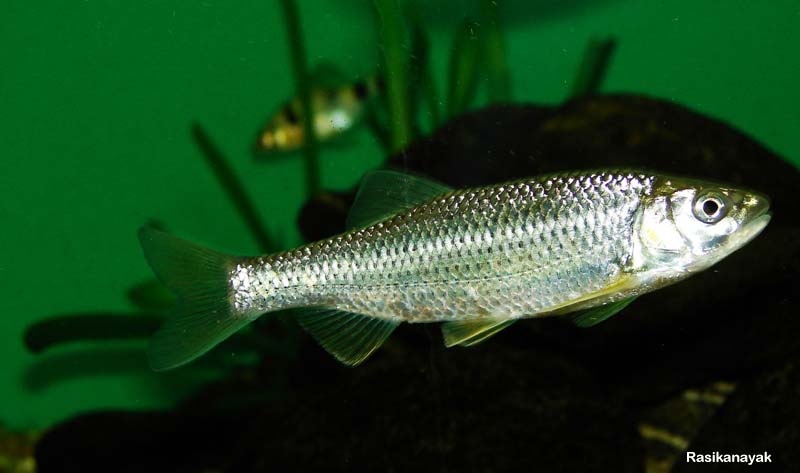
概要
| 字段 | 值 |
|---|---|
| 类别 | 鱼 |
| 学名 | Barilius bendelisis |
| 别名 | Cyprinus bendilisis、Cyprinus chedra、Cyprinus tila、Leuciscus branchiatus、Cyprinus apiatus、Barilius howesi |
| 分类 | 鲤形目 Cypriniformes › 鲤科 Cyprinidae › Barilius |
| 水体 | 淡水 |
| 原产地 | 孟加拉国、不丹、印度、尼泊尔 |
| 成体体长 | 20 cm |
| 饲养难度 | 中等 |
| 最小水体 | 648 L |
| 最小缸长 | 180 cm |
| 群居方式 | 群游 |
| 特征 | 会跳缸: 是 |
| 外部数据 | seriouslyfish barilius-bendelisis;fishbase 13225 |
| 食性 | 杂食 |
水质参数
| 参数 | 耐受范围 | 最适范围 | 单位 |
|---|---|---|---|
| 水温 | 18–26 | — | °C |
| pH | 6–8 | — | — |
| 总硬度 | 2–15 | — | dGH |
概述
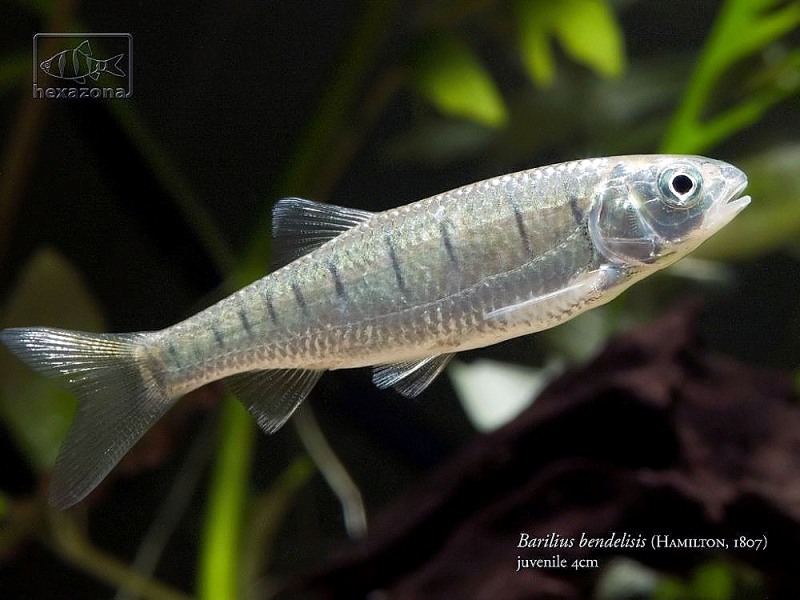
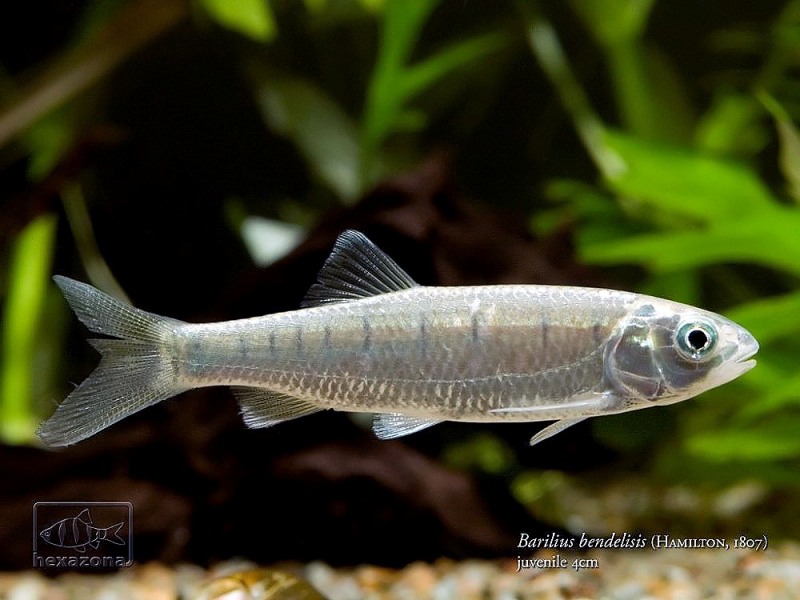
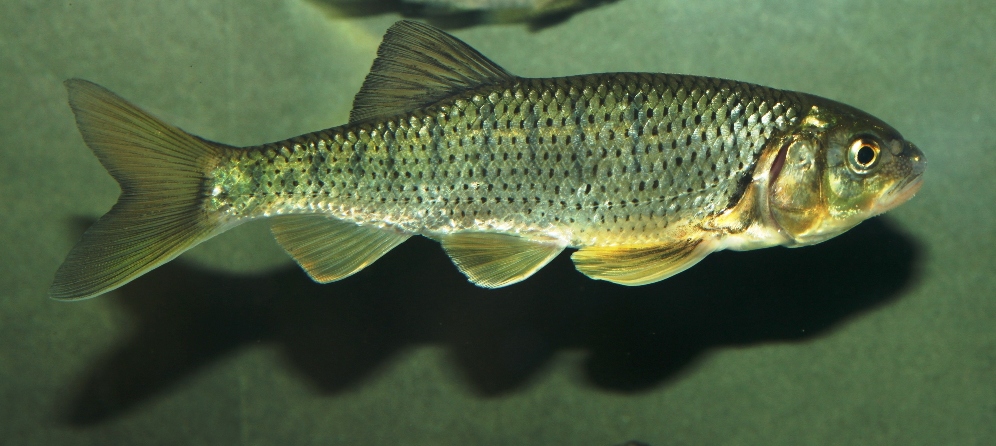
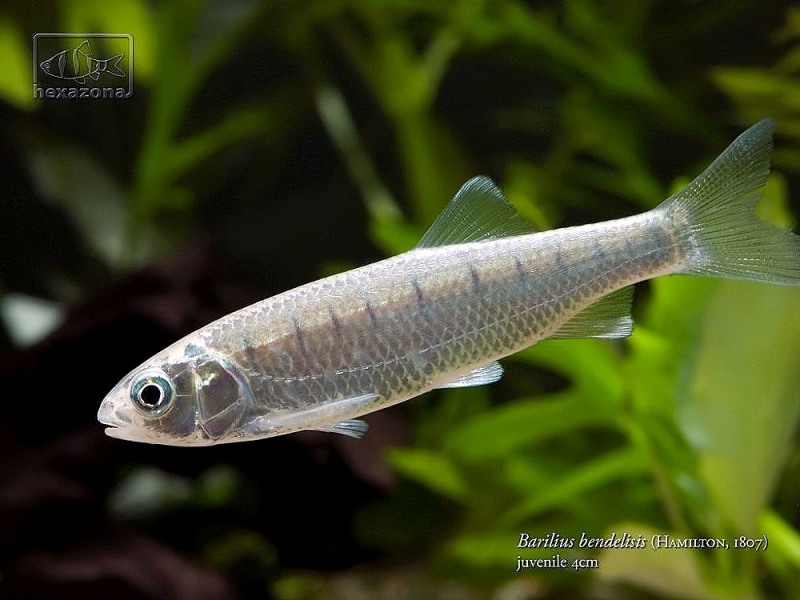
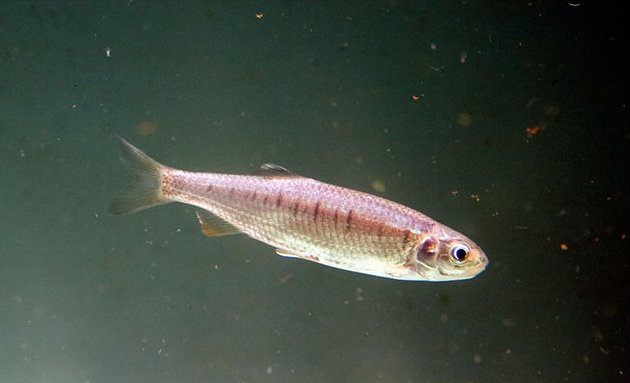
Barilius bendelisis 是活动量大、抢食积极的南亚鲤科鱼,体侧可见蓝色竖带,成年鱼鳞片上有蓝黑色小点。它需要宽敞的流水缸及同种伙伴,不适合与游动缓慢的小型鱼随意混养。
分布与栖息地
明确分布涉及印度、孟加拉国、尼泊尔,不丹也可能有分布。其他若干亚洲国家的旧记录可能属于不同物种,不能一概采信。
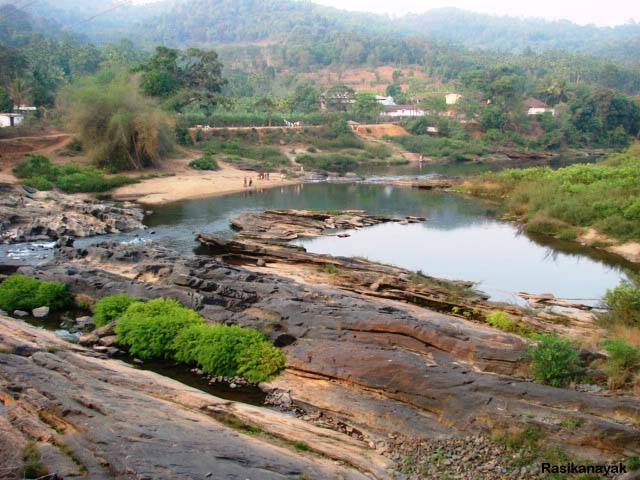
栖息在富氧、流速中等至急的溪河,底部有砂砾、卵石、大石与基岩。尼泊尔一处采集点为清洁的急流水域,岸边为砾石。
饲养环境
至少提供 180 × 60 cm 的底面积,布置大小混合的石块、砂砾和根枝,并留出大片泳道。可在布景上固定耐受此类环境的水草。
成熟过滤、清洁水体和高溶氧十分重要,可按需要配合水泵、气石。每周换水 30%–50%,不能让有机废物累积,也不应放入生物系统尚未成熟的新缸。必须加严密缸盖。
食性与喂食
本种野生胃含物包括藻类、蠕虫幼体、昆虫及其幼虫、水蚤和桡足类,食物并不限于动物。它也可能在浸水岩石表面刮食或搜索食物,但相关行为记录仍属零星观察。
可使用优质干粮,搭配红虫、丰年虾、切碎蚯蚓等活饵或冷冻饵;果蝇、小蟋蟀应先喂养充足再投喂。
习性与混养
强健、体型相近且适应流水的鱼更合适。慢游、胆小的伙伴可能被压制或抢不到食物,明显较小的鱼存在捕食风险。
至少饲养 5 尾。群体会形成等级,两三尾的小群容易让弱势鱼持续受欺压,单尾也可能攻击相似外形的鱼。
雌雄区分
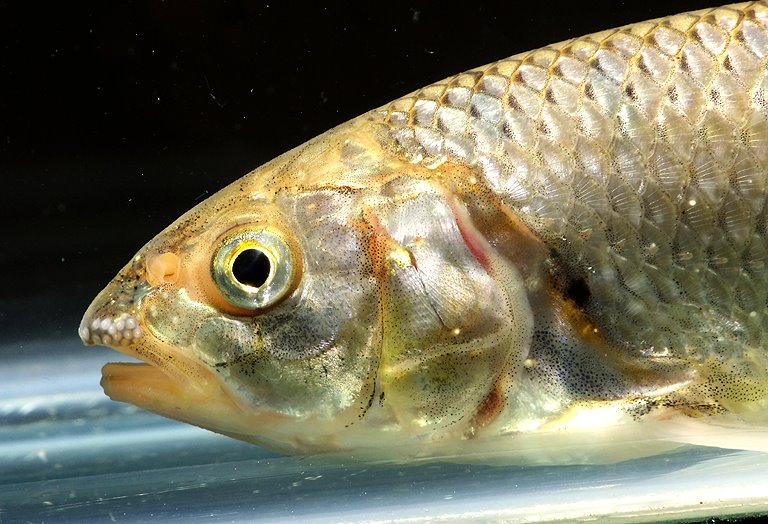
雌鱼通常稍大、更厚实且颜色较淡,抱卵时腹部更明显。繁殖期雄鱼头部珠星突出,身体出现红色。
补充说明
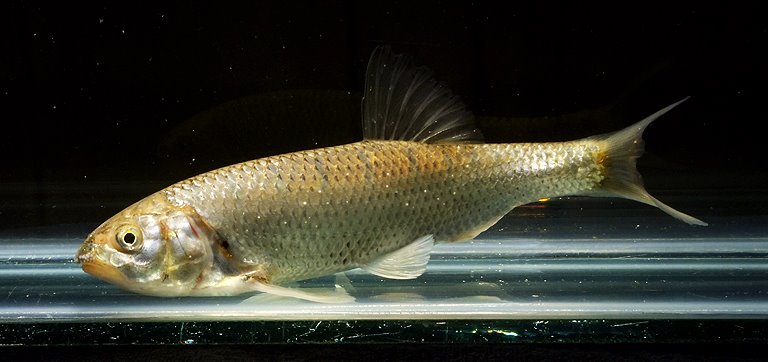
蓝色竖带、尾鳍基部黑点及成年鳞片上的蓝黑色点可作为识别线索。某些地域记录和贸易名称有混淆,不能仅凭商品名确认。人工繁殖尚缺乏可用记录。
图片
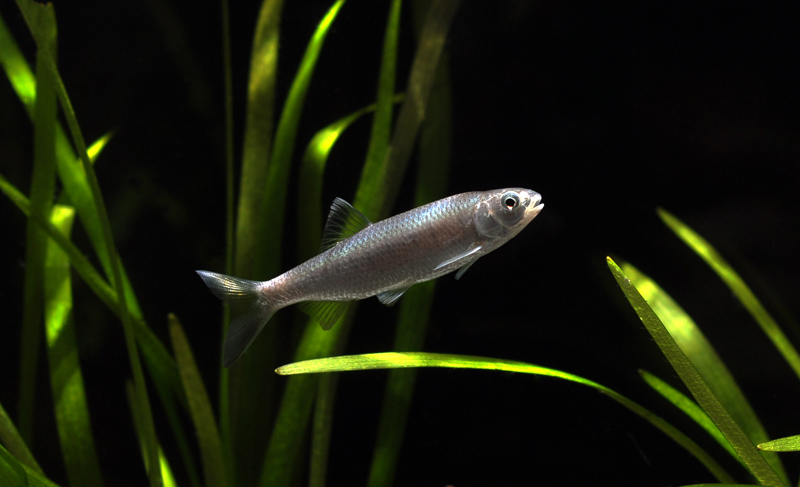
图片来自 SeriouslyFish,版权归各摄影者所有。
English
Overview
Barilius bendelisis is a substantial, energetic South Asian cyprinid whose blue bars and dark scale spots are especially distinctive in adults. Rapid swimming and forceful feeding require a spacious river-style aquarium and thoughtful companion selection.
Distribution & habitat
The documented range includes India, Bangladesh, and Nepal, with Bhutan considered probable. Reports from several other Asian countries may involve different species.
It occupies oxygen-rich rivers and streams with moderate to torrential flow and rocky beds. One Nepalese locality was a pristine, fast-flowing river bordered by gravel and containing cobbles and boulders.
Aquarium setup
A footprint of at least 180 by 60 cm is required. Arrange mixed stones, sand, gravel, and roots around generous open swimming areas. Robust attached plants may be used on the furnishings.
Mature filtration, strong oxygen availability, and consistently clean conditions are essential. Add pumps or aeration as needed, change 30–50% weekly, and prevent organic debris from accumulating. Avoid newly established systems and secure the cover against jumping.
Diet & feeding
Stomach examinations have found algae alongside larval worms, insects, insect larvae, water fleas, and copepods, showing a mixed plant and animal diet. Rock-surface grazing or foraging has also been suggested by anecdotal observations.
Offer quality dry foods with regular live or frozen bloodworms, brine shrimp, chopped earthworms, and similar items. Small crickets and fruit flies should be gut-loaded before use.
Behaviour & compatibility
Robust companions of similar size that share its environmental needs are preferable. Timid or slow fish can be intimidated and outcompeted, while much smaller fish may be eaten.
Maintain at least five. Rank disputes can focus relentlessly on weaker individuals in groups of only two or three, and isolated fish may attack similar-looking tankmates.
Sexual dimorphism
Females generally grow slightly larger, remain paler, and become noticeably thicker when carrying eggs. Reproductive males develop prominent head tubercles and reddish body pigmentation.
Notes
Blue vertical bars, dark marks at the tail base, and blue-black spots on adult scales help with identification. Geographic reports and trade labels have sometimes been confused. Reliable captive breeding details are lacking.
来源
- https://www.seriouslyfish.com/species/barilius-bendelisis(抓取于 2026-10-10)
barilius-bendelisis · 文件: data/species/barilius-bendelisis.md · 状态: 草稿