贝克氏低线鱲
概要
| 字段 | 值 |
|---|---|
| 类别 | 鱼 |
| 学名 | Barilius bakeri |
| 别名 | 貝克氏低線鱲 |
| 分类 | 鲤形目 Cypriniformes › 鲤科 Cyprinidae › Barilius |
| 水体 | 淡水 |
| 原产地 | 印度 |
| 成体体长 | 13 cm |
| 饲养难度 | 中等 |
| 最小水体 | 540 L |
| 最小缸长 | 150 cm |
| 群居方式 | 群游 |
| 特征 | 会跳缸: 是;吃小鱼: 是 |
| 外部数据 | seriouslyfish barilius-bakeri;fishbase 24306 |
| 食性 | 肉食 |
水质参数
| 参数 | 耐受范围 | 最适范围 | 单位 |
|---|---|---|---|
| 水温 | 18–26 | — | °C |
| pH | 6–7.5 | — | — |
| 总硬度 | 1–10 | — | dGH |
概述
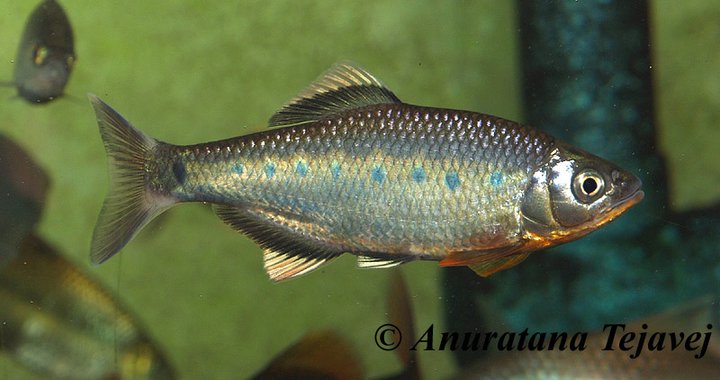
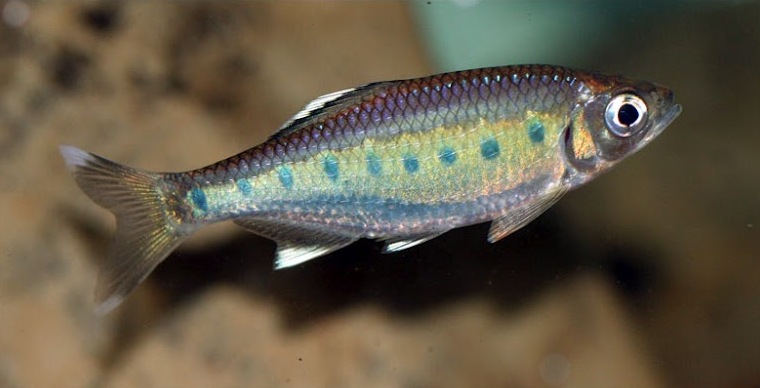
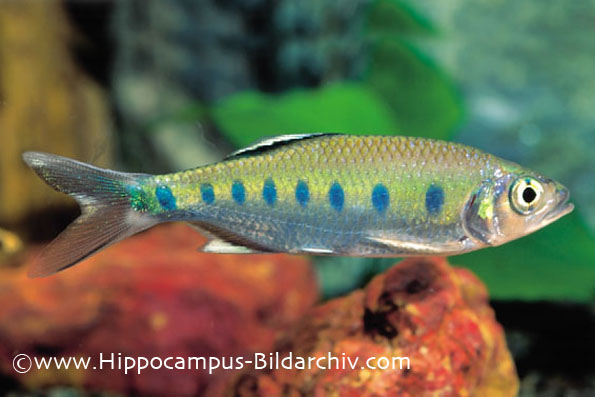
贝克氏低线鱲(Barilius bakeri)是一种游速很快的溪流鱼。体侧一列蓝绿色斑点颇醒目,但斑点会随成长逐渐变小。它需要宽阔泳道、富氧清水和同种伙伴,不能按普通温和小鱼安排混养。
分布与栖息地
原产印度西南部西高止山脉,在喀拉拉邦多条河流及邻近邦有记录。栖地多为坡度较缓至中等、流速中等至较快的河溪,河床由砾石、卵石、大石和裸露基岩组成。污染、外来物种与采砂正损害这些环境。
饲养环境
以沙、细砾和圆滑大石营造溪流环境,沉木只占局部,留下足够连续的游动空间。耐受水流的附生水草可绑在硬景上。过滤成熟后再入鱼,维持较高溶氧与适度水流,每周换水约 30%~50%,避免有机废物积累。缸盖必须严密,因为它很会跳跃。
食性与喂食
主要在水面捕食水生及陆生昆虫,也可能取食小鱼和底栖无脊椎动物。优质干粮可以搭配红虫、丰年虾和切碎蚯蚓;投喂果蝇或小蟋蟀时,应先给饵虫充分喂食。
习性与混养
至少养 5 条,让群体建立等级;只养两三条可能使弱鱼持续受欺负,单养又可能攻击相似鱼。混养对象应体型接近、健壮且适应同样水流。慢游、胆小的鱼容易抢不到食,明显小于它的鱼也有被吞食风险。
雌雄区分
成年雌鱼通常稍大、身体较厚、颜色较淡,怀卵时更明显。繁殖状态的雄鱼头部出现追星,身体下部带橙色。
繁殖
较大量的凉水换水据称可以刺激产卵,但不能据此视为已有可靠的育苗流程。
图片
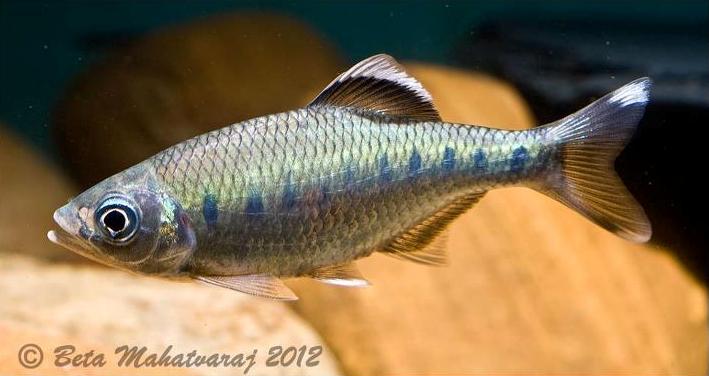
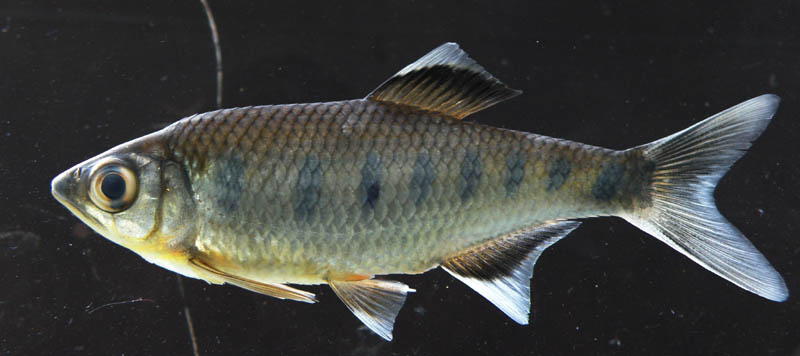
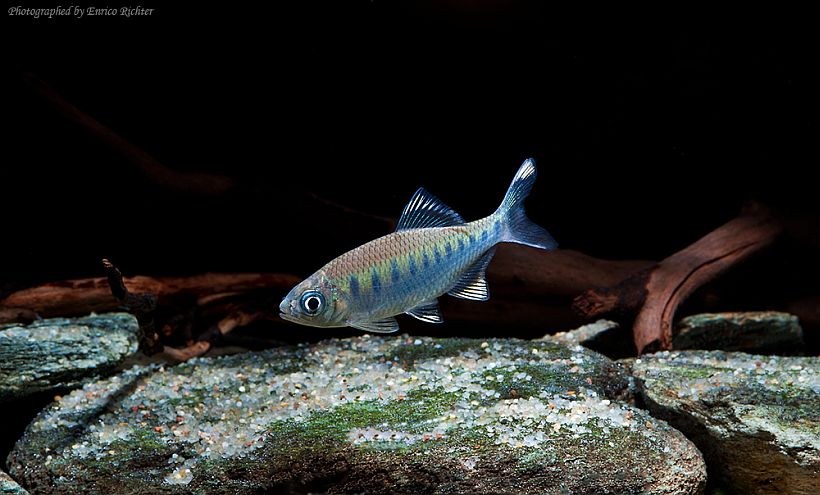
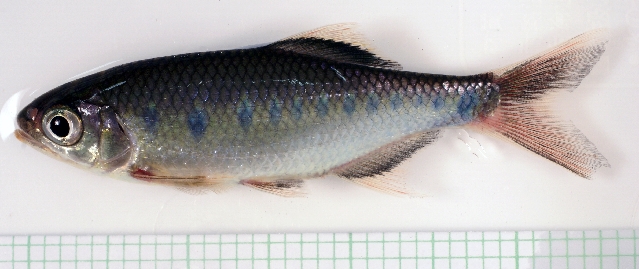
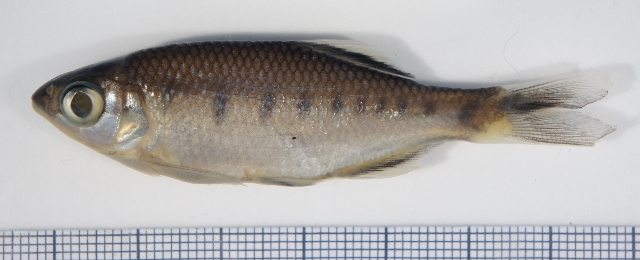
图片来自 SeriouslyFish,版权归各摄影者所有。
English
Overview
A row of blue-green spots gives Barilius bakeri its distinctive appearance; those spots become less prominent as the fish grows. Its energy and demanding riverine requirements make a spacious, purpose-planned aquarium more appropriate than a conventional mixed community.
Distribution & habitat
This Western Ghats endemic occurs in southwestern India, with numerous Kerala records and additional localities in neighboring states. Rocky streams with ample oxygen are typical habitat. Waste pollution, introduced species and intensive sand extraction threaten many of these waterways.
Aquarium setup
Build around an unobstructed swimming area, using sand, gravel and rounded stones with roots placed at the edges. Tough plants attached to the hardscape are preferable to delicate planting. Establish biological filtration before stocking, provide circulation and strong oxygenation, and replace roughly 30–50% of the water weekly. A close-fitting lid is essential.
Diet & feeding
Surface insects are the main natural prey, with small fishes and bottom-dwelling invertebrates possibly contributing. Alternate prepared food with bloodworms, brine shrimp or chopped earthworms. Fruit flies and suitably small crickets can add variety after being fed nutritious food themselves.
Behaviour & compatibility
Keep five or more so that its social hierarchy can develop within a group. A pair or trio can leave the weakest fish under sustained pressure, while solitary individuals may target look-alike tankmates. Choose robust companions of comparable size that tolerate the same conditions; timid feeders and tiny fishes are poor choices.
Sexual dimorphism
Females tend to be larger, fuller and less colorful, particularly when carrying eggs. Breeding males develop head tubercles and orange on the lower body.
Breeding
Large changes with cooler water have reportedly triggered spawning, but successful rearing has not been established in the available breeding accounts.
来源
- https://www.seriouslyfish.com/species/barilius-bakeri(抓取于 2026-10-10)
barilius-bakeri · 文件: data/species/barilius-bakeri.md · 状态: 草稿