细拟四须魮
概要
| 字段 | 值 |
|---|---|
| 类别 | 鱼 |
| 学名 | Barboides gracilis |
| 别名 | 細擬四鬚魮 |
| 分类 | 鲤形目 Cypriniformes › 鲤科 Cyprinidae › Barboides |
| 水体 | 淡水 |
| 原产地 | 贝宁、喀麦隆、赤道几内亚、尼日利亚 |
| 成体体长 | 1.8 cm |
| 饲养难度 | 中等 |
| 最小水体 | 18 L |
| 最小缸长 | 45 cm |
| 群居方式 | 群游 |
| 性情 | 温和 |
| 水流偏好 | 低 |
| 外部数据 | seriouslyfish barboides-gracilis;fishbase 5287 |
| 特征 | 啃水草: 否 |
水质参数
| 参数 | 耐受范围 | 最适范围 | 单位 |
|---|---|---|---|
| 水温 | 21–26 | — | °C |
| pH | 6–7 | — | — |
| 总硬度 | 0–6 | — | dGH |
概述
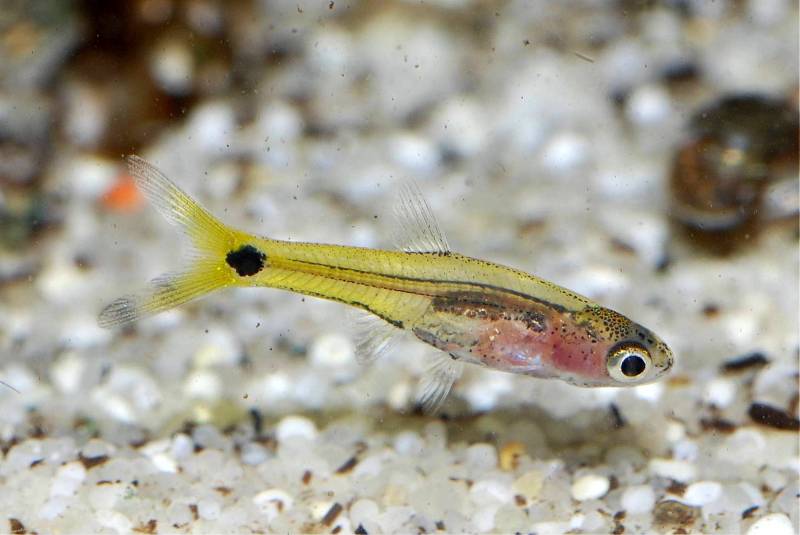
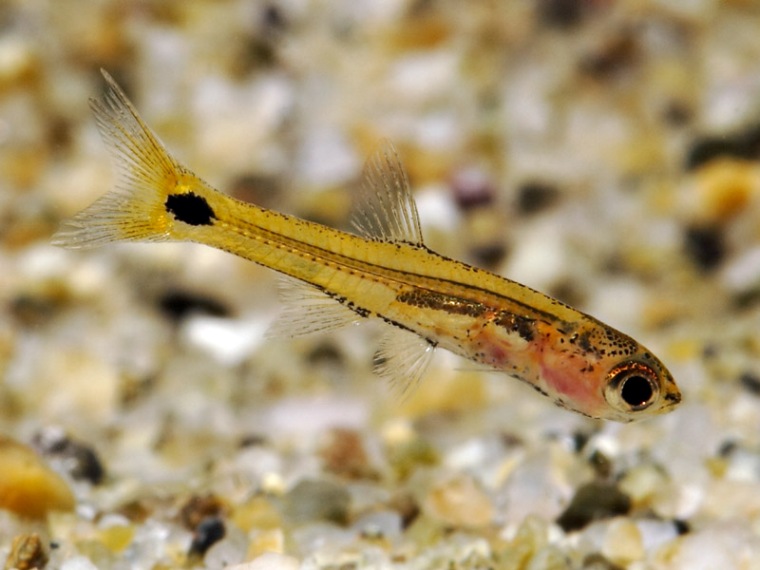
细拟四须魮(Barboides gracilis)体型微小、性情温和但胆怯,适合照顾细致的微型水草缸。小体型不代表可以忽略水质稳定,长期饲养尤其要避免过小水体带来的波动。
分布与栖息地
分布于西非至中非沿海,从贝宁经尼日利亚、喀麦隆延伸到赤道几内亚。常见于浅而缓流的阴暗雨林溪流与沼泽,岸边植被茂密,底部覆盖树枝和落叶。水体通常较清,但腐解植物释放的物质会使水呈淡褐色。
饲养环境
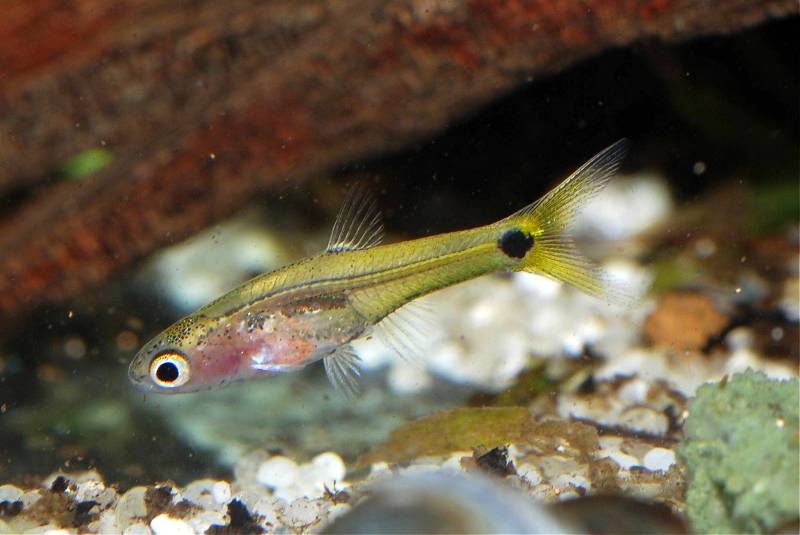
需要丰富遮蔽,可用柔软沙底、沉木根部、枝条和落叶搭配弱光,种植耐阴水草并加入浮水植物遮光。不会破坏水草。过滤要温和,过快水流会让它吃力。
落叶分解形成的微生物可为鱼苗补充食物,但不能替代投喂。仅适合已经成熟的水族箱,日常宜规律少量换水,每次不超过约一成,以减少水化学变化带来的压力。
食性与喂食
野外可能主要摄食极小的甲壳类、蠕虫和昆虫幼虫。它在缸中可能挑食,尤其新到的进口鱼常体况不佳,宜先用小型活饵帮助开口,稳定后再尝试冷冻饵和干粮。丰年虾幼体、水蚤、微虫、小型白线虫或切碎红虫都可作为大小合适时的选项;部分个体需要时间才会接受干粮。
习性与混养
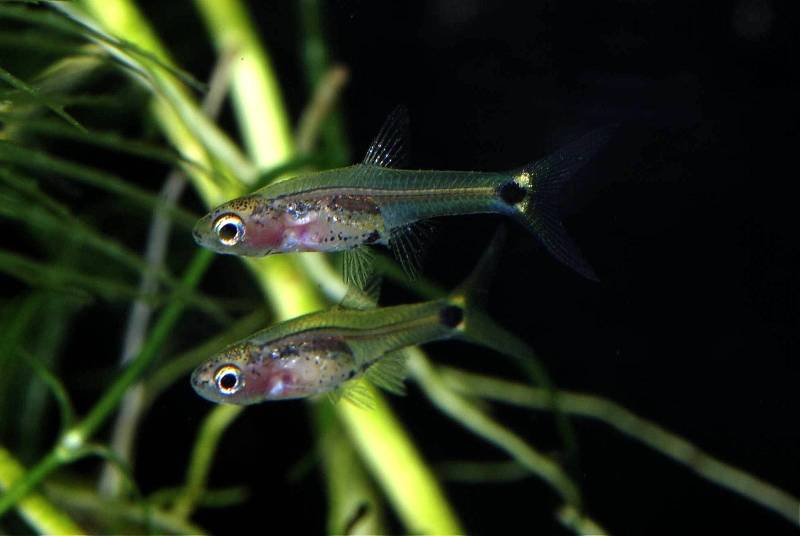
不适合普通热闹混养缸。单养缸,或与同样微小、温和的西非鱼搭配更合适。建议二十至三十尾成群,可显著减少紧张并展现自然群游;雄鱼追求雌鱼时也会显色和互动。跨地区微型鱼混养仅属可能方案,仍需谨慎选择。
雌雄区分
成熟雄鱼颜色略浓、身形更瘦,繁殖状态下差异较容易看出。
补充说明
它的极小体型属于演化上的微型化,性成熟后仍然很小,并非商品鱼尚未长大。它保有类似较大型亲缘鱼的身体比例,不应与成鱼仍呈幼体形态的其他微型鱼混为一谈。
图片
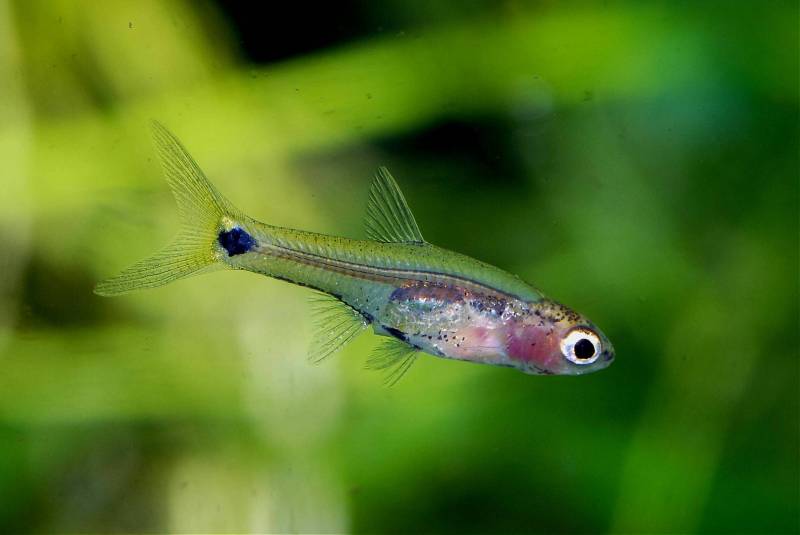
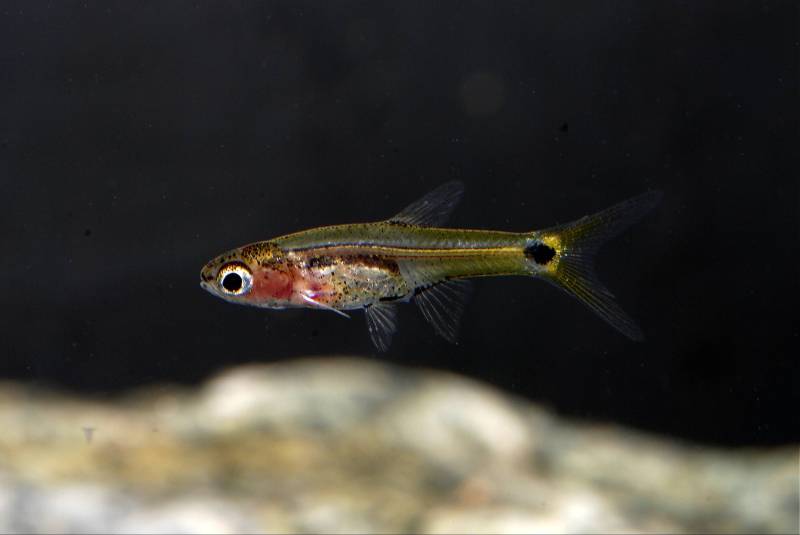
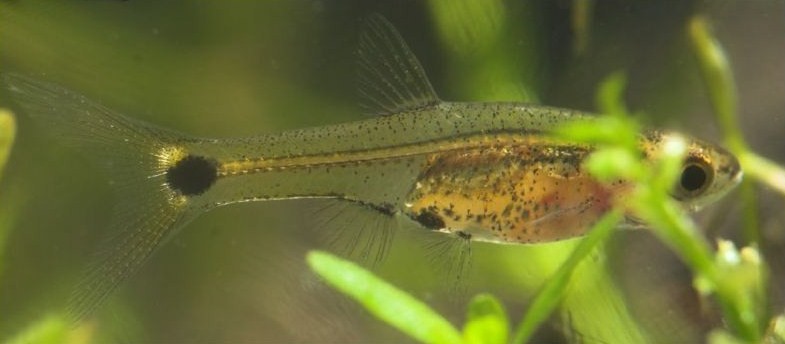
图片来自 SeriouslyFish,版权归各摄影者所有。
English
Overview
Tiny and gentle but easily intimidated, Barboides gracilis suits a carefully managed miniature planted aquarium. Small adult size does not remove the need for stable conditions; very limited water volume can make long-term care harder rather than easier.
Distribution & habitat
The coastal range runs from Benin through Nigeria and Cameroon to Equatorial Guinea. Shaded, shallow rainforest streams and swamps provide slow water and dense marginal cover. Fallen wood and leaves are common on the bottom. The water is often clear with a light brown tint from decomposing vegetation.
Aquarium setup
Provide numerous sheltered areas using soft sand, branching wood and leaf litter. Low lighting, shade-tolerant plants and floating growth recreate the subdued setting. Plants are not damaged by the fish. Keep filtration gentle, since strong current can be difficult for such small fish to negotiate.
Microorganisms developing around decomposing leaves may supplement fry feeding. Use an established aquarium and regular small water changes, around ten percent or less at a time, to limit stress from changing chemistry.
Diet & feeding
Tiny crustaceans, worms and insect larvae are presumed to form much of the natural diet. Aquarium fish can be selective. Newly imported individuals are often in poor condition and should initially receive small live foods; introduce frozen or dry alternatives after they settle. Suitable-sized brine-shrimp nauplii, water fleas, microworms, grindal worms and finely chopped bloodworms provide useful options. Some fish only learn to accept dry food gradually.
Behaviour & compatibility
An ordinary busy community is unsuitable. A dedicated tank or carefully chosen diminutive West African companions is preferable. Maintain twenty to thirty conspecifics where possible for security and a natural social display. Males show stronger coloration while competing for females. Communities with unrelated miniature fishes remain a tentative possibility, requiring careful selection.
Sexual dimorphism
Mature males are slimmer and slightly more strongly colored, with differences most obvious during reproductive condition.
Notes
The adult remains extremely small because of evolutionary miniaturization, rather than because aquarium specimens are simply juveniles. Its proportions broadly resemble those of larger relatives, unlike some other miniature fishes whose adults retain larval-looking anatomy.
来源
- https://www.seriouslyfish.com/species/barboides-gracilis(抓取于 2026-10-10)
barboides-gracilis · 文件: data/species/barboides-gracilis.md · 状态: 草稿