五线无须魮 · Golden Barb*
概要
| 字段 | 值 |
|---|---|
| 类别 | 鱼 |
| 学名 | Barbodes semifasciolatus |
| 别名 | 条纹二须魮、条纹二须魞、红目鮘、花鲫、七间鲫、七星鱼、五線無鬚魮、條紋二鬚魮、花鯽(香港)、七間鯽(香港)、七星魚(香港)、紅目鮘(台湾)、條紋二鬚魞(台湾)、Barbus semifasciolatus、Barbus fasciolatus、Barbus sachsii、Barbus hainani、Puntius hainanensis、Barbus fernandez-ypezi、Puntius paucimaculatus、Puntius semifasciolatus |
| 分类 | 鲤形目 Cypriniformes › 鲤科 Cyprinidae › Barbodes |
| 水体 | 淡水 |
| 原产地 | 中国(含香港、台湾)、老挝、越南 |
| 成体体长 | 7.5 cm |
| 饲养难度 | 入门 |
| 最小水体 | 81 L |
| 最小缸长 | 90 cm |
| 群居方式 | 群游 |
| 性情 | 温和 |
| 外部数据 | seriouslyfish barbodes-semifasciolatus;fishbase 4677 |
| 游动层 | 底层 |
| 食性 | 杂食 |
水质参数
| 参数 | 耐受范围 | 最适范围 | 单位 |
|---|---|---|---|
| 水温 | 16–24 | — | °C |
| pH | 6–8 | — | — |
| 总硬度 | 2–20 | — | dGH |
概述
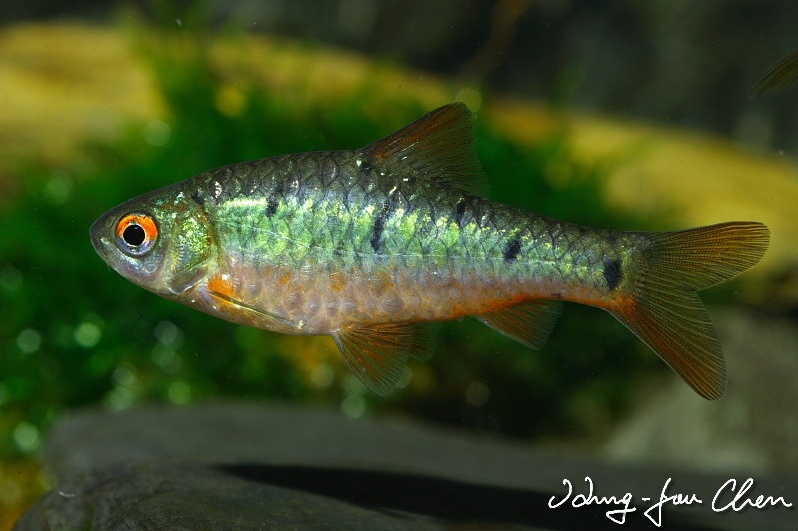
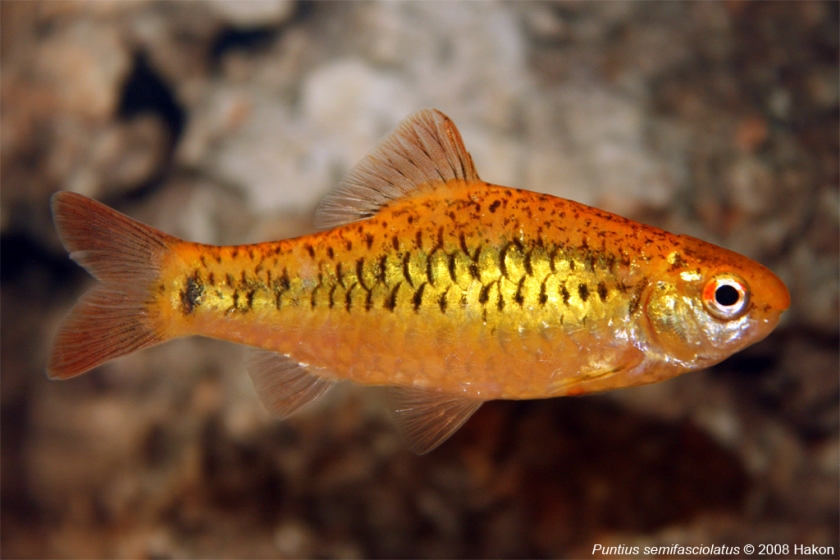
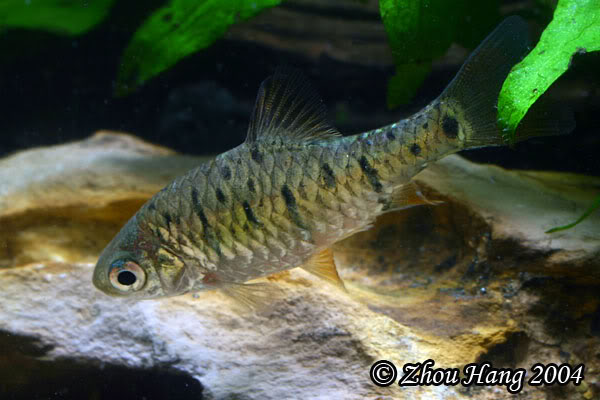
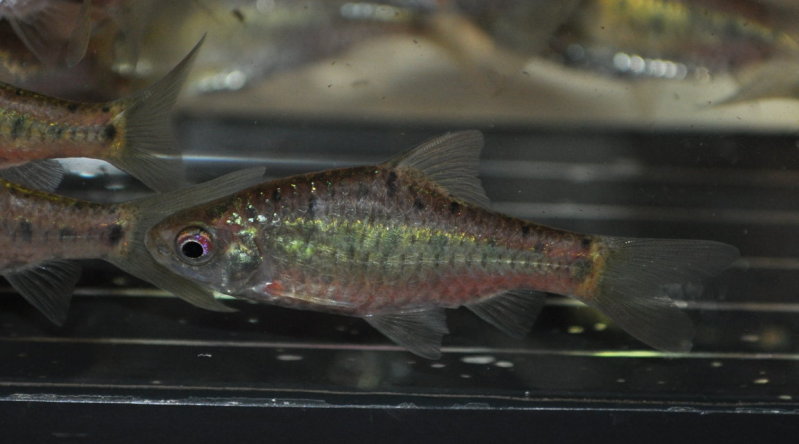
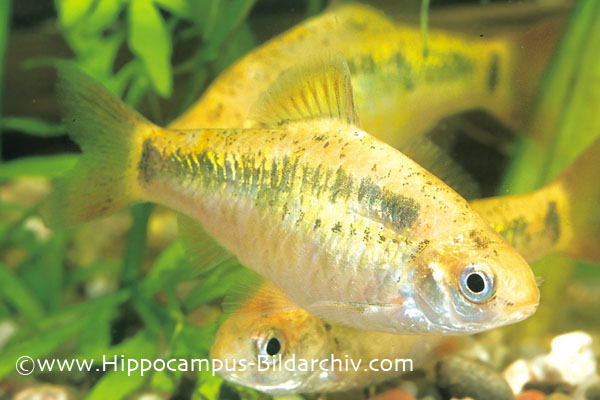
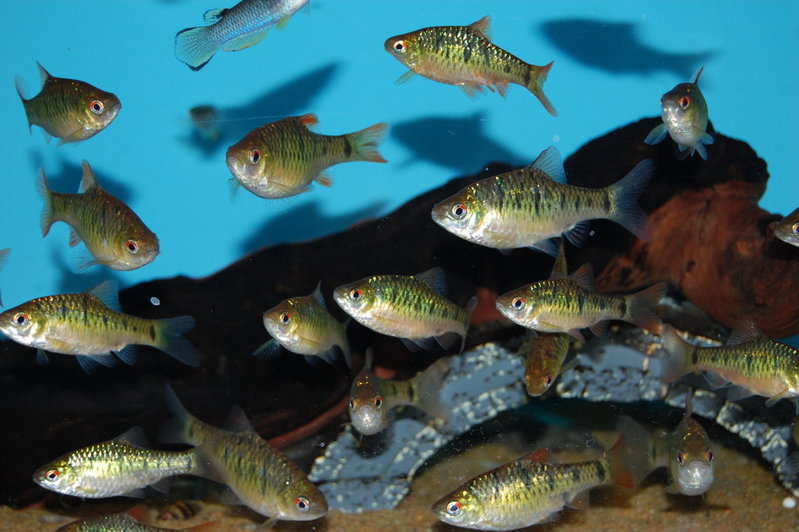
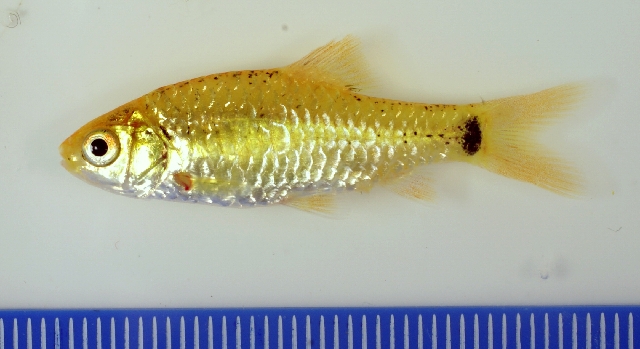
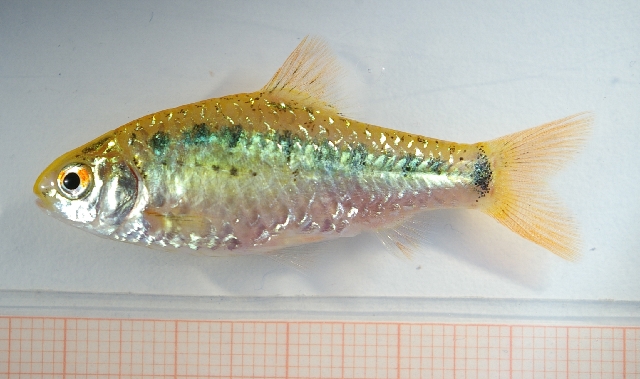
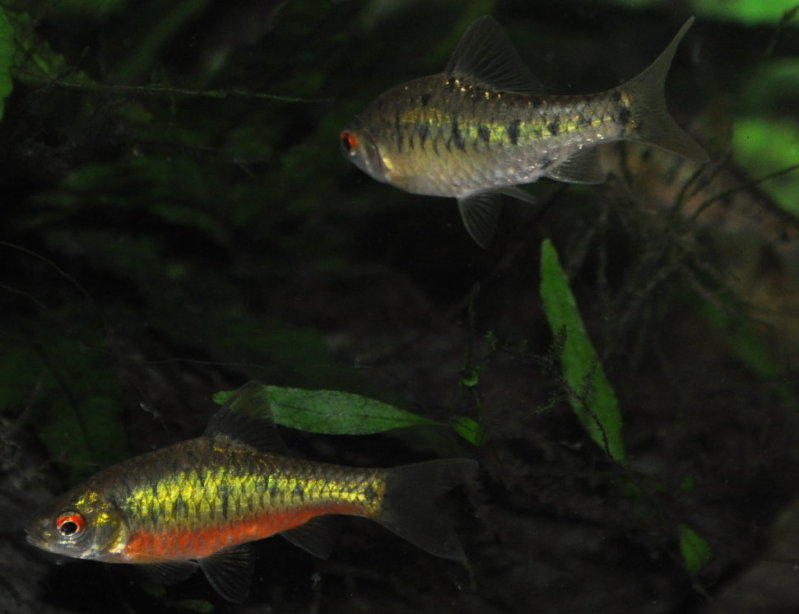
五线无须魮(Barbodes semifasciolatus)的自然体色偏绿,市场中更常见的金黄色个体则是人工选育品系。金色品系适应力强,较适合新手,但购买时仍应留意鳍缩小或体形异常等问题。
分布与栖息地
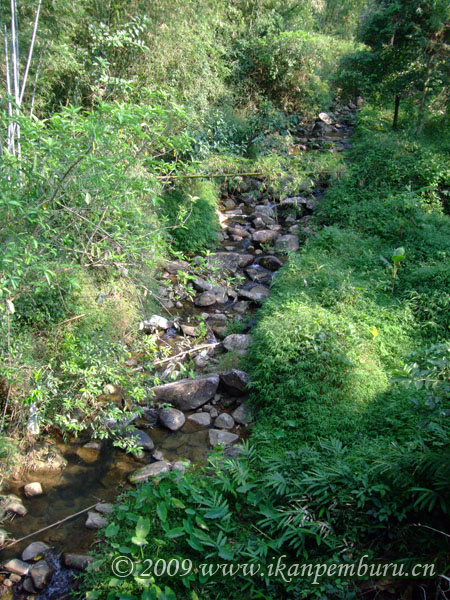
分布于越南、中国南部及台湾、老挝北部等地区,香港和海南也有记录。俄罗斯记录的原生性质尚不明确,新加坡和夏威夷则存在逸生种群。通常在缓流支流、沼泽、灌溉渠等水体活动,偏好水生或岸边植被茂密的地段,并在靠近底部的位置群游。
饲养环境
装饰并无严格要求,但深色底砂和茂密水草有助于显色。浮水植物、沉木根部和枝条可柔化光线,增加自然遮蔽。过滤不必很强,适量水流通常有益,也能适应溪流式布置。
食性与喂食
杂食,野外吃底部硅藻、藻类、有机碎屑和多种小型无脊椎动物。用优质薄片、颗粒搭配红虫、水蚤、丰年虾等饵料,至少部分干粮应含植物或藻类成分。
习性与混养
总体温和,可与体型相近、环境需求相容的温和鲤科鱼或合适的鳅类同养。建议八至十尾雌雄混群,配合其他群游鱼可增加安全感。雄鱼为吸引雌鱼或争取群体地位而展示时,体色往往更鲜明。
雌雄区分
雌鱼腹部较圆,通常略大。自然色雄鱼成熟后,身体下半部会出现红色;不能直接把这一辨识法套用于所有选育色型。
繁殖
可使用散卵型小型鲤科鱼的繁殖布置:另设昏暗成熟水缸,以细叶水草、产卵拖把、网格或玻璃珠保护卵,轻柔增氧。可尝试调养好的一两对亲鱼,或在更大空间群体繁殖;出现卵后及时移出成鱼。鱼苗早期准备纤毛虫级别食物,长大后改喂微虫及丰年虾幼体。
补充说明
金色品系并不是独立物种,也不是野生原色。商品或旧资料中使用的“Puntius schuberti”并非正式学名。部分商业鱼历经多代近交,选购时应关注体形和鳍的完整性,而不只看颜色。
图片
图片来自 SeriouslyFish,版权归各摄影者所有。
English
Overview
The natural coloration of Barbodes semifasciolatus is greenish; the familiar golden aquarium fish is a selectively bred form. That ornamental form is hardy and suitable for beginners, but shortened fins and other deformities can occur in commercial stock, so selection should include a careful look at body condition.
Distribution & habitat
Records include Vietnam, southern China, Taiwan and northern Laos, with occurrences on Hainan and in Hong Kong. Whether the Russian population is native is uncertain, while feral fish occur in Singapore and Hawaii. Quiet tributaries, swamps and irrigation waters with dense vegetation are typical habitats. Shoals commonly remain close to the bottom.
Aquarium setup
A dark substrate and dense planting enhance the display. Wood and floating vegetation break up the light and provide cover. Filtration need not create a strong current, though some circulation is appreciated and a stream-style layout can also work.
Diet & feeding
This omnivore uses diatoms, algae, debris and varied small invertebrates in nature. Combine prepared foods, including some with plant or algal ingredients, with regular small live or frozen foods.
Behaviour & compatibility
It is generally peaceful and can share a carefully selected community with similar-sized cyprinids or appropriate loaches. Keep eight to ten or more in a mixed-sex group. Other shoaling fish may add confidence, while displays between males bring out their best colors.
Sexual dimorphism
Females usually become slightly larger and fuller in the abdomen. Mature males of the natural form develop red on the lower body; that feature should not be assumed to apply equally to every selected color strain.
Breeding
A small-cyprinid egg-scattering arrangement offers a practical approach: use a separate dim aquarium with mature water, gentle aeration and fine plants, mops, mesh or marbles protecting the eggs. Well-conditioned pairs can be tried, or a group given additional room. Remove adults after eggs appear. Fry initially need microscopic foods before progressing to microworms and brine-shrimp nauplii.
Notes
The golden strain is neither a separate species nor the original wild color. The name “Puntius schuberti,” sometimes attached to it, has no standing as an official scientific name. Multigenerational inbreeding in commercial lines makes sound anatomy as important as attractive coloration when choosing fish.
来源
- https://www.seriouslyfish.com/species/barbodes-semifasciolatus(抓取于 2026-10-10)
barbodes-semifasciolatus · 文件: data/species/barbodes-semifasciolatus.md · 状态: 草稿