Barbodes banksi
概要
| 字段 | 值 |
|---|---|
| 类别 | 鱼 |
| 学名 | Barbodes banksi |
| 别名 | Puntius binotatus banksi、Puntius banksi、Systomus banksi |
| 分类 | 鲤形目 Cypriniformes › 鲤科 Cyprinidae › Barbodes |
| 水体 | 淡水 |
| 原产地 | 印度尼西亚、马来西亚、新加坡 |
| 成体体长 | 11 cm |
| 饲养难度 | 入门 |
| 最小水体 | 243 L |
| 最小缸长 | 120 cm |
| 群居方式 | 群游 |
| 外部数据 | seriouslyfish barbodes-banksi;fishbase 58398 |
| 食性 | 杂食 |
水质参数
| 参数 | 耐受范围 | 最适范围 | 单位 |
|---|---|---|---|
| 水温 | 22–28 | — | °C |
| pH | 6–7.5 | — | — |
| 总硬度 | 1–10 | — | dGH |
概述
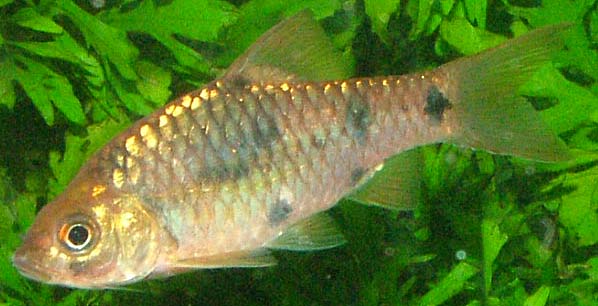
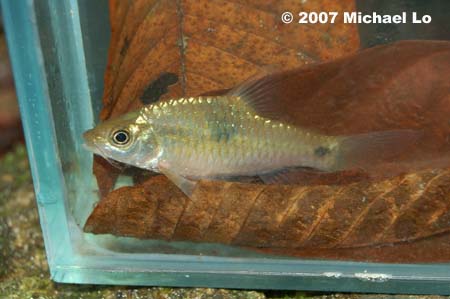
Barbodes banksi 是马来半岛及邻近岛屿水域的群居鲤科鱼,体侧背鳍下方通常有深色楔形斑。它与近似种的界限仍有讨论,饲养时应按活跃、需要群体和空间的鱼来安排,而不只依据花纹命名。
分布与栖息地
记录包括马来半岛、新加坡、婆罗洲西部,以及印度尼西亚的阿南巴斯和纳土纳群岛。婆罗洲分布涉及马来西亚砂拉越和印度尼西亚西加里曼丹的卡普阿斯河水系。
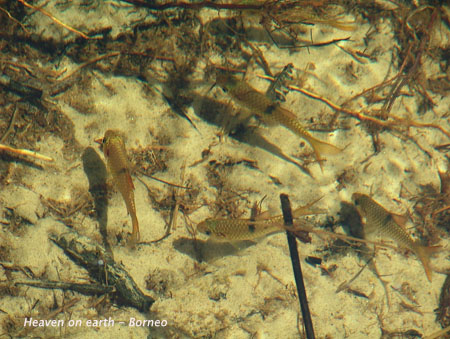
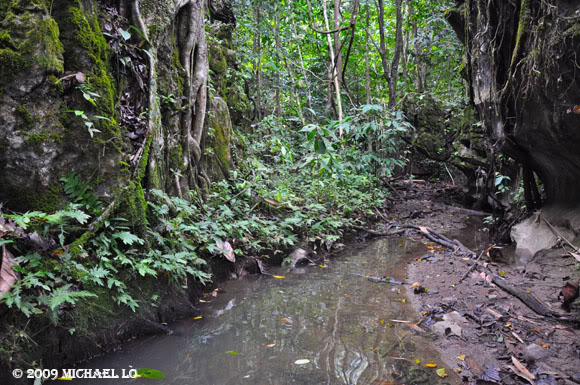
它利用多种环境,从清澈、富氧的丘陵急流和源头溪流,到灌溉渠、洪泛平原水塘、湖泊及沟渠。底部可为泥、砂、砾石或岩石,沉木、树根和落叶也常见。
饲养环境
缸底至少 120 × 45 cm。可用大小不同的圆滑石块、砂砾、根枝和沉木布置流水环境,耐受的附生水草可固定在装饰物上。不需要猛烈急流,但应有较高溶氧和适度水体循环,每周换水约 30–50%。
食性与喂食
属于觅食型杂食鱼,天然食物可能包括虫类、甲壳动物、植物物质及有机碎屑,具体比例尚不明确。人工环境下通常容易喂养,用适口干粮配合红虫、水蚤、丰年虾等小型活饵或冷冻饵,保持多样性。
习性与混养
适合与体型相近、温和且适应流水环境的鲤科鱼及合适鳅类共处。其他同伴也应大到不会被当作食物,并且不会被它的活跃活动吓得无法正常进食。
建议至少 6 尾。同种伙伴能减轻紧张,雄鱼之间的等级互动也较多在群体内部消化;仍需提供足够空间,不能以“群居”作为增加密度的理由。
雌雄区分
成熟雄鱼颜色更鲜明,繁殖状态下头部出现明显珠星。雌鱼一般稍大、体形也更厚实。
补充说明
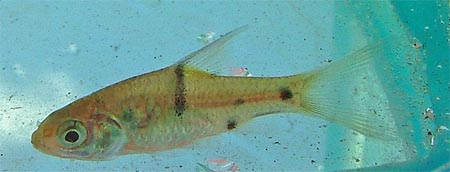
幼鱼楔形斑有时更像从背鳍根部向体侧延伸的竖条,部分成鱼也会保留。这一花纹与近似种体侧的圆斑有所区别,但两者是否只是同种的不同颜色类型仍有争议,因此旧名称不能直接当作确定的身份依据。
图片
图片来自 SeriouslyFish,版权归各摄影者所有。
English
Overview
A sociable, active cyprinid, Barbodes banksi typically shows a dark wedge beneath the dorsal fin. Its separation from a closely related form remains tentative. Adequate group size and swimming space are more useful care considerations than relying on a pattern-based sales label.
Distribution & habitat
Records cover Peninsular Malaysia, Singapore, western Borneo, and Indonesia's Anambas and Natuna islands. Bornean localities include Sarawak and the Kapuas drainage in West Kalimantan.
Habitats range from clean, well-oxygenated hill streams to irrigation channels, floodplain ponds, lakes, and ditches. Bottom materials vary widely, often accompanied by roots, wood, or leaves.
Aquarium setup
Provide at least a 120 by 45 cm footprint. A stream layout can combine rounded stones of different sizes, sand, gravel, and branches. Hardy plants attached to the furnishings are suitable. Violent flow is unnecessary, but maintain plentiful oxygen and moderate circulation. Weekly changes of about 30–50% are appropriate routine maintenance.
Diet & feeding
It is an omnivorous forager, probably consuming assorted small animals, plant material, and organic debris. The precise natural mixture remains tentative. In captivity, combine quality flakes or granules with regular small live or frozen bloodworms, water fleas, and brine shrimp.
Behaviour & compatibility
Peaceful river fishes of comparable size, including suitable cyprinids and loaches, make useful companions. Other choices must be large enough to avoid being viewed as food and confident enough to tolerate an active neighbor.
Keep at least six. Numbers reduce nervousness and direct much of the social interaction toward conspecific hierarchy. A group still requires sufficient room to avoid concentrating pressure on weaker individuals.
Sexual dimorphism
Adult males show stronger color and develop conspicuous head tubercles in breeding condition. Females tend to be slightly larger and more heavily built.
Notes
The wedge may appear as a vertical bar in young fish, sometimes persisting into adulthood. This differs from a similar form's flank spot, but the possibility that both represent color extremes of one species remains under discussion. Historical names and provenance are therefore relevant to identification.
来源
- https://www.seriouslyfish.com/species/barbodes-banksi(抓取于 2026-10-10)
barbodes-banksi · 文件: data/species/barbodes-banksi.md · 状态: 草稿