棒花鱼 · Chinese False Gudgeon
概要
| 字段 | 值 |
|---|---|
| 类别 | 鱼 |
| 学名 | Abbottina rivularis |
| 别名 | 江似鮈、棒花魚、Gobio rivularis、Tylognathus sinensis、Abbottina psegma |
| 分类 | 鲤形目 Cypriniformes › 鲤科 Cyprinidae › Abbottina |
| 水体 | 淡水 |
| 原产地 | 中国、日本、蒙古、韩国 |
| 成体体长 | 15 cm |
| 饲养难度 | 中等 |
| 最小水体 | 304 L |
| 最小缸长 | 150 cm |
| 群居方式 | 群游 |
| 外部数据 | seriouslyfish abbottina-rivularis;fishbase 22903 |
| 游动层 | 底层 |
| 食性 | 杂食 |
水质参数
| 参数 | 耐受范围 | 最适范围 | 单位 |
|---|---|---|---|
| 水温 | 16–24 | — | °C |
| pH | 6–8 | — | — |
| 总硬度 | 2–15 | — | dGH |
概述
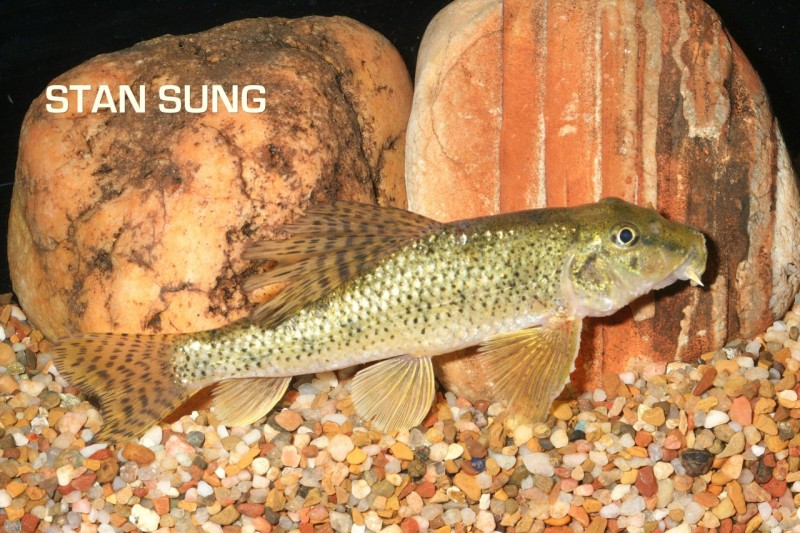
棒花鱼(Abbottina rivularis)是偏底层活动的鲤科鱼,进食积极,对环境的适应能力较强。挑选混养对象时要考虑抢食能力,不能只凭体型判断是否合适。
分布与栖息地
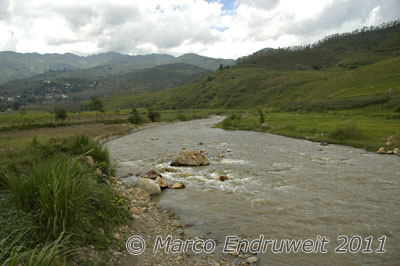
原生分布包括中国大陆、朝鲜半岛及日本南部。多见于河流底层,似乎偏好较浅、浑浊、缓流至中等流速的水段;被引入其他地区后,也能在湖泊和灌溉渠中建立种群。湄公河、萨尔温江等流域以及部分其他地区的记录涉及引入种群。
饲养环境
可用沙、细砾和大小不一的圆滑卵石营造缓流河道,穿插沉木根部、枝条及少量大石。耐养的附生水草可固定在石块或沉木上。布置时兼顾底部活动空间。
食性与喂食
野外主要摄食无脊椎动物,也刮食藻类和生物膜。可轮换投喂红虫、水蚯蚓、丰年虾、切碎的虾肉及优质沉底干粮,其中应包含带螺旋藻等植物成分的食物。
习性与混养
进食时动作很快,可能压制胆小或行动迟缓的鱼,使其吃不到足够食物,因此不适合随意加入普通混养缸。更合适的伙伴是体型相近、健壮且环境需求一致的鲤科鱼或底栖鱼。
雌雄区分
成熟雄鱼的背鳍比雌鱼大。
补充说明
本种在多地表现出入侵能力,不能把饲养个体释放到原生范围以外的自然水域。
图片
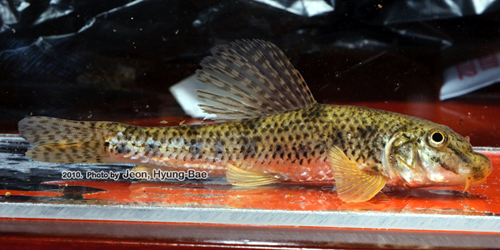
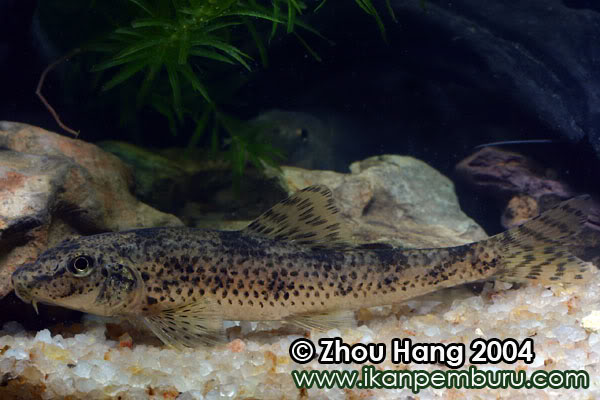
图片来自 SeriouslyFish,版权归各摄影者所有。
English
Overview
A bottom-oriented cyprinid, Abbottina rivularis is an energetic feeder whose behavior matters when choosing companions. Its ability to establish populations outside its original range also makes responsible containment particularly important.
Distribution & habitat
The native range covers mainland China, Korea and the southern part of Japan. River beds are its principal habitat, apparently especially shallow, turbid stretches with gentle to moderate currents. Introduced populations have also colonized lakes and irrigation channels. Records in several other regions, including the Mekong and Salween systems, reflect introductions rather than the original distribution.
Aquarium setup
Build a gently flowing river setting with sand, fine gravel and smooth stones of different sizes. A few larger rocks and pieces of branching wood can break up the layout. Tough plants attached to the hardscape are suitable additions, while the floor should remain usable by the fish.
Diet & feeding
Invertebrates form most of the natural diet, alongside grazing on algae and surface biofilms. Rotate animal foods such as chopped shrimp, bloodworms and brine shrimp with sinking prepared foods. Include some plant-containing foods, for example a product formulated with spirulina.
Behaviour & compatibility
A slow or timid companion can lose out at feeding time. This species is consequently a poor choice for an indiscriminate community. Robust fishes of comparable size, including suitable cyprinids and bottom dwellers, are better candidates provided their environmental needs agree.
Sexual dimorphism
The dorsal fin becomes larger in mature males than in females.
Notes
Established nonnative populations demonstrate the species' invasive potential. Aquarium fish must not be released into waters beyond their native range.
来源
- https://www.seriouslyfish.com/species/abbottina-rivularis(抓取于 2026-10-10)
abbottina-rivularis · 文件: data/species/abbottina-rivularis.md · 状态: 草稿