霍氏沙鳅 · Skunk Loach
概要
| 字段 | 值 |
|---|---|
| 类别 | 鱼 |
| 学名 | Yasuhikotakia morleti |
| 别名 | 莫尔沙鳅、穆尔沙鳅、霍氏沙鰍、莫爾沙鰍、Botia morleti |
| 分类 | 鲤形目 Cypriniformes › 沙鳅科 Botiidae › Yasuhikotakia |
| 水体 | 淡水 |
| 原产地 | 泰国、老挝、柬埔寨和越南的湄公河中下游,以及泰国湄南河、夜功河水系 |
| 成体体长 | 8.5 cm |
| 饲养难度 | 中等 |
| 最小水体 | 108 L |
| 最小缸长 | 120 cm |
| 群居方式 | 群游 |
| 特征 | 会跳缸: 是;翻底砂: 是 |
| 外部数据 | seriouslyfish yasuhikotakia-morleti;fishbase 11321 |
| 食性 | 肉食 |
水质参数
| 参数 | 耐受范围 | 最适范围 | 单位 |
|---|---|---|---|
| 水温 | 23–28 | — | °C |
| pH | 6–7.5 | — | — |
| 总硬度 | 2–12 | — | dGH |
概述
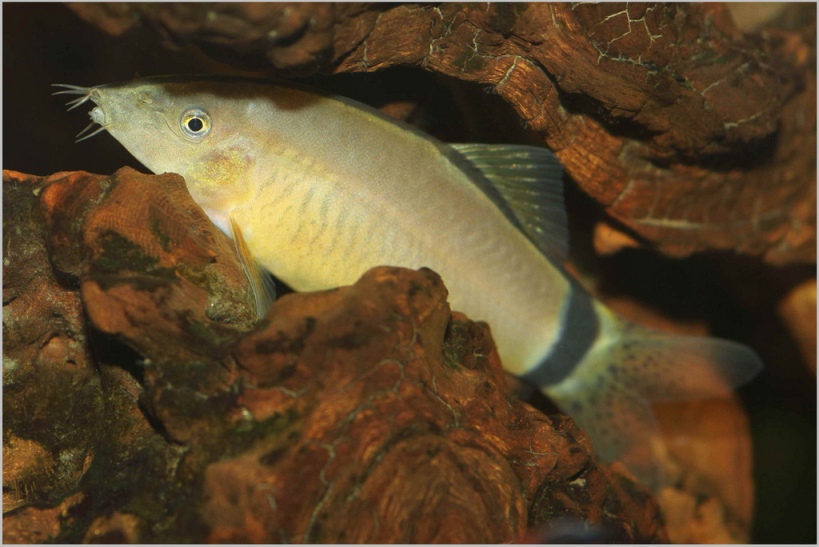
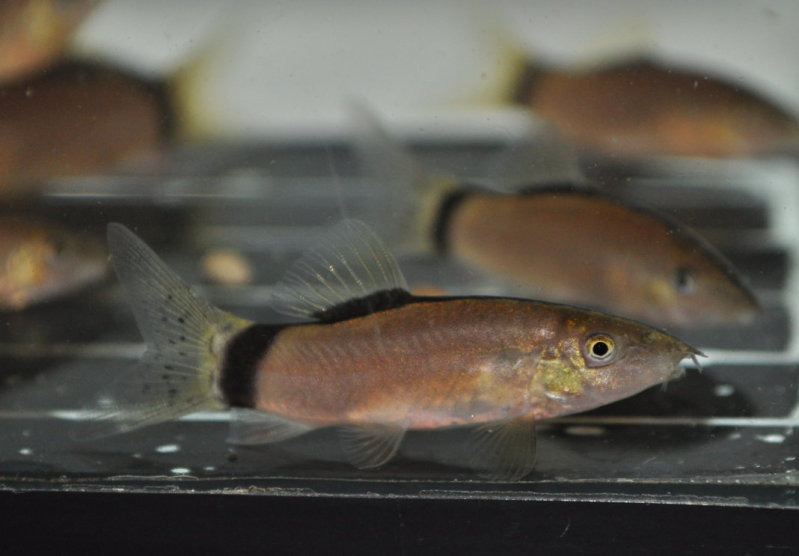
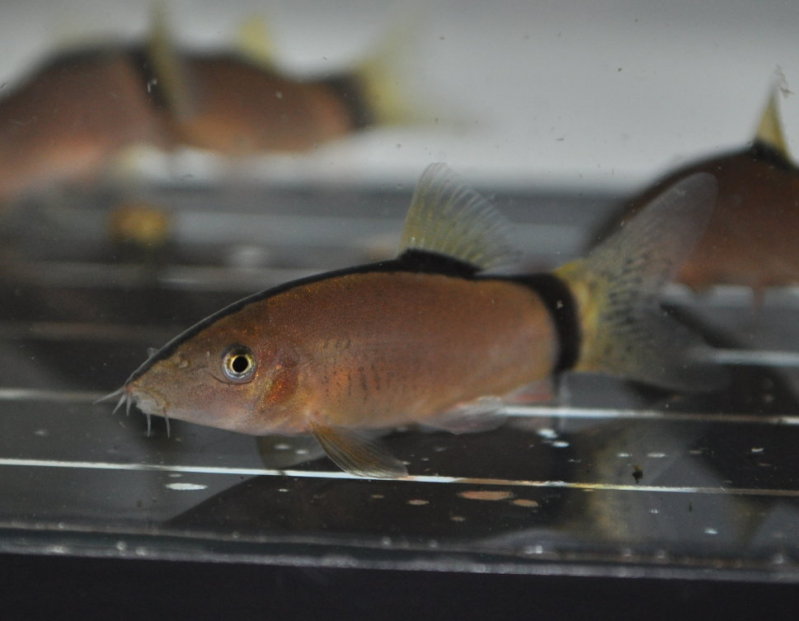
霍氏沙鳅(Yasuhikotakia morleti)背部有一条显眼暗纹,虽体形不算大,性格却可能相当好斗。它会咬鳍、骚扰缸友,小群饲养时尤其容易出问题,应为同种群体和强壮缸友准备足够空间。
分布与栖息地
原生范围包括泰国、老挝、柬埔寨、越南的湄公河中下游,以及泰国中西部湄南河、夜功河水系;市场鱼多为商业繁殖个体。
可生活在静水或流水中,躲在石缝,也会在岩石、树根等水下物体下面挖掘藏身。季节性迁移让它利用大河、支流及临时洪泛区等不同环境。
饲养环境
底面积至少约 120 × 30 cm。以细砂或细砾石为底,放入圆石、沉木、树根和多个藏身结构,配弱光及耐阴水草。排除卡鱼孔洞和尖锐边缘,缸盖必须贴合。
只放入已有成熟过滤的缸,维持富氧、适度流动的水体。无需制造极强急流,但必须避免有机废物堆积,每周换水约三至五成。
食性与喂食
天然食物包括水生软体动物和其他底栖无脊椎动物。缸内可轮换优质干饲料、红虫、水蚯蚓及丰年虾等,并加入黄瓜、焯菠菜、西葫芦等植物食物。少量切碎蚯蚓或混合凝胶饵可作补充。不能让它只靠吃螺生活,也不应把它当作可靠的灭螺办法。
习性与混养
不要因为个体较小就与温和底栖鱼混养。行动迟缓、长鳍鱼,以及安静的鼠鱼类都不合适。较强壮的沙鳅和活跃中上层鱼有成功混养经验,但不同个体的攻击程度存在差异,仍需留意被追逐者能否进食。
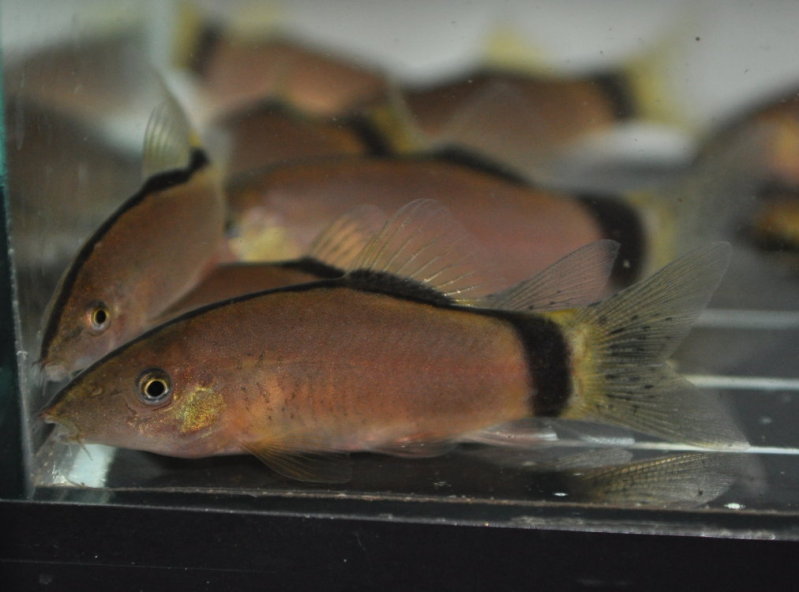
至少养五至六条,最好十条以上。群体会形成等级;独养可能畏缩或攻击形似鱼,两三条的小群则可能让强势个体持续压制同伴。丰富遮蔽与足够数量都很重要。
雌雄区分
成熟雌鱼通常更丰满,体形略大于雄鱼。
繁殖
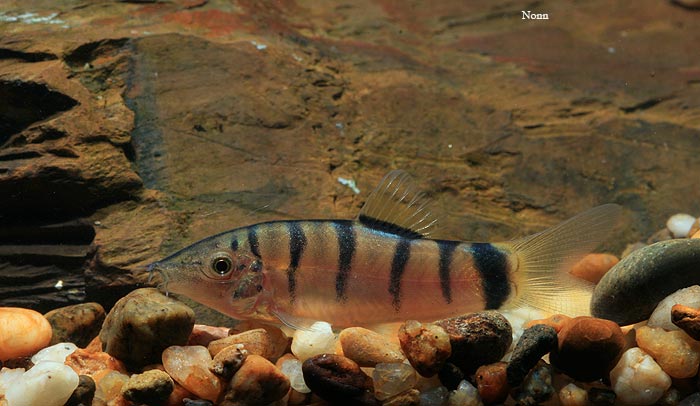
商业养殖中使用激素催产,但家庭水族箱繁殖尚无可靠成功记录。幼鱼身体两侧有暗竖带,成熟时渐淡;湄公河下游的幼鱼似乎会在十一月至十二月从支流和洪泛区转入主河道。
补充说明
背部暗纹是区别某些近似种的直观特征,幼鱼体侧的竖带不能当作成鱼终身保留的花纹。旧名中可见不同属名,不能只凭贸易标签判断身份。
同属鱼争位时会褪色,也可伴游、发出咔嗒声,或侧躺休息。单凭侧卧未必是病态;但新购个体持续消瘦需要关注。受惊竖起的眼下刺容易缠网或扎手,转移时要小心。
图片
图片来自 SeriouslyFish,版权归各摄影者所有。
English
Overview
Yasuhikotakia morleti has a conspicuous dark stripe along its back. Its modest size is misleading when choosing companions: fin biting and persistent harassment can be serious, particularly in small groups. Provide room for conspecific company and select sturdy tankmates carefully.
Distribution & habitat
Native populations occur in the middle and lower Mekong across Thailand, Laos, Cambodia, and Vietnam, and in Thailand's Chao Phraya and Mae Klong drainages. Most aquarium specimens are commercially produced.
Both still and flowing habitats are used. Fish occupy crevices or excavate beneath rocks, roots, and other submerged objects. Seasonal movement takes them between major channels, tributaries, and temporarily inundated areas.
Aquarium setup
A base of approximately 120 × 30 cm is the minimum starting point. Fine gravel or sand, rounded stones, and wood should provide numerous shelters. Use subdued lighting and suitable shade-tolerant plants. Remove sharp surfaces and openings that might trap fish, and fit a secure lid.
Introduce them only to a mature aquarium with good oxygenation and some circulation. Extreme turbulence is unnecessary, but organic waste must not accumulate. Change roughly 30–50% of the water each week.
Diet & feeding
Natural food includes aquatic mollusks and other bottom-dwelling invertebrates. In captivity, rotate good dry foods with worms and brine shrimp, adding plant items such as cucumber, blanched spinach, or zucchini. Small amounts of chopped earthworm and mixed gel foods can supplement this menu. Resident snails are neither a complete food supply nor a reason to expect dependable pest control.
Behaviour & compatibility
Do not house it with quiet bottom fishes merely because it stays relatively small. Slow swimmers, long fins, and peaceful cory-type catfishes are unsuitable. Robust loaches and active open-water fishes have been kept successfully, but aggression varies among individuals. Watch whether targeted companions can still feed.
Maintain at least five or six, ideally ten or more. Groups establish social ranks. Isolated individuals may become withdrawn or attack similar-looking fishes, while a dominant member of a pair or trio can repeatedly suppress its companions. Ample cover and sufficient group size are both important.
Sexual dimorphism
Mature females are typically fuller and somewhat larger than males.
Breeding
Commercial production involves hormone-assisted spawning, but reliable home-aquarium breeding has not been reported. Juveniles carry vertical flank bars that fade as they mature. In the lower Mekong, young apparently leave tributaries and floodplains for the main channel around November and December.
Notes
The dark dorsal stripe is a useful distinction from similar fishes. Juvenile flank bars should not be mistaken for permanent adult markings. Older names may use a different genus, so trade labels alone are insufficient for identification.
Related loaches can lose color during rank disputes, shadow one another, click, and rest sideways. A sideways posture alone need not indicate disease, although continuing weight loss in newly acquired fish warrants attention. Erectable eye spines can catch in nets or puncture skin during handling.
来源
- https://www.seriouslyfish.com/species/yasuhikotakia-morleti(抓取于 2026-10-10)
yasuhikotakia-morleti · 文件: data/species/yasuhikotakia-morleti.md · 状态: 草稿