黄鳍沙鳅 · Silver Loach
概要
| 字段 | 值 |
|---|---|
| 类别 | 鱼 |
| 学名 | Yasuhikotakia lecontei |
| 别名 | 黃鰭沙鰍、Botia lecontei、Botia pulchripinnis |
| 分类 | 鲤形目 Cypriniformes › 沙鳅科 Botiidae › Yasuhikotakia |
| 水体 | 淡水 |
| 原产地 | 泰国、老挝、柬埔寨和越南的湄公河中下游,以及泰国湄南河、夜功河水系 |
| 成体体长 | 15 cm |
| 饲养难度 | 中等 |
| 最小水体 | 243 L |
| 最小缸长 | 120 cm |
| 群居方式 | 群游 |
| 特征 | 会跳缸: 是 |
| 外部数据 | seriouslyfish yasuhikotakia-lecontei;fishbase 12251 |
| 游动层 | 底层 |
| 食性 | 肉食 |
水质参数
| 参数 | 耐受范围 | 最适范围 | 单位 |
|---|---|---|---|
| 水温 | 23–28 | — | °C |
| pH | 6–8 | — | — |
| 总硬度 | 2–12 | — | dGH |
概述
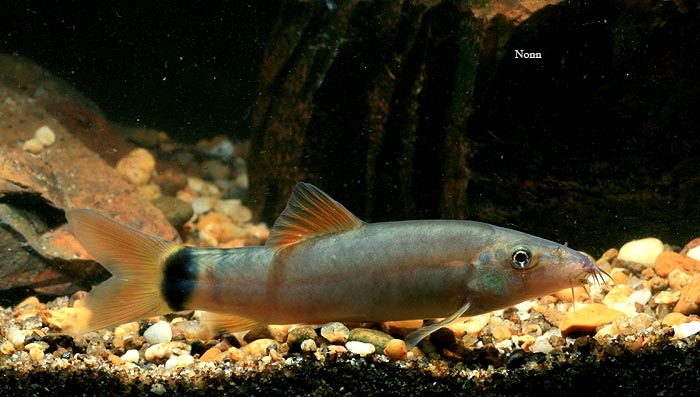
黄鳍沙鳅(Yasuhikotakia lecontei)体形较修长,身体通常呈褐色并带金绿光泽。它在昏暗时段和夜间觅食,饲养者认为比部分同属鱼温和,但仍需要群体生活,不能当作安静独居的“清洁鱼”。
分布与栖息地
见于泰国、老挝、柬埔寨和越南的湄公河中下游,也分布在泰国中西部的湄南河及夜功河水系。生活于流动河流的底层,白天藏在石块、树根及其他水下物体之间,傍晚以后出来觅食。
饲养环境
底面积至少约 120 × 45 cm。以细砂或细砾石配圆石、沉木和树根,留出许多可藏身的地方。弱光或耐阴水草形成的阴影适合它的活动节律。避免锐边,封住会卡鱼的小孔,缸盖要严密。
待过滤系统成熟后再饲养,维持充足溶氧及适度水流,避免有机废物累积。每周换水约三至五成,不必用猛烈急流代替清洁维护。
食性与喂食
自然食物主要是水生软体动物和其他底栖无脊椎动物。缸内提供多样化菜单,可轮换优质干饲料、红虫、水蚯蚓、丰年虾,并适量补充黄瓜、焯菠菜或西葫芦。切碎蚯蚓宜少量,混合凝胶饵也可采用。不要仅靠缸内螺类供食,或预期它能彻底清除螺害。
习性与混养
相比东方沙鳅(Yasuhikotakia eos)和霍氏沙鳅(Yasuhikotakia morleti),它据饲养经验较温和,但仍应避开慢游和长鳍鱼。活跃的中上层鲤科鱼是较合适的选择,其他底栖鱼也要逐种评估。
同种至少五至六条,最好十条以上。群内会形成等级,独养可能畏缩或攻击相似鱼,两三条小群则可能让弱势成员持续受压而无法正常吃食。
雌雄区分
成熟雌鱼一般较丰满,并比雄鱼略大。
繁殖
野外雨季初期迁入支流繁殖,幼鱼在早期留居支流,十一月至十二月随支流水量下降回到常年河道。幼鱼的暗竖带会逐渐淡去。尚无可靠的私人水族箱繁殖记录,不能把同属其他种的商业繁殖办法直接套用到本种。
补充说明
容易与橙鳍沙鳅(Yasuhikotakia modesta)混淆,但本种更修长,尾柄两侧暗斑多为圆形,通常不在腹面相接。多数个体鳍色偏黄,也有橙红鳍型,不能单凭鳍色鉴种;所谓“蓝鳍”型的身份仍有疑问。
同属鱼可能侧卧休息、伴游或在争位时褪色。捞取时需注意可竖起的眼下刺,避免缠网和刺伤。
图片
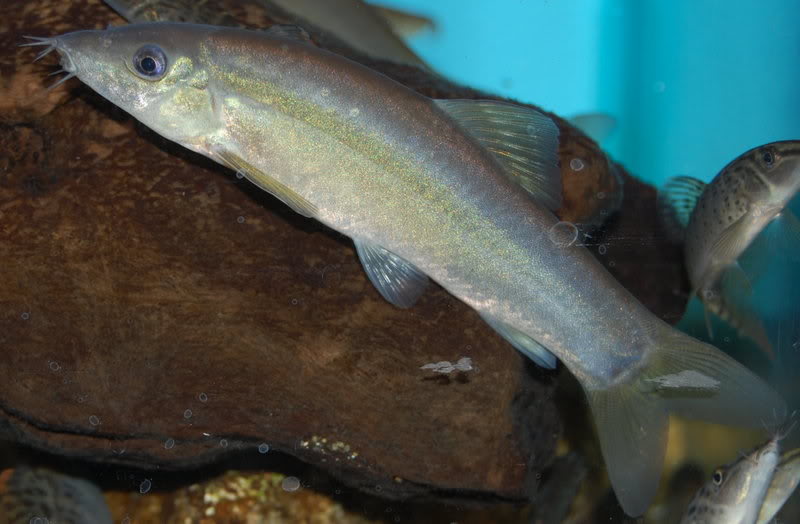
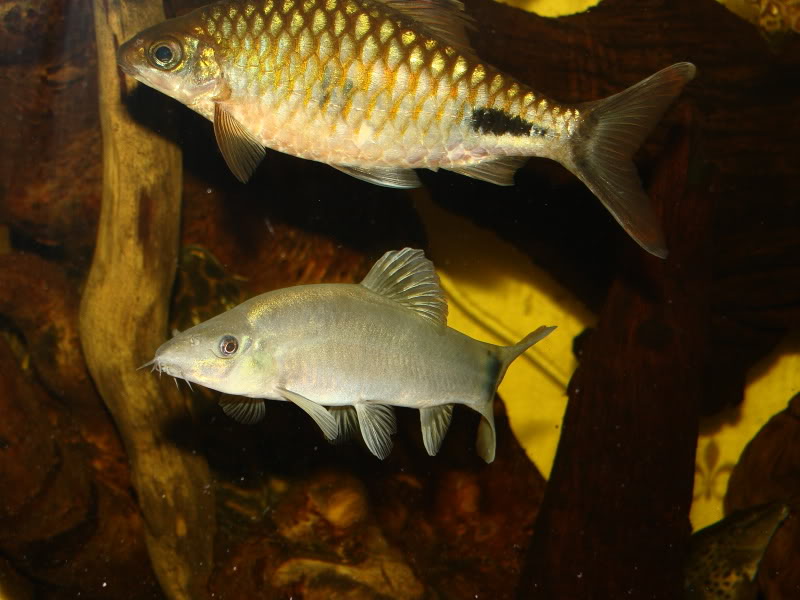
图片来自 SeriouslyFish,版权归各摄影者所有。
English
Overview
Yasuhikotakia lecontei is an elongated loach, usually brownish with golden-green reflections. It forages at dusk and after dark. Its relatively mild reputation does not remove the need for companions of its own kind or make it a solitary aquarium cleaner.
Distribution & habitat
It occurs through the middle and lower Mekong in Thailand, Laos, Cambodia, and Vietnam, as well as Thailand's Chao Phraya and Mae Klong systems. This is a bottom-dwelling fish of flowing rivers. Rocks, roots, and submerged objects provide daytime shelter before nocturnal foraging begins.
Aquarium setup
Provide a base around 120 × 45 cm or larger. Fine substrate, rounded rocks, and branching wood should create numerous hiding places. Dim light or shade from suitable plants accommodates its activity pattern. Eliminate sharp edges and trapping openings, and fit the aquarium with a secure cover.
The biological filter should be fully established. Supply ample oxygen and some flow while preventing organic waste buildup. Weekly water changes of approximately 30–50% remain necessary; powerful current is not a substitute for maintenance.
Diet & feeding
Natural prey consists principally of aquatic mollusks and other bottom-living invertebrates. Offer a varied captive diet using quality dry foods, worms, and brine shrimp, supplemented with cucumber, blanched spinach, or zucchini. Chopped earthworm should be used sparingly, and mixed gel foods are suitable additions. Neither relying on resident snails for nutrition nor expecting complete snail eradication is appropriate.
Behaviour & compatibility
Aquarium experience suggests a milder disposition than Yasuhikotakia eos or Yasuhikotakia morleti. Even so, slow and long-finned fishes remain unsuitable candidates. Active open-water cyprinids are more promising, while bottom-dwelling companions require individual assessment.
Keep at least five or six, ideally ten or more. Social rankings develop within the group. Isolated fish can withdraw or attack similar-looking species; a pair or trio risks concentrating harassment on subordinates until their feeding suffers.
Sexual dimorphism
Mature females are typically fuller-bodied and a little larger than males.
Breeding
Adults enter tributaries around the beginning of the wet season to reproduce. Young remain there initially, returning to permanent channels around November and December as flow decreases. Their dark juvenile bars fade with age. Reliable private-aquarium spawning has not been reported, and commercial techniques used for other members of the genus cannot automatically be transferred here.
Notes
Compared with Yasuhikotakia modesta, this species is slimmer. Its rounded dark marks on the sides of the tail base generally do not join underneath. Fins are commonly yellowish, but reddish-orange forms occur, so fin color alone is insufficient for identification. The identity of a so-called blue-fin form remains uncertain.
Related loaches may rest on their sides, follow each other's movements, or pale during rank disputes. Take care with erectable spines below the eyes when moving fish, since they can catch netting or injure hands.
来源
- https://www.seriouslyfish.com/species/yasuhikotakia-lecontei(抓取于 2026-10-10)
yasuhikotakia-lecontei · 文件: data/species/yasuhikotakia-lecontei.md · 状态: 草稿