东方沙鳅 · Sun Loach
概要
| 字段 | 值 |
|---|---|
| 类别 | 鱼 |
| 学名 | Yasuhikotakia eos |
| 别名 | 東方沙鰍、Botia eos |
| 分类 | 鲤形目 Cypriniformes › 沙鳅科 Botiidae › Yasuhikotakia |
| 水体 | 淡水 |
| 原产地 | 老挝、柬埔寨、泰国的湄公河中下游及越南同奈河等水系 |
| 成体体长 | 11 cm |
| 饲养难度 | 中等 |
| 最小水体 | 108 L |
| 最小缸长 | 120 cm |
| 群居方式 | 群游 |
| 特征 | 会跳缸: 是 |
| 外部数据 | seriouslyfish yasuhikotakia-eos;fishbase 26854 |
水质参数
| 参数 | 耐受范围 | 最适范围 | 单位 |
|---|---|---|---|
| 水温 | 23–28 | — | °C |
| pH | 6–7.5 | — | — |
| 总硬度 | 2–12 | — | dGH |
概述
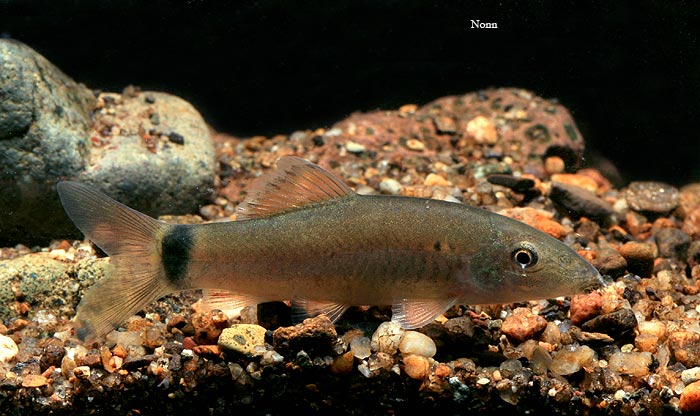
东方沙鳅(Yasuhikotakia eos)身体泛金属光泽,尾柄两侧有大块暗斑。它的攻击性不能忽略,尤其空间和藏身处不足时会强烈守域,只适合有充分遮蔽的大型混养环境。
分布与栖息地
原生于老挝、柬埔寨和泰国的湄公河中下游,也见于越南南部同奈河等水系。自然记录既描述中大型河流中水急、卵石巨石丰富的地段,也提到砂泥底,这可能与季节性栖地变化有关。
饲养环境
底面积至少约 120 × 30 cm,混养时尤其要有充足空间及多个独立藏身处。用细砂或细砾石配圆滑石块、沉木和树根,弱光及耐阴水草可帮助遮蔽。排除会卡住鱼的孔洞和尖锐边缘,盖紧缸盖。
使用成熟过滤,保持良好供氧和适度流动,不必制造持续猛烈水流。对有机废物积累的耐受差,每周换水约三至五成,不能放入尚未稳定的新缸。
食性与喂食
同属鱼偏向动物性食物,也摄食植物材料。缸内可轮换优质干饲料、红虫、水蚯蚓及丰年虾,并补充黄瓜、瓜类或焯菠菜。切碎蚯蚓少量使用,多种原料制成的凝胶饵也可加入菜单。柔软水草可能被啃食,也不应把沙鳅当成专门除螺鱼。
习性与混养
空间或遮蔽短缺会显著加重领域冲突。即使在大缸中,也应避开慢游和长鳍鱼,选择体格健壮、活跃的中上层鱼。与其他同属鱼成功混养的经验多发生在同种数量充足时,群内互动可分散对外攻击,但不能保证没有冲突。
同种至少五至六条,最好十条以上。独养可能躲藏或过度攻击相近体形的鱼;两三条小群可能使弱势鱼被压制到拒食。
雌雄区分
成熟雌鱼较丰满,通常稍大。繁殖状态雄鱼据报道身体转为深蓝,背鳍有红边。
繁殖
湄公河种群在雨季开始时进入支流繁殖,幼鱼早期留在支流,十一月至十二月随水量减少而转入常年河道。幼鱼侧面的暗竖带会随成熟淡去。家庭缸中尚无可靠成功记录,不能假定一般布缸即可重现这一季节过程。
补充说明
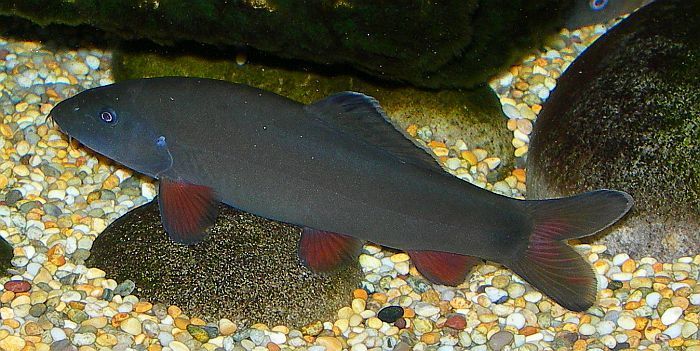
体色可从黄色到红褐色,带绿、蓝或金色光泽;新到缸或运输后的个体可能偏灰。尾柄两侧的大暗斑较有辨识度,鳍色则可从黄到红变化。
同属鱼常见争位褪色、伴游和发声,也可能侧躺休息。眼下硬刺在受惊时竖起,可缠网和扎手;持续消瘦不能仅用一个俗称确定病因。
图片
图片来自 SeriouslyFish,版权归各摄影者所有。
English
Overview
Yasuhikotakia eos has a metallic sheen and prominent dark patches on the sides of its tail base. Aggression is a significant consideration. Limited space or shelter can provoke intense territorial behavior, restricting it to spacious, well-furnished communities of sturdy fishes.
Distribution & habitat
The range includes the middle and lower Mekong in Laos, Cambodia, and Thailand, plus other systems such as the Dong Nai in southern Vietnam. Habitat accounts describe both fast sections of medium or large rivers over cobbles and boulders and areas with sand or mud. Seasonal movement may partly explain these differences.
Aquarium setup
A footprint near 120 × 30 cm is a starting minimum; mixed communities particularly need room and numerous separate retreats. Combine fine substrate with smooth stones, wood, and roots. Dim lighting and shade-tolerant plants add shelter. Remove trapping holes and sharp surfaces, and secure the lid.
Provide an established filter, ample oxygen, and moderate circulation rather than constant violent flow. Organic accumulation is poorly tolerated. Replace approximately 30–50% of the water weekly and avoid immature aquariums.
Diet & feeding
The genus favors animal items but also consumes plant matter. A varied aquarium menu can include good dry foods, worms, and brine shrimp, with cucumber, melon, or blanched spinach. Chopped earthworm is an occasional supplement, and mixed gel food is another option. Soft plants may be damaged. These loaches should not be regarded as dedicated snail removers.
Behaviour & compatibility
Shortages of space or shelter intensify territorial disputes. Even generous housing does not make slow or long-finned fish appropriate companions. Sturdy, active open-water species are more suitable. Successful combinations with related loaches have generally involved substantial conspecific groups, which may keep more aggression within the group without eliminating conflict.
Keep at least five or six, preferably ten or more. Single fish may hide excessively or attack similarly shaped companions, whereas pairs or trios can leave subordinates under pressure severe enough to stop feeding.
Sexual dimorphism
Mature females are fuller and usually slightly larger. Breeding males reportedly develop a deep blue body and a red edge on the dorsal fin.
Breeding
Mekong fish move into tributaries when the rains begin to reproduce. Young remain there initially, shifting into permanent channels around November and December as tributary flow declines. Juvenile flank bars fade with maturity. Reliable reproduction in private aquariums has not been documented; ordinary housing should not be assumed to reproduce this seasonal cycle.
Notes
Base color ranges from yellow to reddish brown with green, blue, or golden reflections. Recently transported or introduced fish may look gray. Large tail-base patches aid recognition, while fins vary from yellow to red.
Related loaches can pale during social disputes, shadow one another, produce clicks, and rest sideways. Erectable spines beneath the eyes can snag nets and puncture skin. Persistent wasting does not identify a particular disease simply because it has an informal name.
来源
- https://www.seriouslyfish.com/species/yasuhikotakia-eos(抓取于 2026-10-10)
yasuhikotakia-eos · 文件: data/species/yasuhikotakia-eos.md · 状态: 草稿