尾斑沙鳅 · Speckle-tailed Loach
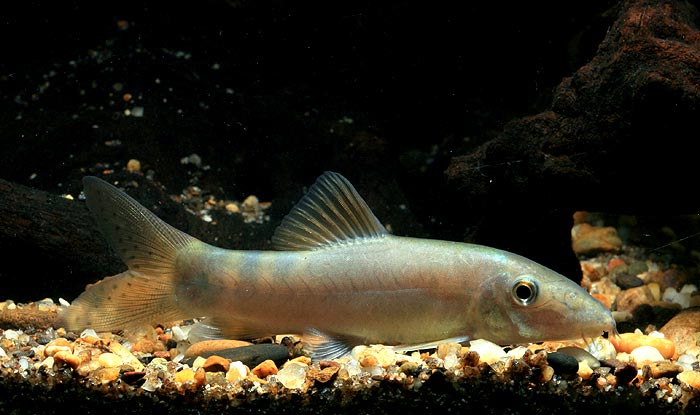
概要
| 字段 | 值 |
|---|---|
| 类别 | 鱼 |
| 学名 | Yasuhikotakia caudipunctata |
| 别名 | 尾斑沙鰍、Botia caudipunctata |
| 分类 | 鲤形目 Cypriniformes › 沙鳅科 Botiidae › Yasuhikotakia |
| 水体 | 淡水 |
| 原产地 | 老挝湄公河水系的巴色及万象一带 |
| 成体体长 | 10 cm |
| 饲养难度 | 中等 |
| 最小水体 | 108 L |
| 最小缸长 | 120 cm |
| 群居方式 | 群游 |
| 特征 | 会跳缸: 是 |
| 外部数据 | seriouslyfish yasuhikotakia-caudipunctata;fishbase 50387 |
水质参数
| 参数 | 耐受范围 | 最适范围 | 单位 |
|---|---|---|---|
| 水温 | 23–30 | — | °C |
| pH | 6–7.5 | — | — |
| 总硬度 | 1–12 | — | dGH |
概述
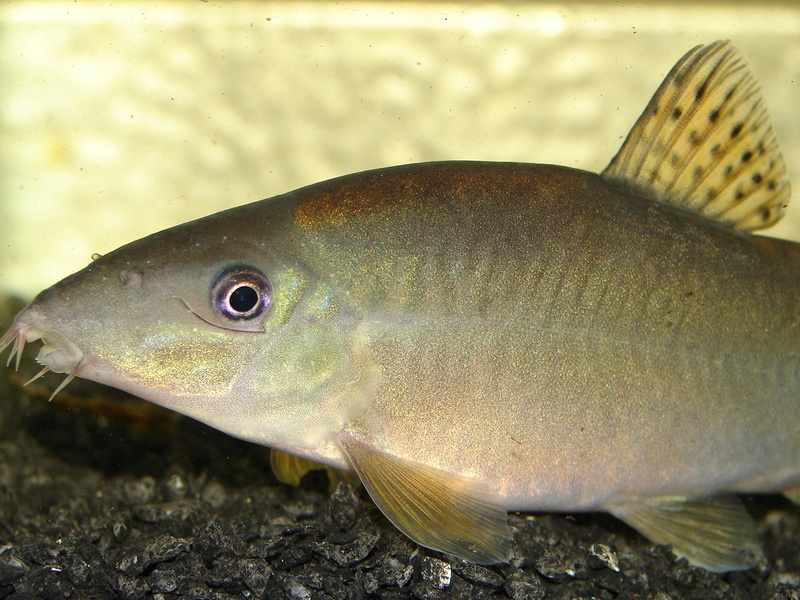
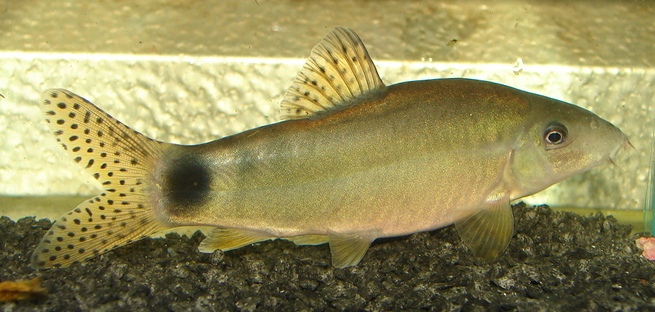
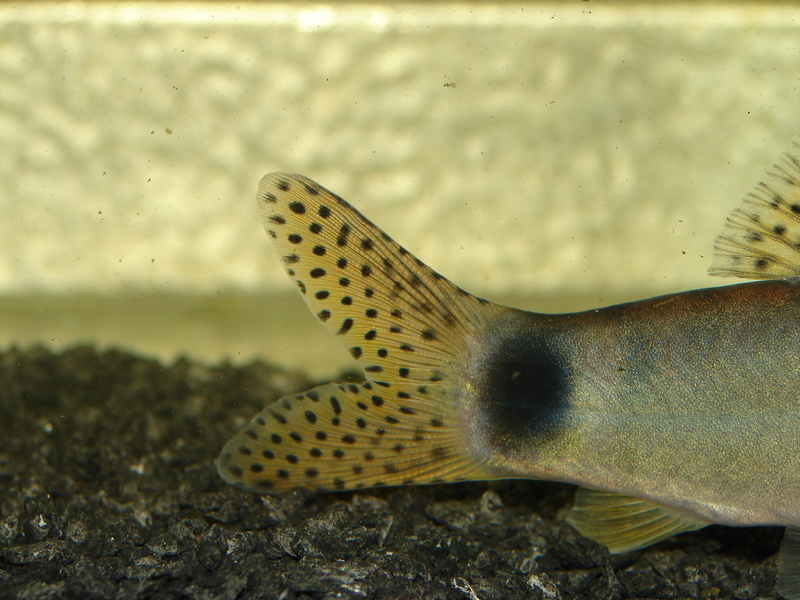
尾斑沙鳅(Yasuhikotakia caudipunctata)在背鳍、尾鳍上有许多小暗斑,与一些外形相似的沙鳅容易混淆。饲养者通常认为它比部分同属鱼温和,但仍需要成群、足够底面积和丰富的藏身处。
分布与栖息地
确切记录来自老挝湄公河流域,采集地点包括巴色及万象附近。可能也进入泰国东部的湄公河支流,但不能将这一推测视为已确认分布。
具体栖地尚未确认,推测偏好清澈、富氧、有水流的石砾底河段;近似种的季节性迁移与栖地变化不能直接当成本种已知习性。
饲养环境
底面积至少约 120 × 30 cm,以细砂、细砾石、圆滑石块和沉木形成多处遮蔽。可在弱光下配置耐阴水草,避免尖锐装饰及能卡鱼的小孔。缸盖应贴合,防止跳出。
待过滤成熟后再入鱼,维持良好溶氧及适度流动,无需极强水流。每周换水约三至五成,防止有机废物积聚。
食性与喂食
可使用同属沙鳅常用的混合菜单:优质干饲料与红虫、水蚯蚓、丰年虾等轮换,并加入黄瓜、焯菠菜或西葫芦。切碎蚯蚓少量喂,天然材料制成的凝胶饵也适用。同属鱼可能啃柔软水草;会吃螺并不代表适合用来清除螺害。
习性与混养
相对温和的评价来自饲养经验,不代表能与所有鱼安全混养。慢游、长鳍鱼仍宜避开,活跃的中上层鲤科鱼较合适,其他底栖鱼需挑选体形和性情匹配的种类。
按同属群居习性,至少饲养五至六条,最好十条以上。仅一条可能畏缩或攻击相似鱼,两三条则容易让弱势鱼承受集中压力而停止进食。
雌雄区分
成熟雌鱼通常更丰满,体形也略大。
繁殖
尚无可靠的家庭水族箱繁殖记录,也不能把部分同属种的商业激素繁殖方法视作本种已成熟的繁殖途径。
补充说明
与闪光沙鳅(Yasuhikotakia splendida)相比,本种背鳍和尾鳍均有小暗斑,尾柄暗纹较模糊;闪光沙鳅尾柄的完整暗环及尾鳍较大的斑点更醒目。
同属鱼可能伴游、争位时褪色、兴奋时发声,或侧躺在遮蔽物旁休息,单凭姿势不必立即判为生病。转移时注意眼下硬刺会缠网或扎手;新鱼持续消瘦则需要另行留意。
图片
图片来自 SeriouslyFish,版权归各摄影者所有。
English
Overview
Yasuhikotakia caudipunctata carries numerous small spots in both its dorsal and tail fins. Similar loaches are easily confused. Keepers generally describe it as less confrontational than some relatives, but a social group, adequate floor space, and plentiful shelter are still necessary.
Distribution & habitat
Confirmed localities lie in the Lao Mekong drainage around Pakse and Vientiane. Extension into eastern Thai tributaries is plausible but unconfirmed.
Its precise habitat has not been established. Clear, oxygen-rich river reaches over stones or gravel are presumed suitable natural settings; the migrations of similar species should not be presented as demonstrated behavior of this fish.
Aquarium setup
Start with a footprint of approximately 120 × 30 cm. Sand or fine gravel, smooth stones, and wood can form multiple retreats. Low-light plants add shade. Remove sharp edges and openings that could trap a fish, and use a close-fitting lid.
Introduce the group into a biologically established aquarium with ample oxygen and moderate circulation. Extreme current is unnecessary. Routine weekly water replacement of around 30–50% helps prevent organic waste from accumulating.
Diet & feeding
Use the varied feeding approach recommended for related loaches: alternate quality dry products with worms and brine shrimp, and include cucumber, blanched spinach, or zucchini. Offer chopped earthworm sparingly; mixed gel foods provide another option. Relatives may damage soft plants and eat snails, but they should not be acquired as a snail-control solution.
Behaviour & compatibility
Its relatively mild reputation comes from aquarium experience and does not guarantee universal compatibility. Avoid slow or long-finned fishes. Active open-water cyprinids are better candidates, while other bottom fishes need to match its size and behavior.
Following the social requirements of the genus, provide at least five or six, preferably ten or more. Isolation can encourage withdrawal or aggression toward similar fishes. A pair or trio may leave weaker individuals under enough pressure to stop eating.
Sexual dimorphism
Mature females generally become fuller and slightly larger than males.
Breeding
Reliable home-aquarium spawning has not been reported. Commercial hormone-assisted production of some relatives does not establish a breeding method for this species.
Notes
Compared with Yasuhikotakia splendida, this fish has small spots in both dorsal and caudal fins and a less distinct marking on the tail base. The other species has a conspicuous complete dark ring and larger tail-fin spots.
Related loaches may follow one another closely, pale during rank disputes, click when excited, or rest on their sides. An unusual resting angle alone is not necessarily illness. Movable eye spines can catch in nets or prick hands; persistent wasting in newly obtained fish warrants separate attention.
来源
ID:yasuhikotakia-caudipunctata · 文件: data/species/yasuhikotakia-caudipunctata.md · 状态: 草稿