熊猫鳅 · Panda Loach
概要
| 字段 | 值 |
|---|---|
| 类别 | 鱼 |
| 学名 | Yaoshania pachychilus |
| 别名 | 厚唇原吸鰍、Protomyzon pachychilus、厚唇原吸鳅 |
| 分类 | 鲤形目 Cypriniformes › 爬鳅科 Balitoridae › Yaoshania |
| 水体 | 淡水 |
| 原产地 | 中国 |
| 成体体长 | 6 cm |
| 饲养难度 | 中等 |
| 最小水体 | 54 L |
| 最小缸长 | 60 cm |
| 群居方式 | 群游 |
| 领地性 | 是 |
| 水流偏好 | 高 |
| 特征 | 会跳缸: 是 |
| 外部数据 | seriouslyfish yaoshania-pachychilus;fishbase 60401 |
| 游动层 | 底层 |
水质参数
| 参数 | 耐受范围 | 最适范围 | 单位 |
|---|---|---|---|
| 水温 | 15.5–24 | — | °C |
| pH | 6.5–7.5 | — | — |
| 总硬度 | 2–15 | — | dGH |
概述
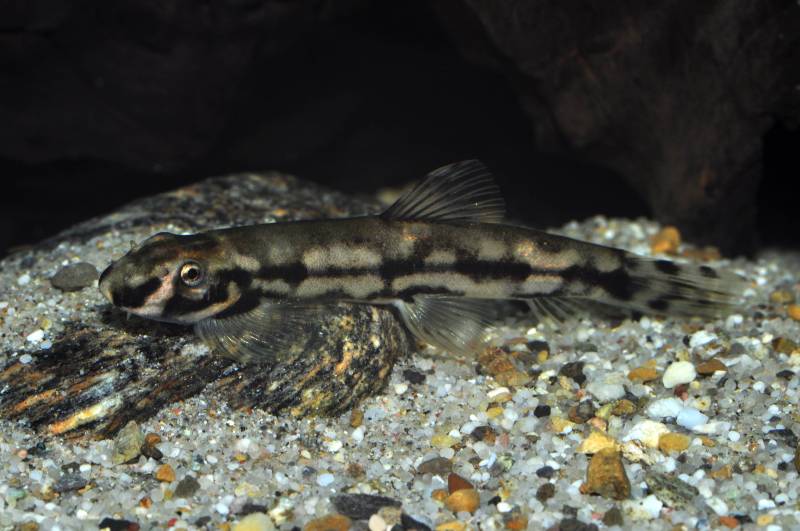
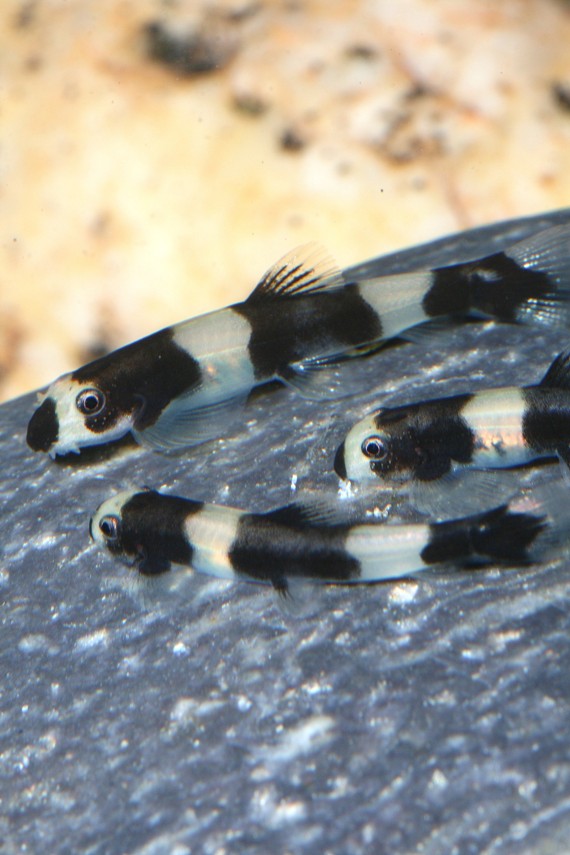
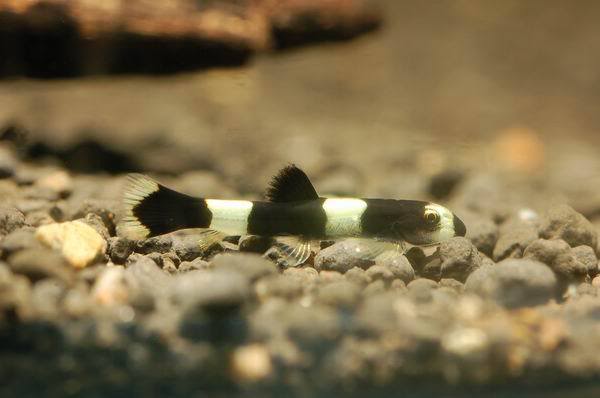
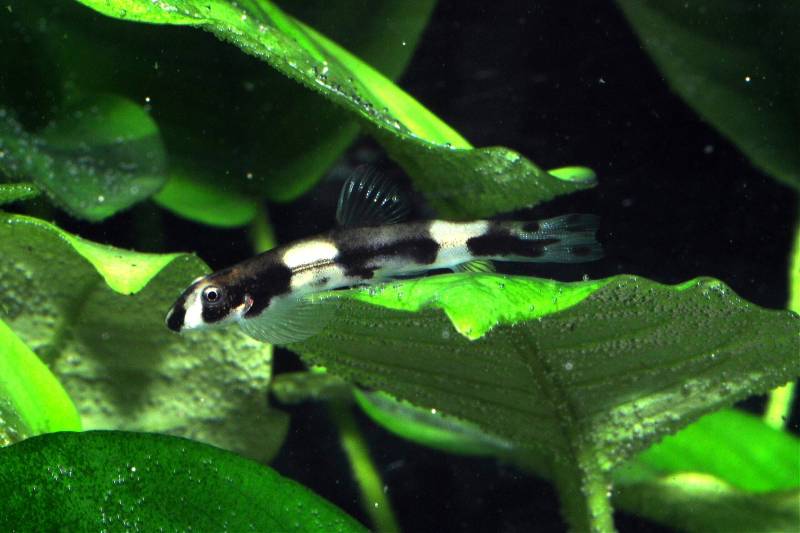
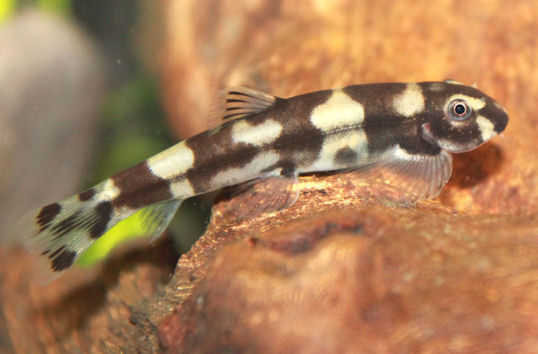
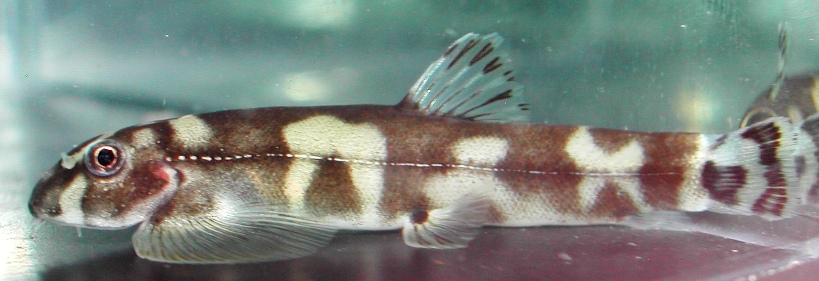
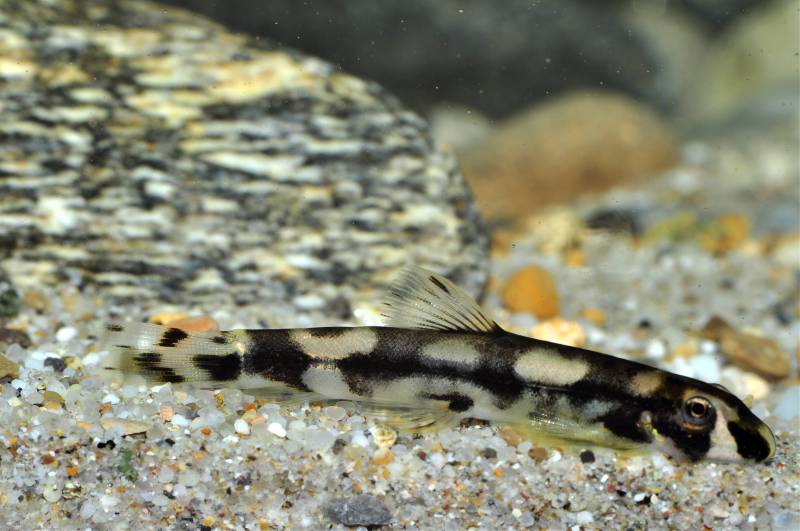
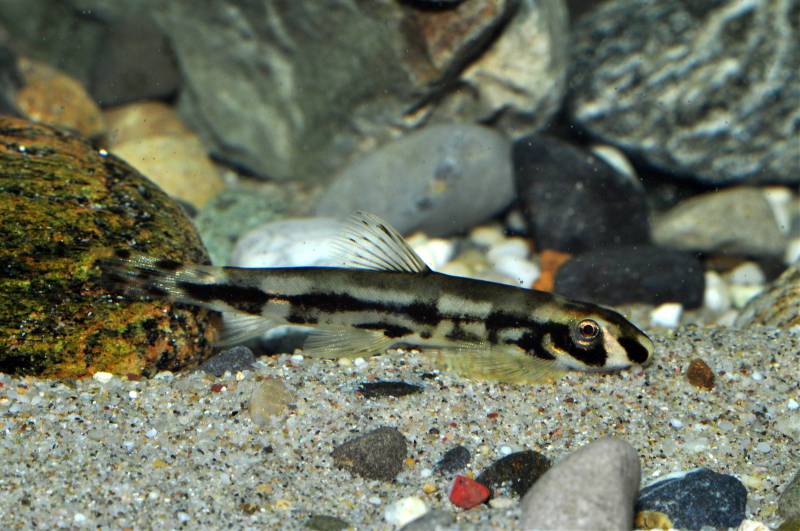
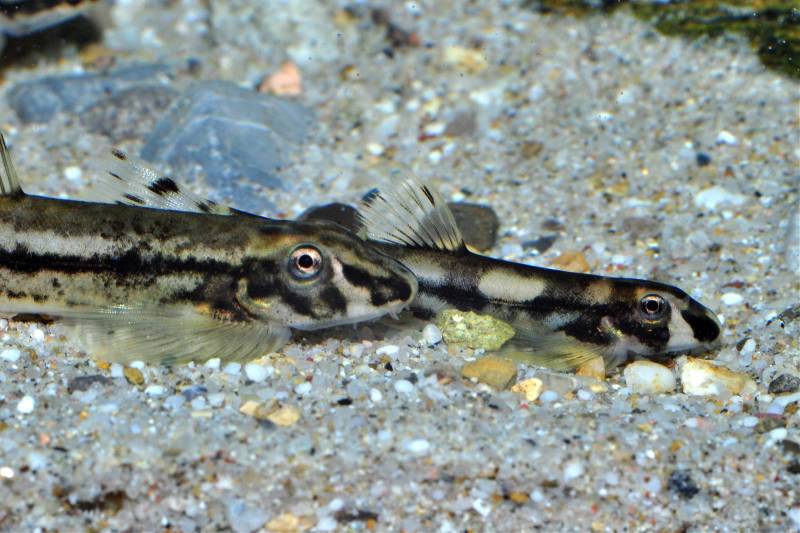
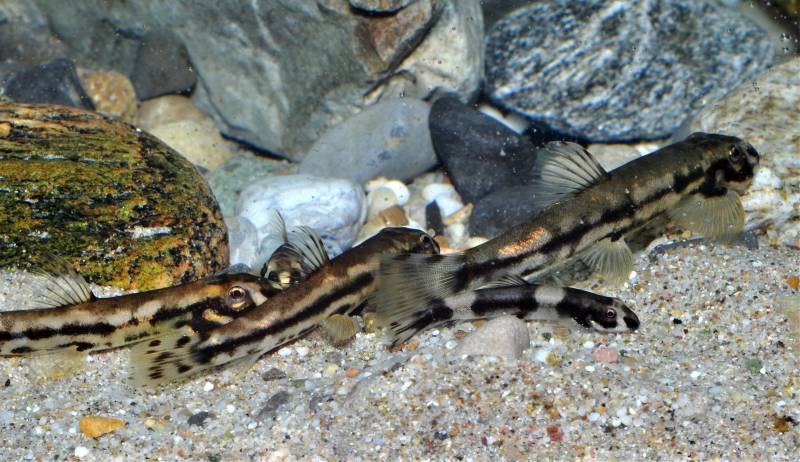
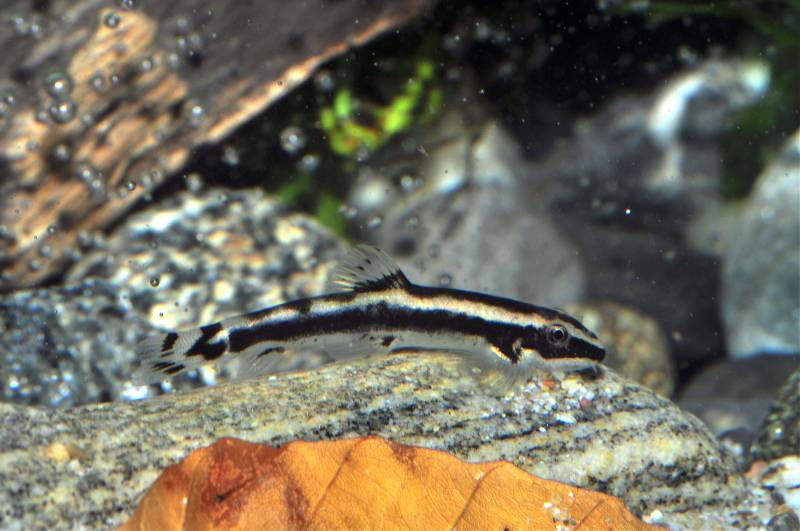
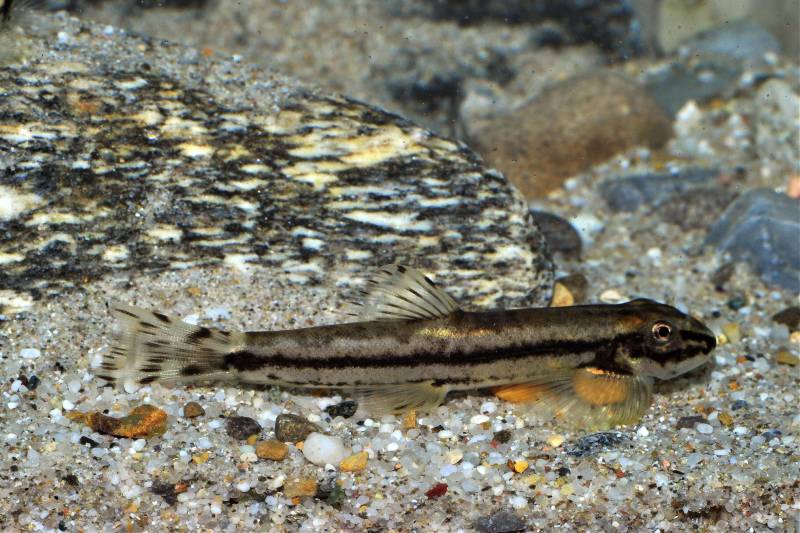
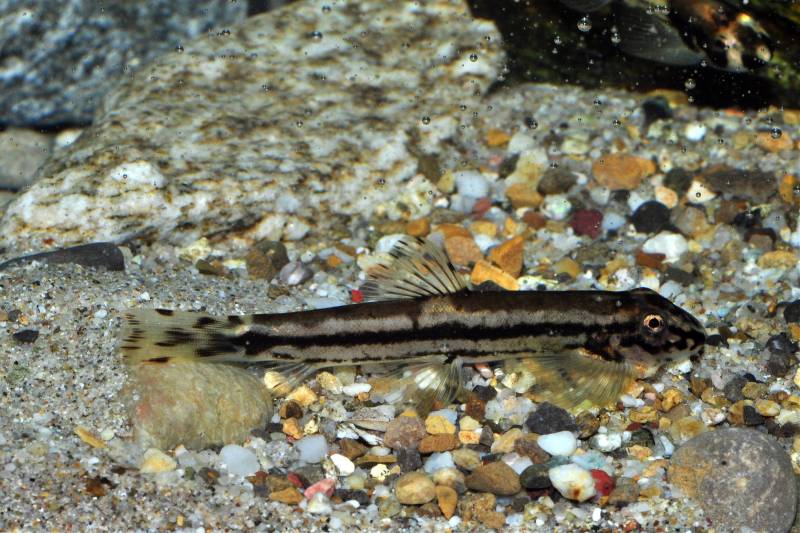
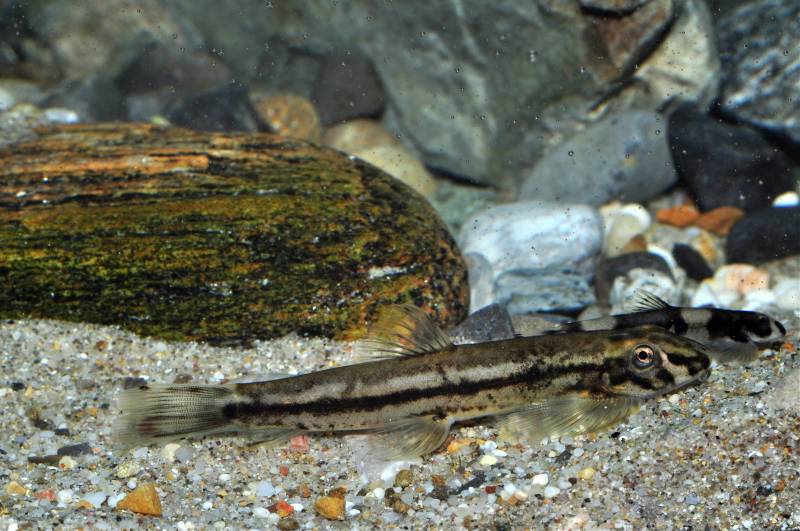
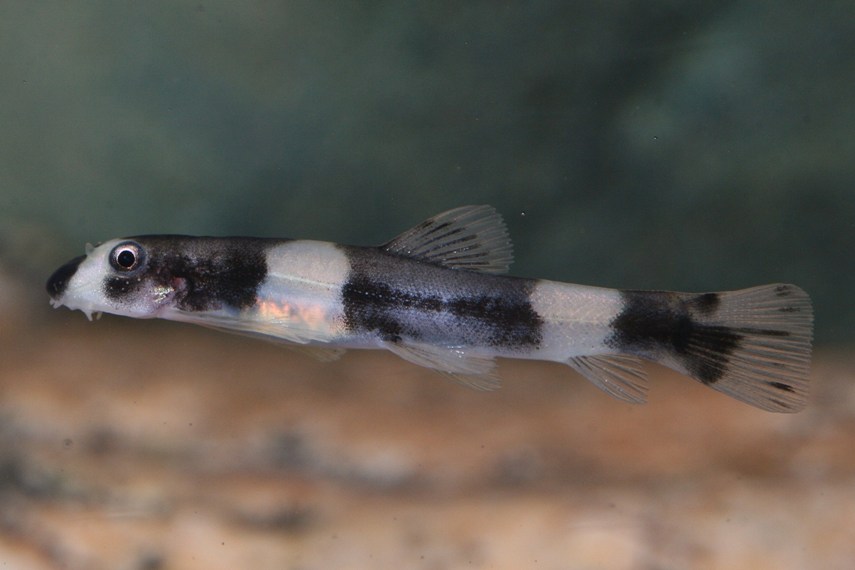
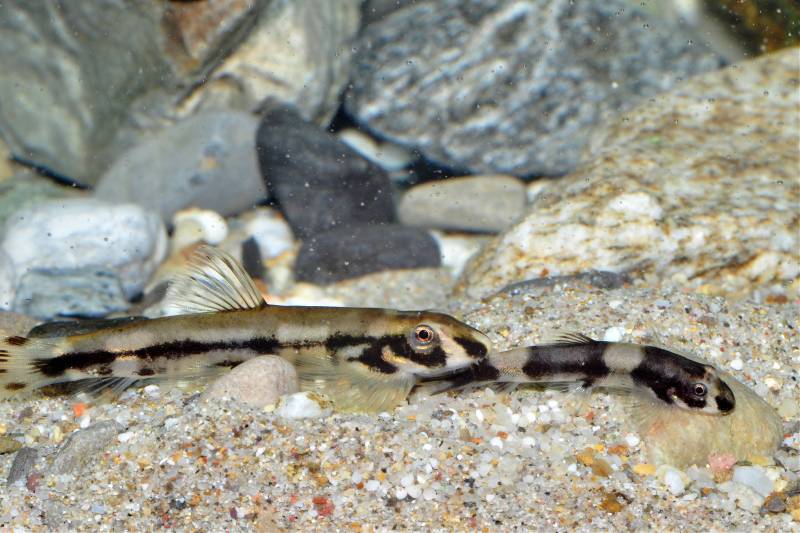
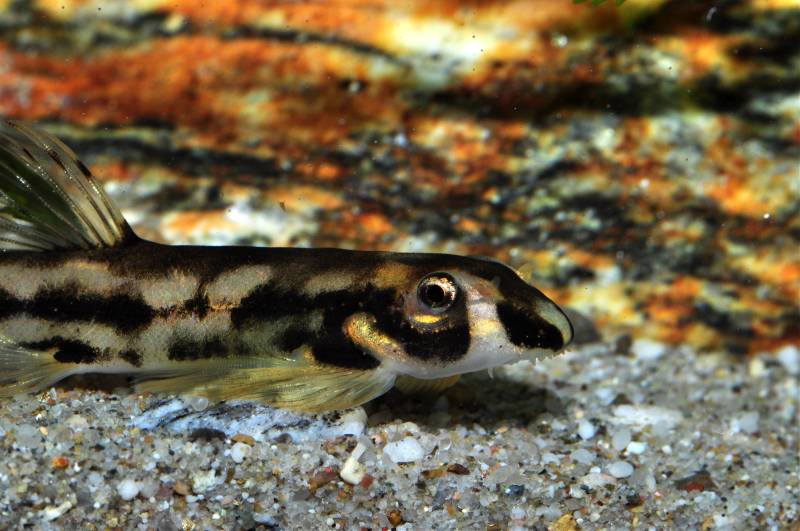
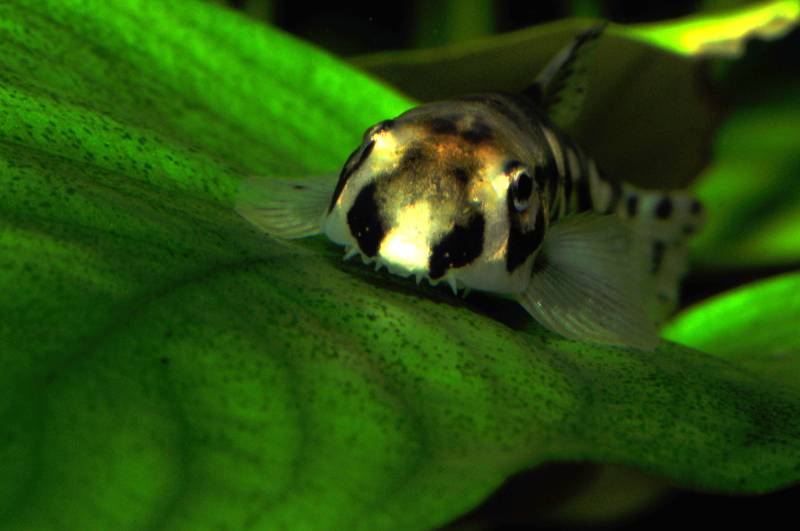
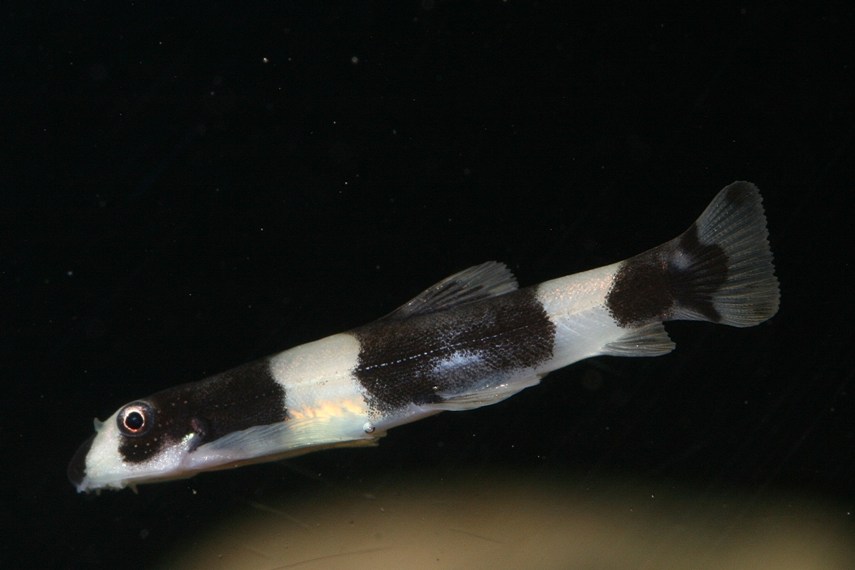
熊猫鳅(Yaoshania pachychilus)幼鱼黑白相间,成年后条纹会变淡并连成不规则网纹,因此不能期待始终保持幼鱼的“熊猫”外观。它是专门适应溪流底部生活的鳅类,不适合因幼鱼体小就放入微型缸。
分布与栖息地
已确认的产地位于中国广西金秀大瑶山的少数源头支流,分别汇入柳江和桂江,均属珠江水系。是否还有未公开的产地尚不明确。水坝、水质下降及破坏性捕捞会威胁这些有限的溪流环境。
它生活在浅而有季节变化的急流上游,浅滩与流水段之间可夹有水潭或小瀑布。底床由小石、沙、砾石及堆积的大石构成,岸边植被和浸水落叶较常见,水草可能缺少。较适宜地点多在海拔 500 m 以上,水深通常不超过 50 cm;清澈富氧的水支持石面生物膜,大雨后可暂时变浑、变深、流速增加。
饲养环境
小群体至少需要约 60 × 30 cm 的底面积,不能以“迷你鱼”名义压缩到很小的缸。使用容量充足的过滤,循环量以每小时约 15~20 倍缸水体积或更高为目标,必要时增加水泵和气石,同时保证溶氧。
沙或砾石上摆放不同大小的圆滑石块,可使用充分浸泡的旧沉木。新木可能大量释出单宁、使水变色并削弱光照,不利于培养附着生物。光照宜足以促进藻膜生长,裸露的过滤海绵也能成为取食面;强健的附生植物可提供额外藻面与遮蔽。
只在过滤和生物膜都成熟、水质稳定的缸中饲养。定期部分换水,不必把所有表面刷净。它能攀爬玻璃,缸盖必须严密。
食性与喂食
天然食物可能主要来自底部藻类及相关微生物,但食谱组成仍未完全确认。缸内会接受优质干粮和红虫等动物性饵料,却不宜长期给予过多高蛋白食物。可用蔬菜、螺旋藻等比例较高的混合凝胶饲料。
长期饲养应提供丰富的成熟藻石。藻膜不足时,另设强光容器培养石块再轮换入缸;硅藻和柔软绿藻比坚韧的黑毛藻更适合作为可取食表面。严重消瘦个体恢复不易,需要持续供应容易取得的适合食物,并减少争食压力。
习性与混养
本种不具明显攻击性,但水流及溶氧需求限制混养选择。可考虑环境需求相近的小型溪流鱼、虾虎或流水型鲶鱼;其他鳅类需核对性情,避免攻击性或竞争性过强者。
野外通常松散聚集,建议至少 4 条。部分个体会守护优质取食点,领地性程度存在差异,因此应提供多个食面和隐蔽处。
雌雄区分
较大、较丰满的个体可能为雌鱼,但尚无确认可靠的外观鉴别方法。
繁殖
人工环境下尚无繁殖记录,其天然繁殖周期也未被充分了解。
补充说明
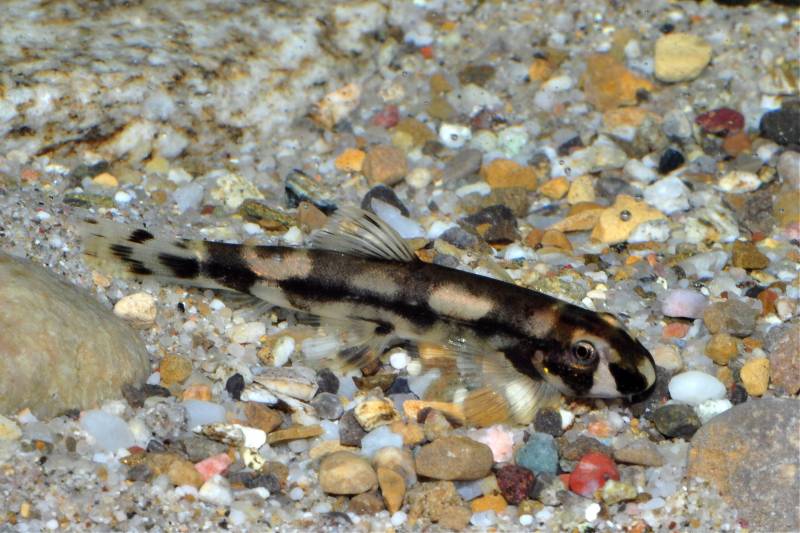
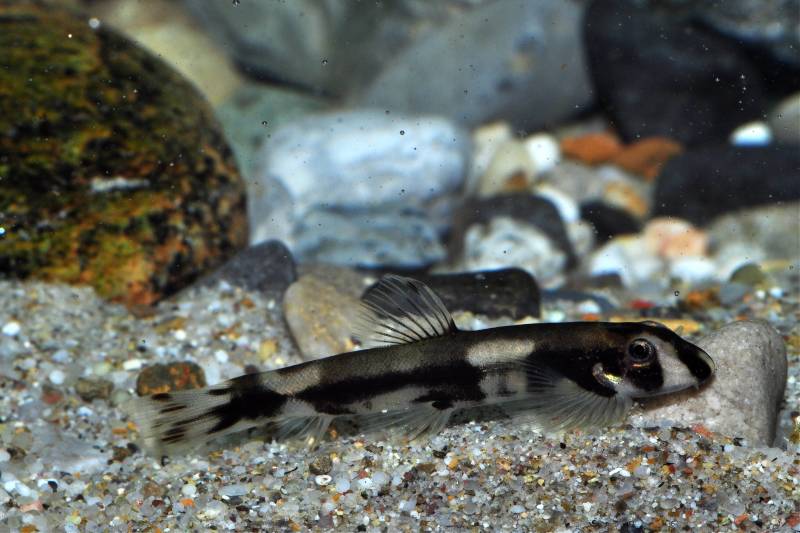
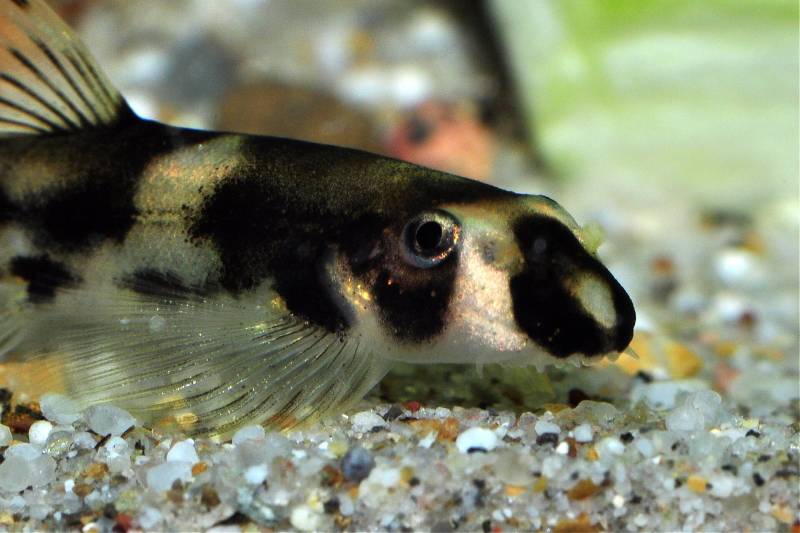
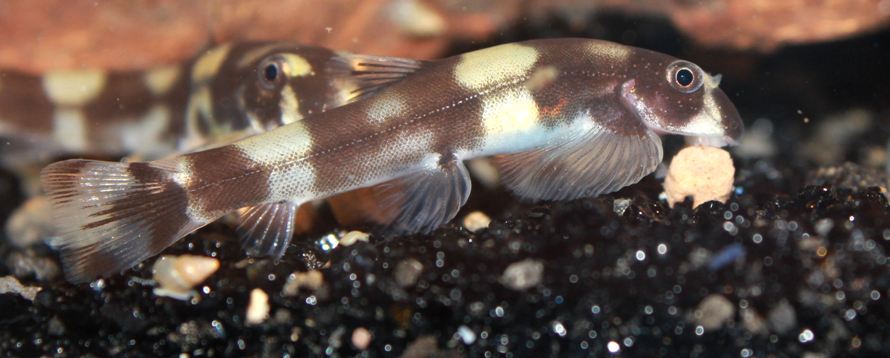
幼鱼的宽黑带随成长变浅、分裂并连合,成年鱼可形成大致分布于背部、中侧及下侧的条纹斑块。商品名“熊猫虾虎”并不代表它属于虾虎鱼。
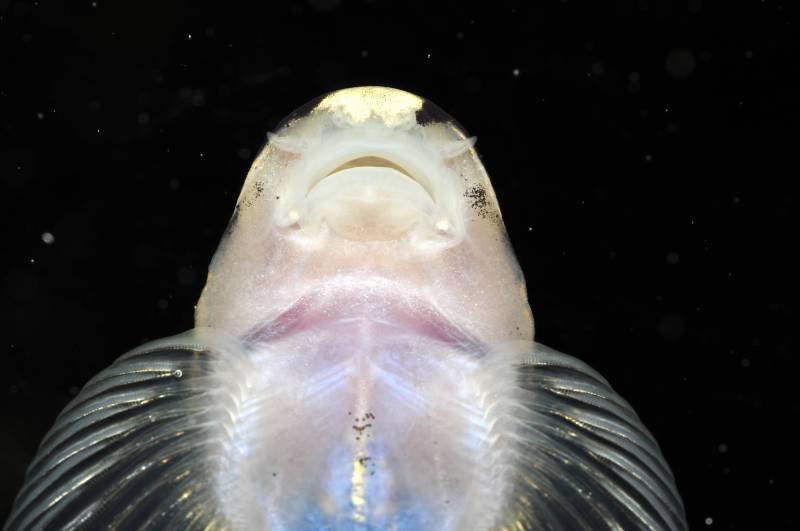
本种曾被放在 Protomyzon,后来依据口角特殊的扩大唇膜等特征建立 Yaoshania 属。它终生贴底活动,扁平头身与横向展开的偶鳍帮助牢牢附着石面,常以爬行和短距离跳移移动,自由游泳能力较弱。
图片
图片来自 SeriouslyFish,版权归各摄影者所有。
English
Overview
The striking black-and-white juvenile pattern of Yaoshania pachychilus fades and breaks into an irregular network as the fish grows. Adult appearance should therefore be expected to differ from the familiar panda-loach image. This specialized bottom-dwelling stream fish is unsuitable for tiny aquaria despite the size of traded juveniles.
Distribution & habitat
Confirmed localities are a few headwater tributaries on Dayaoshan in Jinxiu, Guangxi, China, draining through the Liu and Gui into the Pearl system. Additional undisclosed sites may exist, but they are unconfirmed. Dams, declining water quality, and destructive fishing threaten the limited stream habitats.
It occupies shallow, seasonal headwaters with fast runs and riffles interrupted by pools or cascades. Smaller stones, sand, gravel, and boulder accumulations form the bed. Bankside vegetation and submerged leaves are common, while aquatic plants are probably absent. Favorable sites are often above 500 m elevation and usually no deeper than 50 cm. Clear, oxygen-rich water supports biofilm; heavy rain can temporarily increase turbidity, depth, and current.
Aquarium setup
A small group needs a footprint of at least around 60 × 30 cm. Small juvenile size does not justify a miniature tank. Use substantial filtration and aim for circulation around 15–20 tank volumes per hour or more, supplementing with pumps or aeration as needed while ensuring high oxygen.
Place varied smooth stones over sand or gravel. Well-aged wood can be used, whereas fresh pieces may release tannins that darken the water and reduce light reaching grazing surfaces. Lighting should encourage attached growth. Exposed filter sponges provide additional browsing areas, and robust attached plants add cover and further surfaces for algae.
Introduce fish only after filtration and biofilm are well established. Make regular partial water changes without stripping every surface clean. Fit the lid securely because the fish can climb glass.
Diet & feeding
Bottom-growing algae and associated microorganisms probably make up much of the natural diet, although its composition is not fully confirmed. Captive fish accept good prepared foods and animal items such as bloodworms, but excessive protein may cause internal problems. Mixed gel foods with substantial vegetable and Spirulina content are useful.
For long-term care, provide abundant mature grazing surfaces. When growth is insufficient, cultivate algae-covered stones separately under strong lighting and rotate them into the aquarium. Diatoms and softer green algae are preferred to tough black-brush growth. Severely emaciated fish may recover poorly and need continuously accessible suitable food with little competition.
Behaviour & compatibility
It is not aggressive, but current and oxygen requirements narrow the choice of companions. Stream-adapted small fishes, gobies, and rheophilic catfishes may be considered. Assess other loaches carefully and avoid species that are overly aggressive or competitive.
Wild fish form loose aggregations, so keep at least four. Individuals differ in how strongly they defend good feeding patches. Provide multiple grazing areas and retreats.
Sexual dimorphism
Larger, fuller individuals may be females, but a confirmed external sexing method is unavailable.
Breeding
Captive reproduction has not been recorded, and its natural reproductive cycle remains poorly understood.
Notes
Broad juvenile bars become paler and interconnected, leaving variable markings roughly arranged along the back, middle flank, and lower side. The occasional trade label panda goby does not make this fish a goby.
Formerly assigned to Protomyzon, it was placed in Yaoshania following recognition of features including the enlarged membrane at the mouth corners. An exclusively bottom-dwelling lifestyle is supported by the flattened body and horizontally expanded paired fins. Crawling and short hops across rocks are normal, while free swimming is limited.
来源
- https://www.seriouslyfish.com/species/yaoshania-pachychilus(抓取于 2026-10-10)
yaoshania-pachychilus · 文件: data/species/yaoshania-pachychilus.md · 状态: 草稿