艾氏异仔鮰 · Redtail Goodeid
概要
| 字段 | 值 |
|---|---|
| 类别 | 鱼 |
| 学名 | Xenotoca eiseni |
| 别名 | 艾氏異仔鮰、Orangetail Goodeid、Redtail Splitfin |
| 分类 | 鳉形目 Cyprinodontiformes › 谷鳉科 Goodeidae › Xenotoca |
| 水体 | 淡水 |
| 成体体长 | 6 cm |
| 饲养难度 | 入门 |
| 最小水体 | 54 L |
| 最小缸长 | 60 cm |
| 外部数据 | seriouslyfish xenotoca-eiseni;fishbase 11953 |
| 原产地 | 墨西哥 |
| 繁殖方式 | 卵胎生 |
| 性情 | 攻击性 |
水质参数
| 参数 | 耐受范围 | 最适范围 | 单位 |
|---|---|---|---|
| 水温 | 15–30 | — | °C |
| pH | 6–8 | — | — |
| 总硬度 | 10–20 | — | dGH |
概述
艾氏异仔鮰(Xenotoca eiseni)是适应性较强的墨西哥胎生鱼,雄鱼色彩鲜明,但个体脾气差异很大。有些鱼可以与同伴和平共处,有些则会严重攻击其他鱼,因此更适合专门的单养缸。
分布与栖息地
原产墨西哥,生活环境从清澈的山溪到受污染的路边沟渠都有。能够出现在条件较差的水域,不代表饲养时应降低对水质的要求。
饲养环境
以浓密水草和深色底床布置,有助于衬托体色,也为繁殖群体提供环境。可采用至少 60 × 30 × 30 cm、约 54 L 的缸体,并根据实际个体之间的互动安排饲养。
食性与喂食
通常不挑食,能够接受多种水族饲料。仅凭接受人工饵料的范围,还无法确定其完整的野外食性。
习性与混养
混养表现难以预测。部分个体会咬鳍,甚至把其他鱼攻击致死;对鲶鱼尤其需要谨慎,曾有啃咬鼠鱼鱼鳍和眼部的记录。不要因为一时没有争斗,就把它当作稳定温和的混养品种。专缸饲养更易管理这种风险。
雌雄区分
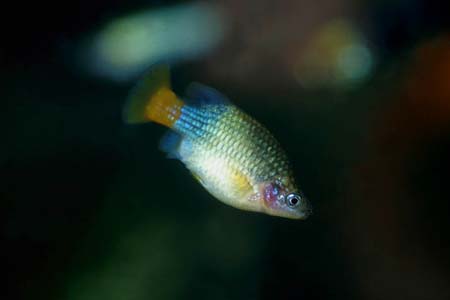
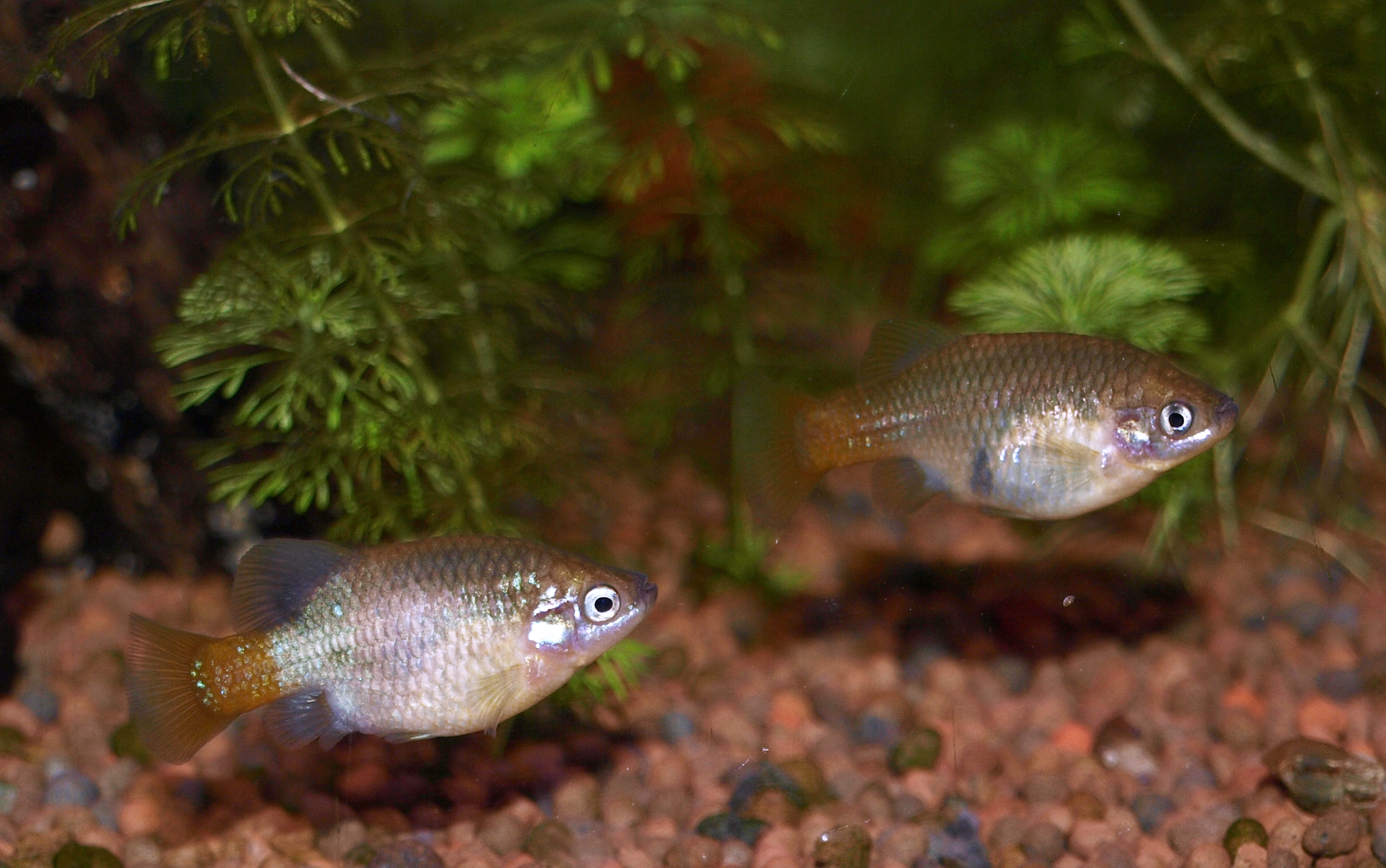
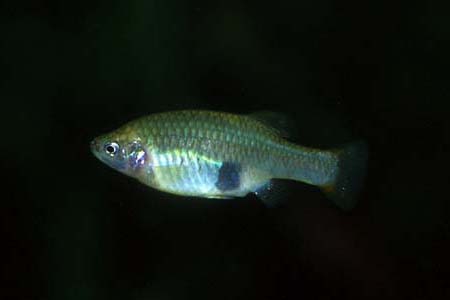
雄鱼颜色明显比雌鱼鲜艳,成熟后背部更加隆起,臀鳍具有用于交配的缺刻结构。
繁殖
可以用一对或一群亲鱼,在水草繁茂的单养缸中繁殖。雌鱼每胎均需重新交配,不能靠储存精子连续产仔,也没有明显妊娠斑。
妊娠约 7–8 周,每胎约 5–50 尾较大的鱼苗。新生鱼可立即摄食大小适当的成鱼食物,并主动抢食,亲鱼捕食自身鱼苗较少见。新生鱼腹部有时带着类似脐带的组织,通常 2–3 天后消失;它是胎内营养组织的正常残留。
补充说明
虽然身体强健、环境适应范围较宽,攻击性仍是长期饲养和选择混养伙伴时的重要限制。胎内鱼苗由母体通过专门结构供应营养,与只依赖卵黄发育的繁殖方式有所不同。
图片
图片来自 SeriouslyFish,版权归各摄影者所有。
English
Overview
Hardiness does not make Xenotoca eiseni a predictable community fish. Individuals range from tolerant to seriously aggressive, making a dedicated aquarium the most dependable approach. Males become conspicuously colorful and high-backed as they mature.
Distribution & habitat
This Mexican livebearer occupies diverse waters, including clear upland streams and polluted roadside channels. Such adaptability describes its occurrence, not a reason to reproduce degraded conditions in captivity.
Aquarium setup
Dense planting above a dark bottom provides an attractive setting and supports a breeding group. An aquarium of at least 60 by 30 by 30 cm, approximately 54 L, is the stated starting size. Continue to assess how the actual fish interact rather than relying on their small body size alone.
Diet & feeding
Most offered aquarium foods are readily accepted. A broad captive appetite by itself does not establish the composition of the natural diet.
Behaviour & compatibility
Community results vary sharply between specimens. Some nip fins, while others attack severely enough to kill their companions. Catfishes are particularly vulnerable; attacks on their fins and eyes have been observed. Keeping the species separately avoids exposing other fish to this unpredictable behavior.
Sexual dimorphism
Males display much stronger coloration and develop a taller back with age. A notched modification of the anal fin is used during mating.
Breeding
Reproduction is relatively straightforward in a densely planted species aquarium, using either a pair or several breeders. Each brood requires a fresh mating because females do not retain sperm. A gravid spot is absent.
Pregnancy commonly lasts seven to eight weeks and results in about 5–50 large young. They begin feeding immediately, compete actively, and can receive appropriately sized versions of adult foods. Parents rarely consume their own newborns.
A temporary cord-like structure may be visible on young fish. This is a normal remnant of their maternal nutrient supply and generally disappears within two or three days.
Notes
The species' tolerance of varied conditions should be considered separately from its social suitability. Maternal nourishment through specialized trophotaeniae supports development before birth; it is an important part of its reproductive biology.
来源
- https://www.seriouslyfish.com/species/xenotoca-eiseni(抓取于 2026-10-10)
xenotoca-eiseni · 文件: data/species/xenotoca-eiseni.md · 状态: 草稿