扁鼻奇非鲫 · Big-Eyed Xenotilapia
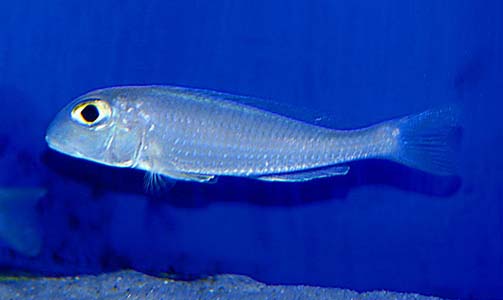
概要
| 字段 | 值 |
|---|---|
| 类别 | 鱼 |
| 学名 | Xenotilapia sima |
| 别名 | 扁鼻奇非鯽 |
| 分类 | 慈鲷目 Cichliformes › 慈鲷科 Cichlidae › Xenotilapia |
| 水体 | 淡水 |
| 成体体长 | 16.5 cm |
| 饲养难度 | 中等 |
| 最小水体 | 137 L |
| 最小缸长 | 120 cm |
| 群居方式 | 群游 |
| 性情 | 温和 |
| 外部数据 | seriouslyfish xenotilapia-sima;fishbase 9180 |
| 原产地 | 坦噶尼喀湖 |
| 食性 | 肉食 |
| 繁殖方式 | 口孵 |
| 特征 | 翻底砂: 是 |
水质参数
| 参数 | 耐受范围 | 最适范围 | 单位 |
|---|---|---|---|
| 水温 | 23–27 | — | °C |
| pH | 8–9.5 | — | — |
| 总硬度 | 8–25 | — | dGH |
概述
扁鼻奇非鲫(Xenotilapia sima)是温和却容易受惊的沙栖慈鲷,野外常形成较大群体,在砂底筛取小型猎物。缸中应让它有安静活动和充分进食的机会,强势同伴、突然靠近水缸或骤变的灯光都可能使它紧张。
分布与栖息地
坦噶尼喀湖特有种,成群生活于砂质底部上方。
饲养环境
提供宽阔的砂底和少量分散岩石作掩蔽。细软砂对正常取食很重要,粗砾可能卡住口咽或伤鳃。过滤需足够有效,同时避免把底部用装饰填满。日常靠近和开关灯时尽量减少突然刺激。
食性与喂食
以筛砂获得的小型无脊椎动物为食,缸中虽可接受多数常见食物,仍宜让活饵和冷冻饵占主要部分。它几乎只从底部取食,混养时必须确认食物真的落到底部,并被它吃到,而不是在途中被其他鱼抢光。
习性与混养
适合六至十条一起饲养,非繁殖期群居性明显。避免强势、过度活跃或争食厉害的同伴,尤其不宜与马拉维湖岩栖慈鲷混养;温和坦湖鱼才较值得考虑。雄鱼繁殖时会各守领地,若有多条雄鱼,应留意持续追逐,必要时移走多余个体。繁殖组合宜让每条雄鱼对应数条雌鱼。
雌雄区分
雄鱼通常更大,背鳍、臀鳍末端更尖,体色也较深。
繁殖
水族箱繁殖并不常见,由雌鱼独自口孵。可从幼鱼群养起,待性别和领地关系形成后调整组合,维持偏硬、偏碱的稳定水质,并提供多样食物作繁殖准备。
雄鱼会在自己的领地内挖出浅凹作为产卵处,以展示吸引雌鱼。雌鱼产卵、雄鱼受精后,再由雌鱼把卵含入口中。含卵期约三周,其间雌鱼不进食,口部膨大较明显。受惊可能导致提前吐卵或吞卵,搬动含卵雌鱼尤其要谨慎。幼鱼释放时已能自由游动,可直接摄食丰年虾无节幼体和微虫。
补充说明
饲养难点常在于使它安心进食。看见投饵并不代表已经吃饱,应结合底部食物到达情况和个体反应观察,水缸外的快速动作也可能干扰它。
图片
图片来自 SeriouslyFish,版权归各摄影者所有。
English
Overview
Xenotilapia sima is a gentle, easily startled cichlid that searches sand for tiny animal prey. Its social nature favors a group, while its nervousness calls for quiet surroundings and restrained companions. Feeding success needs direct observation in a mixed aquarium.
Distribution & habitat
Endemic to Lake Tanganyika, it occurs in large aggregations over sandy ground.
Aquarium setup
Use fine sand across a broad, open floor, with a few scattered rocks offering shelter. Coarse gravel can lodge in the throat during sifting or damage the gills. Provide efficient filtration and avoid excessive decoration that removes feeding space. Sudden movement outside the glass and abrupt lighting changes can frighten the fish.
Diet & feeding
Natural feeding involves separating small invertebrates from mouthfuls of sand. Although aquarium fish accept many foods, live and frozen items should supply most of the diet. Food must reach the floor: this species takes nearly all its meals from the substrate, so faster tankmates may intercept its ration before it becomes accessible.
Behaviour & compatibility
A group of six to ten reflects its nonbreeding social behavior. Peaceful Tanganyikan companions may work, but vigorous or dominant fishes, including mbuna, are poor choices. Males establish territories for breeding. Multiple males may require separation if the aquarium cannot accommodate their defended areas; breeding groups should include several females per male.
Sexual dimorphism
Males are generally larger and darker, with more pointed tips to the dorsal and anal fins.
Breeding
Aquarium reproduction is uncommon. Young fish can be raised together before the developing social structure guides adjustments to the group. Maintain stable, hard, alkaline water and offer a varied conditioning diet.
The male excavates a shallow depression within a territory and displays to attract a female. She lays there, waits for fertilization, and collects the eggs into her mouth. Only the female incubates the brood, carrying it for about three weeks without eating. Her expanded mouth helps reveal that she is brooding. Disturbance can cause premature release or consumption of the eggs, so moving her requires particular care. The young emerge ready to swim and accept brine shrimp nauplii or microworms.
Notes
Nervous behavior and food interception can occur together. Check that each fish actually feeds on the floor, and approach the aquarium calmly rather than assuming a visible feeding response guarantees an adequate meal.
来源
- https://www.seriouslyfish.com/species/xenotilapia-sima(抓取于 2026-10-10)
xenotilapia-sima · 文件: data/species/xenotilapia-sima.md · 状态: 草稿