黄翅奇非鲫 · Yellow Sand Cichlid
概要
| 字段 | 值 |
|---|---|
| 类别 | 鱼 |
| 学名 | Xenotilapia flavipinnis |
| 别名 | 黃翅奇非鯽 |
| 分类 | 慈鲷目 Cichliformes › 慈鲷科 Cichlidae › Xenotilapia |
| 水体 | 淡水 |
| 成体体长 | 9 cm |
| 饲养难度 | 中等 |
| 最小水体 | 68 L |
| 最小缸长 | 75 cm |
| 群居方式 | 群游 |
| 外部数据 | seriouslyfish xenotilapia-flavipinnis;fishbase 9173 |
| 原产地 | 坦噶尼喀湖 |
| 食性 | 肉食 |
| 性情 | 温和 |
| 繁殖方式 | 口孵 |
水质参数
| 参数 | 耐受范围 | 最适范围 | 单位 |
|---|---|---|---|
| 水温 | 23–27 | — | °C |
| pH | 8–9.5 | — | — |
| 总硬度 | 8–25 | — | dGH |
概述
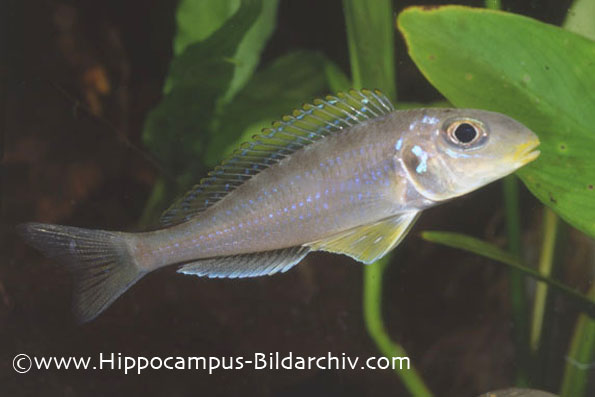
黄翅奇非鲫(Xenotilapia flavipinnis)是温和的沙栖慈鲷,常成群在开阔砂地活动。它会含起砂粒筛取食物,繁殖时则由雌雄接力口孵。对水质恶化很敏感,稳定环境与合适同伴比热闹的混养更重要。
分布与栖息地
坦噶尼喀湖特有种,平时在砂底上方成群游动,繁殖时会转向岩石较多的区域。
饲养环境
保留宽阔的底部空间,用细软砂铺底,散置岩石作遮蔽。粗砾可能卡在吞砂觅食的口咽中,或损伤鳃部。高效过滤配合规律的部分换水,防止水质逐渐恶化。
食性与喂食
野外通过筛砂捕食小型无脊椎动物。缸中可接受多种食物,但仍应经常提供适口的小型活饵或冷冻饵,避免仅靠一种干饲料。
习性与混养
不适合与强势、抢食迅速的鱼竞争,尤其应避开马拉维湖岩栖慈鲷。可考虑温和的坦湖中上层慈鲷,以及体型、习性相容的部分底栖种类,但仍须观察进食与领地冲突。以六至十条的群体饲养较合适;成对后会在繁殖期脱离群体,防卫自己的区域。单独放一对并不一定更和睦,有时反而容易争执。
雌雄区分
雄鱼颜色可能略鲜明,但靠体色并不可靠。由熟练者检查生殖孔,或观察自然配对和繁殖行为,才较容易确认。
繁殖
可从幼鱼群养起,让它们自然配对。雌雄都可能发起求偶展示,随后共同守住底部的一块区域;真正产卵前领地还会扩大。雌鱼分小批在清理过的底面产卵,雄鱼受精后,雌鱼再把卵含入口中,产卵位置可在领地内移动。
雌鱼先口含约九至十二天,再把已经孵化的整窝幼鱼交给雄鱼,雄鱼继续含护约十天。幼鱼自由游动后,亲鱼仍会照料约三周,遇险时幼鱼可回到雄鱼口中。离口幼鱼能够摄食丰年虾无节幼体和微虫。
补充说明
野外配对关系主要维持在繁殖季,水族箱中则可能持续更久,甚至在非繁殖期仍守领地。这种差别可能与封闭空间限制活动有关,不能把一对鱼长期待在一起视为永远没有冲突。
图片
图片来自 SeriouslyFish,版权归各摄影者所有。
English
Overview
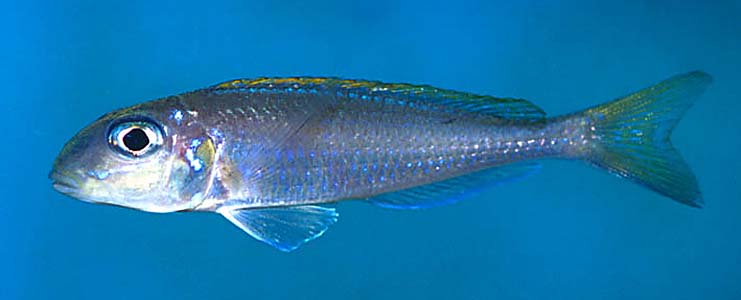
A peaceful sand-sifting cichlid, Xenotilapia flavipinnis combines group living with unusually coordinated parental care. The female begins mouthbrooding and later transfers the young to the male. Successful maintenance depends on clean water, an unobstructed sandy floor, and companions that do not overwhelm it.
Distribution & habitat
This Lake Tanganyika endemic gathers above open sandy areas. Breeding fish move toward rockier surroundings.
Aquarium setup
Leave substantial floor space open and use fine sand. Gravel can become lodged during feeding or injure the gills. Scattered rocks provide retreats without filling the feeding area. Efficient filtration and regular partial water changes are essential because deteriorating conditions are poorly tolerated.
Diet & feeding
Small invertebrates separated from mouthfuls of sand form its natural prey. Aquarium fish accept a range of foods, but suitably small live or frozen items should remain frequent offerings.
Behaviour & compatibility
Keep a group of six to ten with other gentle Tanganyikan fishes chosen for compatible size and behavior. More assertive or vigorous companions can prevent it from feeding confidently; mbuna are unsuitable. Breeding pairs leave the group and defend a territory. Keeping only a pair does not necessarily reduce conflict, since isolated partners sometimes squabble.
Sexual dimorphism
Males may show somewhat stronger coloration, but appearance alone is unreliable. Expert examination of the genital papilla offers a more dependable distinction. Watching naturally formed pairs provides another practical route to recognizing the sexes.
Breeding
Raise a group of juveniles and allow partnerships to develop. Either sex may initiate displays. The pair establishes a floor territory and enlarges its defended area shortly before laying. Small batches of eggs are deposited on cleared substrate, fertilized, and collected by the female. Successive batches need not occupy the same spot.
After roughly nine to twelve days, the female hands the entire hatched brood to her partner. He incubates them for about another ten days. Once released, the fry remain under parental protection for approximately three weeks and may shelter in the male's mouth when threatened. Newly released young take brine shrimp nauplii and microworms.
Notes
Wild partnerships generally last through the breeding season. Aquarium bonds and territorial defense may persist longer, possibly because confinement restricts movement. A lasting partnership should therefore not be assumed to eliminate aggression.
来源
- https://www.seriouslyfish.com/species/xenotilapia-flavipinnis(抓取于 2026-10-10)
xenotilapia-flavipinnis · 文件: data/species/xenotilapia-flavipinnis.md · 状态: 草稿