Trochilocharax ornatus · Hummingbird Tetra
概要
| 字段 | 值 |
|---|---|
| 类别 | 鱼 |
| 学名 | Trochilocharax ornatus |
| 分类 | 脂鲤目 Characiformes › 脂鲤科 Characidae › Trochilocharax |
| 水体 | 淡水 |
| 原产地 | 秘鲁 |
| 成体体长 | 1.7 cm |
| 饲养难度 | 中等 |
| 最小水体 | 41 L |
| 最小缸长 | 45 cm |
| 群居方式 | 群游 |
| 性情 | 温和 |
| 外部数据 | seriouslyfish trochilocharax-ornatus;fishbase 65771 |
| 游动层 | 中层、上层 |
| 领地性 | 是 |
| 特征 | 无鳞/细鳞: 是 |
水质参数
| 参数 | 耐受范围 | 最适范围 | 单位 |
|---|---|---|---|
| 水温 | 20–28 | — | °C |
| pH | 4–6.5 | — | — |
| 总硬度 | 1–8 | — | dGH |
概述
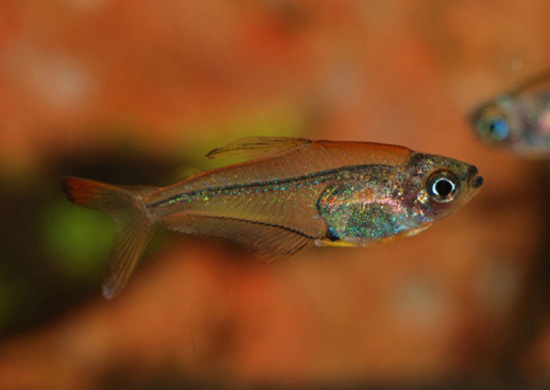
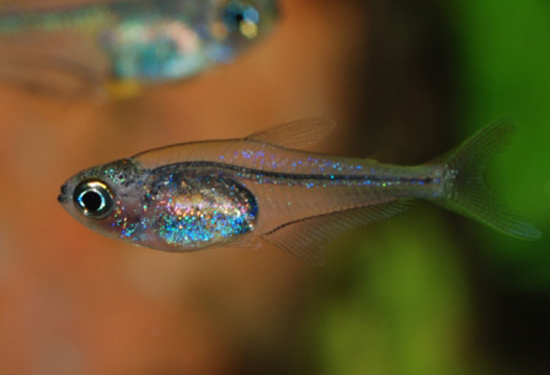
Trochilocharax ornatus 是体形极小的秘鲁脂鲤,皮肤大多裸露,成年雄鱼尾柄有一枚特殊囊状鳞。它对其他鱼温和,但水质和食物尺寸要求细致,适合成熟的小型专养缸或谨慎选择的微型混养。
分布与栖息地
模式标本来自伊基托斯出口的水族贸易鱼,具体产地并不明确。一种说法指向 Pebas 附近 Ampiyacu 河的黑水支流,另一种指向伊基托斯附近 Nanay 河,不能把两者都当作确认采点。
据称生活于黑水,可能在森林小溪、支流及季节性淹水区。当地这类环境通常水体酸软、茶色清澈,底部有沙或泥、根枝和厚落叶,但这些只能作区域栖境参考。
饲养环境
用沙底、沉木根枝形成丰富结构,加入落叶和适量桤木果。落叶提供遮蔽,其微生物群可给鱼苗补充食物。
较暗光线似乎更合适,可选耐阴蕨类、莫丝、椒草,并用水蕨等浮水植被遮光。必须在生物过滤成熟后入缸,避免有机废物波动。
繁殖需要酸性、很低碳酸盐硬度及偏低总硬度的水,可借反渗透等方法制备,同时维持在适宜参数内;不必依赖天然泥炭来获得这种条件。
食性与喂食
天然可能捕食微小无脊椎动物和浮游动物。可接受适口干粮,但应每天给予丰年虾无节幼体、小型水蚤、微型白虫等小活饵或冷冻饵。
习性与混养
更适合单养,或仅配同样微小、温和的脂鲤与合适的小型鲶鱼。常活动在中上层,因此也能在适合的短鲷缸充当陪游鱼,但不能忽视自身微小体形带来的限制。
它是群居而非紧密同步群游,雄鱼会经常进行领地较量。建议至少八至十条,既减少胆怯,也能观察自然互动。
雌雄区分
雄鱼较大、颜色更浓,鳍延长,并具有尾柄囊状鳞。成熟雌鱼可能较圆,抱卵时更明显。
繁殖
人工繁殖已经实现,结构丰富的成熟缸里有时会自行出现少量鱼苗。据称存在体内受精,雌雄也有显著生殖突,但具体过程仍未明确,不能据此认定为卵胎生。
补充说明
除成年雄鱼的尾柄囊状鳞外,体表无普通鳞片。该鳞覆盖的凸起结构是否具有信息素分泌功能仍不清楚。无鳞外观本身不能推断具体药物敏感性。
它曾以 Heterocharax 或 Tyttocharax 的未定名鱼流通,现用属的更近亲缘关系仍有争议。
图片
图片来自 SeriouslyFish,版权归各摄影者所有。
用药风险
按有效成分禁忌与本物种特征自动判断;物种特征未知时不会命中,不代表安全。
English
Overview
The minute Peruvian Trochilocharax ornatus is largely naked-skinned, with adult males bearing a specialized pouch scale on the caudal peduncle. Peaceful behavior comes with demanding food-size and water-quality needs, favoring a mature dedicated aquarium or carefully chosen miniature companions.
Distribution & habitat
The type series came from an aquarium shipment exported through Iquitos. Competing origin accounts name a blackwater Ampiyacu tributary near Pebas or the Nanay near Iquitos. Neither should be presented as an independently confirmed collecting site.
It is reportedly a blackwater fish, perhaps inhabiting minor forest streams and seasonally inundated areas. Comparable local habitats have clear, tea-stained acidic water with sand or mud, woody roots, and deep leaf litter, but these provide regional context rather than verified site details.
Aquarium setup
Create a well-structured arrangement with sand, branching wood, and leaves. Alder cones may also be used. Leaf-associated microbes provide supplementary food for fry.
Dim lighting seems preferable. Shade-tolerant ferns, mosses, Cryptocoryne, and floating water sprite can provide cover. Introduce fish only to a biologically mature aquarium and avoid fluctuations in organic waste.
Breeding requires acidic water with very low carbonate hardness and low general hardness. Reverse osmosis or another soft-water source may be useful, while conditions should remain within the appropriate range. Natural peat is not essential.
Diet & feeding
Tiny invertebrates and zooplankton are presumed natural prey. Appropriately sized dry foods are accepted, but daily small live or frozen foods such as Artemia nauplii, small water fleas, and grindal worms should also be provided.
Behaviour & compatibility
A dedicated aquarium is preferable, or companions limited to tiny peaceful characins and suitable small catfishes. Its middle-to-upper swimming position can make it useful alongside compatible dwarf cichlids, provided its own very small size remains central to the choice.
It forms a loose shoal rather than a tightly coordinated school. Rival males spar over territory regularly. Keep at least eight to ten to reduce nervousness and encourage natural interactions.
Sexual dimorphism
Males are larger, more colorful, and longer-finned, with the distinctive pouch scale on the caudal peduncle. Mature females may have a rounder body, particularly when gravid.
Breeding
Captive reproduction has been achieved, and occasional fry may appear in a mature, densely structured aquarium. Internal fertilization is reported, with conspicuous genital papillae in both sexes, but the detailed process remains unclear. This should not be equated automatically with livebearing.
Notes
Ordinary body scales are absent apart from the adult male's specialized caudal-peduncle scale. Whether the structure beneath it produces pheromones is unresolved. That anatomy does not establish a particular medication sensitivity.
Earlier trade identifications placed it tentatively in Heterocharax or Tyttocharax. Its closer relationships within the characids remain debated.
来源
- https://www.seriouslyfish.com/species/trochilocharax-ornatus(抓取于 2026-10-10)
trochilocharax-ornatus · 文件: data/species/trochilocharax-ornatus.md · 状态: 草稿