沙尔氏短攀鲈
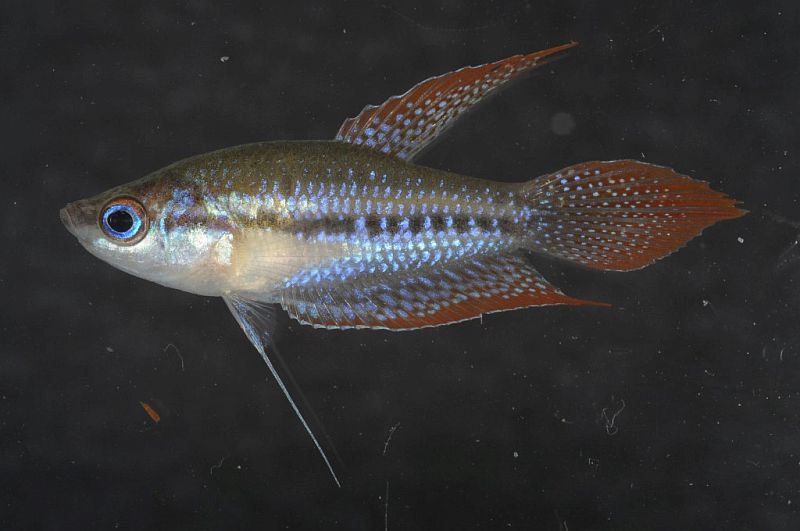
概要
| 字段 | 值 |
|---|---|
| 类别 | 鱼 |
| 学名 | Trichopsis schalleri |
| 别名 | 沙爾氏短攀鱸 |
| 分类 | 攀鲈目 Anabantiformes › 丝足鲈科 Osphronemidae › Trichopsis |
| 水体 | 淡水 |
| 原产地 | 柬埔寨、老挝、泰国、越南 |
| 成体体长 | 5 cm |
| 饲养难度 | 入门 |
| 最小水体 | 54 L |
| 最小缸长 | 60 cm |
| 群居方式 | 成对 |
| 性情 | 温和 |
| 水流偏好 | 低 |
| 外部数据 | seriouslyfish trichopsis-schalleri;fishbase 12083 |
| 特征 | 会跳缸: 是 |
| 繁殖方式 | 吐泡筑巢 |
水质参数
| 参数 | 耐受范围 | 最适范围 | 单位 |
|---|---|---|---|
| 水温 | 22–28 | — | °C |
| pH | 5–7.5 | — | — |
| 总硬度 | 1–12 | — | dGH |
概述
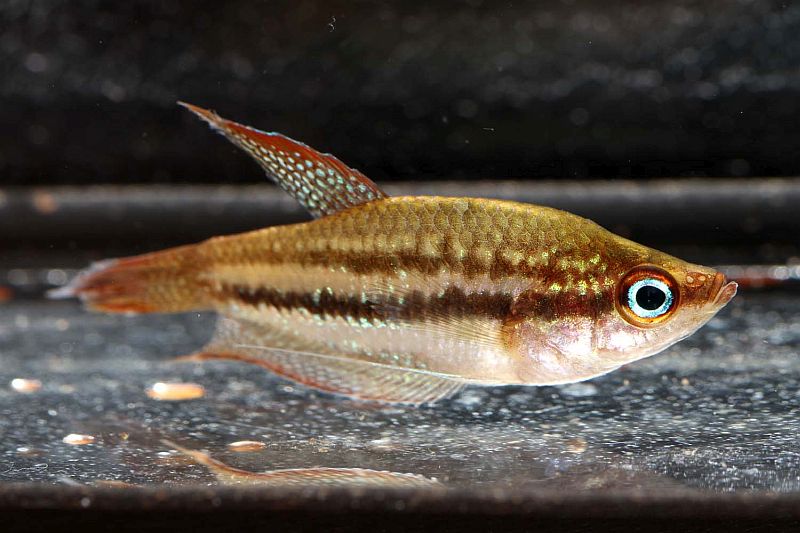
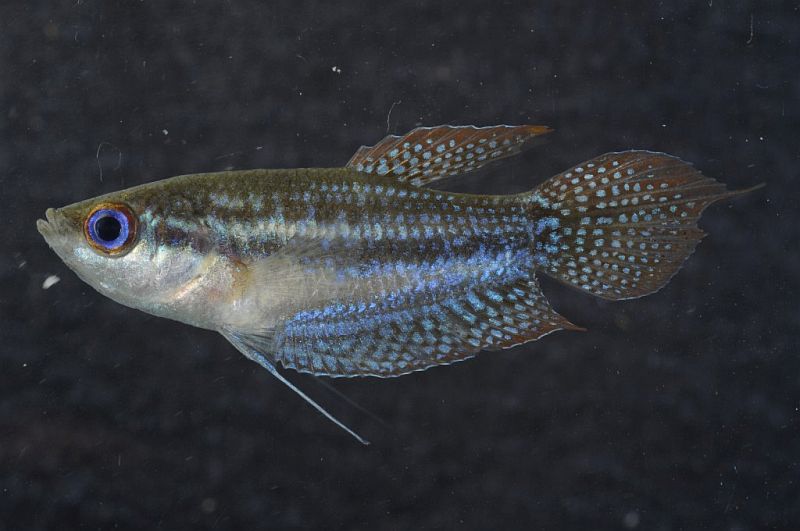
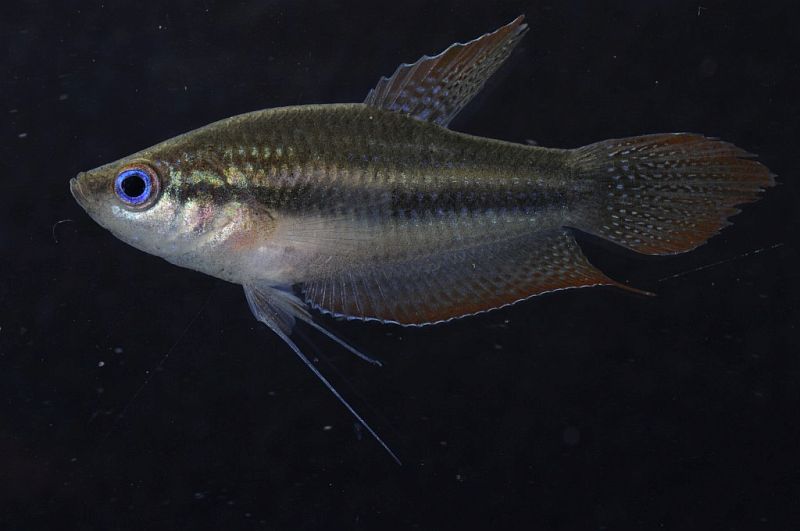
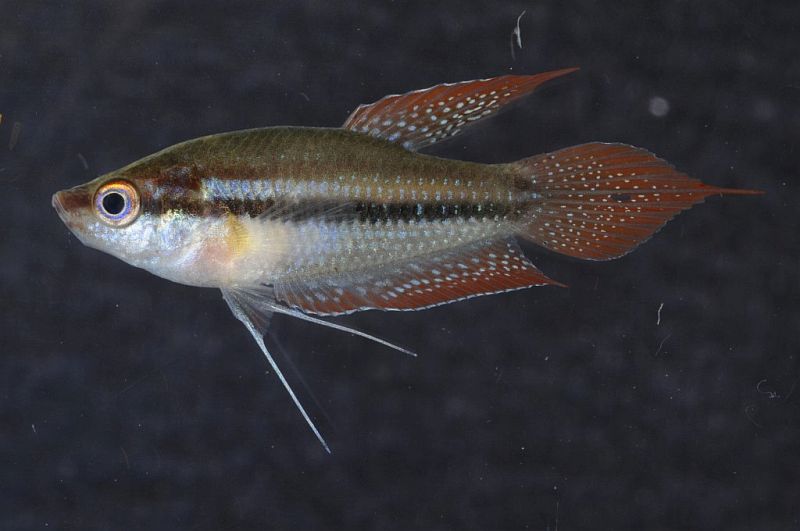
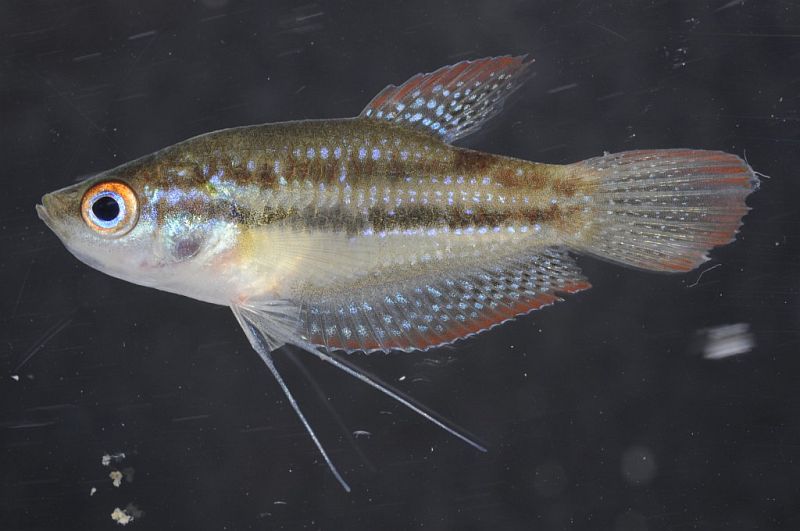
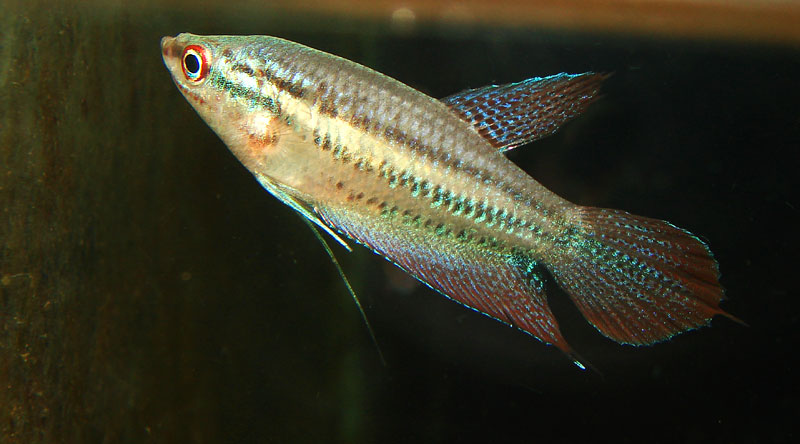
沙尔氏短攀鲈(Trichopsis schalleri)是能够发声的小型迷鳃鱼,通常温和,繁殖期行为会改变。体侧上方纵纹会随状态变深、变淡甚至消失,不能把一时的淡纹当成固定鉴别特征。
分布与栖息地
分布于老挝、泰国、柬埔寨和越南的湄公河下游流域,也见于泰国中部湄南河支流及两大流域之间的东部水系。常利用低地静水或缓流,包括沼泽林、洪泛地、支流、灌渠、稻田与沟渠,偏爱植被茂密、水流很弱的环境。
饲养环境
水草密植并适度遮阴,用浮水植物、沉木和小洞增加藏身位置。干落叶提供额外遮蔽,微生物可补充幼鱼食物。过滤宜温和,避免强流。
缸盖应严密,水面上留空气层,防跳同时保证它能接触湿润空气。育苗时温暖潮湿的空气层对迷鳃器官发育尤其重要。
食性与喂食
自然食物可能是昆虫和其他小型无脊椎动物。适应后通常可接受干粮,但仍应搭配较多小型活饵、冷冻饵料,例如水蚤、丰年虾及适口红虫。
习性与混养
非繁殖期通常温和,可成对或小群饲养。群体会出现有趣的展示和声音交流,但需留意繁殖时的护巢互动。
雌雄区分
雄鱼更大,腹鳍、背鳍、臀鳍和尾鳍有较长延伸。成熟雌鱼体内卵巢也可帮助判断性别。
繁殖
泡巢型,据说软水配合稍高温度可促进繁殖,不能保证单靠这项改变就成功。雄鱼在水面植物间、悬挑处或洞中筑巢。雌鱼可能头朝上接近并发声,双方随后在巢下相拥,分批排出成团卵,由雄鱼送入巢中,一窝可达约两百粒。
产后通常可留亲鱼原处,雄鱼多能容忍雌鱼,她有时也参与外围防守。卵通常两天内孵化,幼鱼再留巢约三至四天吸收卵黄。自由游动后雄鱼停止关注,可分出亲鱼或鱼苗。
鱼苗前几天用极小微生物饵开口,再转微虫和丰年虾无节幼体,换水少量而规律。
补充说明
与短攀鲈(Trichopsis pumila)相比,本种体型更大,上方纵纹的深浅更易随状态变化。雌雄都能利用胸鳍特化结构发声,常见于争执及求偶。
图片
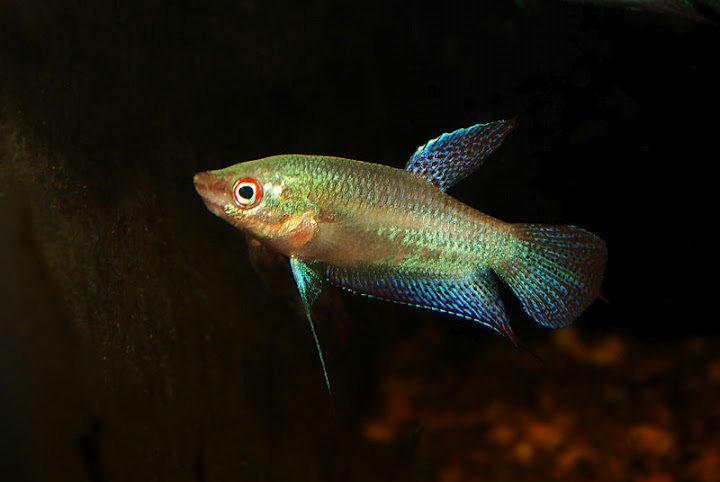
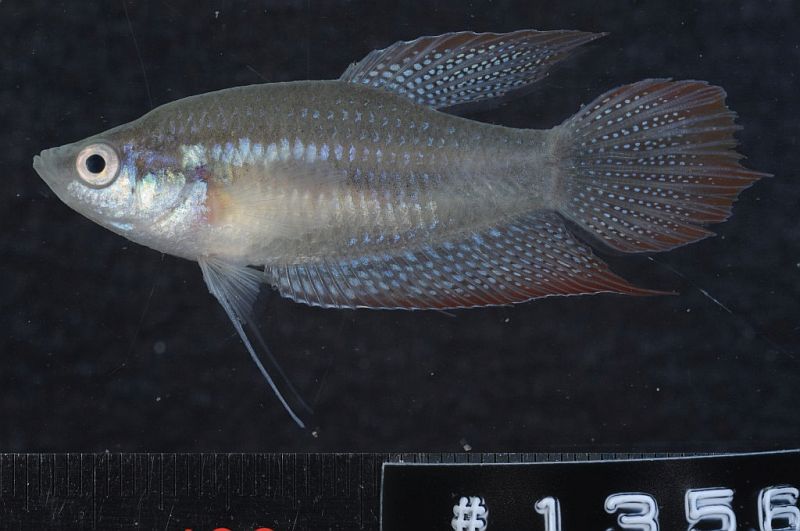
图片来自 SeriouslyFish,版权归各摄影者所有。
English
Overview
Trichopsis schalleri is a small sound-producing labyrinth fish that is generally peaceful outside breeding. Its upper body stripe changes with state and may disappear, so a temporary faded marking should not be treated as a fixed diagnostic character.
Distribution & habitat
It occurs in the lower Mekong basin of Laos, Thailand, Cambodia, and Vietnam, plus central Thai Chao Phraya tributaries and eastern drainages between the two systems. It favors densely vegetated, very slow or still lowland waters, including swamp forest, floodplains, canals, rice fields, and ditches.
Aquarium setup
Provide a shaded, densely planted aquarium with floating cover, wood, and small shelters. Dried leaves add cover and support microorganisms that can supplement fry food. Keep filtration gentle.
Fit a secure lid and leave an air space above the water. This fish jumps and needs access to humid air. A warm, moist air layer is especially important for labyrinth-organ development in fry.
Diet & feeding
Wild food probably consists of insects and other small invertebrates. Settled fish generally accept dry foods, but provide plenty of small live or frozen supplements such as Daphnia, brine shrimp, and appropriately sized bloodworms.
Behaviour & compatibility
Pairs or small groups can be maintained. Generally calm outside reproduction, the fish displays social and acoustic interactions that require renewed observation when nest defense begins.
Sexual dimorphism
Males are larger, with longer extensions to the pelvic, dorsal, anal, and tail fins. Visible ovaries can offer an additional clue in mature females.
Breeding
The male builds a bubble nest among surface plants, beneath an overhang, or inside a cavity. Soft water and slightly higher temperature are said to encourage reproduction, but do not guarantee success. A receptive female may approach head-up while making sounds. Spawning embraces release small packets of eggs, which he carries to the nest. A brood may reach about 200 eggs.
Adults can usually remain afterward. The male generally tolerates the female, who may help defend the surrounding area. Hatching normally occurs within two days, followed by another three or four days in the nest while yolk reserves are absorbed. Once fry swim freely, male care ends and either generation can be moved.
Begin with infusoria-sized foods before progressing to microworms and brine shrimp nauplii. Make small, regular water changes.
Notes
Compared with Trichopsis pumila, it is larger and has a more variable upper stripe. Both sexes use specialized pectoral structures to produce sounds during courtship and disputes.
来源
- https://www.seriouslyfish.com/species/trichopsis-schalleri(抓取于 2026-10-10)
trichopsis-schalleri · 文件: data/species/trichopsis-schalleri.md · 状态: 草稿