恒河毛足斗鱼 · Honey Gourami
概要
| 字段 | 值 |
|---|---|
| 类别 | 鱼 |
| 学名 | Trichogaster chuna |
| 别名 | 恆河毛足鬥魚、Trichopodus chuna、Colisa chuna、Trichopodus sota、Colisa sota |
| 分类 | 攀鲈目 Anabantiformes › 丝足鲈科 Osphronemidae › Trichogaster |
| 水体 | 淡水 |
| 原产地 | 孟加拉国、印度、尼泊尔 |
| 成体体长 | 5.5 cm |
| 饲养难度 | 入门 |
| 最小水体 | 54 L |
| 最小缸长 | 60 cm |
| 群居方式 | 成对 |
| 水流偏好 | 低 |
| 特征 | 会跳缸: 是 |
| 外部数据 | seriouslyfish trichogaster-chuna;fishbase 11201 |
| 繁殖方式 | 吐泡筑巢 |
水质参数
| 参数 | 耐受范围 | 最适范围 | 单位 |
|---|---|---|---|
| 水温 | 22–27 | — | °C |
| pH | 6–7.5 | — | — |
| 总硬度 | 2–15 | — | dGH |
概述
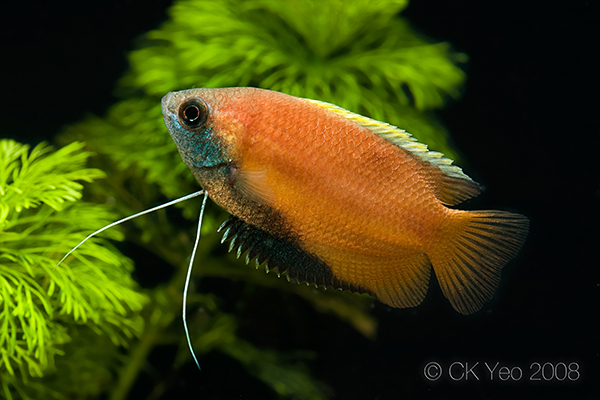
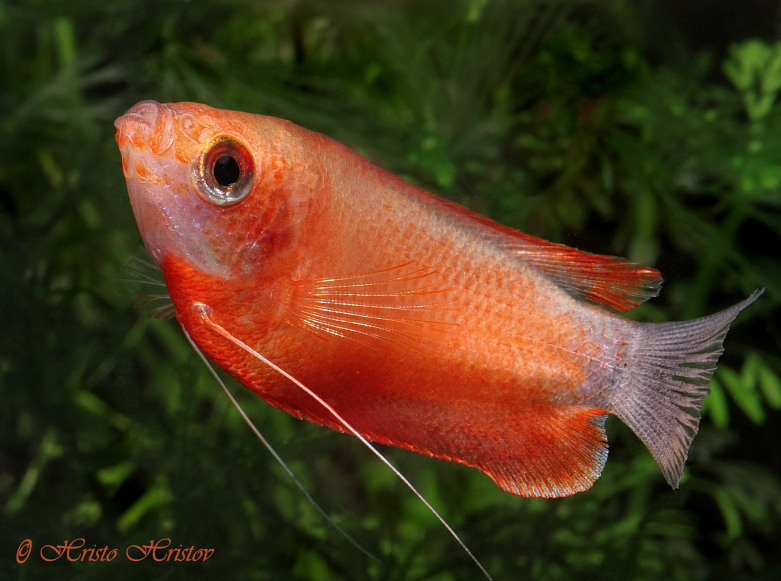
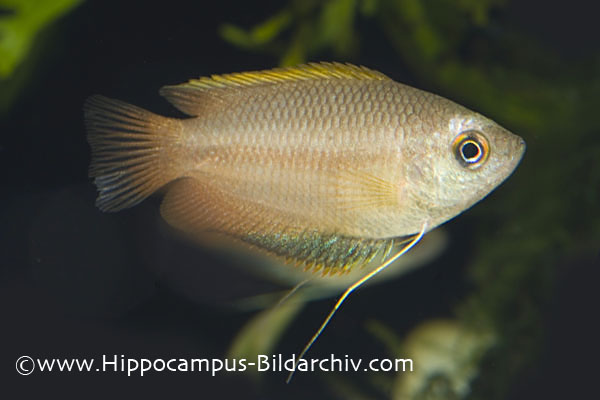
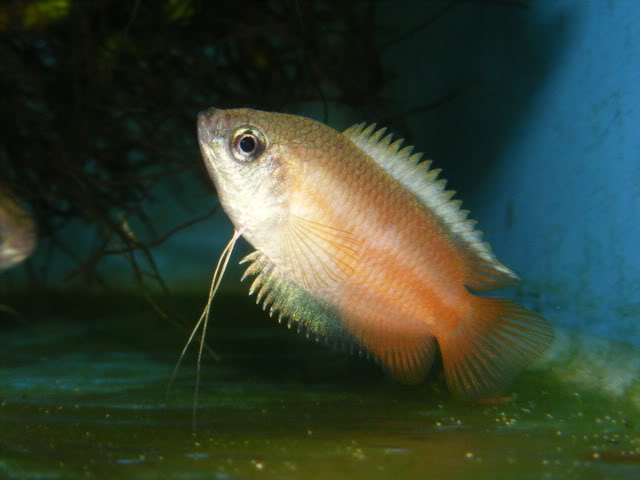
恒河毛足斗鱼(Trichogaster chuna)体形小,行动缓慢,适合安静的水草环境。野生型雄鱼繁殖期会出现橙色体躯与蓝黑喉腹,而人工红色、金色等品系不一定呈现同样变色。
分布与栖息地
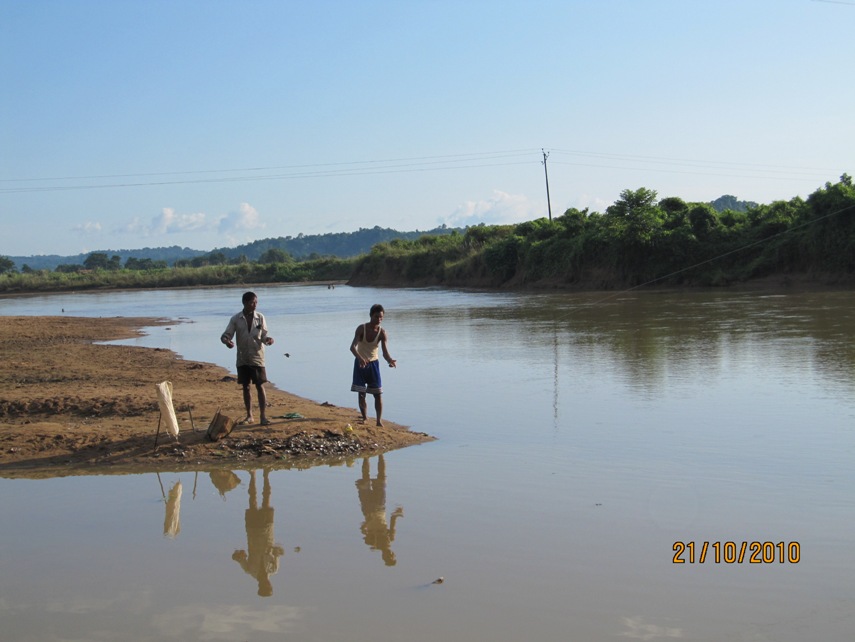
原生印度及孟加拉国的恒河、布拉马普特拉河水系,另有尼泊尔记录。主要利用低海拔多草池塘、沟渠、洼地湖和淹水田地,水位与水质随季风变化;贸易个体绝大多数来自人工繁殖。
饲养环境
一对或小群可参考至少 60 × 30 厘米底面积。密植与浮水植物遮阴,配沉木、小管和落叶形成退避处,海绵过滤轻柔运行。盖好缸,水面不要加到顶,留下潮湿空气层供吞气,并防偶尔跳跃。
食性与喂食
可接受干粮,但应定期搭配水蚤、丰年虾、红虫等小型活冷冻饵。适口果蝇或小蟋蟀也可变化食谱,喂鱼前先给昆虫补食。
习性与混养
容易受大型或争食强伙伴压制,选择温和小型鱼,避免好斗及强领地种。虽不是紧密群游鱼,四至六尾同养能展示互动;群体会形成等级,进食或占位时可能互相驱赶。
雌雄区分
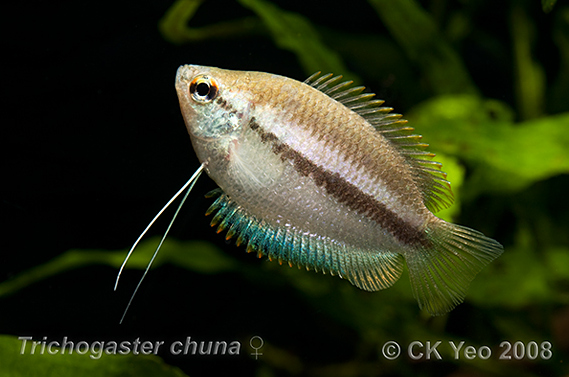
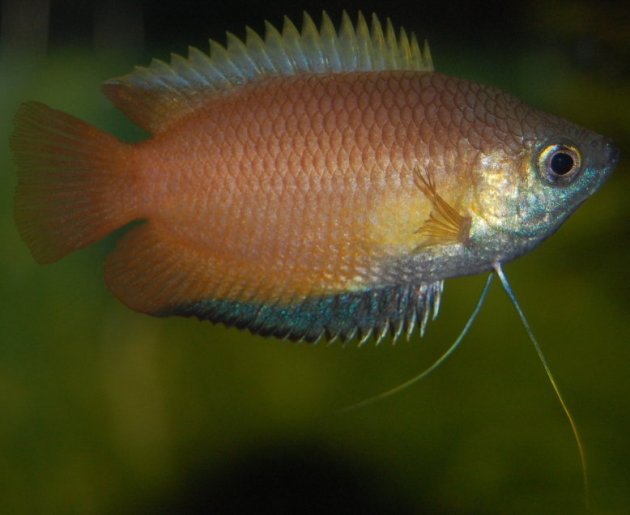
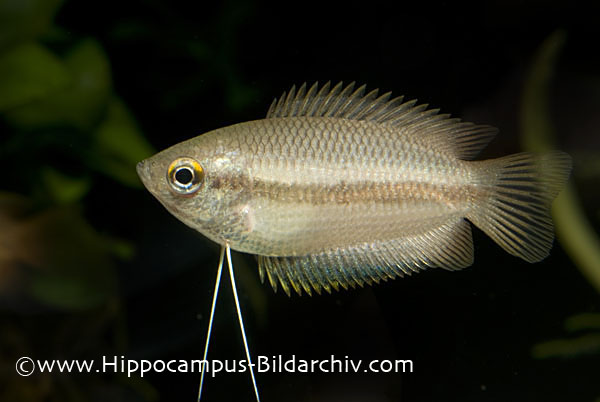
野生型雌鱼较大、褐色,并有眼后至尾柄的宽暗带;雄鱼底色更橙,繁殖时头喉及腹前部转蓝黑。人工色型应结合体形判断,不能机械套用野生型发色。
繁殖
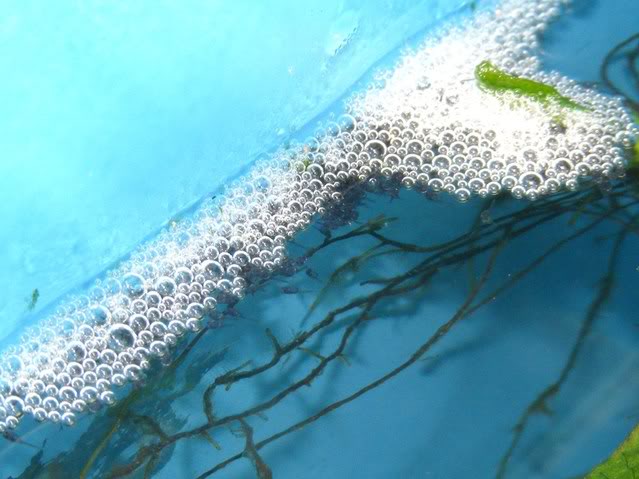
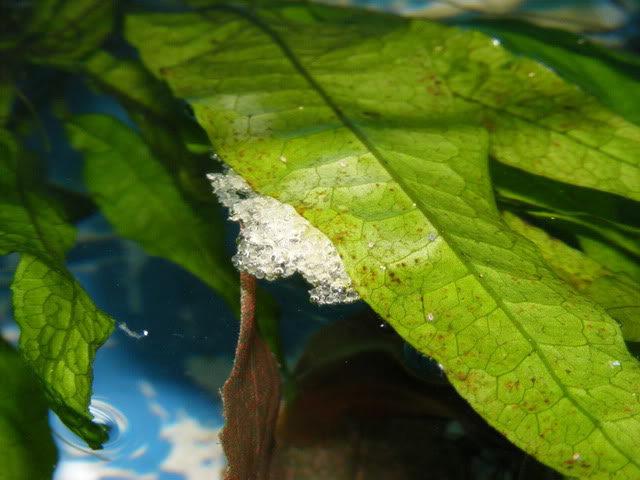
雄鱼在大叶下或缸角筑不夹植物材料的泡巢,繁殖缸需浮水植物、弱水流和严密缸盖。用活饵调理后,亲鱼在巢下环抱,雄鱼把卵收进巢,产完逐离雌鱼,应移走雌鱼。约 24~36 小时孵化,可移走雄鱼;再 24~48 小时幼鱼自由游动。第一周用微型开口饵,之后转丰年虾幼体或微虫,换水须缓和并保持温度和水质一致。
图片
图片来自 SeriouslyFish,版权归各摄影者所有。
English
Overview
Small and deliberate in movement, Trichogaster chuna suits a quiet planted aquarium. Breeding males of the natural form develop orange coloration and a dark throat and underside. Selectively bred red or gold forms do not necessarily show the same color changes.
Distribution & habitat
It comes from the Ganges and Brahmaputra systems of India and Bangladesh, with records from Nepal. Vegetated lowland ponds, ditches, floodplain waters, and inundated fields undergo seasonal monsoon changes. Aquarium stocks are overwhelmingly captive-produced.
Aquarium setup
A 60 by 30 cm base can suit a pair or small group. Dense growth, floating shade, wood, small retreats, and leaves create security. Run sponge filtration gently. Cover the aquarium, leaving a humid space above the water for air breathing and accounting for occasional jumping.
Diet & feeding
Prepared food can be used with regular small live or frozen supplements such as water fleas, brine shrimp, and bloodworms. Suitable small insects add variety and can be fed nutritious material before being offered to the fish.
Behaviour & compatibility
Avoid aggressive, territorial, or forceful feeders that can intimidate it. Small peaceful companions are more suitable. Although it does not school tightly, four to six allow social interactions to develop. Expect a hierarchy and occasional displacement around food or favored positions.
Sexual dimorphism
Natural-form females are larger and brownish, with a broad lateral stripe. Males have a more orange base and acquire a blue-black head and anterior underside during breeding. Ornamental strains require caution when applying these color criteria.
Breeding
The male builds a bubble nest beneath a leaf or against a corner, without incorporating plant fragments. Provide floating cover, gentle filtration, and a close-fitting lid. After conditioning with live food, repeated embraces release eggs that he gathers into the nest. Separate the female when spawning ends. Eggs hatch in 24–36 hours, when the male can also be removed; free swimming follows 24–48 hours later. Supply microscopic food for the first week, then nauplii or microworms. Fry are sensitive to water changes, so keep temperature and chemistry stable.
来源
- https://www.seriouslyfish.com/species/trichogaster-chuna(抓取于 2026-10-10)
trichogaster-chuna · 文件: data/species/trichogaster-chuna.md · 状态: 草稿