中间薄丽鲷
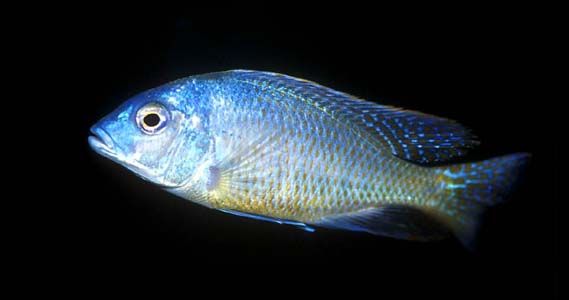
概要
| 字段 | 值 |
|---|---|
| 类别 | 鱼 |
| 学名 | Tramitichromis intermedius |
| 别名 | 中間薄麗鯛 |
| 分类 | 慈鲷目 Cichliformes › 慈鲷科 Cichlidae › Tramitichromis |
| 水体 | 淡水 |
| 成体体长 | 16 cm |
| 饲养难度 | 入门 |
| 最小水体 | 173 L |
| 最小缸长 | 120 cm |
| 性情 | 温和 |
| 外部数据 | seriouslyfish tramitichromis-intermedius;fishbase 2256 |
| 原产地 | 马拉维湖南部 |
| 食性 | 肉食 |
| 领地性 | 是 |
| 特征 | 翻底砂: 是 |
| 繁殖方式 | 口孵 |
水质参数
| 参数 | 耐受范围 | 最适范围 | 单位 |
|---|---|---|---|
| 水温 | 24–28 | — | °C |
| pH | 7.6–8.8 | — | — |
| 总硬度 | 10–25 | — | dGH |
概述
中间薄丽鲷(Tramitichromis intermedius)是筛砂觅食的马湖慈鲷,软沙和宽敞底面积比复杂石景更重要。性情通常温和,但雄鱼繁殖时会占据很大的领地;水质与喂食管理不宜松懈。
分布与栖息地
马拉维湖特有种,在湖南部广泛分布。多活动于浅水区,在沉积物较多的沙底或泥底筛取食物。
饲养环境
至少使用 120 cm 长的缸,并提供尽可能大的底面积,宽度不宜小于约 38 cm。柔软沙底是必需条件,避免砾石和尖锐材料。少量分散的石堆可作遮蔽,不要占满觅食空间。规律进行少量换水并严格维护,保持稳定、洁净的环境。
食性与喂食
野外捕食微小动物,人工应以多样的小型活饵和冻饵为主,优质干粮只作适量补充。不要喂陆生动物肉。
习性与混养
不适合和过分强势的岩栖马鲷混养。可考虑性情温和、体型相近但略小的马湖慈鲷。雄鱼领地性明显,野外领地可达约 1.5~1.8 m 宽,多雄同养需要很大空间。每雄搭配数条雌鱼,可分散求偶追逐压力。
雌雄区分
优势雄鱼颜色明显鲜艳,通常也略大于雌鱼和处于弱势的雄鱼。
繁殖
雌鱼口孵。可从幼鱼群开始养成一雄多雌的繁殖组合,并用多样小型活饵和冻饵调养。雄鱼在沙底挖出产卵场,发色展示并追逐雌鱼,求偶时可能颇具攻击性。
雌鱼进入产卵点产卵,雄鱼受精后,雌鱼将卵收入口中。通常口孵约 3~4 周,期间不进食,口部鼓起。转移含卵雌鱼可以减少鱼苗被捕食,却也可能因惊扰而提前吐卵或吞卵,因此应谨慎。人工取苗属于有经验者的操作。
鱼苗释放当天即可接受丰年虾无节幼体和压碎的螺旋藻薄片。
补充说明
本属与近似属的划分曾因下颌齿列差异而受到讨论,本种未来可能调整属级归属。
图片
图片来自 SeriouslyFish,版权归各摄影者所有。
English
Overview
For Tramitichromis intermedius, usable sand area is more important than elaborate rockwork. This generally peaceful Malawi cichlid extracts tiny prey from sediment, although breeding males defend substantial territories. Careful feeding and consistent maintenance are important.
Distribution & habitat
Endemic to Lake Malawi, it is widespread in the southern portion. Shallow habitats with sediment-rich sand or mud provide the substrate it sifts for food.
Aquarium setup
Use a tank at least 120 cm long with generous floor space and a width of roughly 38 cm or more. Soft sand is essential; gravel and sharp materials interfere with natural feeding. A few separate rock piles can provide cover without filling the feeding area. Frequent small partial water changes and rigorous upkeep help maintain good condition.
Diet & feeding
A natural predator of tiny animals, it benefits from varied small live and frozen foods. Quality dry foods can supplement these but should be used sparingly. Avoid terrestrial animal meat.
Behaviour & compatibility
Boisterous rock-dwelling Malawi cichlids are unsuitable. Peaceful lake species of comparable but slightly smaller size are better candidates. Male territories in nature can span about 1.5–1.8 m, so housing several males requires a very large aquarium. Several females per male help distribute courtship pressure.
Sexual dimorphism
Dominant males develop much stronger color and are usually somewhat larger than females and subordinate males.
Breeding
The female performs mouthbrooding. Raising juveniles together can provide a breeding group with several females for each male. Condition them on varied small live and frozen foods. The male excavates a site in the sand, displays intense color, and may pursue females forcefully.
A receptive female deposits eggs at his site, allows fertilization, and collects them into her mouth. Incubation usually lasts around three to four weeks, during which she does not feed and her mouth becomes distended. Moving her may reduce predation on released fry, but disturbance can also cause premature release or consumption of the brood. Artificial removal of young is a specialist procedure.
Released fry can immediately eat Artemia nauplii and crushed spirulina flakes.
Notes
The distinction between this genus and related fishes has been questioned on the basis of lower-jaw dentition. Future changes in generic placement remain possible.
来源
- https://www.seriouslyfish.com/species/tramitichromis-intermedius(抓取于 2026-10-10)
tramitichromis-intermedius · 文件: data/species/tramitichromis-intermedius.md · 状态: 草稿