火口鱼 · Firemouth Cichlid
概要
| 字段 | 值 |
|---|---|
| 类别 | 鱼 |
| 学名 | Thorichthys meeki |
| 别名 | 火口魚、Thorichthys helleri meeki、Cichlasoma meeki、Herichthys meeki、Cichlasoma hyorhynchum |
| 分类 | 慈鲷目 Cichliformes › 慈鲷科 Cichlidae › Thorichthys |
| 水体 | 淡水 |
| 原产地 | 伯利兹、危地马拉、墨西哥、美国 |
| 成体体长 | 12 cm |
| 饲养难度 | 中等 |
| 最小水体 | 108 L |
| 最小缸长 | 120 cm |
| 群居方式 | 成对 |
| 外部数据 | seriouslyfish thorichthys-meeki;fishbase 4676 |
| 领地性 | 是 |
| 繁殖方式 | 附着产卵 |
水质参数
| 参数 | 耐受范围 | 最适范围 | 单位 |
|---|---|---|---|
| 水温 | 20–32 | — | °C |
| pH | 6.5–8.5 | — | — |
| 总硬度 | 2–15 | — | dGH |
概述
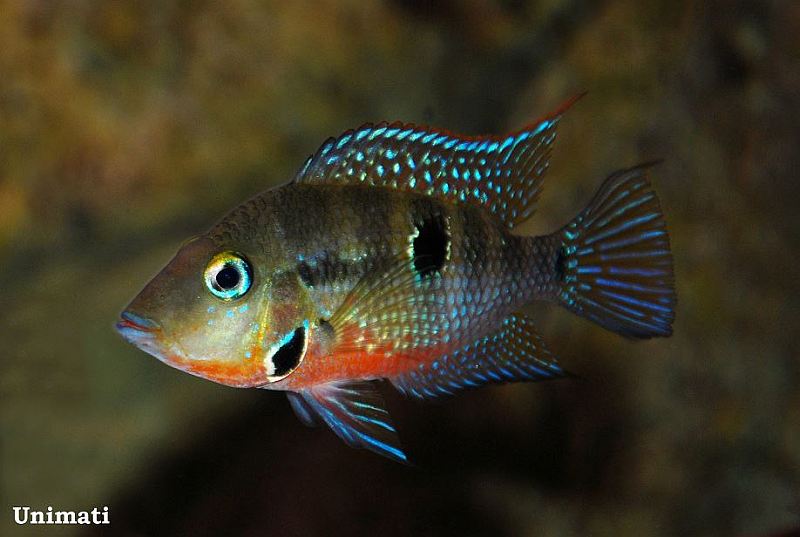
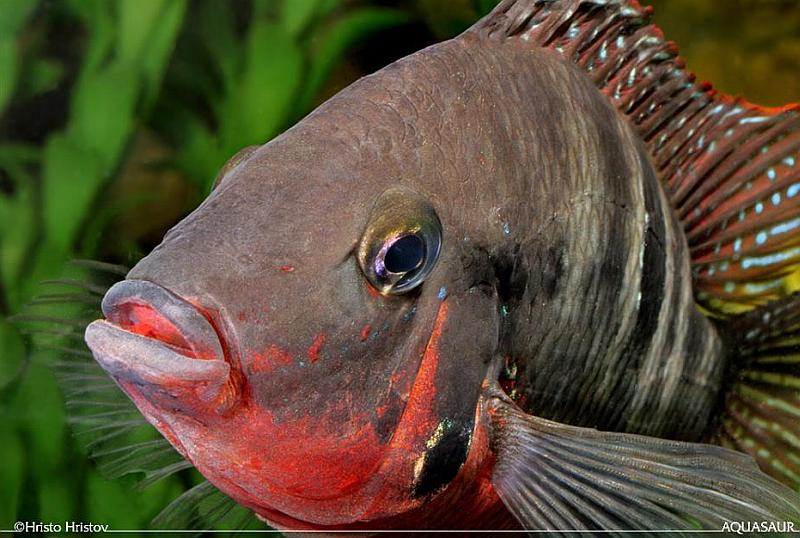
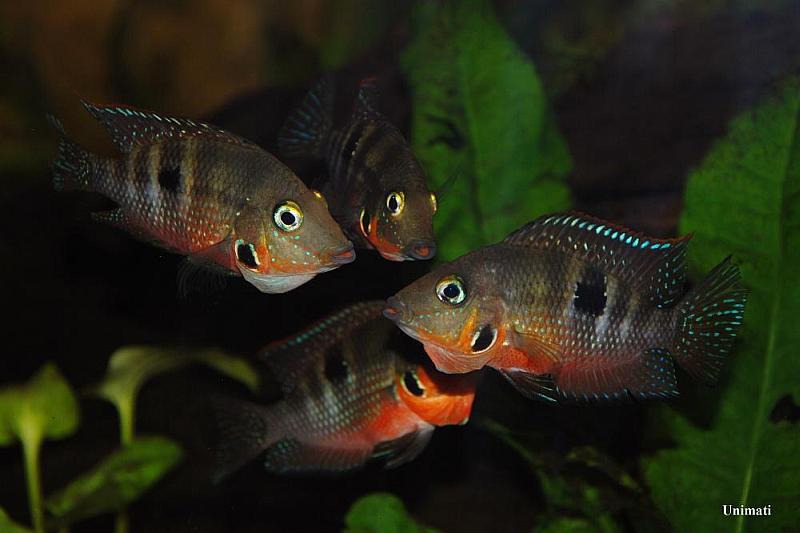
火口鱼(Thorichthys meeki)以下颌至头部腹面的鲜红或橙色出名,成鱼尤其明显。市场上绝大多数为人工繁殖个体。它平时并不特别凶猛,但繁殖时会守卫领地,小得多的鱼也可能成为猎物。
分布与栖息地
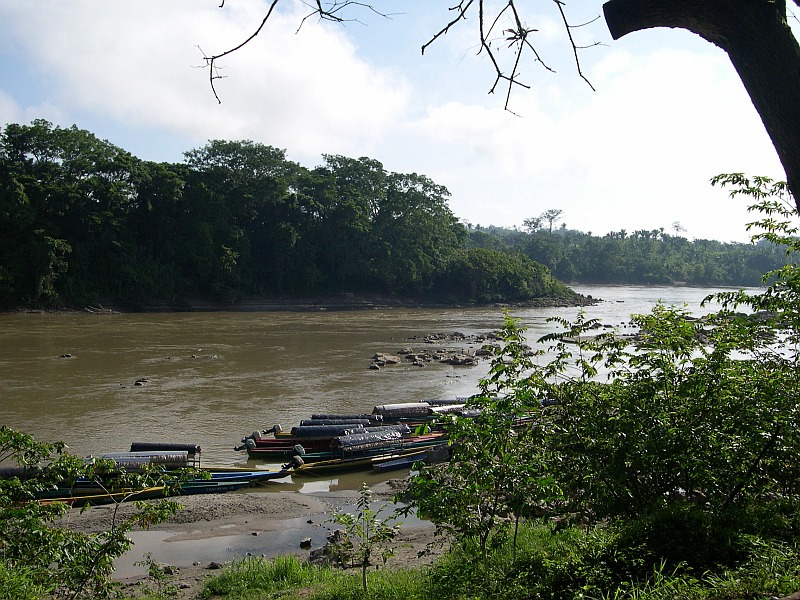
原生范围由墨西哥大西洋坡面的 Tonalá 河水系向东,经尤卡坦半岛延伸至伯利兹北部和危地马拉。美国夏威夷、波多黎各等地有归化种群,亚利桑那和佛罗里达也有记录,属于引入分布。
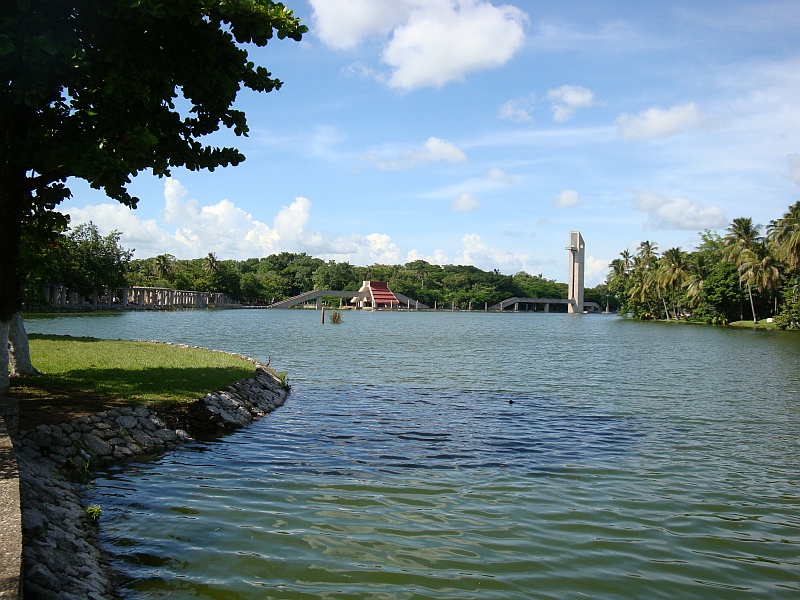
栖息环境多样,包括低地河流支流、沟渠、泉池、湖沼及石灰岩天然井等,多为浅水、静水至中等流速,可从清澈到浑浊,甚至略带盐分。底部可为沙泥或石灰质材料,落叶和沉水枝木很常见,水草密度则不固定。
饲养环境
一对鱼可从底面积约 120 × 30 cm 的缸开始,不过与同种及其他鱼共同生活时,更大的缸更合适。软沙、圆滑石块和沉木根枝可形成遮阴和洞穴,花盆、管道等人工庇护物也可使用,重点是覆盖和结构充足。
维持良好水质,待过滤系统成熟后再入鱼。
食性与喂食
这类慈鲷会吞入口中底砂并筛出可食物,再从口和鳃部排走砂粒。自然食物包括小型甲壳动物、其他无脊椎动物、软体动物及有机碎屑。
人工饲养通常不挑食,但应提供细颗粒优质配合饵,搭配红虫、水蚯蚓、丰年虾、孑孓等活饵或冻饵。部分干粮需含较多螺旋藻等植物成分。也可制作含鱼粮、贝肉及果蔬的凝胶饵,切成易吞食的小块。
习性与混养
繁殖时领地行为增强。同体型中美洲慈鲷可以考虑混养,但每种鱼都需有足够空间形成自己的区域;温和的上层鱼也可作为同伴。非繁殖时同属鱼具有群居倾向,宽敞环境中可考虑 8 条或以上的群体,而不是把一对鱼的最低缸尺寸直接用于整群。小鱼仍有被吞食的风险。
雌雄区分
幼鱼不易分辨。成年雄鱼通常较大,背鳍、臀鳍延长部分更明显,颜色也较鲜艳,繁殖期尤为突出。
繁殖
亲鱼成对在基质表面产卵,双方护幼。让幼鱼自然配对后分别安置较可靠;良好饮食与严格维护是主要条件,通常不需特定刺激,野生鱼可能更有季节性。
平石、沉木、宽叶甚至缸壁都可能成为产卵面。雌鱼分批排列卵,雄鱼随后受精,总数可达数百枚。雌鱼主要照顾卵,雄鱼守卫周边。年轻或缺乏经验的配对,尤其受惊时,可能吃掉最初几窝卵;若在混养缸繁殖并希望保留较多鱼苗,可移出其他鱼或转移卵。
通常产卵约 4~5 天后鱼苗自由游动,能吃优质粉状干粮、丰年虾无节幼体和微虫。亲鱼照料可继续数周。
图片
图片来自 SeriouslyFish,版权归各摄影者所有。
English
Overview
The red to orange underside of the head gives Thorichthys meeki its familiar appearance, becoming particularly conspicuous in adults. Most fish sold are commercially bred. It is not exceptionally aggressive, although reproduction brings territorial defense and very small companions may be eaten.
Distribution & habitat
The native range follows the Atlantic side of Mexico eastward from the Tonalá basin, around the Yucatán Peninsula, and into northern Belize and Guatemala. Established populations in Hawaii and Puerto Rico, along with records from Arizona and Florida, represent introductions.
Habitats range from lowland tributaries and ditches to spring-fed ponds, lagoons, and cenotes. Water is generally shallow, with little to moderate movement; clarity and salinity vary from clear freshwater to muddy or slightly brackish conditions. Sand, mud, and calcareous substrates occur, often with leaves and submerged wood. Aquatic vegetation is variable.
Aquarium setup
A pair can start with a footprint of approximately 120 × 30 cm, but a larger aquarium better accommodates conspecifics and other companions. Provide ample structure and cover. Sand, smooth stones, roots, and branches create shaded retreats, while pots and pipe are also usable.
Introduce fish only after biological filtration is mature and maintain high water quality.
Diet & feeding
These cichlids sift mouthfuls of substrate, retaining food and ejecting unwanted particles through the mouth and gill openings. Natural foods include small crustaceans, other invertebrates, mollusks, and organic detritus.
Captive fish generally accept food readily. Combine fine prepared foods with live or frozen items such as bloodworms, Tubifex, Artemia, and mosquito larvae. Include dry foods rich in plant material. Gel foods containing prepared fish food, shellfish, fruit, and vegetables are another option when cut into small portions.
Behaviour & compatibility
Territorial defense increases during breeding. Similarly sized Central American cichlids are possible companions if each has sufficient space; peaceful upper-water fish can also be included. Outside reproduction, members of the genus are social, with groups of eight or more suited to sufficiently spacious quarters. The minimum pair setup should not be treated as group accommodation. Much smaller fish remain potential prey.
Sexual dimorphism
Young fish are difficult to distinguish. Adult males tend to be larger, more intensely colored, and more elongated in the dorsal and anal fin extensions, particularly during breeding.
Breeding
Pairs spawn on a surface and share parental duties. Starting with juveniles allows natural pairing, after which pairs can be separated. Good nutrition and consistent maintenance generally matter more than a particular trigger, though wild fish may show stronger seasonality.
Eggs can be attached to flat stones, wood, broad leaves, or aquarium glass. The female deposits successive rows and the male follows to fertilize them, producing several hundred eggs in total. She attends the clutch while he guards the surrounding territory. Inexperienced pairs may consume early broods, especially after disturbance. Removing companions or transferring eggs can improve fry survival in a community setup.
Free swimming normally begins around 4–5 days after spawning. Powdered prepared foods, Artemia nauplii, and microworms are accepted. Parental protection may continue for several weeks.
来源
- https://www.seriouslyfish.com/species/thorichthys-meeki(抓取于 2026-10-10)
thorichthys-meeki · 文件: data/species/thorichthys-meeki.md · 状态: 草稿