亚马逊海蟾鱼 · Prehistoric Monster Fish
概要
| 字段 | 值 |
|---|---|
| 类别 | 鱼 |
| 学名 | Thalassophryne amazonica |
| 别名 | 亞馬遜海蟾魚 |
| 分类 | 蟾鱼目 Batrachoidiformes › 蟾鱼科 Batrachoididae › Thalassophryne |
| 水体 | 淡水 |
| 成体体长 | 15 cm |
| 最小水体 | 68 L |
| 最小缸长 | 75 cm |
| 外部数据 | seriouslyfish thalassophryne-amazonica;fishbase 53559 |
| 原产地 | 厄瓜多尔、秘鲁、巴西 |
| 食性 | 肉食 |
| 特征 | 吃小鱼: 是;翻底砂: 是 |
| 游动层 | 底层 |
| 繁殖方式 | 产卵 |
水质参数
| 参数 | 耐受范围 | 最适范围 | 单位 |
|---|---|---|---|
| 水温 | 24–28 | — | °C |
概述
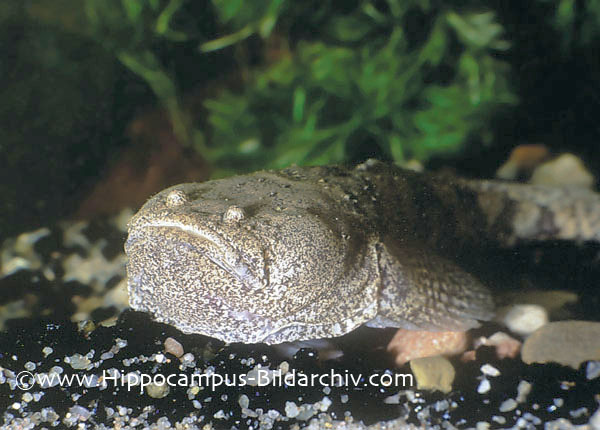
亚马逊海蟾鱼(Thalassophryne amazonica)是淡水伏击捕食鱼,绝大部分时间埋在沙里,只露出眼睛等待猎物。它专门吃鱼,活饵供应是饲养的核心难点;有毒硬棘也要求维护时谨慎操作。
分布与栖息地
原产厄瓜多尔、秘鲁和巴西亚马孙支流,采集记录包括科南博河、希奥纳河、阿塔亚河和科连特斯河。推测偏好河流沙底地带,也有流水环境记录。
饲养环境
活动范围很小,两条可从约 75 × 30 × 30 cm、68 L 的缸起步。必须铺约 5~7.5 cm 厚的柔软沙层供掩埋,其他装饰可简洁,用沉木和附着其上的水榕或蕨类增加遮蔽。
扎根底砂的植物可能受钻掘影响,浮水植物更便于柔化光线。它是真正的淡水种,不需要加盐;适度充气可能有帮助。避免水化学极端,酸碱度约 6.0~7.5 是可用方向。
食性与喂食
属于专性食鱼者,应在购入前准备持续、健康且适口的活鱼来源。虽然有以河虾替代的建议,但接受其他食物并不可靠,不能把转食成功当作前提。
可另设繁殖缸维持适口饵鱼来源。偏底部活动的小鱼更容易进入它的伏击范围,经常待在上层的卵胎生鱼未必合适。捕食时它会从沙中突然上冲,用大口吞入猎物,平时长时间不动并不稀奇。
习性与混养
以同种专缸为宜。小型同伴会被吃掉,它还能吞入比预期大的猎物;大鱼则容易抢走食物。同种之间似乎相处尚可,空间适当时可尝试成对或小群,仍需观察。
雌雄区分
成年雌鱼据称明显大于雄鱼,但这一性别差异尚需谨慎使用。
繁殖
有人工产卵记录,但没有确认成功孵化并养大幼鱼。一次记录中的鱼曾两次产卵,卵约 7 mm、琥珀色,每粒带一条黏性白丝,可能帮助其在流水中固定。
产卵持续数天,部分卵埋在沙中,部分落在底床表面;两批都未受精,也未观察到明确求偶或完整交配过程。因此,仅见到卵不能当作成功繁殖。
补充说明
背鳍、臀鳍和尾鳍相连,可帮助区别鳍彼此分离的近似淡水蟾鱼。它属于同属中少见的淡水成员,不能照搬近缘海水或河口种的加盐要求。
鳃盖和背鳍的中空棘连接毒腺,受压时可能注入毒液。毒性虽未被描述为特别强,移动及清缸时仍应避开直接接触,尤其留意埋沙个体的位置。
图片
图片来自 SeriouslyFish,版权归各摄影者所有。
English
Overview
The freshwater ambush predator Thalassophryne amazonica spends most of its time buried, with its eyes exposed while waiting for prey. A dependable supply of live fish is a central care challenge. Venom-bearing spines also require careful maintenance.
Distribution & habitat
It inhabits Amazon tributaries in Ecuador, Peru, and Brazil, with records from the Conambo, Shiona, Ataya, and Corrientes. Sandy river areas are presumed habitat, and flowing-water records are known.
Aquarium setup
Its sedentary habits allow two individuals to start with approximately 75 × 30 × 30 cm and 68 L. Provide a soft sand layer around 5–7.5 cm deep for burial. Decoration can be minimal, with wood and attached Anubias or aquatic ferns for additional cover.
Burrowing may disturb rooted plants; floating vegetation offers diffuse shade. This is a true freshwater fish and does not need salt. Some aeration may help. Avoid extremes of chemistry, with approximately pH 6.0–7.5 a suitable direction.
Diet & feeding
An obligate fish eater, it needs a continuing supply of healthy, suitably sized live prey prepared before purchase. Shrimp has been suggested as an alternative, but acceptance of nonfish foods is unreliable and should not be assumed.
A separate breeding aquarium can provide a controlled prey supply. Bottom-associated young fishes are more accessible to the ambush strategy than livebearers spending most of their time near the surface. Feeding involves a rapid upward strike from the sand; little movement between meals is typical.
Behaviour & compatibility
Dedicated housing is preferable. Small companions are eaten, sometimes at surprisingly large prey sizes, while bigger fishes readily outcompete it. Conspecifics appear more compatible, allowing a pair or small group where space permits and interactions are observed.
Sexual dimorphism
Adult females are reportedly much larger, but this distinction should be treated cautiously.
Breeding
Egg laying has occurred in captivity without confirmed successful hatching or rearing. One reported fish produced two batches of amber eggs approximately 7 mm across, each carrying a sticky white thread that may help anchor it in current.
Eggs appeared over several days, some beneath sand and others on the surface. Both batches were infertile, with no clear courtship or complete spawning behavior observed. Egg production alone should therefore not be described as successful propagation.
Notes
Connected dorsal, anal, and caudal fins help distinguish it from similar freshwater toadfishes with separate fins. Its freshwater status should not be overridden by the estuarine or marine requirements of relatives.
Hollow gill-cover and dorsal spines connect to venom glands and can inject venom under pressure. Although the venom is not described as especially potent, avoid direct contact during transfers or cleaning, particularly around buried fish.
来源
- https://www.seriouslyfish.com/species/thalassophryne-amazonica(抓取于 2026-10-10)
thalassophryne-amazonica · 文件: data/species/thalassophryne-amazonica.md · 状态: 草稿