无足秘鮰 · Footless Toothcarp
概要
| 字段 | 值 |
|---|---|
| 类别 | 鱼 |
| 学名 | Tellia apoda |
| 别名 | 無足祕鮰 |
| 分类 | 鳉形目 Cyprinodontiformes › Aphaniidae › Tellia |
| 水体 | 淡水 |
| 原产地 | 阿尔及利亚 |
| 成体体长 | 4.5 cm |
| 饲养难度 | 中等 |
| 最小水体 | 108 L |
| 最小缸长 | 120 cm |
| 群居方式 | 群游 |
| 外部数据 | seriouslyfish aphanius-apodus;fishbase 9649 |
| 领地性 | 是 |
| 繁殖方式 | 附着产卵 |
水质参数
| 参数 | 耐受范围 | 最适范围 | 单位 |
|---|---|---|---|
| 水温 | 16–30 | — | °C |
| pH | 7–9 | — | — |
| 总硬度 | 15–30 | — | dGH |
概述
无足秘鮰(Tellia apoda)因缺少腹鳍得名,是阿尔及利亚东北部局限分布的小型鳉鱼。野外现状不确定,饲养应以保持可靠来源和延续繁殖群体为重点,不能把旧的灭绝传闻当作已确认事实。
分布与栖息地
历史范围在君士坦丁与巴特纳之间的泰勒阿特拉斯山地区。已提到的采集记录止于 1990 年,观赏血系被认为主要来自艾因姆利拉种群。外来竞争鱼与农业污染被认为是威胁,但现存范围仍不清楚。
具体栖地信息有限,可能利用有水草或丝状藻的溪流、泉水和池塘,不能把这一推测当作全面调查结果。
饲养环境
用细纱产卵拖把与丝状藻提供遮蔽和附卵处。建议每升添加约 1—2 g 海水盐,这可能影响普通细叶水草生长;可裸底或铺惰性沙砾,不需要强水流。
每年应有数月温度位于其适温区间较低端的冬季阶段,持续温暖可能降低繁殖力和寿命。在当地气候适合的情况下可室外饲养,自然日照有助于状态,但不能照搬所有地区的全年室外方案。
食性与喂食
可参照旧近缘类群的喂养建议,规律提供丰年虾、水蚤、红虫等小型活饵或冷冻饵,特别是在春夏繁殖期间。多数鱼会逐渐接受干粮,没有丝状藻时可加入含螺旋藻的饲料。
习性与混养
特殊水质和种群维护需求使其更适合单种群养,通常每尾雄鱼配两至三尾雌鱼。雄鱼相对一些近缘种攻击较弱,多尾通常有同养可能,仍需保留繁殖领地之间的遮蔽。
雌雄区分
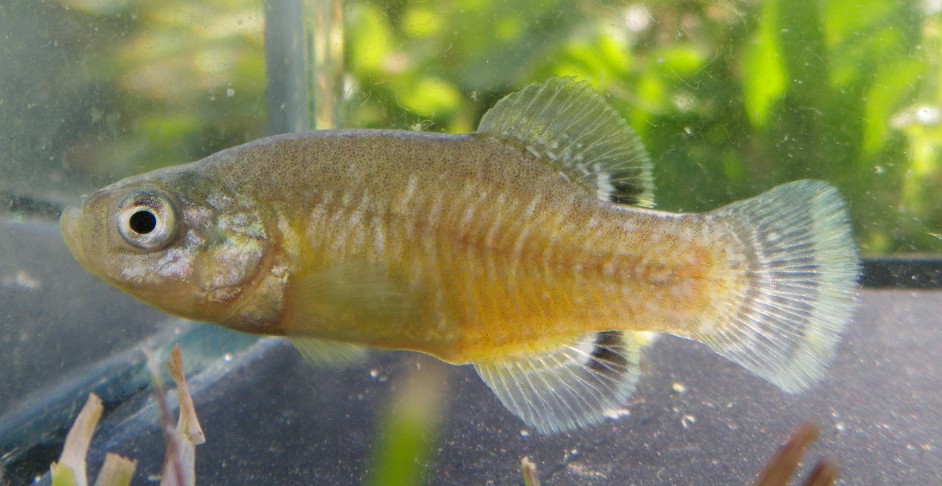
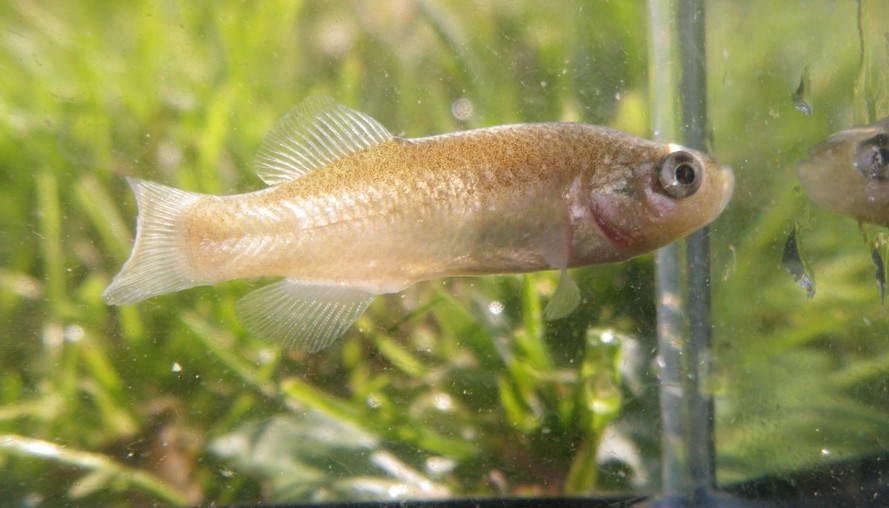
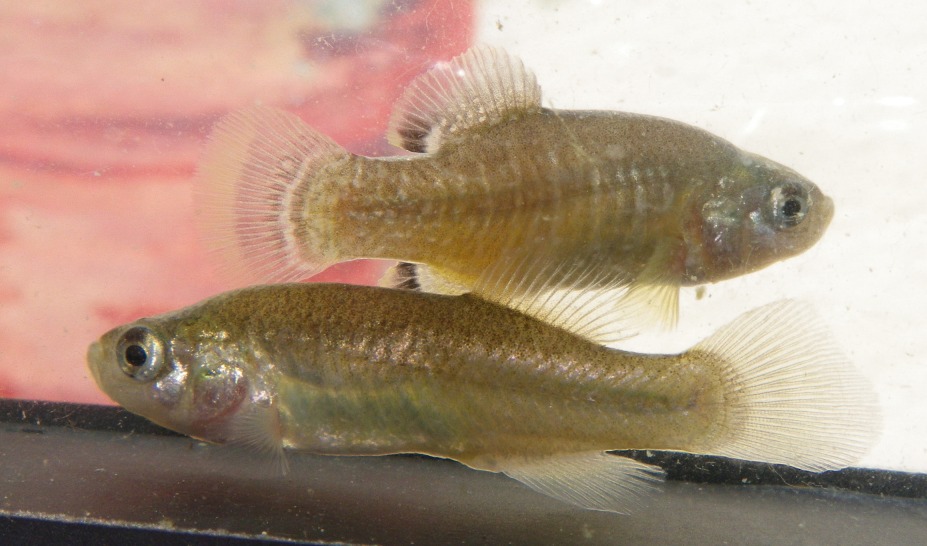
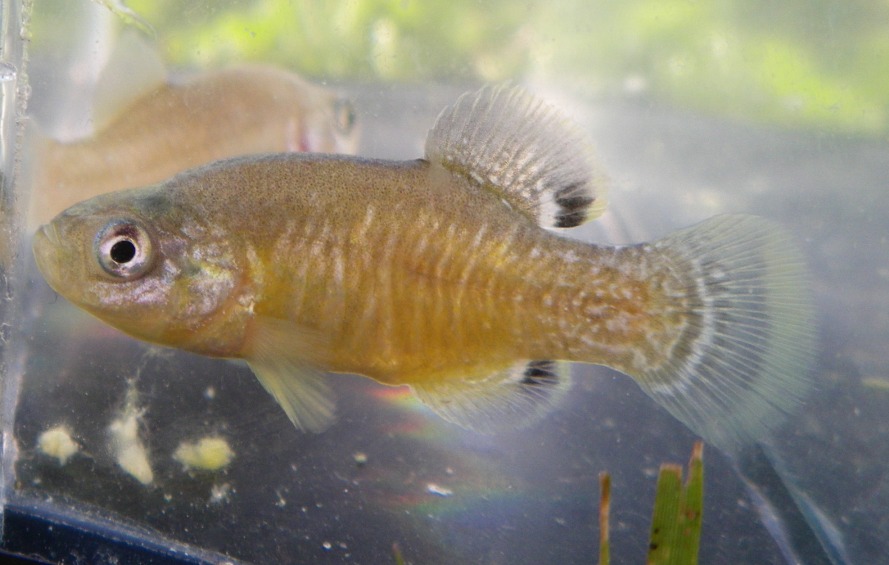
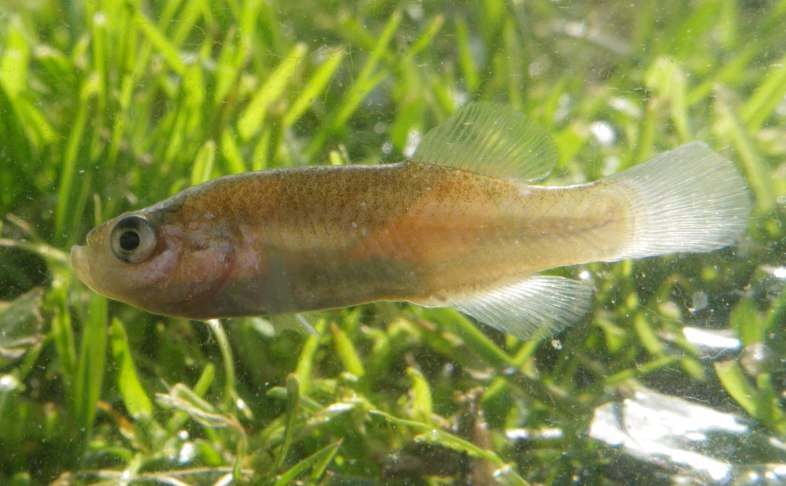
雄鱼腹部偏黄,前后花纹从竖带过渡到靠近尾柄的不规则亮点;背鳍、臀鳍和尾鳍有深带及黄色外缘。雌鱼更大、更朴素,体侧为暗斑,鳍透明。
繁殖
通常四至九月连续小批产卵,雄鱼防卫临时领地并展示更强烈颜色。卵借细丝附着在藻或其他表面,繁殖期宜每天检查,减少成鱼吃卵和幼鱼的风险。
转移卵时轻取附着材料,避免夹碰卵本身,也可每隔数天换整束拖把。孵化容器水质和温度与亲鱼缸一致,约七至十四天孵化,自由游动后可吃丰年虾无节幼体或微虫。
补充说明
腹鳍缺失是重要特征。历史上它曾与较广的秘鮰类群一同讨论,旧属名不能代替对具体繁育来源的核对。
图片
图片来自 SeriouslyFish,版权归各摄影者所有。
English
Overview
Named for its missing pelvic fins, Tellia apoda is a small killifish historically restricted to northeastern Algeria. Uncertain wild status makes reliable provenance and continued captive reproduction central considerations. Old rumors of extinction should not be presented as confirmed findings.
Distribution & habitat
The historical range lies in the Tellian Atlas between Constantine and Batna. The cited collection history ends in 1990, and aquarium stock is thought to originate mainly from Aïn M'Lila. Introduced competitors and agricultural pollution are proposed threats, while the surviving distribution remains unclear.
Detailed habitat information is limited. Streams, springs, and ponds with vegetation or filamentous algae are suggested rather than comprehensively documented.
Aquarium setup
Fine yarn mops and filamentous algae provide cover and egg attachment sites. Marine salt at about 1–2 g/L is recommended, potentially limiting ordinary fine-leaved plants. Bare bottoms or inert sand and gravel are suitable options; strong current is unnecessary.
Provide several winter months toward the cooler end of its temperature range. Constant warmth may reduce fecundity and longevity. Outdoor maintenance and sunlight can benefit condition where local climate permits, but year-round outdoor care should not be assumed appropriate everywhere.
Diet & feeding
Historical advice for related toothcarps combines regular small live or frozen brine shrimp, water fleas, and bloodworms, especially during spring and summer reproduction. Dry foods are usually learned. A Spirulina-containing preparation can supplement the absence of filamentous algae.
Behaviour & compatibility
Specialized water conditions and preservation of stocks favor a dedicated group, usually with two or three females per male. Males tend to be less aggressive than some relatives, and several may coexist, but cover between breeding territories remains useful.
Sexual dimorphism
Males have yellowish bellies, with vertical bars giving way to irregular iridescent spots toward the tail base. Dorsal, anal, and caudal fins combine dark bands with yellow outer margins. Larger, plainer females show flank blotches and clear fins.
Breeding
Repeated small spawnings commonly occur from April through September. Males defend temporary sites and intensify in color. Fine filaments attach eggs to algae or other surfaces. Daily checks help reduce losses from adults eating eggs or young.
Transfer attached material without gripping the eggs, or replace complete mops every few days. Match incubation water to the adults' temperature and chemistry. Hatching usually takes seven to fourteen days; free-swimming fry accept brine-shrimp nauplii or microworms.
Notes
Absent pelvic fins are a useful identifying feature. Historical placement within a broader toothcarp group does not replace verification of the actual breeding stock's origin.
来源
- https://www.seriouslyfish.com/species/aphanius-apodus(抓取于 2026-10-10)
tellia-apoda · 文件: data/species/tellia-apoda.md · 状态: 草稿