岩歧须鮠 · Dwarf Lake Synodontis
概要
| 字段 | 值 |
|---|---|
| 类别 | 鱼 |
| 学名 | Synodontis petricola |
| 别名 | 岩歧鬚鮠、False Cuckoo Synodontis |
| 分类 | 鲶形目 Siluriformes › 倒立鲶科 Mochokidae › Synodontis |
| 水体 | 淡水 |
| 成体体长 | 13 cm |
| 饲养难度 | 中等 |
| 最小水体 | 81 L |
| 最小缸长 | 90 cm |
| 群居方式 | 群游 |
| 性情 | 温和 |
| 外部数据 | seriouslyfish synodontis-petricola;fishbase 9606 |
| 原产地 | 坦噶尼喀湖 |
| 繁殖方式 | 散卵 |
水质参数
| 参数 | 耐受范围 | 最适范围 | 单位 |
|---|---|---|---|
| 水温 | 24–28 | — | °C |
| pH | 7.5–8.5 | — | — |
| 总硬度 | 10–35 | — | dGH |
概述
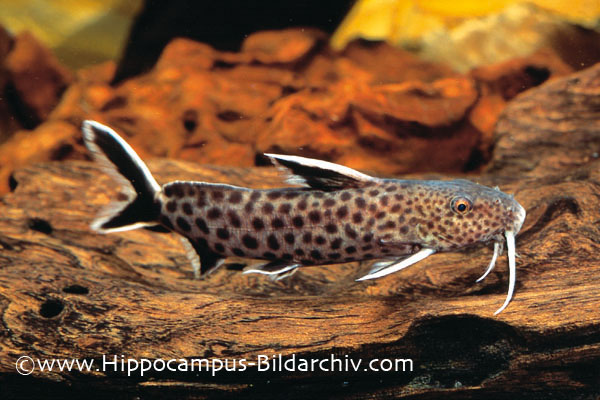
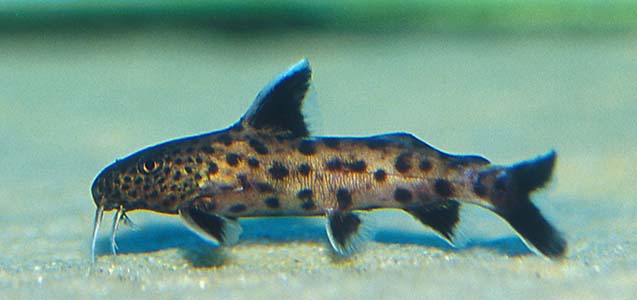
岩歧须鮠(Synodontis petricola)是坦噶尼喀湖的温和小型歧须鮠,通常以群体状态更敢活动。它有水族箱繁殖记录,日常照顾要兼顾硬水条件、洞穴遮蔽和开阔游动空间。
分布与栖息地
原生范围为坦噶尼喀湖。
饲养环境
群养可参考 90 × 30 × 30 厘米。以石堆形成洞穴,洞外保留开阔区域,弱光有助它们更常露面。水质应按本种的湖泊背景安排,不因商品名中带“迷你”就省略环境核对。
食性与喂食
可参考同属的多样化喂食建议,提供活饵、冷冻饵、干粮和去皮豌豆、黄瓜等植物材料。繁殖前可用多样活冷冻饵帮助亲鱼调养。
习性与混养
至少四尾一起养,单尾常很隐蔽。可与体形适当的硬水慈鲷、彩虹鱼或卵胎生鱼混养,避免小到会被当作食物的鱼。所谓矮小型的适应性不能无条件推广到所有来源个体。
雌雄区分
成熟雌鱼腹部更圆。体形较小,不适合通过常规抓握观察生殖乳突来分性别。
繁殖
通常为开放散卵,也有把卵混入口孵慈鲷卵中的寄生繁殖记录;后者由宿主携卵,不是鲶鱼亲自口孵。水族箱提高数量的方式是单设繁殖缸,提供岩石或陶盆遮蔽,保持清洁水质,以一对或一群状态好的亲鱼尝试。
雄鱼追逐后可出现类似“T”字的姿态,或并排颤动排卵受精。结束后移走成鱼以免吃卵。卵约 24 小时孵化,再过两至三天自由游动;最初用草履虫等微小食物,随后接丰年虾无节幼体和细粉饲料。鱼苗成长较慢,可能半年以上才有常见出售大小。也有洞穴产卵的报告,因此不要只提供单一开放地点。
图片
图片来自 SeriouslyFish,版权归各摄影者所有。
English
Overview
A relatively small, peaceful Tanganyikan catfish, Synodontis petricola is more confident in a group. Captive reproduction is established, while routine care combines hard-water conditions, cave cover, and room to swim.
Distribution & habitat
It is endemic to Lake Tanganyika.
Aquarium setup
For a group, use a 90 by 30 by 30 cm aquarium as the reference. Rock piles should form caves without filling all swimming space. Dim lighting encourages activity in view. Plan water chemistry around the fish’s lake origin rather than a miniature trade label.
Diet & feeding
Genus-level advice favors a varied combination of live, frozen, and prepared foods with vegetable matter. Live and frozen foods also help condition prospective breeders.
Behaviour & compatibility
Maintain at least four because lone fish are often secretive. Appropriately sized hard-water cichlids, rainbowfish, or livebearers are potential companions; very small fish remain unsuitable. Claims about a dwarf form’s wider adaptability should not automatically apply to every specimen.
Sexual dimorphism
Mature females have rounder abdomens. Small size makes handling-based genital inspection unsuitable as a routine method.
Breeding
It usually scatters eggs openly, with accounts also describing brood parasitism involving mouthbrooding cichlids. In that case the host carries the eggs; the catfish is not itself a mouthbrooder. A separate clean spawning aquarium with rock or pot shelters gives more control, using a conditioned pair or group.
Spawning follows male pursuit and may involve a T-like position or parallel quivering. Remove adults afterward to protect the eggs. Hatching takes about 24 hours, with free swimming another two or three days later. Start with microscopic foods before Artemia nauplii and fine powdered food. Growth is slow, potentially taking six months or more to reach sale size. Cave-spawning reports suggest offering sheltered sites as well.
来源
- https://www.seriouslyfish.com/species/synodontis-petricola(抓取于 2026-10-10)
synodontis-petricola · 文件: data/species/synodontis-petricola.md · 状态: 草稿