多点歧须鮠 · Cuckoo Synodontis
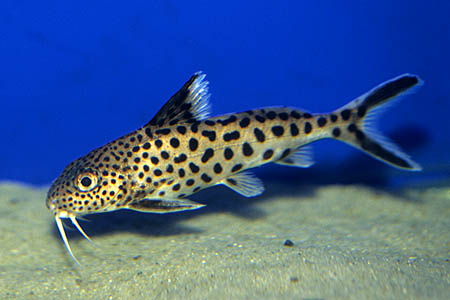
概要
| 字段 | 值 |
|---|---|
| 类别 | 鱼 |
| 学名 | Synodontis multipunctata |
| 别名 | 多點歧鬚鮠 |
| 分类 | 鲶形目 Siluriformes › 倒立鲶科 Mochokidae › Synodontis |
| 水体 | 淡水 |
| 成体体长 | 15 cm |
| 饲养难度 | 中等 |
| 最小水体 | 108 L |
| 最小缸长 | 120 cm |
| 群居方式 | 群游 |
| 外部数据 | seriouslyfish synodontis-multipunctata;fishbase 9596 |
| 原产地 | 坦噶尼喀湖 |
| 繁殖方式 | 产卵 |
水质参数
| 参数 | 耐受范围 | 最适范围 | 单位 |
|---|---|---|---|
| 水温 | 24–28 | — | °C |
| pH | 7.5–8.5 | — | — |
| 总硬度 | 15–35 | — | dGH |
概述
多点歧须鮠(Synodontis multipunctata)是坦噶尼喀湖的群居鲶鱼,以把卵混入慈鲷产卵现场的繁殖方式著称。慈鲷会把这些卵一并含入口中,多点歧须鮠鱼苗则吃掉寄主的卵或刚孵化的幼鱼。日常饲养应至少组成四尾的小群,单尾往往很隐蔽。
分布与栖息地
为坦噶尼喀湖特有种,在自然环境中可形成大群。
饲养环境
以岩石堆出稳固洞穴,兼顾遮蔽和开阔游泳区。偏暗照明有助于观察其活动。空间应按群体需求安排,不能用单尾暂时躲在洞里来判断活动范围。
食性与喂食
可按歧须鮠属的多样化喂法,提供活饵、冷冻饵料和干饲料,也可给去皮豌豆、黄瓜等植物性食物,供其用下颌牙齿刮食。鱼苗离开寄主口腔后,可从丰年虾无节幼体开始,随生长增加饵料尺寸。
习性与混养
适合与体形相称的硬水慈鲷一起评估混养,裂谷湖口孵慈鲷尤其常见。排除小到会被当成食物的鱼。它需要同种伙伴,至少四尾共同饲养有助于减少单尾的躲藏行为。
雌雄区分
成熟雌鱼更丰满,雄鱼背鳍较高、较尖。生殖乳突也可辅助鉴别:雄鱼较尖长且带棱,雌鱼较圆。这类检查涉及尖鳍棘,不适合缺乏经验的抓取操作。
繁殖
缸内有较多繁殖记录。可用布置较简单、便于移出成鱼的独立繁殖缸,提供石洞或陶盆;寄主常选马拉维湖或维多利亚湖的小型口孵慈鲷。两类亲鱼都用活饵和冷冻饵料调养,保持清洁水质与低硝酸盐。
它会观察寄主的求偶活动,在慈鲷产卵时冲入,排出自己的卵和精子,并常吃掉一部分慈鲷卵。寄主雌鱼收卵后,可移出成年歧须鮠。它的卵通常约三天孵化,比寄主更快,幼鱼先吃慈鲷卵和早孵幼鱼。寄主放出鱼苗后再将寄主移走,并开始喂丰年虾无节幼体。
也有不借助寄主的缸内繁殖记录,但较少见。野外是否同样经常采用这种方式,仍只是推测。
补充说明
这里的口孵由寄主慈鲷承担,并非多点歧须鮠自己含卵育幼。某些坦湖慈鲷可能通过长期共存形成躲避这种寄生的反应,这也是繁殖时常选另外两湖寄主的解释之一。
图片
图片来自 SeriouslyFish,版权归各摄影者所有。
English
Overview
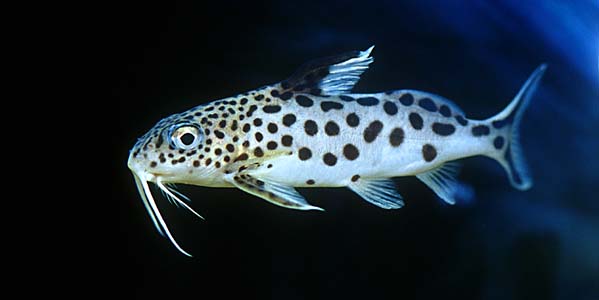
Endemic to Lake Tanganyika, Synodontis multipunctata combines shoaling behavior with an unusual reproductive strategy. Eggs placed among those of a spawning cichlid are collected by the host, and the young catfish consume the host's brood. Keep at least four together: an isolated fish is often much harder to observe.
Distribution & habitat
Lake Tanganyika is its natural range. Large aggregations occur in the lake.
Aquarium setup
Build secure rock shelters while retaining open swimming areas. Subdued light encourages visible activity. Plan the aquarium around a group rather than judging its space requirements from a single fish concealed in a cave.
Diet & feeding
The varied captive menu recommended for squeakers includes live, frozen, and dry foods, with shelled peas or cucumber available for scraping with the lower-jaw teeth. Young fish released by a host can take newly hatched brine shrimp before graduating to larger foods.
Behaviour & compatibility
Suitably sized hardwater cichlids are potential companions, especially mouthbrooders from the Rift Lakes. Exclude fish small enough to become prey. A group of four or more is preferable because solitary individuals tend to remain hidden.
Sexual dimorphism
Mature females are fuller-bodied, while males develop taller, more pointed dorsal fins. Genital papillae provide another distinction: the male structure is elongated and ridged, the female's rounder. Handling for examination requires experience around sharp fin spines.
Breeding
Captive breeding is well represented in the account. A separate breeding aquarium can contain rock caves or clay pots, arranged simply enough to allow adults to be removed. Small mouthbrooding cichlids from Lakes Malawi or Victoria are commonly selected as hosts. Condition both groups with live and frozen foods and maintain clean water with low nitrate.
The catfish monitor cichlid courtship and enter the spawning site to release eggs and sperm, often consuming some host eggs during these incursions. Once the female cichlid has gathered the eggs, remove the adult catfish. Their eggs generally hatch after about three days, ahead of the host's brood. The larvae initially eat cichlid eggs and early-hatching young. Remove the host after it releases the catfish fry, then feed newly hatched brine shrimp.
Spawnings without a host have also occurred in aquaria, although less often. Similar independent reproduction in the wild remains a possibility rather than an established frequency.
Notes
The mouthbrooding parent is the host cichlid, not the catfish. Some Tanganyikan hosts may have developed avoidance responses through coexistence with this brood parasite; this is one proposed explanation for the use of hosts from the other two lakes.
来源
- https://www.seriouslyfish.com/species/synodontis-multipunctata(抓取于 2026-10-10)
synodontis-multipunctata · 文件: data/species/synodontis-multipunctata.md · 状态: 草稿