颗粒歧须鮠
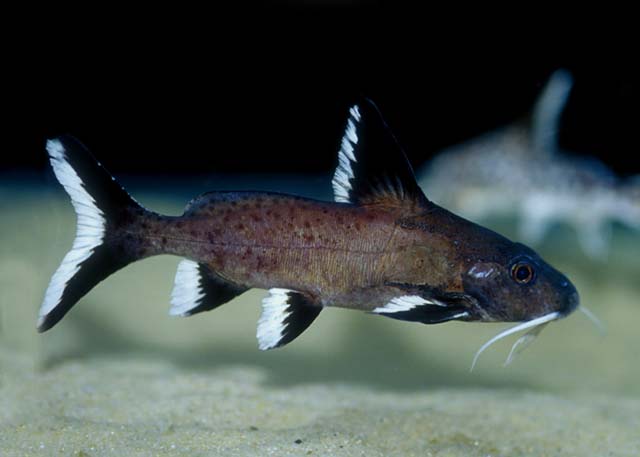
概要
| 字段 | 值 |
|---|---|
| 类别 | 鱼 |
| 学名 | Synodontis granulosa |
| 别名 | 顆粒歧鬚鮠 |
| 分类 | 鲶形目 Siluriformes › 倒立鲶科 Mochokidae › Synodontis |
| 水体 | 淡水 |
| 成体体长 | 27 cm |
| 饲养难度 | 困难 |
| 最小水体 | 540 L |
| 最小缸长 | 150 cm |
| 领地性 | 是 |
| 外部数据 | seriouslyfish synodontis-granulosa;fishbase 9567 |
| 原产地 | 布隆迪、坦桑尼亚的坦噶尼喀湖北端 |
水质参数
| 参数 | 耐受范围 | 最适范围 | 单位 |
|---|---|---|---|
| 水温 | 24–28 | — | °C |
| pH | 7.8–8.5 | — | — |
| 总硬度 | 8–35 | — | dGH |
概述
颗粒歧须鮠(Synodontis granulosa)是坦噶尼喀湖北部的大型鲶鱼,自然栖地深、分布范围有限,又偏独居,因此不易采集。空间过小时可非常好斗,饲养首先要解决成体空间和同种领地冲突。
分布与栖息地
为坦噶尼喀湖北端特有种,记录涉及布隆迪和坦桑尼亚。它的深水生活方式也是贸易中不常见的原因之一。
饲养环境
采用坦湖式石景,稳固堆石形成洞穴,同时留出足够游泳空间。小缸会加剧攻击和领地行为,不能以躲避物多来代替实际底面积。稳定适应后,有些个体不论白天或夜晚都会巡游。
食性与喂食
按歧须鮠属较广的摄食范围,可用活饵、冷冻饵料和干饲料,搭配去皮豌豆、黄瓜等植物性食物。个体适应后可能变得较不怕人,但不必靠手喂才能正常养好。
习性与混养
排除足够小、会被当作食物的鱼。体形较大的硬水慈鲷是候选,环境上可优先考虑合适的坦湖鱼。对同种有领地性,多尾共养需要非常大的空间,不能把单尾适应后愿意接近人等同于对其他鱼温和。
雌雄区分
成年雌鱼通常更丰满。雄鱼生殖乳突较长、尖并带棱,雌鱼较圆;由于存在尖鳍棘,相关检查需要经验。
繁殖
曾有激素诱导人工繁殖的报告,但部分所谓人工个体被怀疑是杂交鱼,长大后甚至可能不符合真正本种的外观。购买时应保留来源与亲本信息,不能把标为人工繁殖的标签当作物种纯正的保证。
补充说明
贸易中的稀少和价格都不能替代身份判断。分布、成体形态与繁育来源共同影响对一尾鱼的判断,尤其要留意疑似杂交个体。
图片
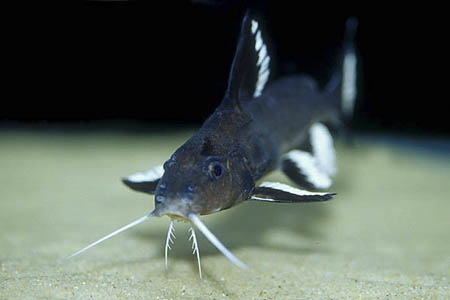
图片来自 SeriouslyFish,版权归各摄影者所有。
English
Overview
A large catfish from northern Lake Tanganyika, Synodontis granulosa is difficult to collect because of its deep habitat, restricted distribution, and largely solitary lifestyle. Cramped housing can provoke pronounced aggression. Adult space and conspecific territoriality are therefore the first considerations.
Distribution & habitat
It is endemic to the northern end of Lake Tanganyika, with records involving Burundi and Tanzania. Its deep-water setting contributes to limited availability for aquaria.
Aquarium setup
Use a Tanganyika-style arrangement with secure rock caves and open swimming space. Numerous shelters cannot compensate for inadequate floor area, especially when confinement intensifies aggression. Once established, some individuals cruise the aquarium during both daytime and nighttime.
Diet & feeding
Follow the varied feeding guidance for squeakers, offering live, frozen, and dry foods alongside shelled peas, cucumber, and similar plant items. Settled fish may become less wary of people, but hand feeding is not a requirement for successful care.
Behaviour & compatibility
Exclude fishes small enough to be treated as food. Larger hardwater cichlids, particularly suitable Tanganyikan species, are possible companions. Territoriality toward conspecifics means that groups require exceptionally generous space. Confidence around the keeper does not establish peaceful behavior toward other fishes.
Sexual dimorphism
Adult females tend to be fuller-bodied. Male genital papillae are elongated, pointed, and ridged, while the female structure is rounder. Examination requires experienced handling around sharp fin spines.
Breeding
Hormone-induced captive production has been reported, but some fish sold as captive-bred individuals have been suspected of hybrid origin and may differ from genuine adults. Keep origin and parentage information where available rather than treating a captive-bred label as proof of species identity.
Notes
Scarcity and market labels cannot substitute for identification. Geographic origin, adult morphology, and breeding provenance are especially relevant where hybrid fish may be involved.
来源
- https://www.seriouslyfish.com/species/synodontis-granulosa(抓取于 2026-10-10)
synodontis-granulosa · 文件: data/species/synodontis-granulosa.md · 状态: 草稿