真鳍歧须鮠 · Featherfin Synodontis
概要
| 字段 | 值 |
|---|---|
| 类别 | 鱼 |
| 学名 | Synodontis eupterus |
| 别名 | 真鰭歧鬚鮠、Synodontis euptera |
| 分类 | 鲶形目 Siluriformes › 倒立鲶科 Mochokidae › Synodontis |
| 水体 | 淡水 |
| 成体体长 | 30 cm |
| 饲养难度 | 中等 |
| 最小水体 | 108 L |
| 最小缸长 | 120 cm |
| 外部数据 | seriouslyfish synodontis-eupterus;fishbase 9559 |
| 原产地 | 尼日利亚、喀麦隆、马里、加纳、苏丹、乍得、尼日尔 |
| 领地性 | 是 |
| 繁殖方式 | 散卵 |
水质参数
| 参数 | 耐受范围 | 最适范围 | 单位 |
|---|---|---|---|
| 水温 | 22–27 | — | °C |
| pH | 6–7.5 | — | — |
| 总硬度 | 8–20 | — | dGH |
概述
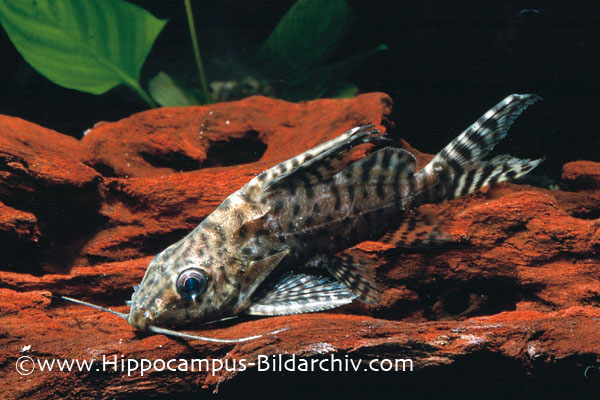
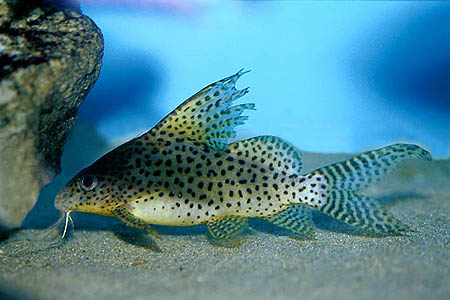
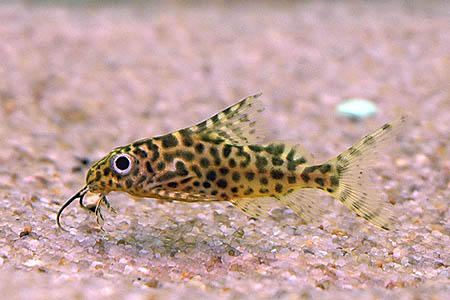
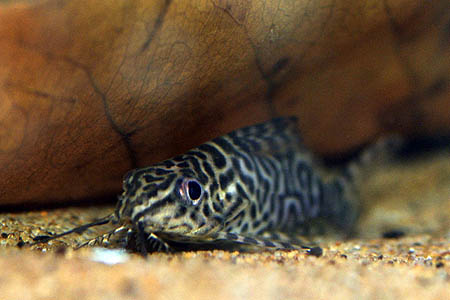
真鳍歧须鮠(Synodontis eupterus)幼鱼常带网状花纹,长大后会转为简单斑点,背鳍前部也逐渐伸出羽毛状长丝。它能长成大型鱼,养护合适时可活过十五年,不能把漂亮小幼鱼当作长期保持小型的混养鱼。
分布与栖息地
分布于尼日利亚、喀麦隆、马里、加纳、苏丹、乍得和尼日尔,出现于多种不同生境。
饲养环境
使用柔软底床,配石块、沉木和树根形成藏身处,浮水植物可以柔化照明。它常倒转身体躲在悬出的石块或沉木下,适应后也可能在亮灯时出来吃食。多尾同养必须为每一尾提供独立避让位置。
食性与喂食
按歧须鮠属较广的食物接受范围,可提供活饵、冷冻饵料与干饲料,并用去皮豌豆、黄瓜等植物性食物搭配。会刮食植物性饲料,不等于必须靠啃缸内水草获取食物。
习性与混养
不能与小到会被吞食的鱼混养,成体也不适合普通小型综合缸。合适体形的非洲脂鲤、结实慈鲷、象鼻鱼、刀鱼、丝足鱼及较大鲃类可考虑。随成熟会出现轻度领地性,尤其针对其他歧须鮠,但通常不如某些同属鱼激烈,足够空间和各自藏身处有助于小群共养。
雌雄区分
成年雌鱼明显更丰满。生殖乳突可辅助区分,雄鱼尖长且带棱,雌鱼较圆;这需要经验,不宜随意徒手翻鱼,避免被鳍棘刺伤。
繁殖
野外在季节性淹水、微生物丰富的区域散卵,不护卵育幼。商业养殖已有激素诱导繁殖,但这并不构成普通家庭缸中自然繁殖的操作指南。
补充说明
幼鱼“网纹”商品名不会反映其最终体形,斑纹变简单、羽状背鳍逐渐形成都是成长过程的一部分。长寿记录说明应提前安排长期空间。
图片
图片来自 SeriouslyFish,版权归各摄影者所有。
English
Overview
Juvenile Synodontis eupterus has an attractive network pattern that changes into simple spots as the featherlike dorsal extensions develop. It becomes a large fish and can live beyond fifteen years with suitable care. A small patterned juvenile is therefore a long-term commitment, not a permanently miniature community catfish.
Distribution & habitat
Records include Nigeria, Cameroon, Mali, Ghana, Sudan, Chad, and Niger. It occurs in a range of habitats rather than one narrowly described setting.
Aquarium setup
Use soft substrate with retreats among rocks, wood, and roots. Floating vegetation can reduce direct light. Fish often rest inverted beneath overhangs, although settled individuals may emerge to feed while the lights are on. Each member of a group needs a separate place to withdraw.
Diet & feeding
Follow the varied feeding approach recommended for squeakers: live, frozen, and dry foods, with shelled peas, cucumber, or similar plant items. Scraping vegetable foods does not mean that aquarium plants must be relied upon as its food supply.
Behaviour & compatibility
Exclude companions small enough to be swallowed. Adult size makes ordinary small communities unsuitable. Appropriately sized African tetras, robust cichlids, mormyrids, knifefishes, gouramis, or larger barbs are candidates for individual assessment. Mild territoriality develops with maturity, particularly toward related catfishes. It is often less intense than in some relatives, allowing small groups where space and separate retreats are adequate.
Sexual dimorphism
Adult females are distinctly fuller-bodied. Male genital papillae are elongated, pointed, and ridged, while female structures are rounder. Examination requires experience and care around sharp fin spines.
Breeding
Wild reproduction involves egg scattering in seasonally flooded, microorganism-rich areas without parental care. Commercial production has used hormone induction; this is not a routine natural-spawning protocol for a home aquarium.
Notes
The juvenile “network” trade label gives little indication of eventual size. Simplification of the pattern and development of the feathered dorsal are normal changes with growth. Longevity makes advance planning for adult accommodation particularly relevant.
来源
- https://www.seriouslyfish.com/species/synodontis-eupterus(抓取于 2026-10-10)
synodontis-eupterus · 文件: data/species/synodontis-eupterus.md · 状态: 草稿