横带沙鳅 · Green Tiger Loach
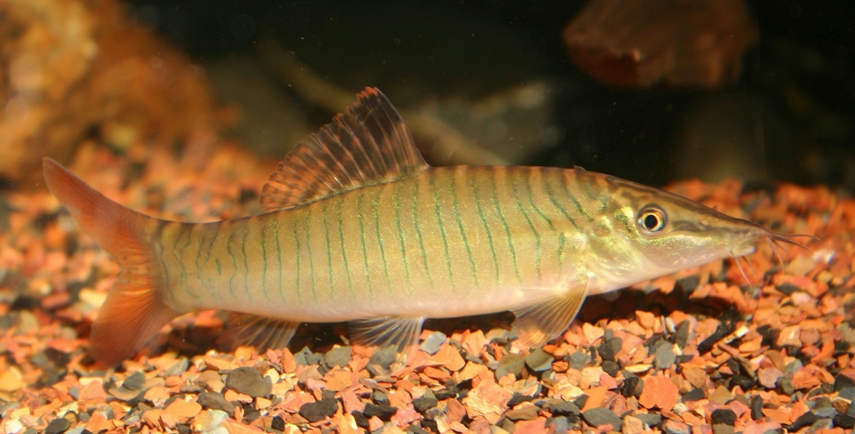
概要
| 字段 | 值 |
|---|---|
| 类别 | 鱼 |
| 学名 | Syncrossus hymenophysa |
| 别名 | 橫帶沙鰍 |
| 分类 | 鲤形目 Cypriniformes › 沙鳅科 Botiidae › Syncrossus |
| 水体 | 淡水 |
| 成体体长 | 21 cm |
| 饲养难度 | 中等 |
| 最小水体 | 304 L |
| 最小缸长 | 150 cm |
| 群居方式 | 群游 |
| 特征 | 会跳缸: 是 |
| 外部数据 | seriouslyfish syncrossus-hymenophysa;fishbase 10892 |
| 原产地 | 苏门答腊、婆罗洲及马来半岛的彭亨河、霹雳河水系 |
水质参数
| 参数 | 耐受范围 | 最适范围 | 单位 |
|---|---|---|---|
| 水温 | 25–30 | — | °C |
| pH | 5–7.5 | — | — |
| 总硬度 | 1–12 | — | dGH |
概述
横带沙鳅(Syncrossus hymenophysa)有醒目的竖向体带,是需要大缸和同种群体的活跃沙鳅。它会与群体成员建立等级,不能因幼鱼外观漂亮就忽略成鱼空间和混养冲突。
分布与栖息地
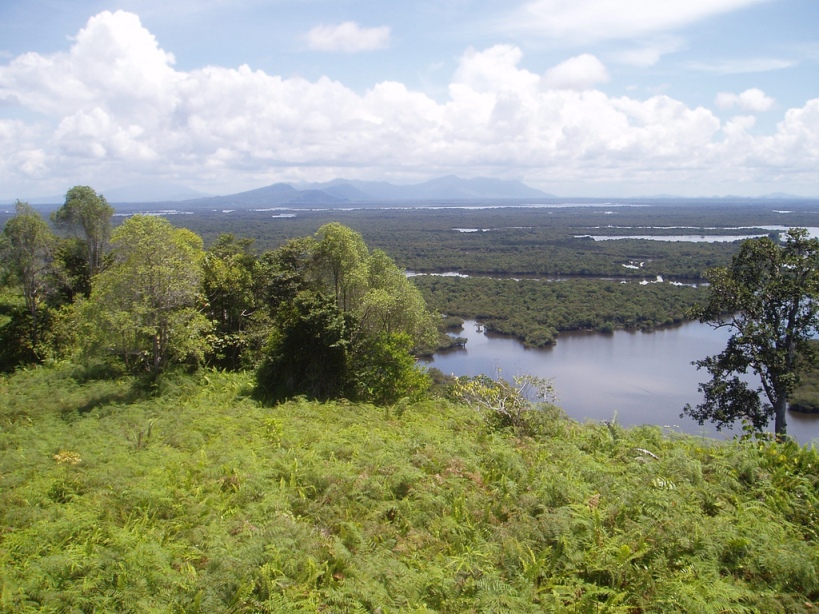
见于苏门答腊、婆罗洲的砂拉越及西加里曼丹,也有马来半岛彭亨河、霹雳河记录。半岛种群是否仍存在尚不确定,爪哇记录也有疑问。
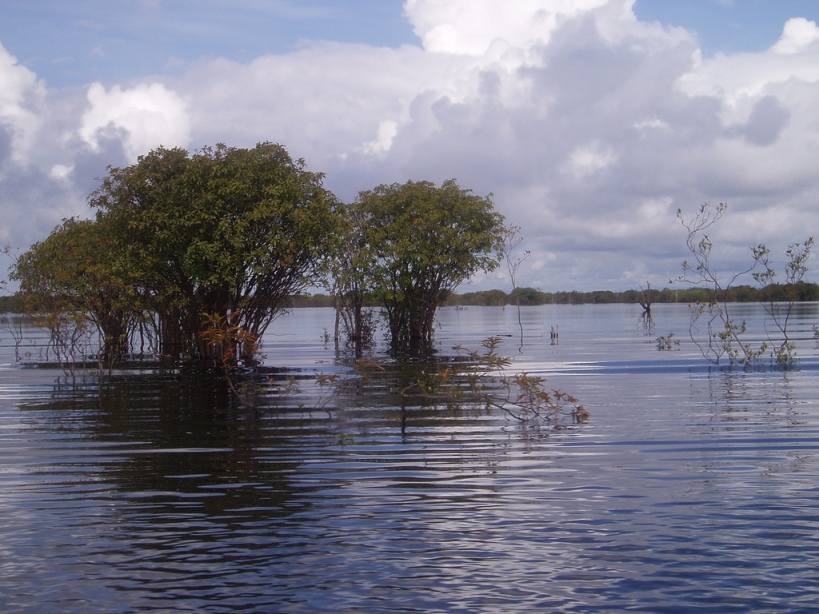
生活环境从山地源头小溪到大河及湖泊都有,常靠近水下枝条、树根和木材。雨季会进入洪泛区觅食、繁殖,水深、水流、浑浊度及水温随季节改变,不能把一个采集点的条件当作全年固定状态。
饲养环境
底面积从约 150 × 45 cm 起步。用圆石、沉木和树根搭出多处遮蔽,配细砂或细砾石;弱光下可配置耐阴水草。它们喜欢钻缝,需去除尖锐物,封闭会卡鱼的窄孔,并盖紧缸盖。
成熟过滤、充足溶氧及适度水流很重要,不必追求猛烈急流。保持清洁稳定,按每周约三至五成安排换水,避免有机废物长期积累。
食性与喂食
同属鱼以动物性食物为主要取食倾向,也会摄入植物材料。缸内菜单可由优质干饲料、红虫、水蚯蚓、丰年虾及黄瓜、焯菠菜等组成,少量切碎蚯蚓或混合凝胶饵可作补充。柔软水草可能被啃食。食螺只是同属鱼的一种取食行为,不应把它当作处理螺害的保证。
习性与混养
至少五至六条同养,有条件以十条以上的群体饲养。单养可能躲藏不出或攻击相似鱼,仅两三条时弱势成员又容易被反复追赶,影响进食。
体形很小、慢游及长鳍鱼不合适,存在受惊和咬鳍风险。活跃的中上层鲤科鱼较适合考虑;同其他强壮沙鳅混养也必须观察,成功经验不能排除某些个体的攻击性。
雌雄区分
成熟雌鱼预计比雄鱼更粗壮,可能也较大;其他可靠外观区别尚未明确。
繁殖
野外雨季会进入被淹区域繁殖;缸内尚未见可靠成功记录,不能直接照搬普通散卵鱼的繁殖流程。
补充说明
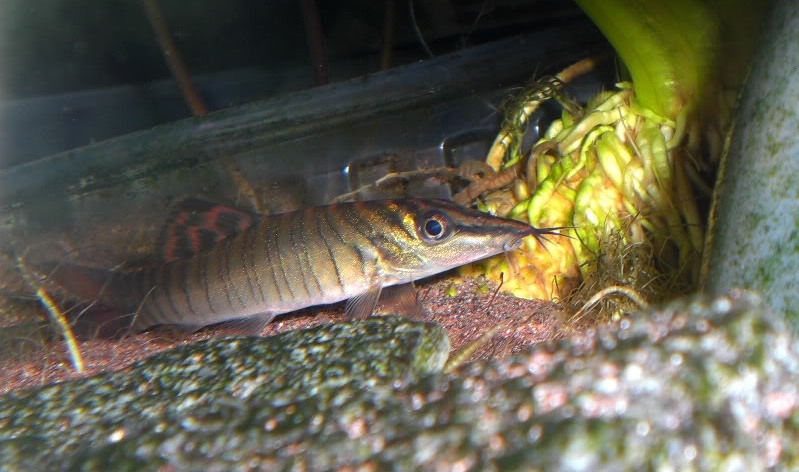
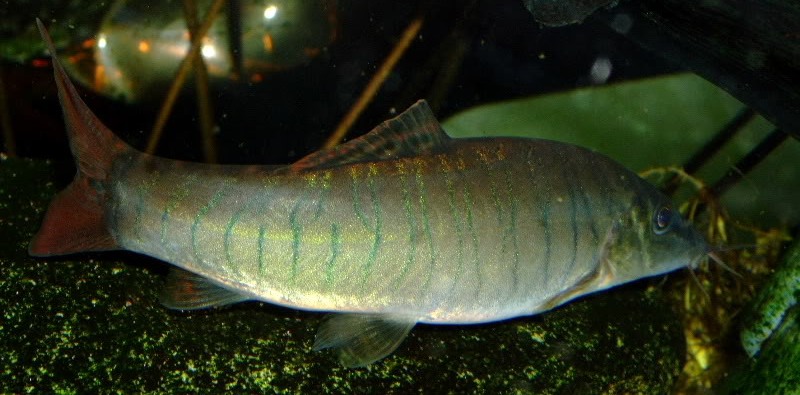
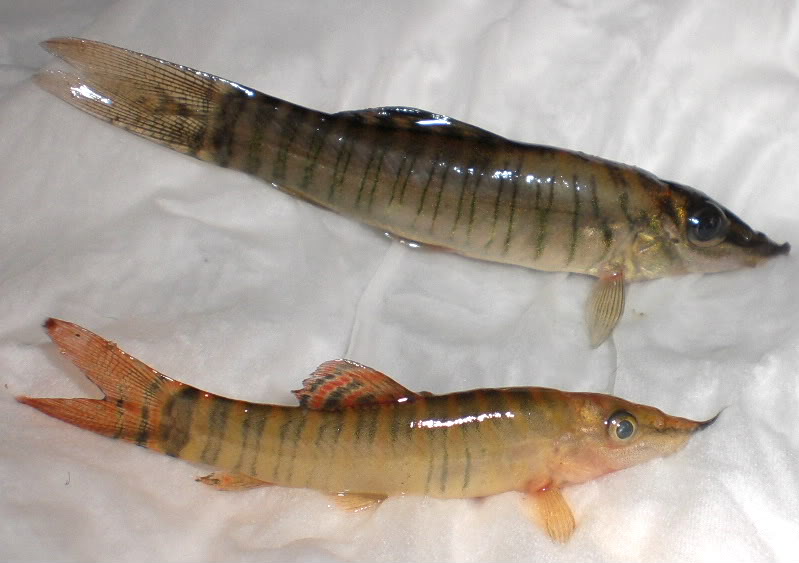
本种背鳍有暗斑,身体通常有十二至十五道带蓝色边缘的竖带,体侧下半部没有细小暗纹,是辨认近似种时有用的特征。
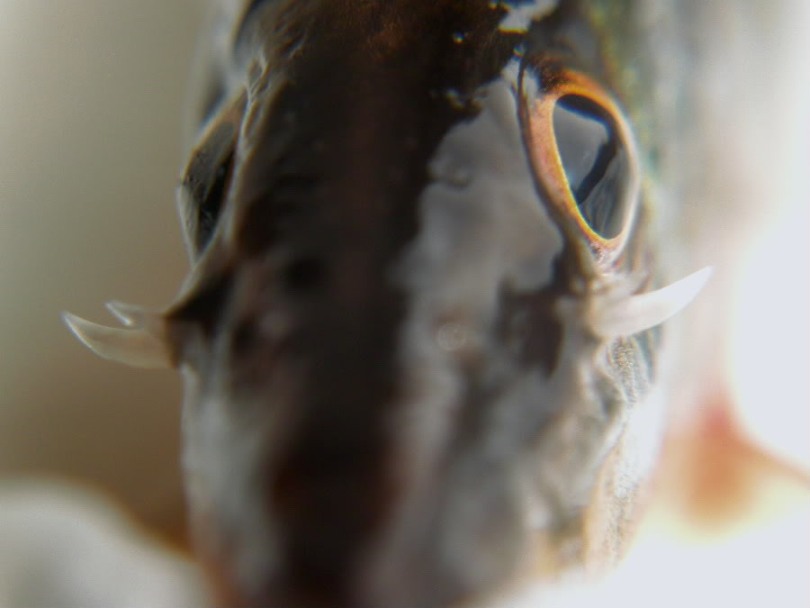
同属鱼在争夺等级时可暂时褪色,兴奋时发出咔嗒声。眼下的可动硬刺会在受惊时竖起,捞取时可能挂住网眼或刺伤手。新购鱼持续消瘦需要关注,不能将同一个症状视为单一病因。
图片
图片来自 SeriouslyFish,版权归各摄影者所有。
English
Overview
Syncrossus hymenophysa is an active, boldly barred loach that needs both substantial housing and conspecific company. Attractive juveniles grow into fish with social hierarchies and potentially difficult interactions with unsuitable tankmates.
Distribution & habitat
Records span Sumatra, Sarawak and West Kalimantan on Borneo, and the Pahang and Perak systems of Peninsular Malaysia. Continued survival of the peninsular populations is uncertain, while reports from Java remain doubtful.
Habitats range from upland streams to major river channels and lakes. Submerged branches, roots, and logs are commonly used as cover. Fish enter flooded ground during the rainy season to feed and reproduce. Seasonal changes in depth, current, turbidity, and temperature mean a collection site does not represent constant year-round conditions.
Aquarium setup
Provide a base around 150 × 45 cm or larger. Combine sand or fine gravel with rounded rocks and wood to create several sheltered spaces. Subdued lighting and shade-tolerant plants suit the arrangement. Remove sharp objects, block holes that could trap exploring fish, and fit a secure lid.
Strong oxygenation and moderate circulation are useful; violent flow is unnecessary. The biological filter must be mature before introduction. Keep organic waste under control and replace approximately 30–50% of the water weekly.
Diet & feeding
This genus tends toward animal foods but also takes plant material. Suitable aquarium offerings include good dry foods, worms, brine shrimp, cucumber, and blanched spinach. Small amounts of chopped earthworm or mixed gel food can broaden the menu. Soft plants may be grazed. Snail predation should not be treated as a guaranteed pest-control service.
Behaviour & compatibility
Five or six is a minimum group, with ten or more preferable where housing permits. A lone fish may become withdrawn or aggressive toward similar fishes. Keeping only two or three can leave subordinate individuals subject to repeated attacks and unable to feed normally.
Avoid very small, slow, and long-finned species, which can be intimidated or have their fins bitten. Active open-water cyprinids are more promising companions. Even robust loaches require observation because successful combinations elsewhere do not exclude aggression from particular individuals.
Sexual dimorphism
Mature females are expected to be more robust and possibly larger than males. Other dependable external distinctions are unclear.
Breeding
Wild fish use inundated areas for reproduction during the rains. Reliable aquarium breeding has apparently not been achieved, and a routine egg-scatterer protocol should not be assumed appropriate.
Notes
Useful identification clues include a dark dorsal-fin spot, twelve to fifteen vertical bands edged in blue, and the absence of tiny dark markings on the lower body.
Related loaches can fade temporarily during rank contests and make clicks when excited. Their erectable spines beneath the eyes may snag netting or puncture skin. Progressive weight loss in newly acquired fish needs attention, but the symptom itself does not establish a single cause.
来源
- https://www.seriouslyfish.com/species/syncrossus-hymenophysa(抓取于 2026-10-10)
syncrossus-hymenophysa · 文件: data/species/syncrossus-hymenophysa.md · 状态: 草稿