缅甸沙鳅 · Redfin Tiger Loach
概要
| 字段 | 值 |
|---|---|
| 类别 | 鱼 |
| 学名 | Syncrossus berdmorei |
| 别名 | 緬甸沙鰍 |
| 分类 | 鲤形目 Cypriniformes › 沙鳅科 Botiidae › Syncrossus |
| 水体 | 淡水 |
| 原产地 | 缅甸及印度东北部曼尼普尔邦 |
| 成体体长 | 25 cm |
| 饲养难度 | 中等 |
| 最小水体 | 365 L |
| 最小缸长 | 180 cm |
| 群居方式 | 群游 |
| 特征 | 会跳缸: 是 |
| 外部数据 | seriouslyfish syncrossus-berdmorei;fishbase 24688 |
水质参数
| 参数 | 耐受范围 | 最适范围 | 单位 |
|---|---|---|---|
| 水温 | 21–26 | — | °C |
| pH | 6.5–7.5 | — | — |
| 总硬度 | 5–15 | — | dGH |
概述
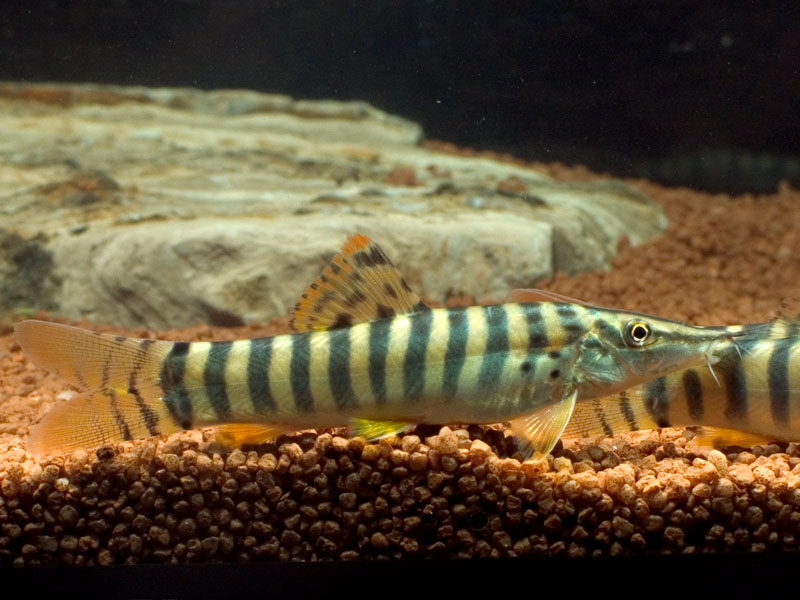
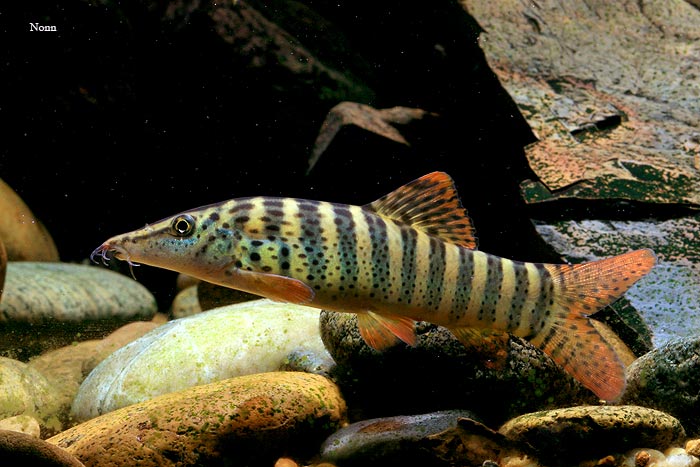
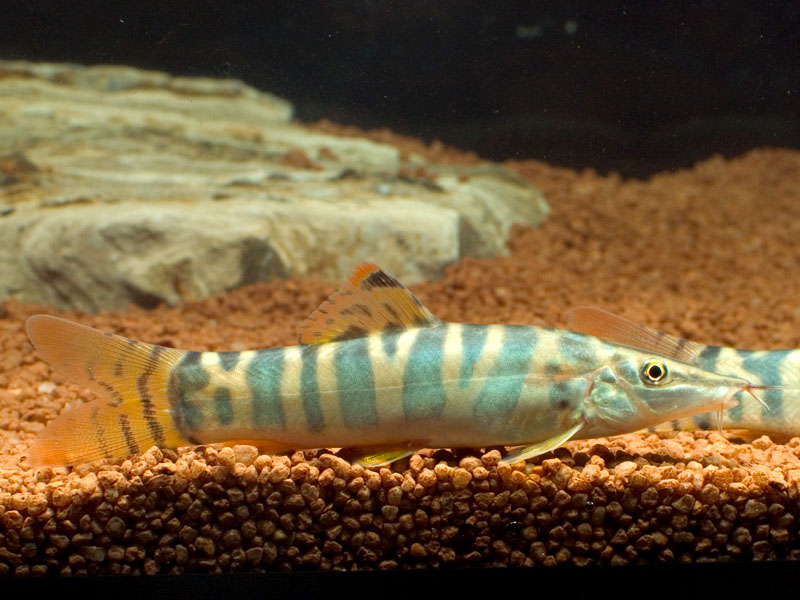
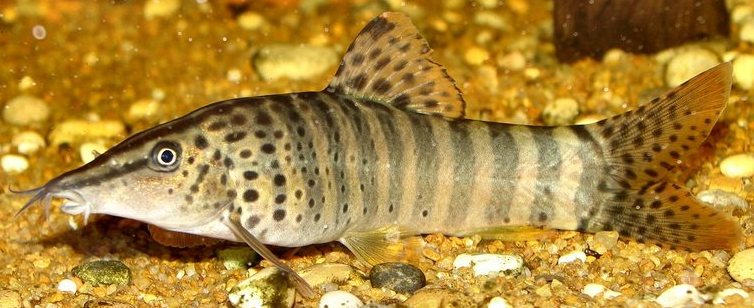
缅甸沙鳅(Syncrossus berdmorei)体形较大,身上的斑点和条带随产地、年龄变化。饲养需为整群鱼留足空间,并预先考虑强势个体追逐及咬鳍的风险。
分布与栖息地
分布于缅甸伊洛瓦底江、锡当河及萨尔温江水系,北至印度东北部曼尼普尔邦;泰国西部阿塔兰河源头区域也可能有分布。
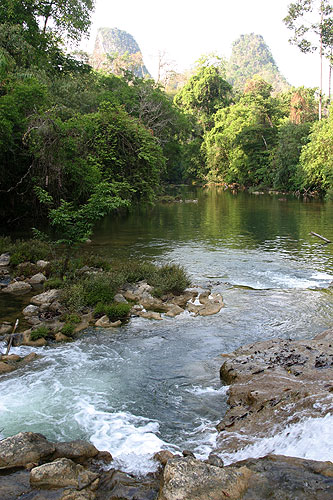
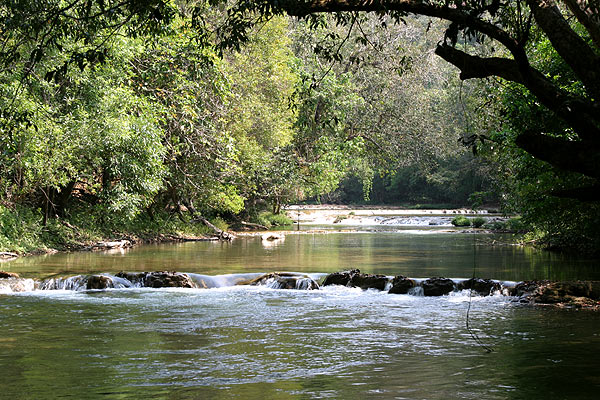
阿塔兰河的栖地影像显示,林荫覆盖的上游河段水流清澈,砂石底部散布沉木和落叶,部分地点有水草。
饲养环境
长期饲养的底面积至少约 180 × 45 cm。比起空旷裸缸,应提供细砂或细砾石底床、圆石、沉木及多个藏身处。可用耐阴水草增加阴影,照明不必太强。鱼会钻狭缝,装饰物的尖角及卡鱼小孔都要处理,并使用贴合的缸盖。
充分供氧、适当水流和成熟过滤缺一不可,但无需模拟极强急流。保持水质稳定,避免有机废物积聚,每周换水约三至五成。
食性与喂食
可按同属鱼的多样化菜单提供优质干饲料、红虫、水蚯蚓、丰年虾,并补充黄瓜、瓜类、焯菠菜等植物材料。切碎蚯蚓不宜大量投喂;多种原料制成的凝胶饵也可使用。食螺能力不等于能解决螺害,更不能因此省略正常投喂。
习性与混养
群体至少五至六条,十条以上更理想。它们会建立等级,独养可能变得畏缩或把攻击转向相似鱼;两三条的小群也容易由一条持续压制其余个体。
避免小型、缓慢及长鳍鱼。体形合适、活跃的中上层鲤科鱼较适合讨论混养,强壮底栖鱼也需要逐种评估。与其他沙鳅的相容性并不一致,有些组合会出现过度攻击。
雌雄区分
成熟雌鱼预计更丰满,也可能长得更大;这仍是有限的外观线索。
繁殖
尚未见可靠的缸内繁殖记录,野外可能属于随季节迁移产卵的鱼类。
补充说明
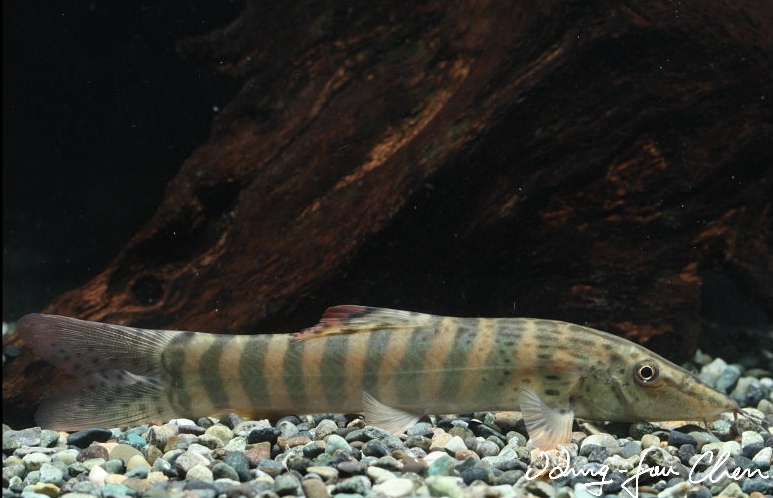
南方沙鳅(Syncrossus beauforti)是常见的混淆对象。本种背鳍分枝鳍条十一至十四根,幼鱼较大的暗斑起初集中在鳃盖后方;南方沙鳅只有九至十根分枝鳍条,幼鱼头和身体已有较细小的斑点。成鱼竖带会逐渐淡去。
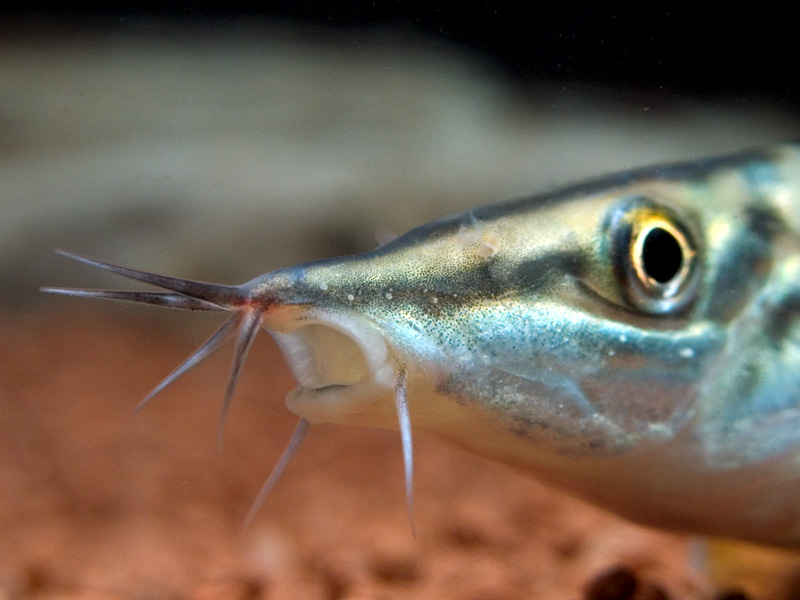
不同地区的外形差异可能涉及尚未厘清的种界;商品名含“老挝”也不能作为其确切产地凭据。同属群体争位时可短暂褪色,兴奋时能发声。眼下硬刺受惊会竖起,捞取时注意缠网和刺伤。新到个体若持续变瘦,应单独关注,不能仅凭外观认定某一种寄生虫。
图片
图片来自 SeriouslyFish,版权归各摄影者所有。
English
Overview
Syncrossus berdmorei combines a large adult size with a complex social life. Its markings change with age and locality. Plan housing for a proper group and anticipate chasing and fin damage when selecting companions.
Distribution & habitat
It inhabits the Irrawaddy, Sittaung, and Salween systems of Myanmar and extends north into Manipur in northeastern India. Occurrence around the Ataran headwaters of western Thailand remains possible rather than certain.
Images from the Ataran show clear, shaded upper reaches with mixed rock and sand, submerged wood, and leaf deposits. Aquatic plants occur at some sites.
Aquarium setup
A long-term aquarium should measure at least about 180 × 45 cm at the base. Use fine gravel or sand with smooth stones, wood, and several separate shelters. Dim light and shade-tolerant planting suit this arrangement. Inspect decorations carefully: narrow openings can trap an exploring loach, and sharp edges are unsuitable. Secure the cover.
Maintain high oxygen availability and some circulation without creating extreme turbulence. Introduce fish only after the filter is mature. Stable conditions and removal of organic waste matter more than elaborate decoration; weekly changes of roughly 30–50% are appropriate.
Diet & feeding
The varied menu recommended for this genus combines quality dry foods with live or frozen worms and brine shrimp, supplemented by cucumber, melon, or blanched greens. Chopped earthworms are an occasional addition, while gel foods can combine several ingredients. Do not rely on snail eating to control an infestation or use it as a substitute for feeding.
Behaviour & compatibility
Maintain a minimum of five or six, ideally ten or more. Rank relationships are important: isolated individuals can become shy or aggressive toward similar-looking fishes, while a dominant member of a pair or trio may repeatedly exclude the others from food.
Small, slow, or long-finned companions are poor choices. Suitably sized, active open-water cyprinids offer better possibilities. Robust bottom fishes still require individual assessment, as reports of compatibility with other loaches range from successful coexistence to excessive aggression.
Sexual dimorphism
Females are expected to become fuller-bodied when mature and may grow larger. These are limited external clues rather than a precise sexing method.
Breeding
Aquarium reproduction apparently remains undocumented. Seasonal spawning associated with migration is presumed in the wild.
Notes
The similar Syncrossus beauforti has nine or ten branched dorsal rays, compared with eleven to fourteen here. Young S. berdmorei develop relatively large spots behind the gill cover, whereas young S. beauforti already have smaller markings over the head and body. Adult bars can fade.
Geographic forms may conceal unresolved species boundaries; a trade label mentioning Laos is not reliable locality evidence. Related loaches may pale during dominance encounters and produce audible clicks. Movable spines under the eyes can catch in nets or injure a handler. Watch newly imported fish for progressive wasting without assuming that appearance alone identifies a particular parasite.
来源
- https://www.seriouslyfish.com/species/syncrossus-berdmorei(抓取于 2026-10-10)
syncrossus-berdmorei · 文件: data/species/syncrossus-berdmorei.md · 状态: 草稿