南方沙鳅 · Chameleon Loach
概要
| 字段 | 值 |
|---|---|
| 类别 | 鱼 |
| 学名 | Syncrossus beauforti |
| 别名 | 斑鳍沙鳅、南方沙鰍、斑鰭沙鰍 |
| 分类 | 鲤形目 Cypriniformes › 沙鳅科 Botiidae › Syncrossus |
| 水体 | 淡水 |
| 原产地 | 泰国及缅甸南部 |
| 成体体长 | 25 cm |
| 饲养难度 | 中等 |
| 最小水体 | 304 L |
| 最小缸长 | 150 cm |
| 群居方式 | 群游 |
| 特征 | 会跳缸: 是 |
| 外部数据 | seriouslyfish syncrossus-beauforti;fishbase 12242 |
水质参数
| 参数 | 耐受范围 | 最适范围 | 单位 |
|---|---|---|---|
| 水温 | 22–30 | — | °C |
| pH | 6–7.5 | — | — |
| 总硬度 | 2–12 | — | dGH |
概述
南方沙鳅(Syncrossus beauforti)是体形较大、活动力强的群居沙鳅,不能按温和的小型底栖鱼安排混养。足够的群体、成熟清洁的水质,以及能分散追逐的遮蔽物,是长期饲养的重点。
分布与栖息地
分布于泰国南部及中西部,也见于泰缅边境的阿塔兰河流域;夜功河的分布仍属可能。过去归入本种的湄公河记录涉及近似种,不能直接并入分布范围。
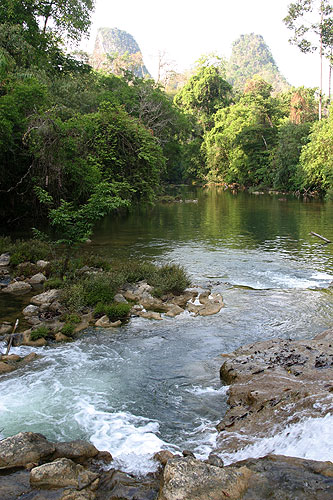
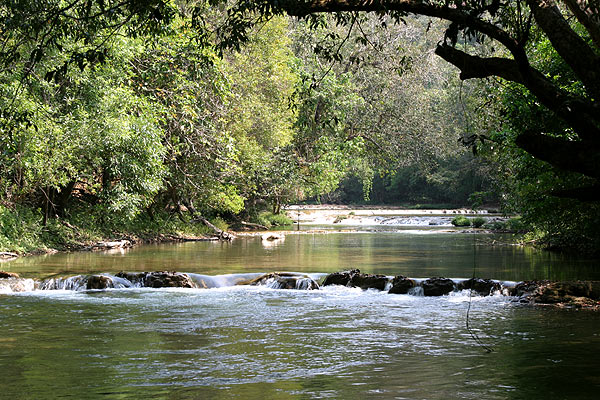
阿塔兰河的环境包括林荫下清澈流动的上游河段,底部混有砂、石块、沉木和落叶。筑坝、污染和观赏鱼采捕被认为是野外种群承受的压力。
饲养环境
底面积至少约 150 × 45 cm。用细砂或细砾石铺底,搭配圆滑石块、树根和沉木,设置多个藏身处;弱光及附着在造景上的耐阴水草可提供遮蔽。检查狭缝和装饰孔洞,封住会卡鱼的位置,避免锐边,并盖严缸盖。
过滤必须成熟,保持充足溶氧和适度流动,不必制造猛烈急流。它不耐有机废物积累,每周换水约三至五成,不适合刚建立的新缸。
食性与喂食
同属鱼通常偏向动物性食物,也会吃植物材料。缸内应轮换优质干饲料、红虫、水蚯蚓和丰年虾等活饵或冷冻饵,并搭配黄瓜、焯菠菜或西葫芦。切碎蚯蚓少量使用,也可提供多种天然材料制成的凝胶饵。不能把沙鳅当作专门除螺的工具;有其他食物时,它们未必优先吃螺。
习性与混养
至少养五至六条,空间允许时十条以上更合适。独养可能畏缩,也可能攻击体形相近的鱼;仅养两三条容易使弱势个体长期受追逐,甚至无法进食。
不宜与远小于它、行动迟缓或长鳍的鱼混养,后者有被咬鳍的风险。活跃、游速快的中上层鲤科鱼较值得考虑;与其他强壮沙鳅同养的结果有差异,不能视作必然相容。
雌雄区分
成熟雌鱼预计较粗壮,也可能比雄鱼更大,不能只凭体长作可靠判断。
繁殖
尚未见可靠的水族箱繁殖记录。自然繁殖可能随季节迁移发生,不宜把一般群养中的追逐当成已经配对产卵。
补充说明
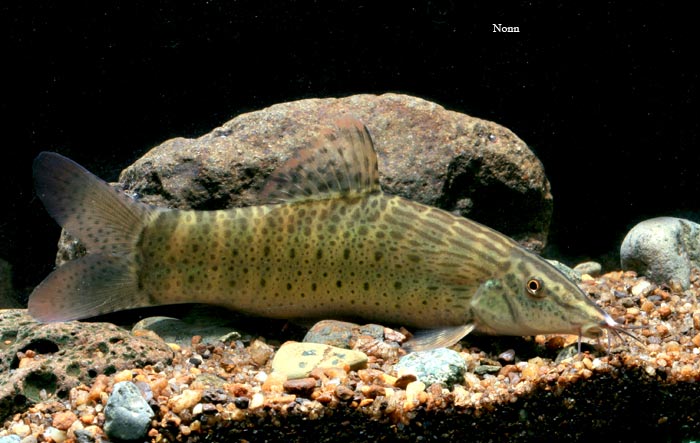
容易与缅甸沙鳅(Syncrossus berdmorei)混淆。本种背鳍分枝鳍条九至十根,幼鱼的细小暗斑已遍布头和身体;后者为十一至十四根,幼鱼较大的斑点先出现在鳃盖后方。成年后竖带可能淡去,尤其本种可主要剩下斑点。
同属鱼争夺等级时可能短暂褪色,兴奋时会发出咔嗒声。眼下可竖起的硬刺会缠网或扎伤手,转移时需小心。新到鱼若持续消瘦,应重视异常,不能仅凭“瘦病”这个俗称判断病因。
图片
图片来自 SeriouslyFish,版权归各摄影者所有。
English
Overview
Syncrossus beauforti is a large, energetic social loach whose demands extend beyond those of a quiet community bottom fish. A substantial group, established filtration, clean water, and plentiful refuges are the foundation of its care.
Distribution & habitat
Its range includes southern and central-western Thailand and the Ataran drainage along the Thai-Myanmar border. Presence in the Mae Klong is possible; older Mekong records involve similar species and should not simply extend its range.
Ataran habitats include shaded upper river reaches with clear moving water above sand, rocks, wood, and fallen leaves. Dams, pollution, and collection for aquariums have been identified as pressures on wild populations.
Aquarium setup
Allow a footprint of approximately 150 × 45 cm or more. Arrange rounded stones and branching wood over sand or fine gravel to create numerous retreats. Low lighting and shade-tolerant plants attached to decorations help provide cover. Eliminate sharp edges and plug openings that could trap a fish; keep the lid secure.
Use an established biological filter with ample oxygenation and moderate circulation. Extreme turbulence is unnecessary, but accumulated organic waste is poorly tolerated. Replace around 30–50% of the water each week and avoid newly established tanks.
Diet & feeding
Members of this genus generally favor animal foods while also taking plant material. Offer a varied aquarium menu of good dry foods, frozen or live worms and brine shrimp, and vegetables such as cucumber, blanched spinach, or zucchini. Use chopped earthworms sparingly; mixed gel foods are another option. Snail eating does not make these loaches a dependable infestation treatment, particularly when alternative foods are available.
Behaviour & compatibility
Keep at least five or six together, preferably ten or more where space permits. Solitary fish may withdraw or redirect aggression toward similarly shaped tankmates. In pairs or trios, repeated bullying can prevent weaker fish from eating.
Much smaller companions can be intimidated by their size and activity. Avoid slow swimmers and trailing fins, which may be bitten. Fast, active open-water cyprinids are better candidates. Experiences with other robust loaches vary, so successful combinations cannot be assumed.
Sexual dimorphism
Mature females are expected to be more heavily built and may attain a larger size. Length alone is not a dependable way to sex them.
Breeding
Reliable aquarium spawning has apparently not been documented. Wild reproduction is presumed to involve seasonal migration; social chasing should not be treated as evidence of a spawning pair.
Notes
Confusion with Syncrossus berdmorei is common. This species has nine or ten branched dorsal rays and small dark spots over the head and body even when young. The other species has eleven to fourteen rays, with larger juvenile spots beginning behind the gill cover. Vertical bars may fade with maturity, especially in this species.
Related loaches can lose color temporarily during rank disputes and make clicking sounds when excited. Their movable spines below the eyes can snag nets and puncture skin. Persistent wasting in newly acquired fish deserves attention, but the informal label “skinny disease” does not identify its cause.
来源
- https://www.seriouslyfish.com/species/syncrossus-beauforti(抓取于 2026-10-10)
syncrossus-beauforti · 文件: data/species/syncrossus-beauforti.md · 状态: 草稿