黑鳍枝牙鰕虎
概要
| 字段 | 值 |
|---|---|
| 类别 | 鱼 |
| 学名 | Stiphodon percnopterygionus |
| 别名 | 黑鳍枝牙鰕虎鱼、黑鰭枝牙鰕虎、黑鰭枝牙鰕虎魚 |
| 分类 | 虾虎鱼目 Gobiiformes › 虾虎鱼科 Gobiidae › Stiphodon |
| 水体 | 淡水 |
| 原产地 | 关岛、日本、帕劳、台湾 |
| 成体体长 | 3.5 cm |
| 饲养难度 | 中等 |
| 最小水体 | 54 L |
| 最小缸长 | 60 cm |
| 群居方式 | 群游 |
| 水流偏好 | 高 |
| 特征 | 会跳缸: 是;翻底砂: 是 |
| 外部数据 | seriouslyfish stiphodon-percnopterygionus;fishbase 51781 |
| 食性 | 草食 |
| 领地性 | 是 |
水质参数
| 参数 | 耐受范围 | 最适范围 | 单位 |
|---|---|---|---|
| 水温 | 22–28 | — | °C |
| pH | 6.5–7.5 | — | — |
| 总硬度 | 2–12 | — | dGH |
概述
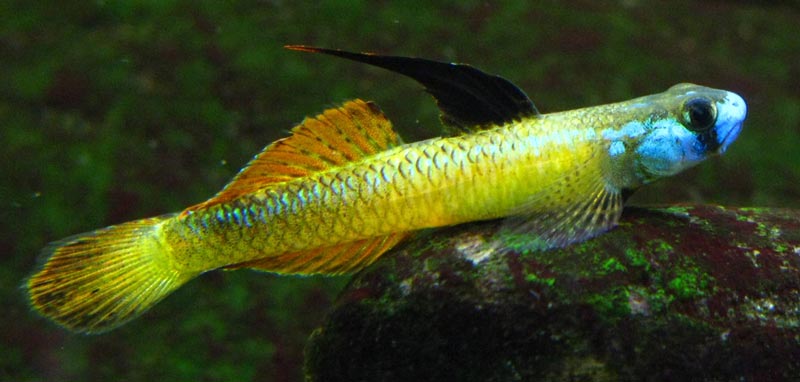
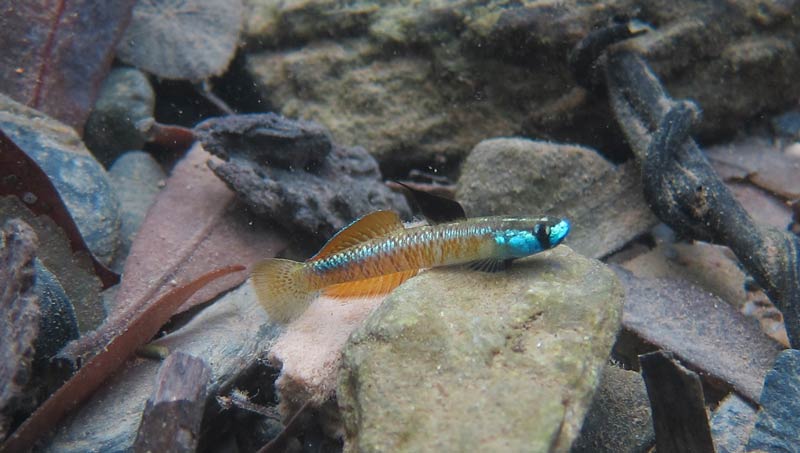
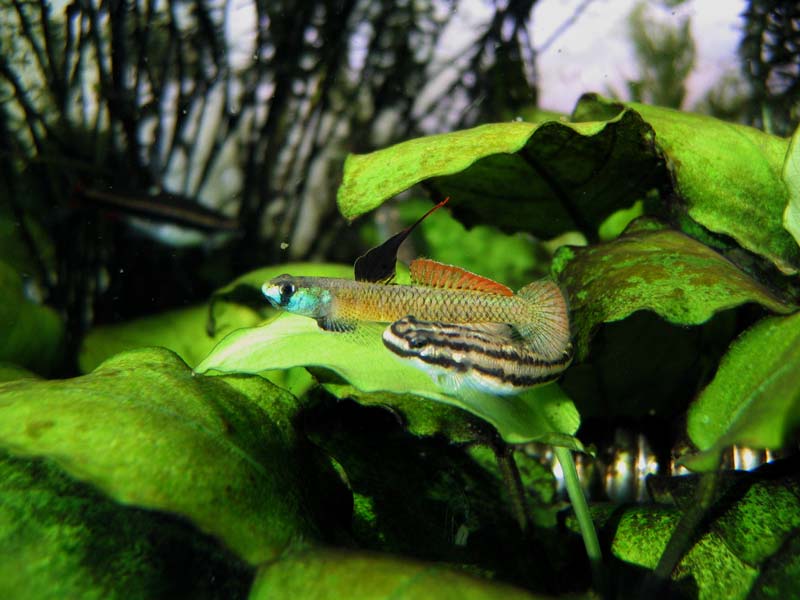
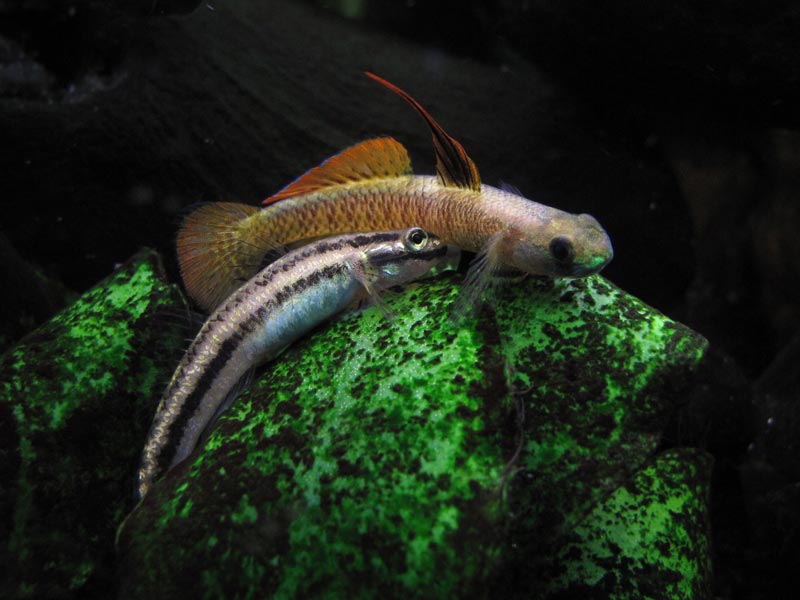
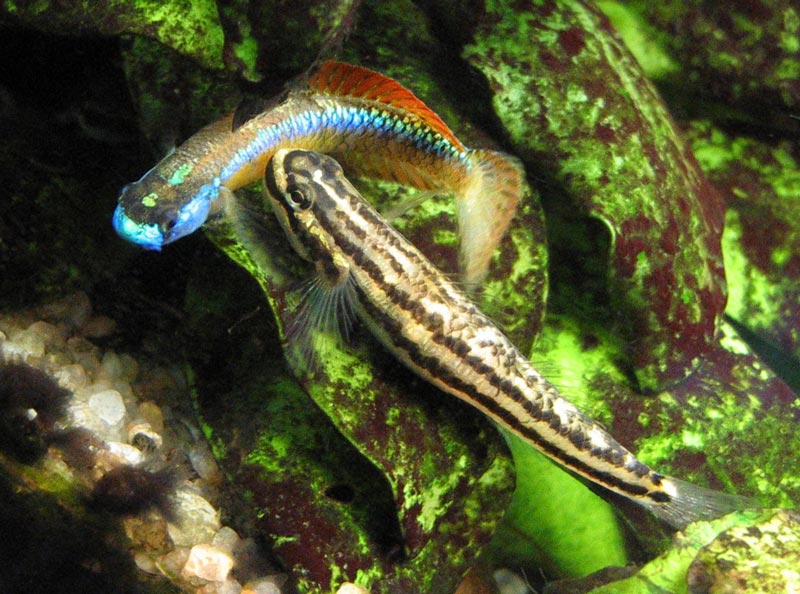
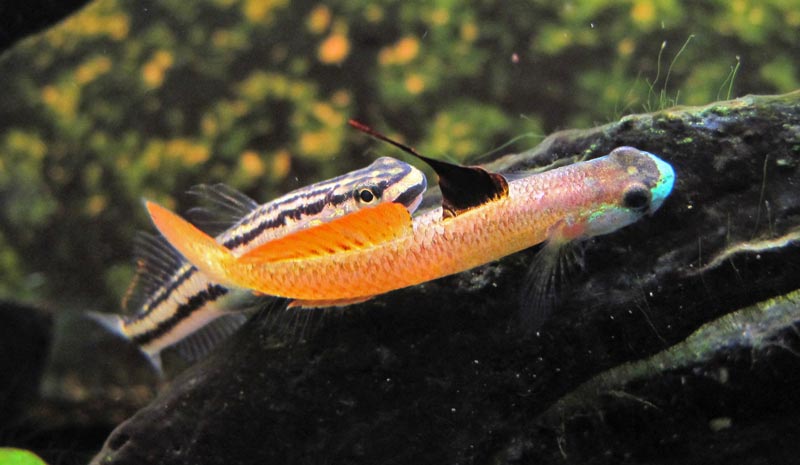
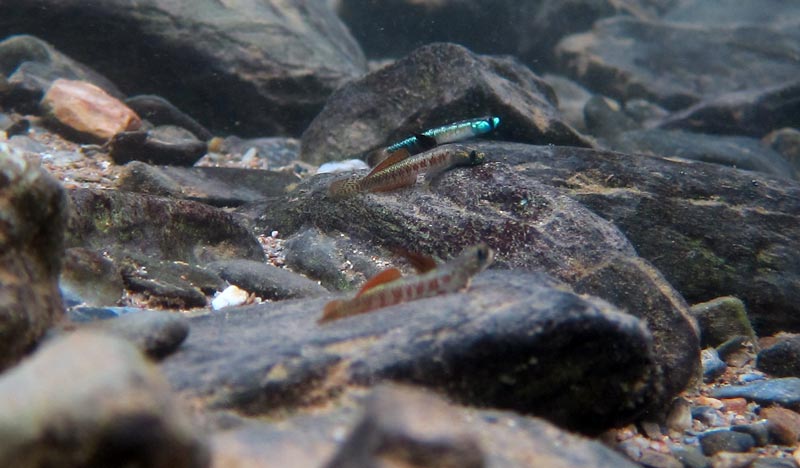
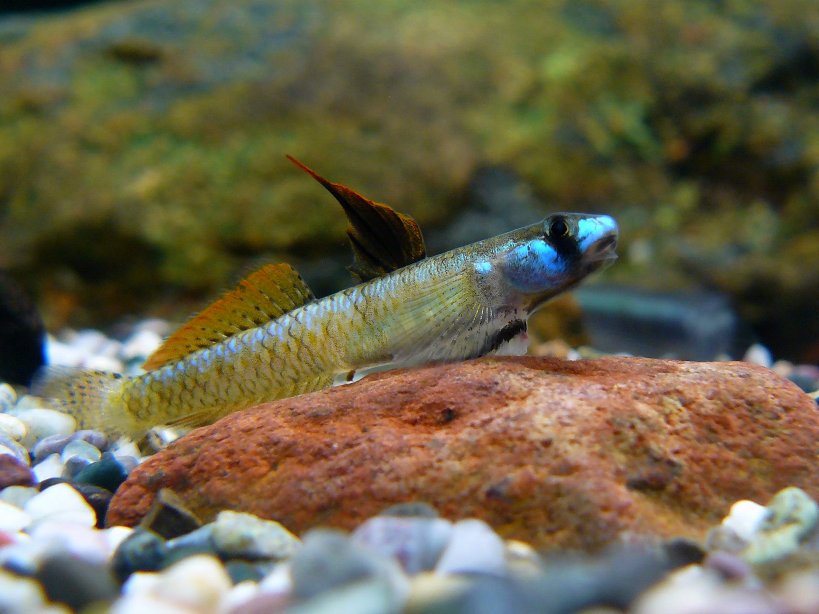
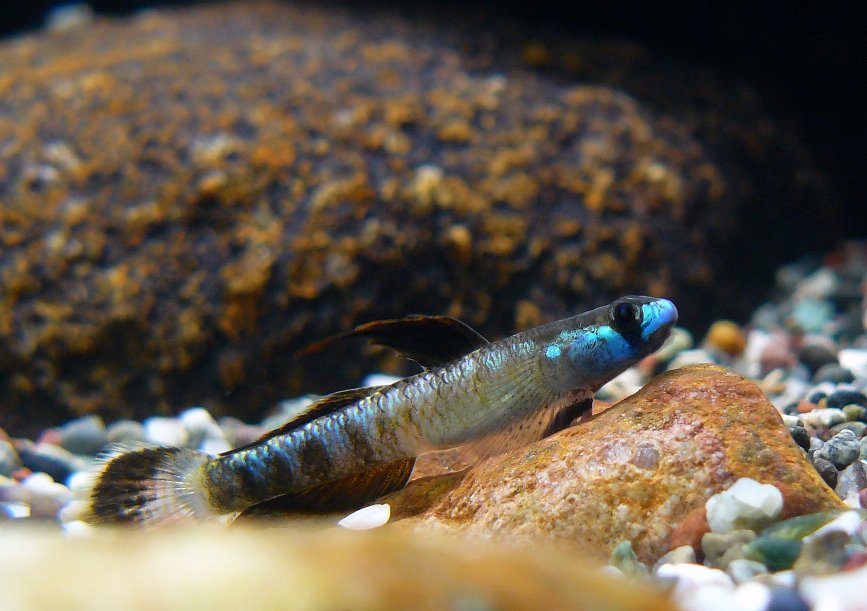
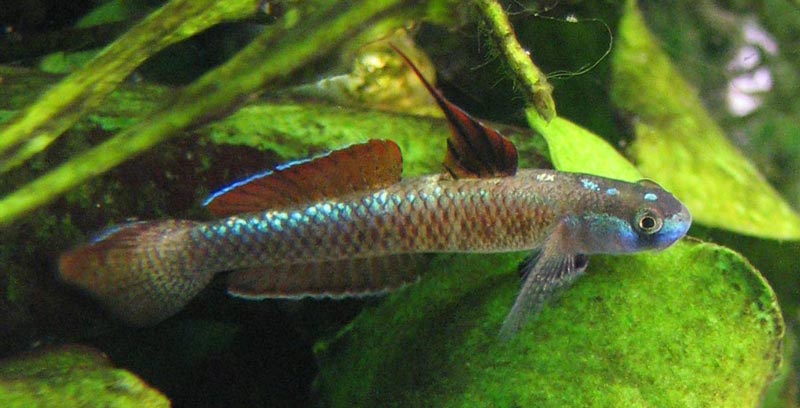
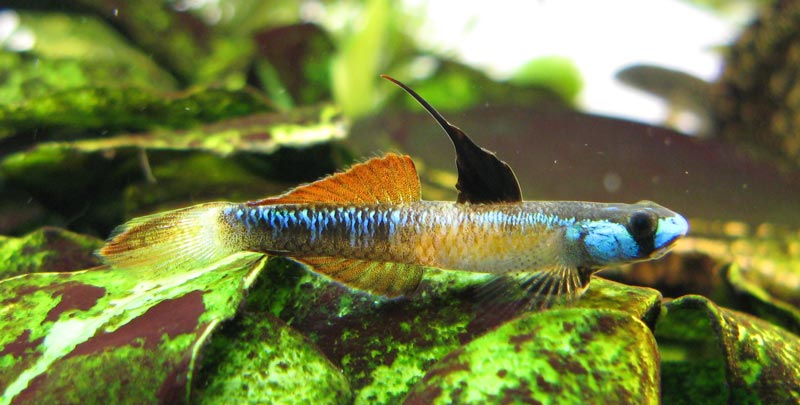
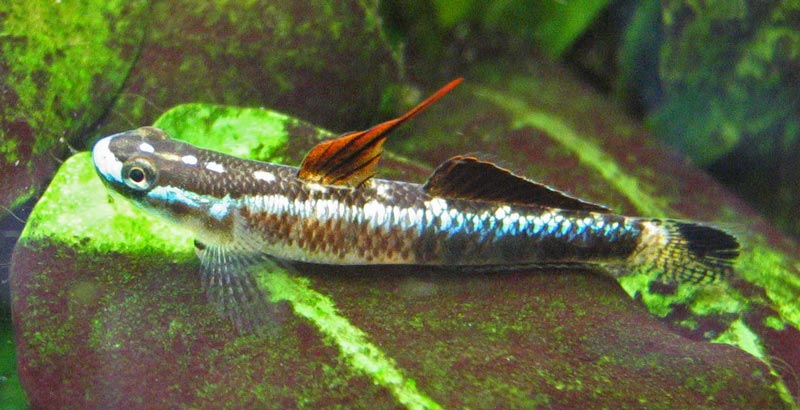
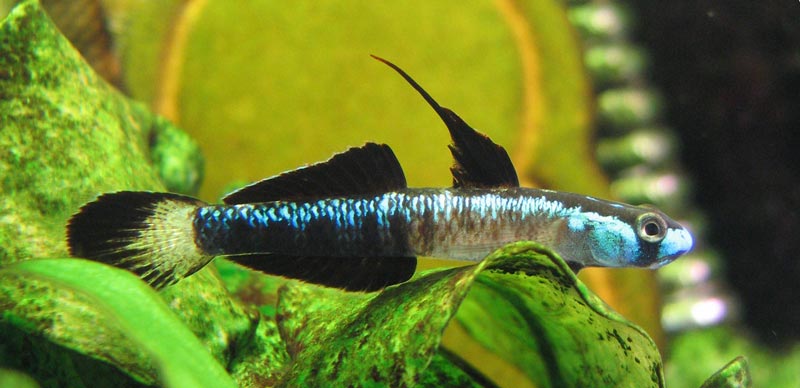
黑鳍枝牙鰕虎(Stiphodon percnopterygionus)体形小,雄鱼第一背鳍的第四、第五棘显著延长,辨识度较高。雄鱼可能呈蓝色,也可能转为黄橙色,不能简单把这两种颜色当作不同性别。饲养需要成熟藻膜和稳定高氧水体。
分布与栖息地
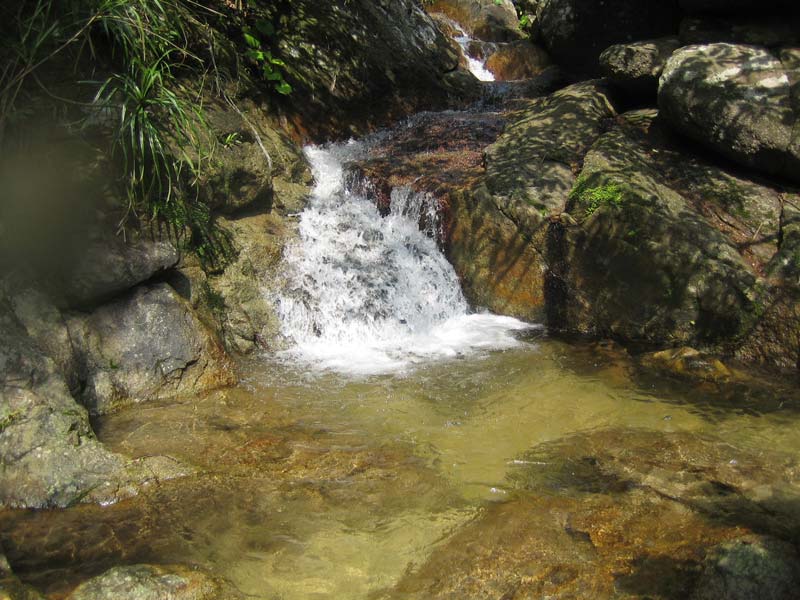
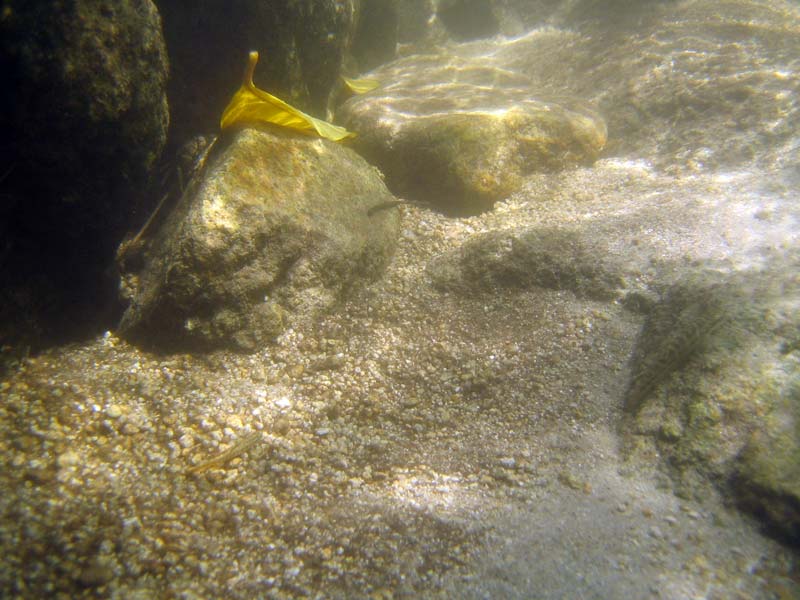
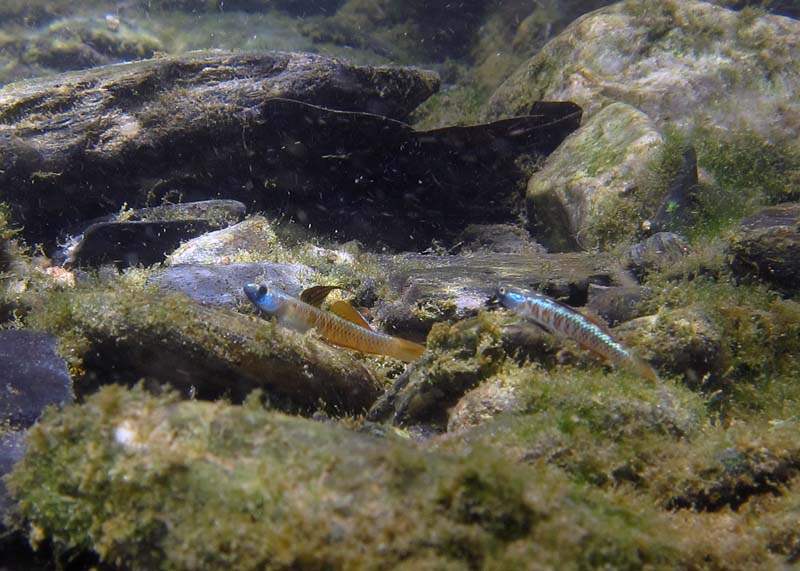
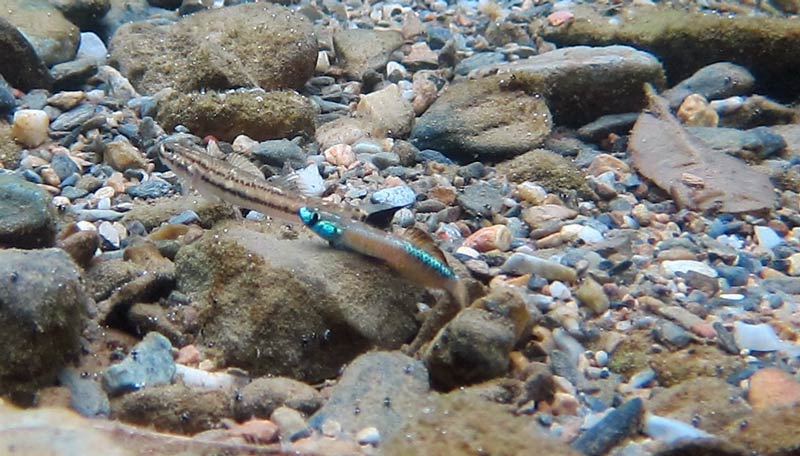
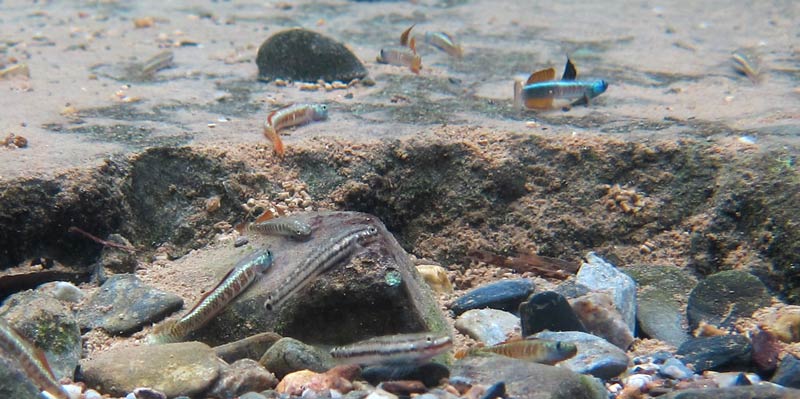
已知范围从台湾南部经日本八重山、琉球和小笠原群岛,延伸到关岛与帕劳。常见于坡度较低的溪流,宽阔缓至中速的流水段之间穿插水潭、小跌水。石质河床在清澈水体与充足光照下形成丰富生物膜。
饲养环境
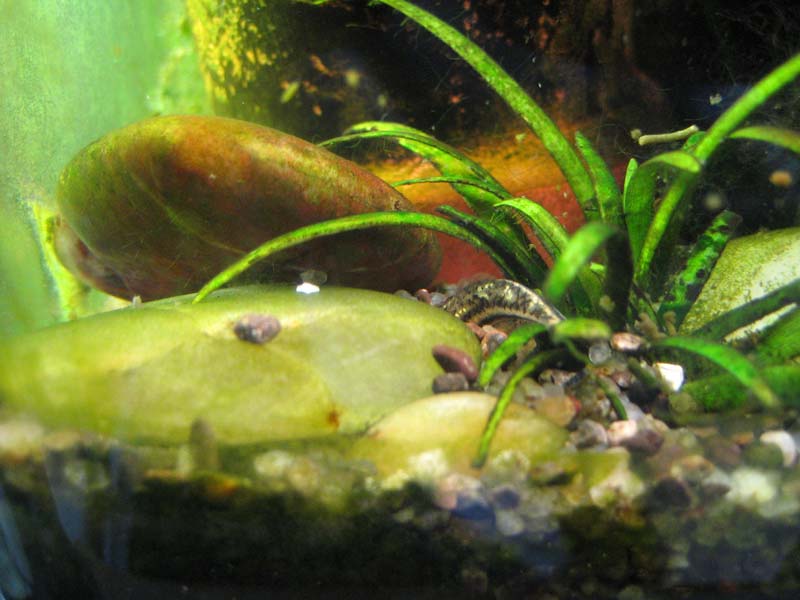
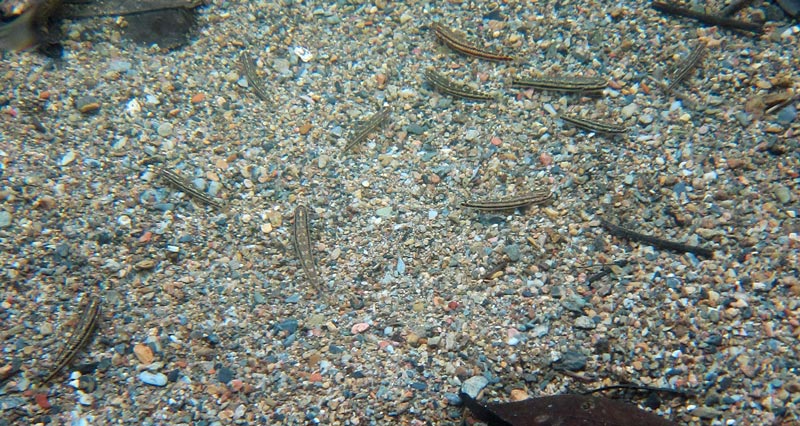
以沙砾和大小圆石构建底床,重石先稳置缸底,避免鱼钻底后发生塌落。多雄需要遮蔽、视线阻隔和足够啃食面。照明应能支持藻膜生长,可加陈化沉木和坚韧水草,避免新木过度染水。
过滤、循环与增氧须保证清洁高氧环境,参考循环量为每小时十至十五倍缸水,增氧充分时五至十倍也可考虑。每周换水三成至一半,但保留有用藻膜。封严缸盖,避免爬出。自然界存在较凉的季节,并不意味着应随意骤降缸温。
食性与喂食
以底栖藻类和附着微生物为核心食物。可能接受沉底饲料或少量小型动物饵料,只宜偶尔补充。必要时在另一个明亮容器中培养藻石,轮换进主缸;不能依赖坚硬黑毛藻喂饱它。消瘦个体尤其需要减少竞争,并持续获得合适的食物表面。
习性与混养
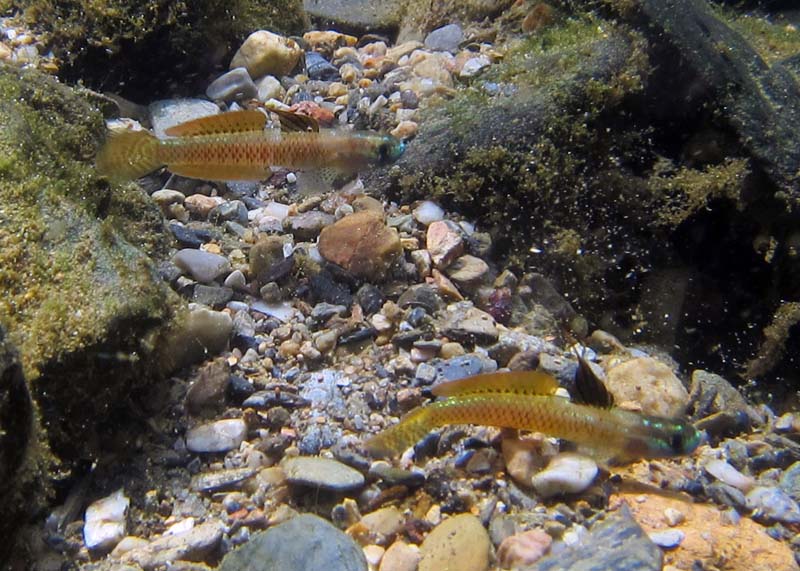
可搭配温和、体形相近且水体需求一致的中上层小鱼,避免大型鱼、强势抢食鱼和多数底层领地性慈鲷。雄鱼之间会竞争,足够空间和遮蔽有助于多尾共存。一雄配至少两雌是可参考的小群起点。
雌雄区分
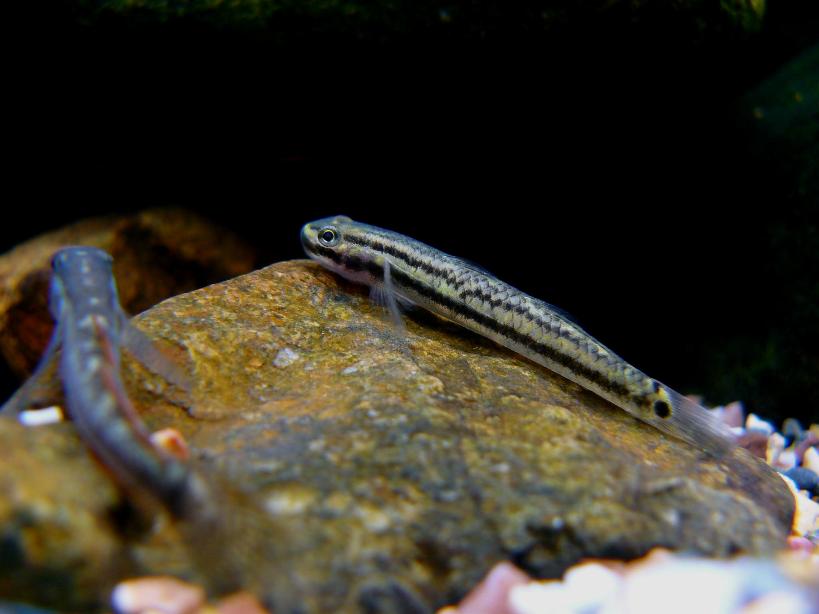
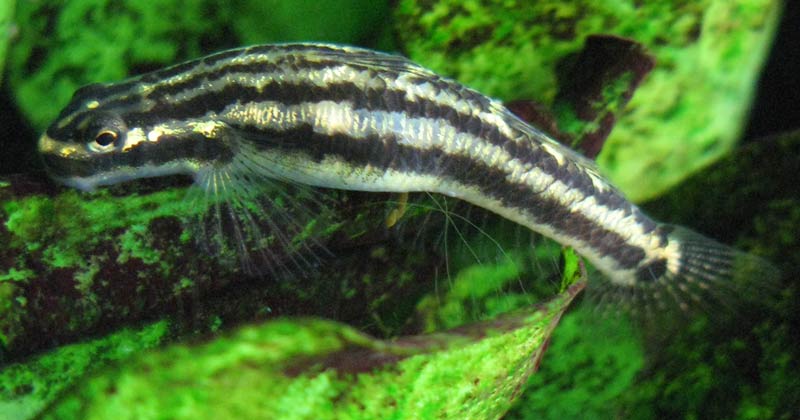
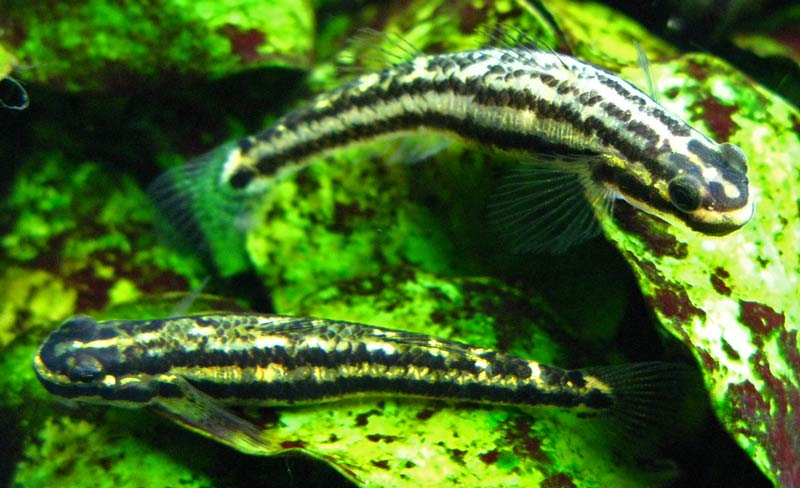
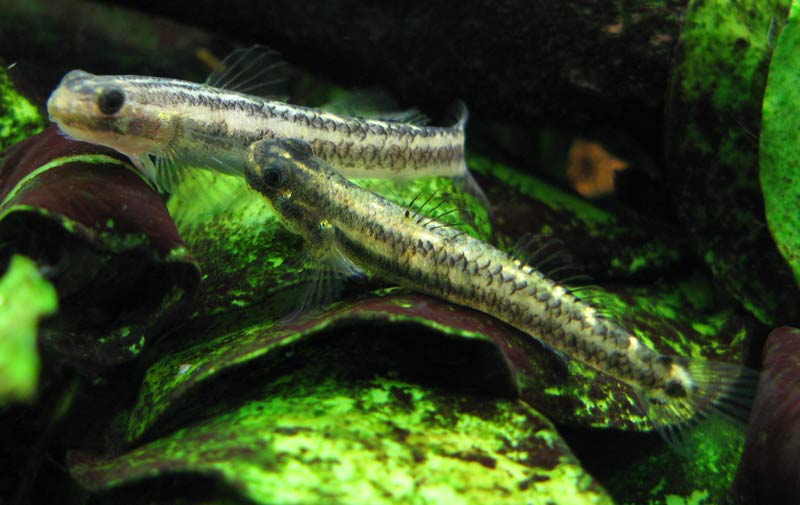
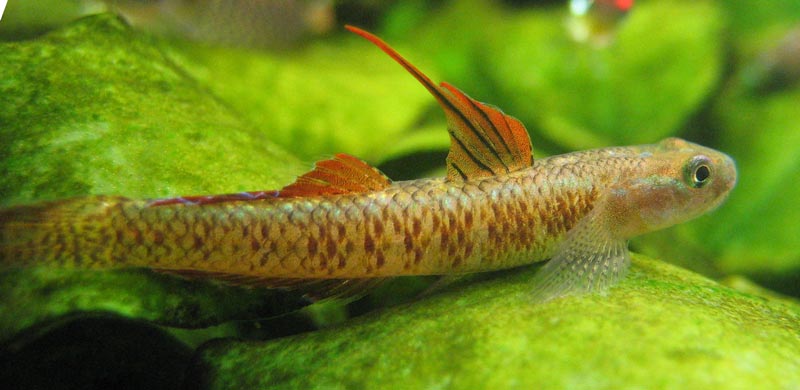
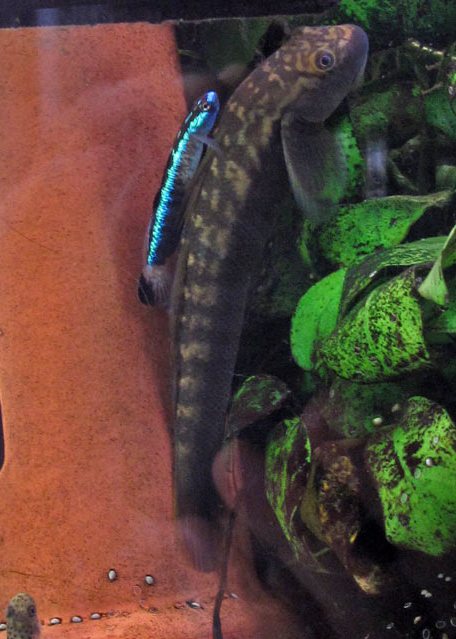
较小雄鱼通常蓝色,长大后许多个体转黄或橙色;有的长期保持黄色,有的再变蓝,也有从不变黄的个体,两种色型都能繁殖。雄鱼第一背鳍通常黑色,受压时可能显红。雌鱼较素,体侧两道暗带边缘不规则。
繁殖
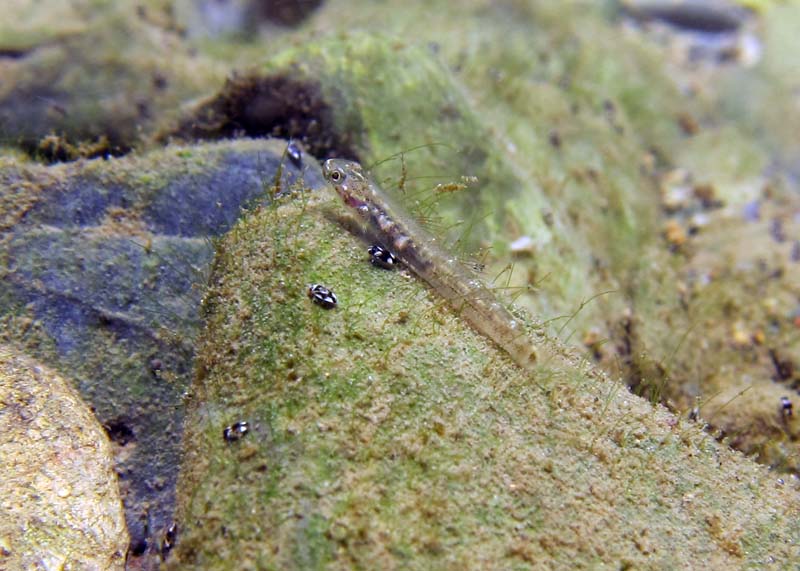
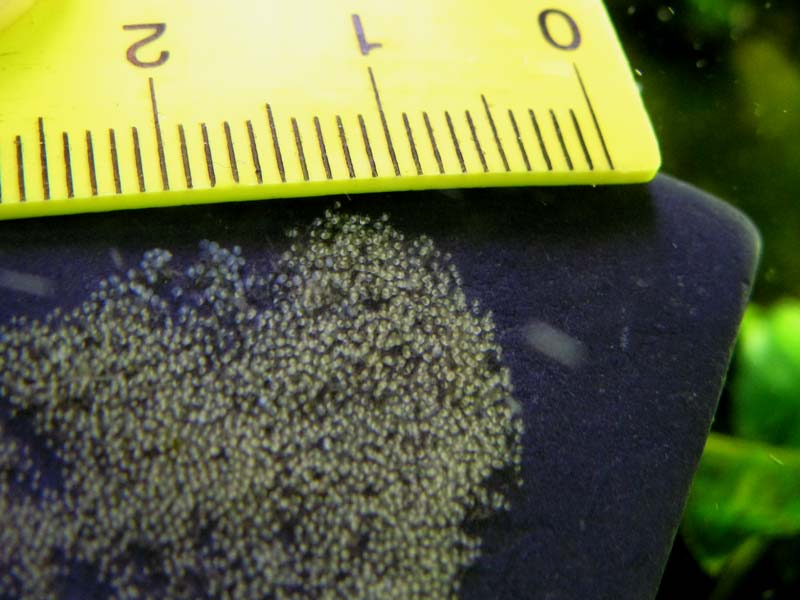
成鱼在淡水溪流繁殖,幼体进入海中发育后再溯溪。对本种的研究发现,浮游幼体透明,定居到底部后出现色素;浮游期可达七十八至一百四十六天,低温下更长。凉季生殖腺活动减弱,可能暂时停止繁殖,主要繁殖期在六月至十一月。
属内常见石下产卵和雄鱼护卵,但完成海水幼体阶段才是繁殖难点,不能把见到卵等同于能在淡水缸育成。
补充说明
延长的第一背鳍、黑色鳍面和较小成体共同帮助辨识。颜色变化的原因尚未明确,不宜据此判断个体健康或成熟状态。
图片
图片来自 SeriouslyFish,版权归各摄影者所有。
English
Overview
The greatly extended fourth and fifth spines of the male's first dorsal fin help identify Stiphodon percnopterygionus. Males may be blue or yellow-orange; these colors are not a simple male-versus-female distinction. Established biofilm and stable oxygenated water are central to keeping this small goby.
Distribution & habitat
Its range arcs from southern Taiwan through Japanese island groups, including the Ryukyus and Bonins, toward Guam and Palau. Typical habitats have gentle gradients and relatively broad slow-to-moderate runs interrupted by pools or small cascades. Clear water and light sustain rich films over the rocky bed.
Aquarium setup
Arrange rounded stones over sand or gravel, placing heavy rocks securely on the base before adding substrate. Digging must not undermine them. Provide cover, visual barriers, and enough grazing area for multiple males. Strong illumination supports algae; seasoned wood and hardy plants are optional, while heavily staining new wood is less suitable.
Maintain filtration, aeration, and circulation. Suggested turnover is roughly 10–15 tank volumes hourly, or 5–10 with good oxygenation. Change about 30–50% of the water each week without removing all useful biofilm. A tight cover prevents climbing escapes. A natural cool season does not justify abrupt aquarium temperature changes.
Diet & feeding
Benthic algae and their associated microorganisms form the food base. Accepted sinking foods or small animal items are occasional supplements. Algae-covered stones grown separately under bright light can replenish depleted grazing surfaces. Tough black brush algae is not a dependable food source. Thin fish particularly need uninterrupted access to suitable food without strong competitors.
Behaviour & compatibility
Peaceful fishes of similar size using higher levels can be suitable companions. Avoid large species, forceful feeders, and most territorial bottom-dwelling cichlids. Males compete for space, so provide room and cover. A suggested small group contains one male and at least two females.
Sexual dimorphism
Young males are usually blue. Many later become yellow or orange, some subsequently return to blue, and others never change. Both color phases can breed. The male's first dorsal is normally black but may look red under stress. Females are relatively plain with two dark, irregular-edged lateral stripes.
Breeding
Adults reproduce in freshwater, while larvae develop at sea before returning upstream. Research on this species found transparent pelagic larvae becoming pigmented after settlement. The pelagic period lasted 78–146 days and increased at lower temperatures. Gonadal activity declined during the cool season, with breeding thought to pause then; peak activity was from June through November.
Under-rock spawning and male egg care are characteristic of the genus. Completing the marine larval phase remains the central aquarium challenge, rather than simply obtaining eggs.
Notes
The elongated first dorsal, dark fin coloration, and small adult size are useful together for identification. Reasons for male color changes remain unresolved, so they should not be treated as a simple indicator of health or maturity.
来源
ID:stiphodon-percnopterygionus · 文件: data/species/stiphodon-percnopterygionus.md · 状态: 草稿