Stiphodon ornatus · Rainbow Stiphodon
概要
| 字段 | 值 |
|---|---|
| 类别 | 鱼 |
| 学名 | Stiphodon ornatus |
| 分类 | 虾虎鱼目 Gobiiformes › 虾虎鱼科 Gobiidae › Stiphodon |
| 水体 | 淡水 |
| 原产地 | 印度尼西亚 |
| 成体体长 | 7 cm |
| 饲养难度 | 中等 |
| 最小水体 | 72 L |
| 最小缸长 | 80 cm |
| 群居方式 | 群游 |
| 水流偏好 | 高 |
| 特征 | 会跳缸: 是 |
| 外部数据 | seriouslyfish stiphodon-ornatus;fishbase 27467 |
水质参数
| 参数 | 耐受范围 | 最适范围 | 单位 |
|---|---|---|---|
| 水温 | 20–28 | — | °C |
| pH | 6.5–7.5 | — | — |
| 总硬度 | 2–12 | — | dGH |
概述
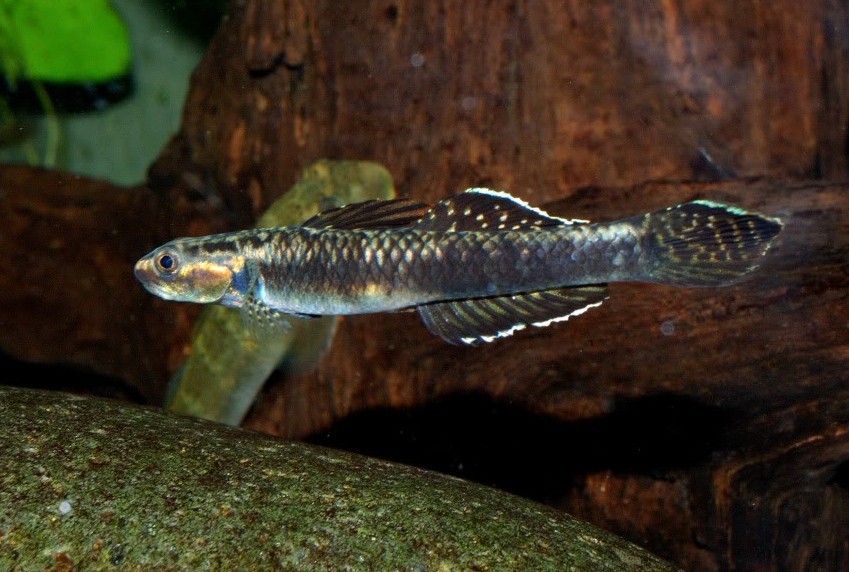
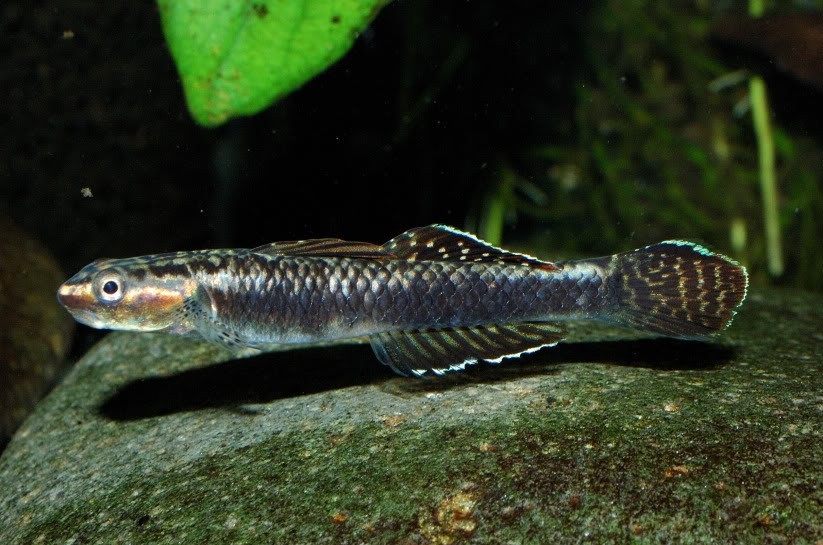
Stiphodon ornatus 是苏门答腊的溪流虾虎,常见贸易名包括 Rainbow、Gold Fin 和 Gold Cheek。雄鱼体色变化很大,同一名称也可能混入近似种,不能只凭一张鲜艳照片识别。
它适合有充足附着藻和高溶氧的成熟缸。比起追求长期发黑或蓝颊,维持饱满体况和持续觅食更重要。
分布与栖息地
已知分布在印度尼西亚苏门答腊的亚齐和西苏门答腊省。模式产地 Barung Belantai 河可能就是西苏门答腊 Barung Barung Belantai 村附近的小河。
此属通常生活在短小沿海溪流,岩床和石块上生长丰富生物膜,岸边植物、落叶较多而水生植物较少。按雄鱼背鳍形态,本种归入较偏缓流的类型;这不能替代具体采点水流记录,也不意味着可容忍缺氧。
饲养环境
使用至少 80 cm 长的成熟缸,以清洁和充足溶氧为先;可通过较强过滤、辅助水泵及气石实现。沙砾上放大小不同的圆滑石,形成遮蔽和断开的视线,多雄同养时增加藏身处。
雄鱼睡眠和繁殖时可能挖底,承重石块应直接立在缸底,避免被掏空后倾倒。旧沉木可用,少用严重染水的新木,以保留强光培养藻膜的效果。Microsorum、Crinum、Anubias 等耐受植物的叶面也可提供附藻面积。
每周换水 30%~50%,保留观察面外的藻膜。水温处于适温高端时更要加强水面扰动。密合缸盖防攀爬逃逸,新开缸不宜放入。
食性与喂食
Stiphodon 属的取食系统适于刮食底栖藻和相关微生物,腹鳍吸盘帮助抵抗水流并支撑刮食动作。长期饲养依赖充足的成熟石面;干粮和小型活、冻动物饵即使会吃,也只宜偶尔补充。
硅藻、蓝细菌膜和柔软绿藻较适合作为可利用表面,坚韧黑毛藻不能当作稳定口粮。藻量不足时,在独立强光容器培养石块后轮换;适宜气候下可在户外进行。若有很多食藻伙伴,要留意主缸是否被过度啃净。
交易中可遇到消瘦鱼,恢复往往不容易。弱鱼需要随时可吃的适合食物,并减少竞争,不能指望偶尔喂红虫就弥补长期饥饿。
习性与混养
按此属经验,可与体形相近、温和、适应富氧水的中上层鱼及不抢食的小型底栖鱼同养。避免大型鱼、猛烈争食的鳅类,以及占据底层领域的多数慈鲷。
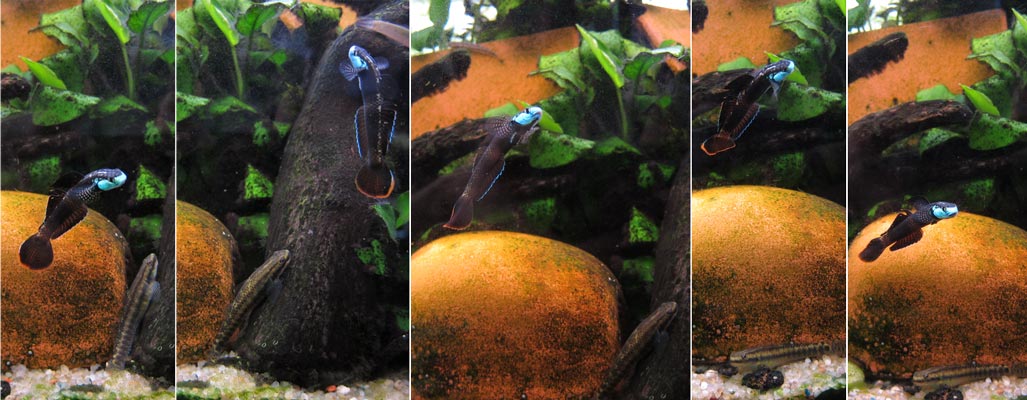
雄鱼存在较松散的领域,繁殖时更明显;空间、藏处和食物足够才适合多雄。雌鱼倾向松散结群,一雄配至少两雌可作为基本组合。不同种雌鱼也可能混群,应另核实身份。
雌雄区分
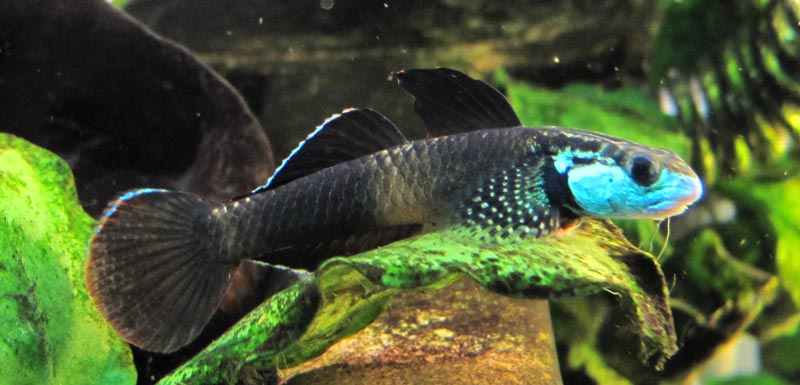
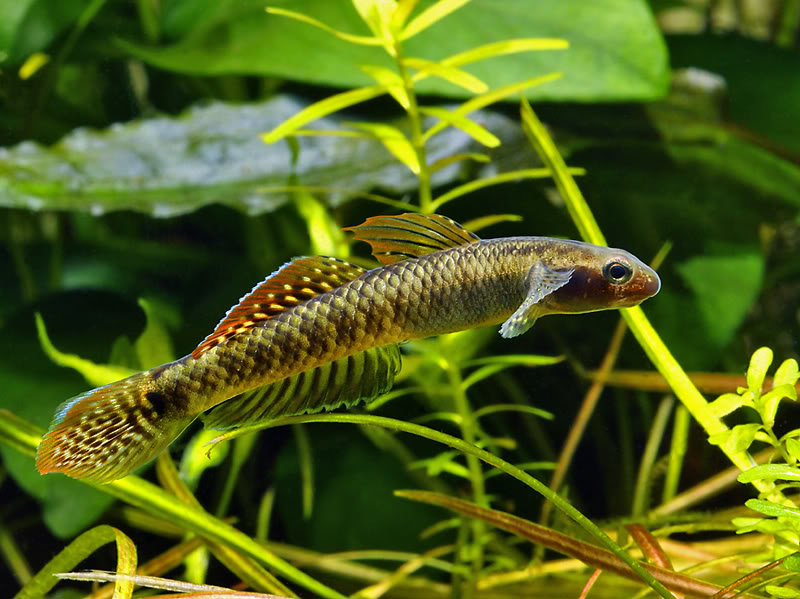
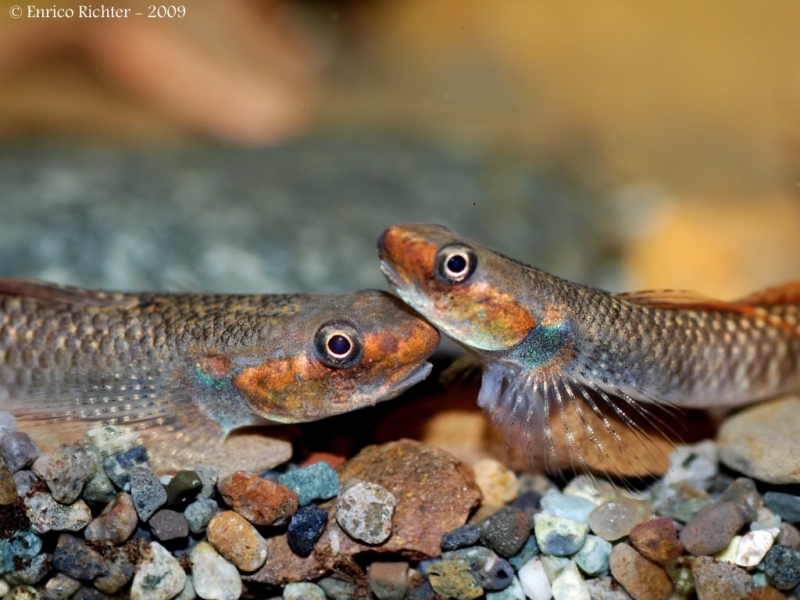
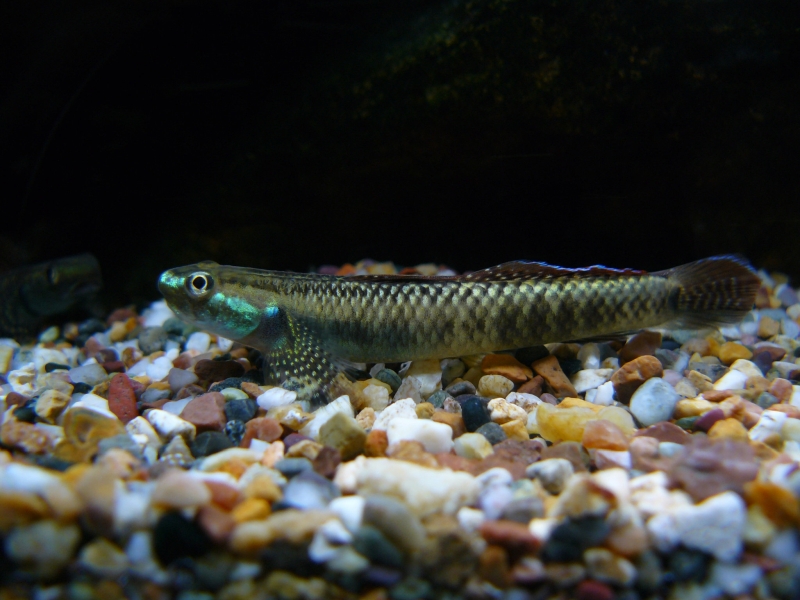
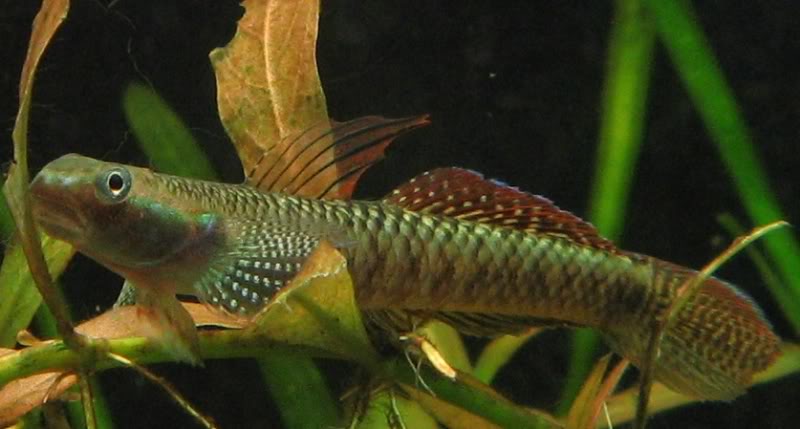
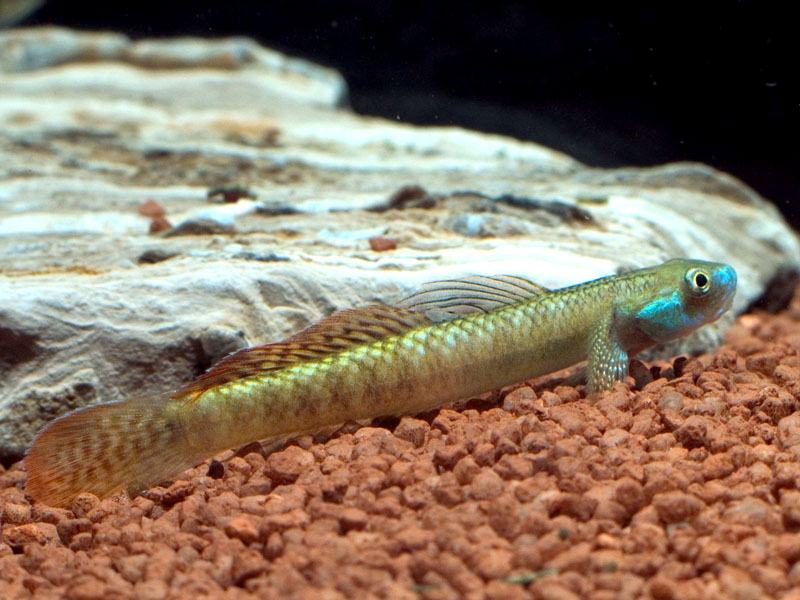
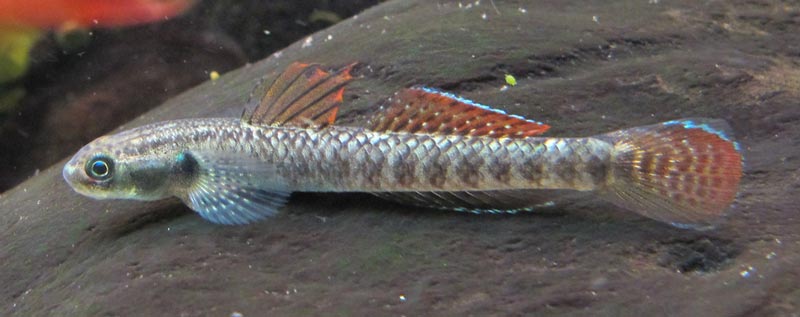
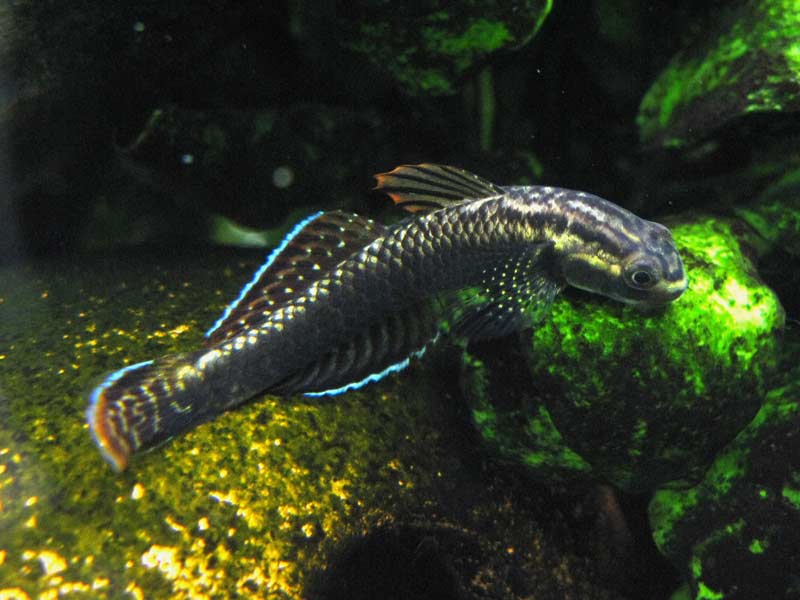
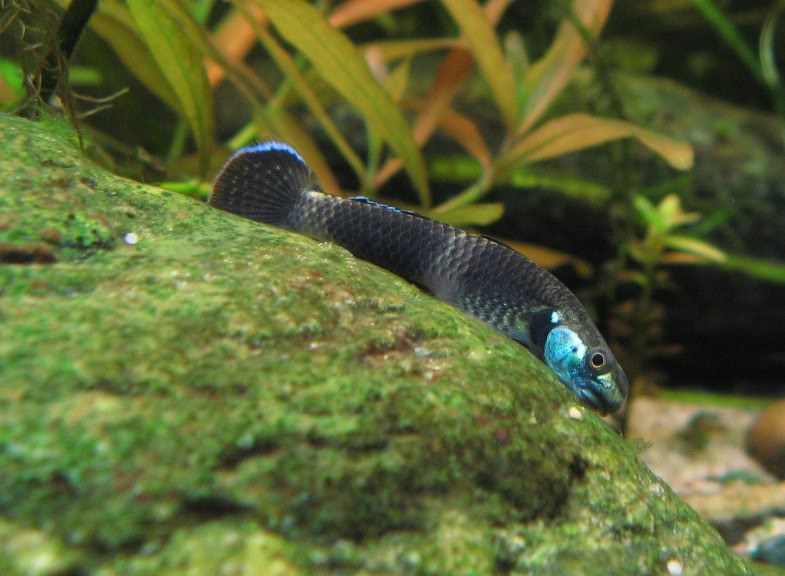
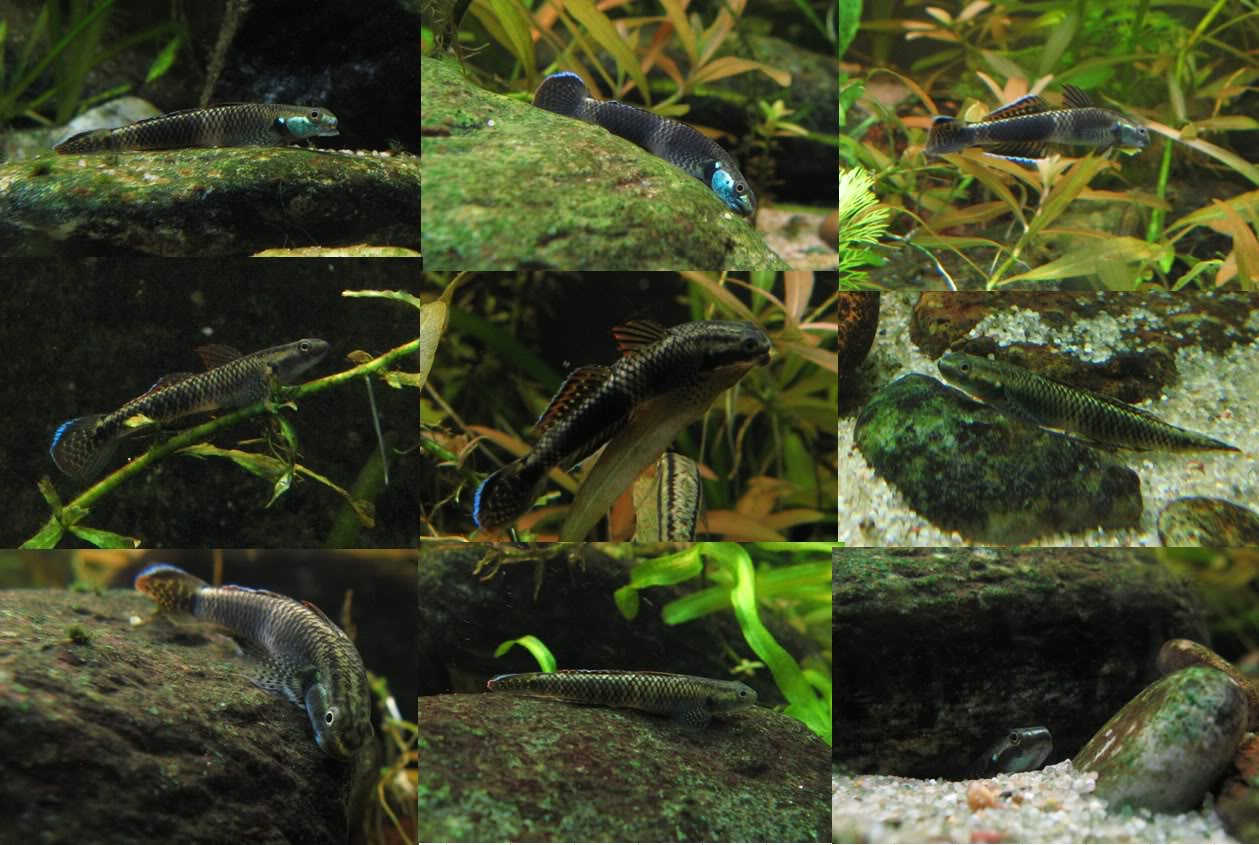
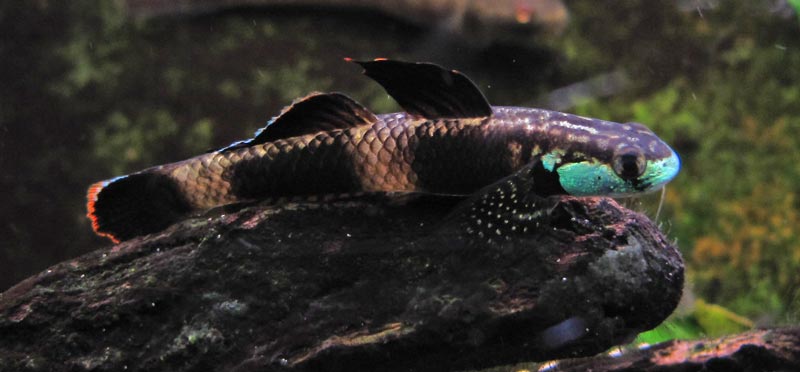
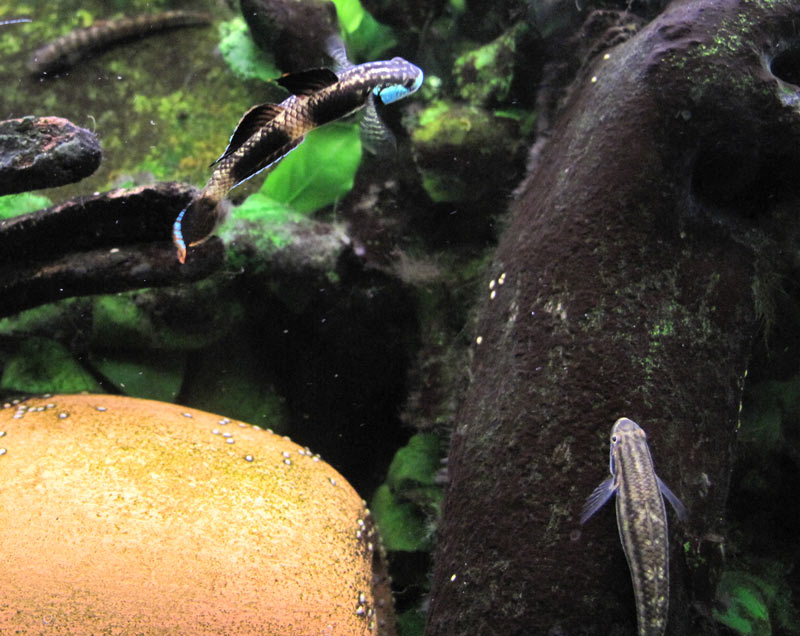
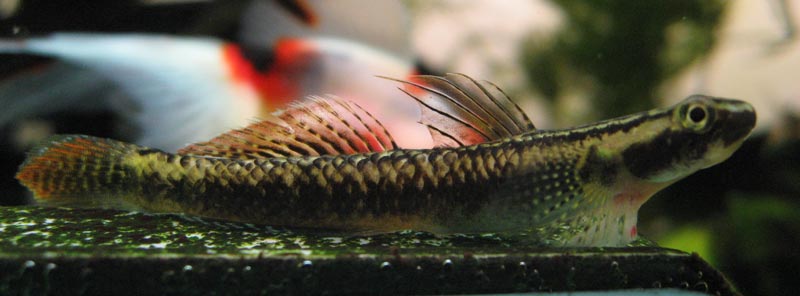
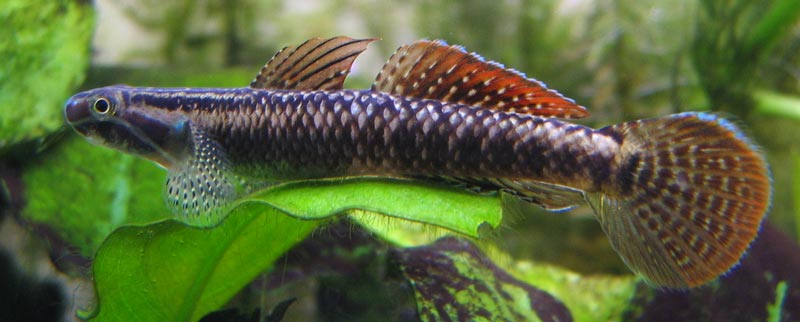
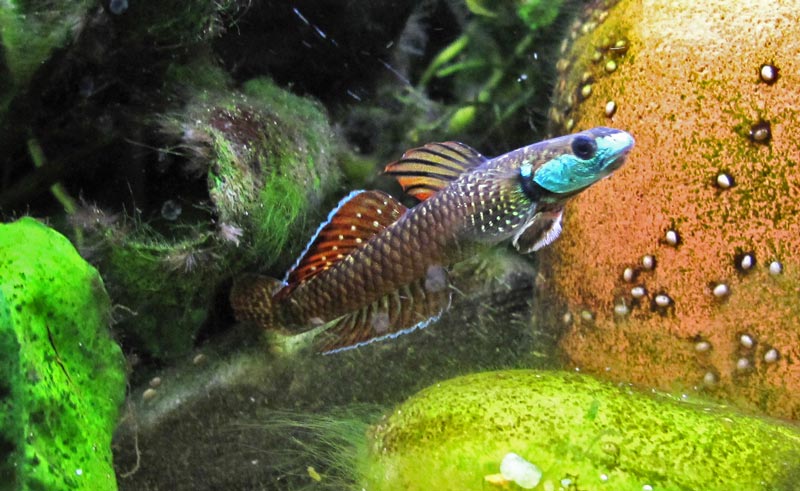
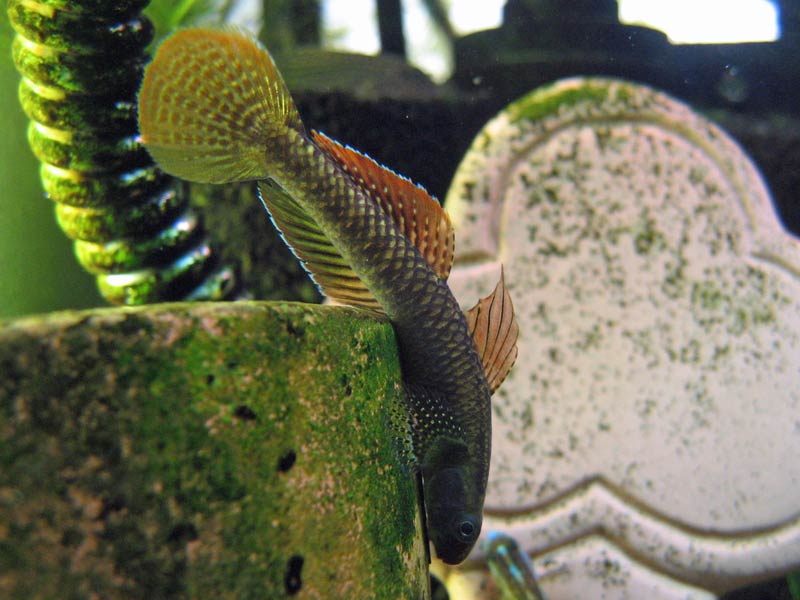
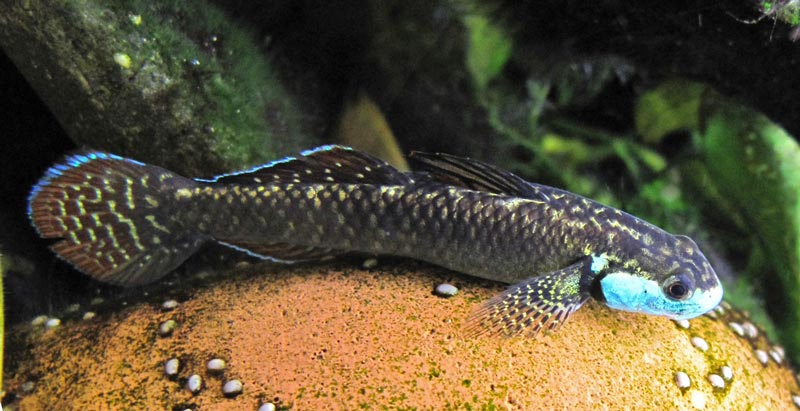
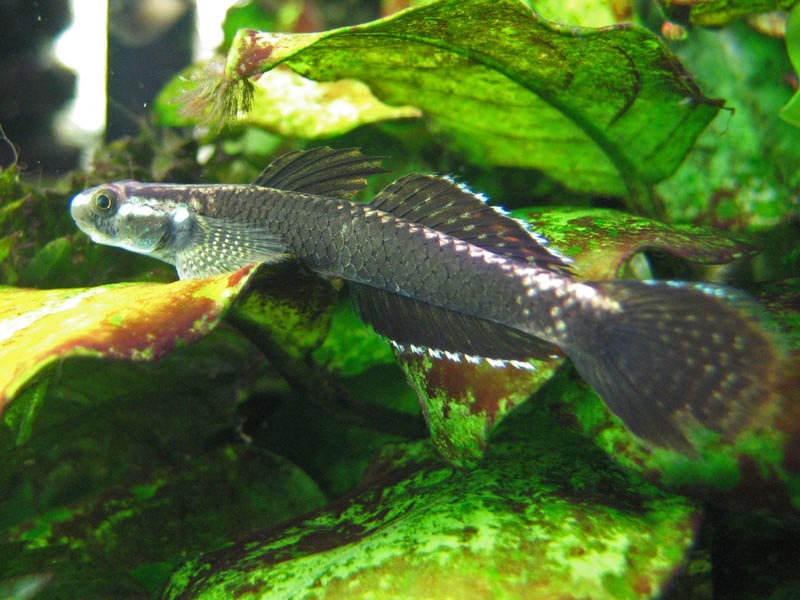
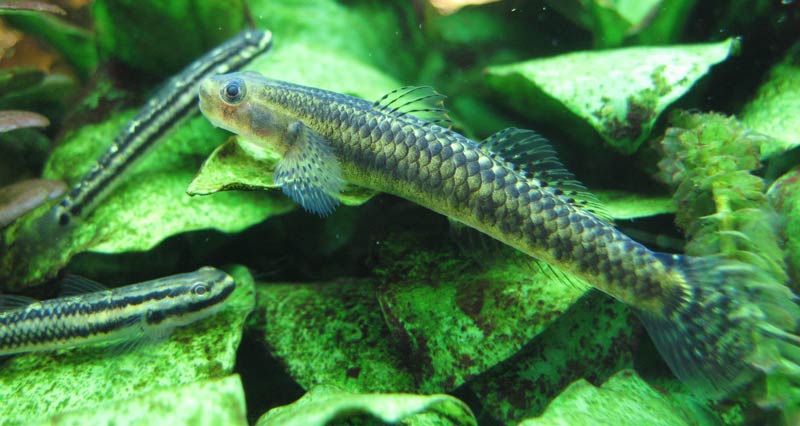
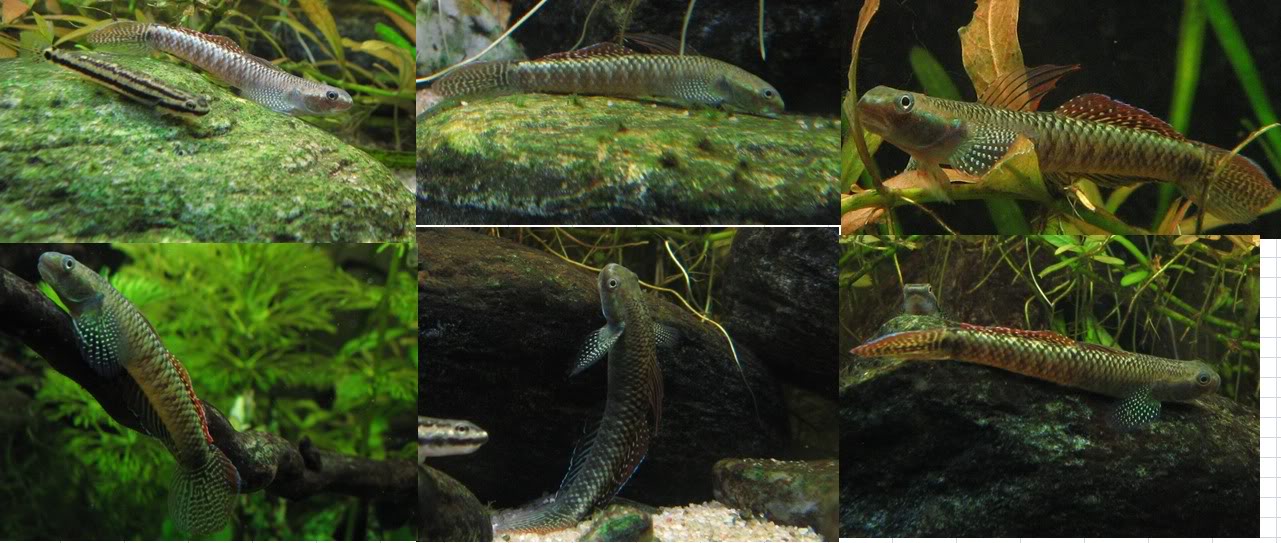
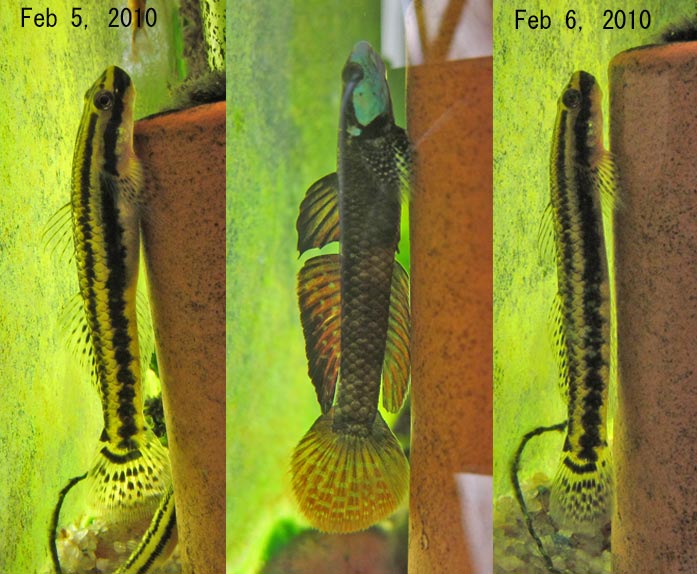
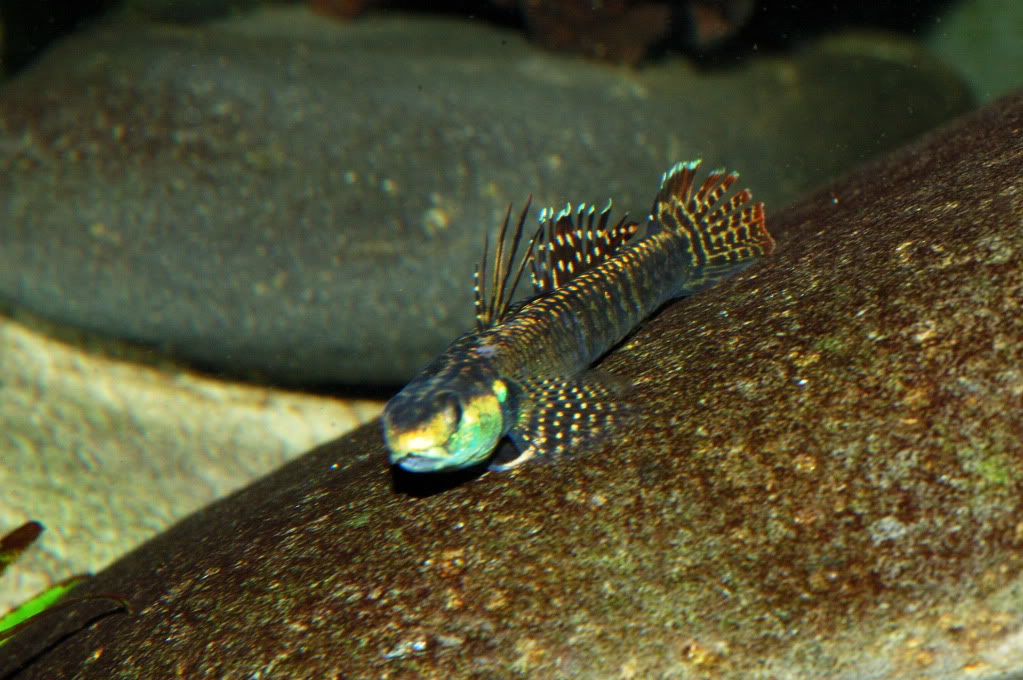
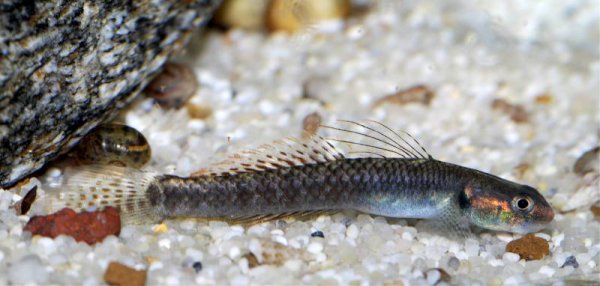
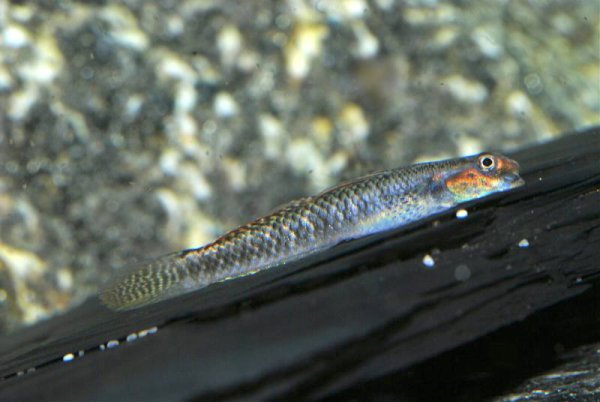
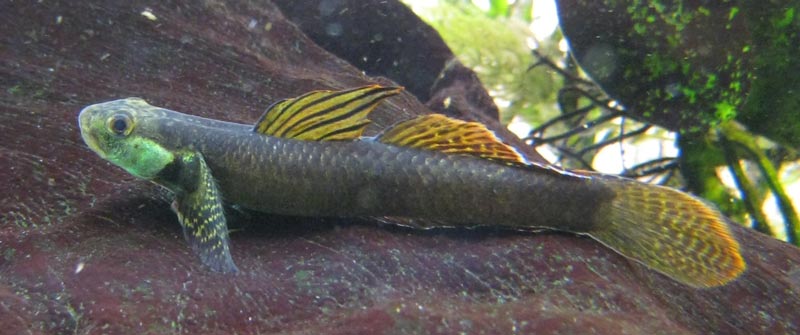
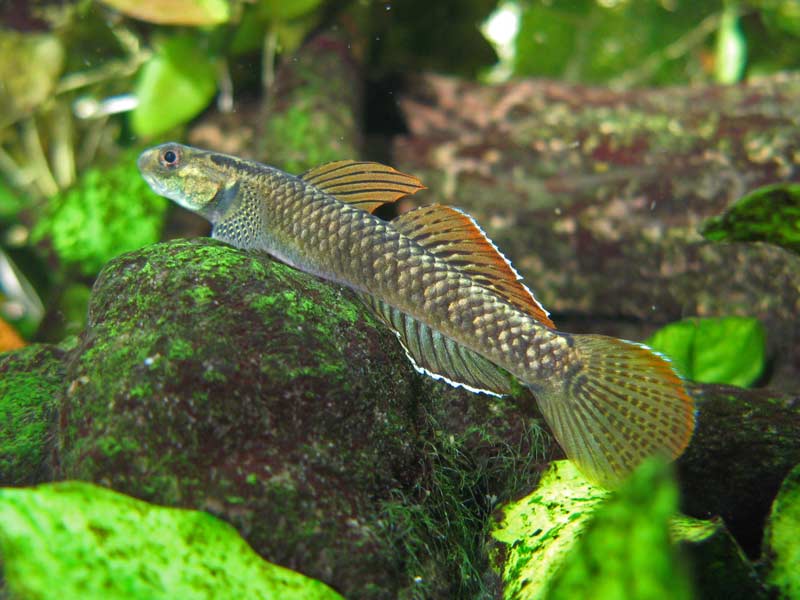
雄鱼基础色可由浅橄榄至深棕,鳞缘深色,能迅速转暗;有的个体经常黑,有的很少如此。颊部可能橙金或鲜蓝,闪光摄影会改变观感。各鳍通常带橙红、深色鳍条及不规则暗纹,第二背鳍、臀鳍和尾鳍末缘有淡蓝白边;暗色状态下鳍也可近黑。
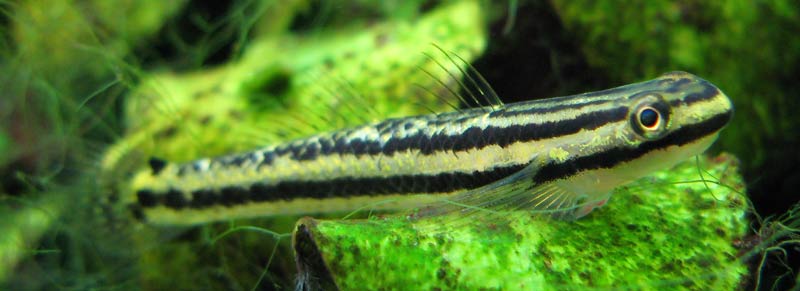
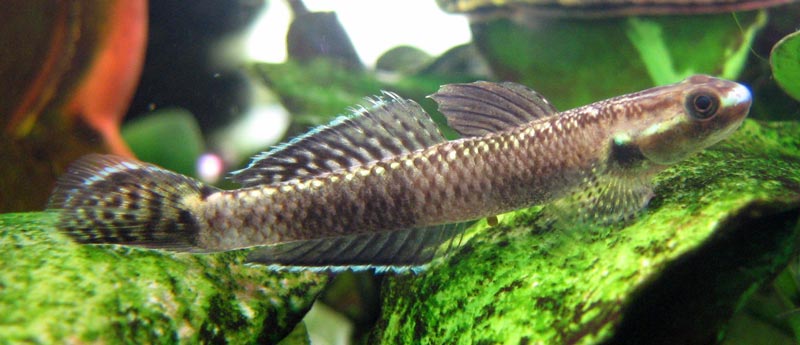
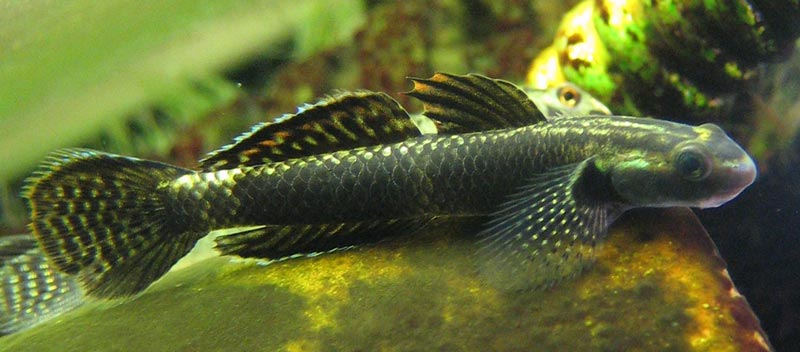
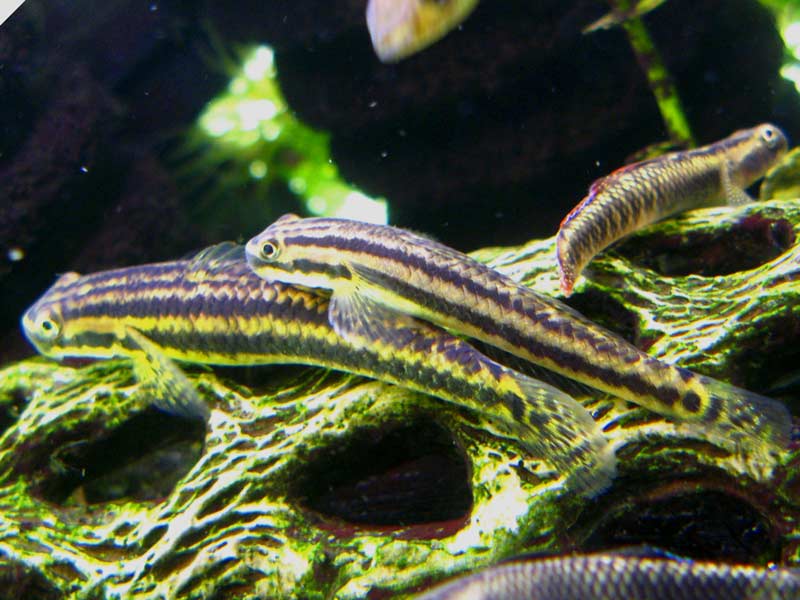
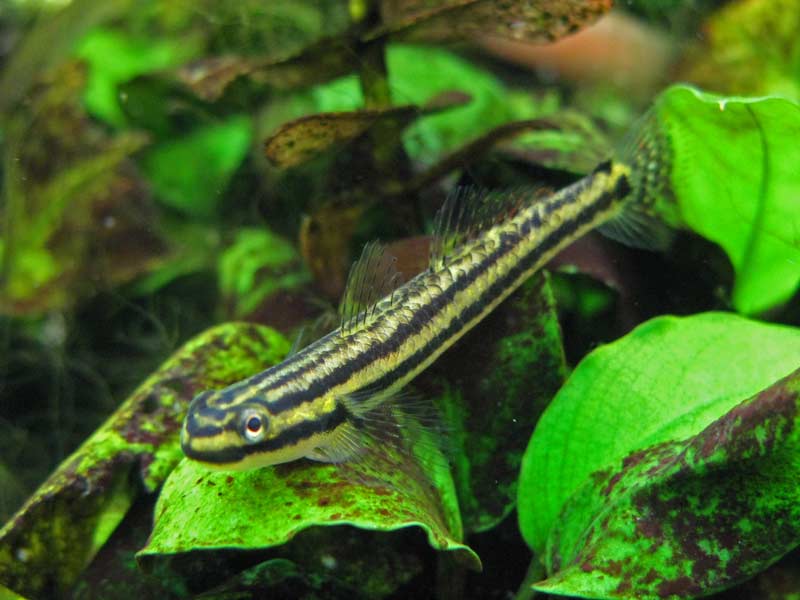
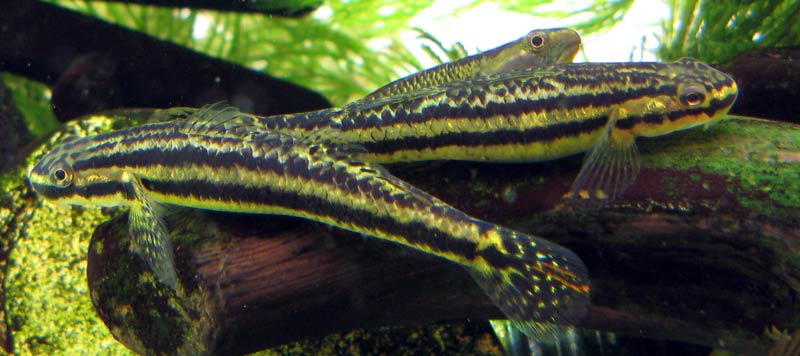
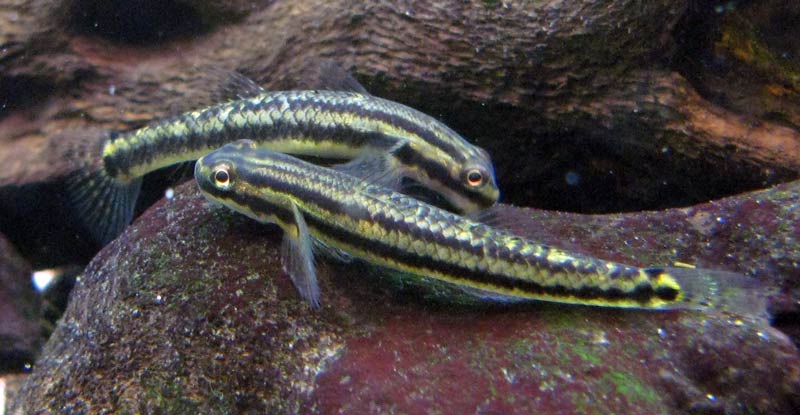
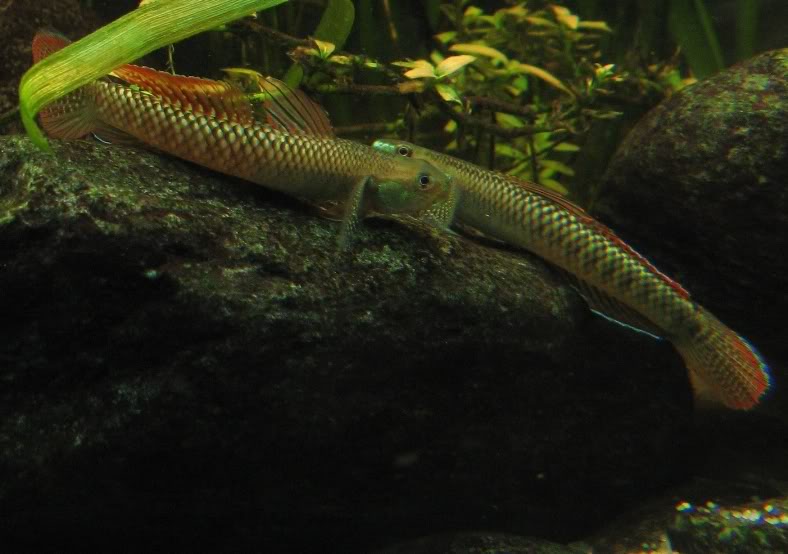
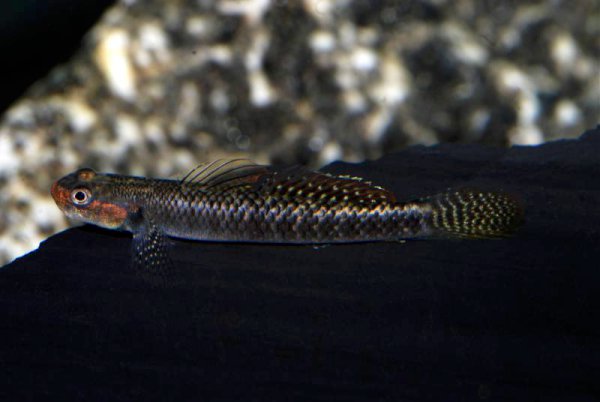
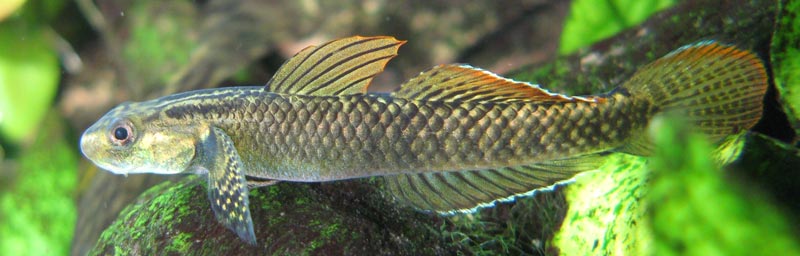
雌鱼颜色素淡,体侧两条深纵纹的边缘较直,头背还有细纹并向尾柄合并。受惊或兴奋时可明显褪色,鳞缘变深。雄鱼无胸鳍后方白色脂肪斑,第一背鳍尖且中间数棘延长,尾鳍相对较大,也有助于与近似种比较。
繁殖
此属采取淡水成鱼、海洋幼体的两侧洄游方式。雄鱼引诱雌鱼到石下产卵并护卵;已研究的同属鱼一次可产数千至约一万枚约 0.5 mm 的微小附着卵,孵化可能不足一天。
初孵幼体尚无正常运作的口、肛门和眼睛,卵黄约三至四天吸收完,必须及时被水流带到海中。经过海洋浮游和近岸定居,幼鱼再利用腹鳍吸盘向上游迁移。
近缘 Stiphodon percnopterygionus 的浮游期研究为七十八至一百四十六天,低温时较长;这个数据不能直接套成本种人工育苗流程。淡水产卵或出现护卵只是生活史的一段,不能据此判断已完成繁殖。
补充说明
Rainbow 等商品名曾用于较小、近乎同形的鱼,也可能混装不同种。2013 年的产地与形态研究帮助澄清了常见交易鱼身份,但颜色、销售名和单一性别鱼群仍可能造成误判。
地方性溪流种可能受到栖地破坏、污染及引入鱼类的压力,购买时明确产地和身份尤其有价值。
图片
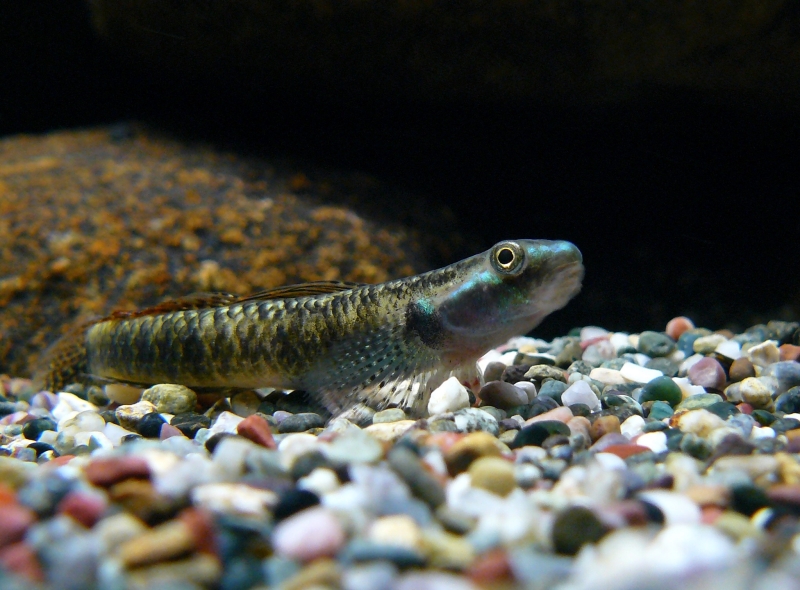
图片来自 SeriouslyFish,版权归各摄影者所有。
English
Overview
Marketed as Rainbow, Gold Fin, or Gold Cheek Stiphodon, Stiphodon ornatus is a Sumatran stream goby with exceptionally variable male coloration. Similar species can share those labels, so a bright photograph is not enough for identification.
A mature aquarium with abundant grazing surfaces and high dissolved oxygen is central to its care. Consistent feeding and good body condition matter more than maintaining a permanently dark body or blue cheeks.
Distribution & habitat
The documented range is Aceh and West Sumatra, Indonesia. The named type locality, the Barung Belantai River, probably corresponds to a small watercourse near Barung Barung Belantai village in West Sumatra.
The genus generally occupies short coastal streams with rocky substrates, rich biofilm, bankside growth, and leaf litter but few submerged plants. Male fin shape places this species among the forms associated with gentler flow. That association is not a detailed collection-site measurement, nor does it imply tolerance of low oxygen.
Aquarium setup
Use an established aquarium at least 80 cm long. Filtration, supplementary pumps, and aeration should maintain clean, well-oxygenated water. Arrange rounded rocks of different sizes over sand or gravel, providing shelters and broken sight lines, especially when keeping several males.
These fish may dig during sleep or spawning. Support heavy rocks on the base to prevent collapse if sediment is removed. Aged wood is suitable, but strongly staining fresh wood reduces the light available for biofilm. Hardy Microsorum, Crinum, and Anubias can provide additional grazing surfaces.
Change 30–50% of the water weekly while retaining algae away from the viewing glass. Increase surface movement toward the warmer end of the temperature range. Fit a secure cover against climbing escapes and avoid introducing fish into an immature tank.
Diet & feeding
The feeding apparatus of Stiphodon is adapted to scraping benthic algae and associated microorganisms. The pelvic disc braces the fish against flow and supports the scraping action. A continuing supply of mature surfaces is essential; accepted dry foods and small live or frozen animal foods should remain occasional supplements.
Diatoms, cyanobacterial films, and softer green algae provide more useful grazing than tough black brush algae. If growth is insufficient, cultivate spare rocks under strong lighting and rotate them through the main aquarium. Outdoor culture is possible in a suitable climate. Numerous other grazers may consume the supply faster than it grows.
Thin fish offered for sale may be difficult to restore. Weak individuals need suitable food continuously available without competition; occasional bloodworms cannot compensate for prolonged starvation.
Behaviour & compatibility
Experience with the genus favors peaceful, similarly sized fishes adapted to oxygen-rich water, plus small bottom dwellers that do not monopolize food. Avoid large fishes, assertive loaches, and most territorial bottom-dwelling cichlids.
Males defend loose areas, especially during breeding. Several require adequate room, shelters, and food. Females form loose associations, so one male with at least two females is a useful basic group. Females of different species may associate, making independent identification necessary.
Sexual dimorphism
Male background color ranges from pale olive to deep brown with dark scale edges and can darken rapidly. Some individuals stay dark frequently; others rarely do. Cheeks may appear orange-gold or vivid blue, and flash photography can distort the effect. Fins usually have orange-red ground color, dark rays, and irregular markings, with pale blue-white edging on the second dorsal, anal, and outer caudal regions. Dark males can have almost black fins.
Females are plainer, with two comparatively straight-edged flank stripes and additional thin lines over the head and back that converge toward the tail base. Excited or stressed fish may become pale with dark-edged scales. Males lack a white fatty patch behind the pectoral base and have an extended, pointed first dorsal and relatively large tail, useful additional identification characters.
Breeding
The genus combines freshwater adult life with marine larval development. Males court beneath stones and guard the attached eggs. Studied congeners can produce thousands, sometimes around 10,000, of roughly 0.5 mm eggs that hatch within a day.
The larvae initially lack functional mouths, anuses, and eyes. Their yolk is used within about three to four days, requiring rapid downstream transport to the sea. After pelagic development and coastal settlement, juveniles migrate upstream using the pelvic disc for attachment.
A study of Stiphodon percnopterygionus found a pelagic phase of 78–146 days, longer at lower temperatures. This comparative finding is not a validated rearing procedure for S. ornatus. Spawning or egg guarding in freshwater covers only one part of the cycle.
Notes
The Rainbow label has also covered smaller, nearly identical fishes and potentially mixed shipments. Distributional and anatomical work published in 2013 clarified the identity of commonly traded specimens, but color, labels, and single-sex groups can still mislead.
Habitat degradation, pollution, and introduced fishes may affect localized stream populations. Reliable identity and collection information therefore have value beyond choosing a color form.
来源
- https://www.seriouslyfish.com/species/stiphodon-ornatus(抓取于 2026-10-10)
stiphodon-ornatus · 文件: data/species/stiphodon-ornatus.md · 状态: 草稿