Stiphodon maculidorsalis · Orange-fin Stiphodon
概要
| 字段 | 值 |
|---|---|
| 类别 | 鱼 |
| 学名 | Stiphodon maculidorsalis |
| 分类 | 虾虎鱼目 Gobiiformes › 虾虎鱼科 Gobiidae › Stiphodon |
| 水体 | 淡水 |
| 原产地 | 印度尼西亚 |
| 成体体长 | 8 cm |
| 饲养难度 | 中等 |
| 最小水体 | 72 L |
| 最小缸长 | 80 cm |
| 群居方式 | 群游 |
| 水流偏好 | 高 |
| 特征 | 会跳缸: 是 |
| 外部数据 | seriouslyfish stiphodon-maculidorsalis;fishbase 67139 |
水质参数
| 参数 | 耐受范围 | 最适范围 | 单位 |
|---|---|---|---|
| 水温 | 20–28 | — | °C |
| pH | 6.5–7.5 | — | — |
| 总硬度 | 2–12 | — | dGH |
概述
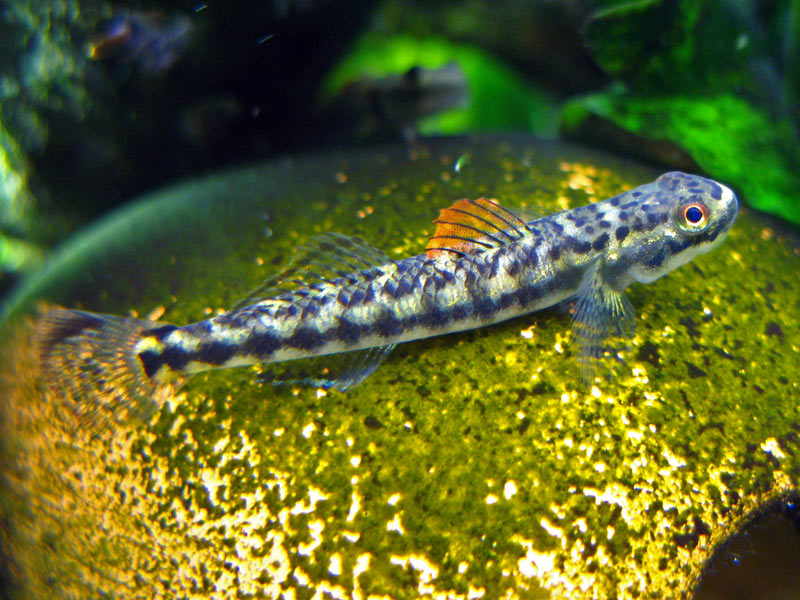
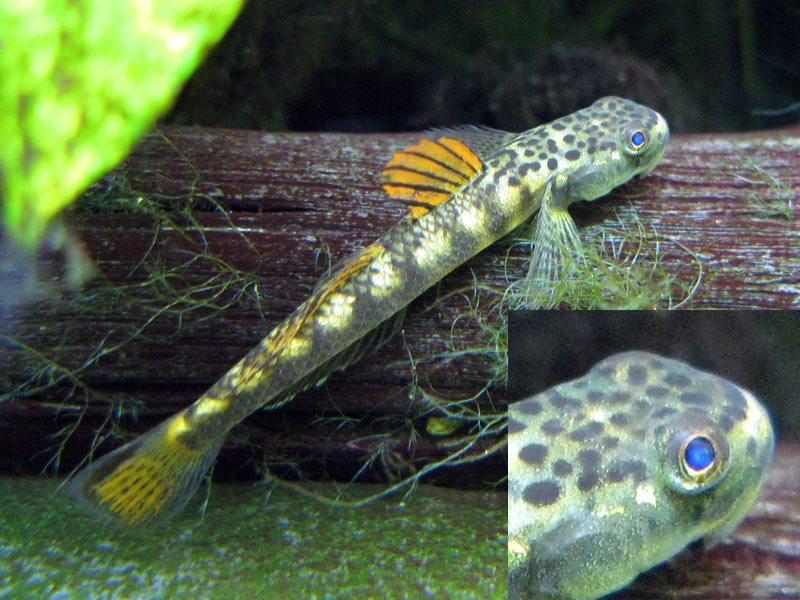
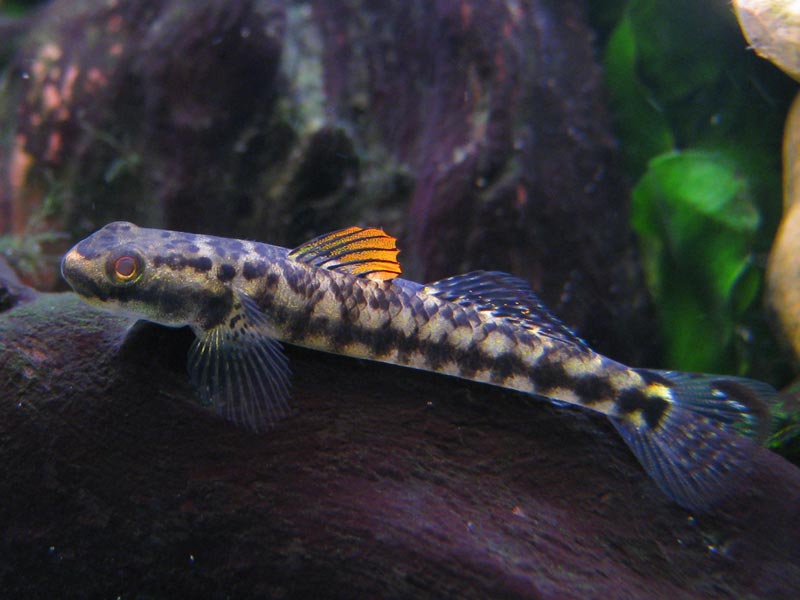
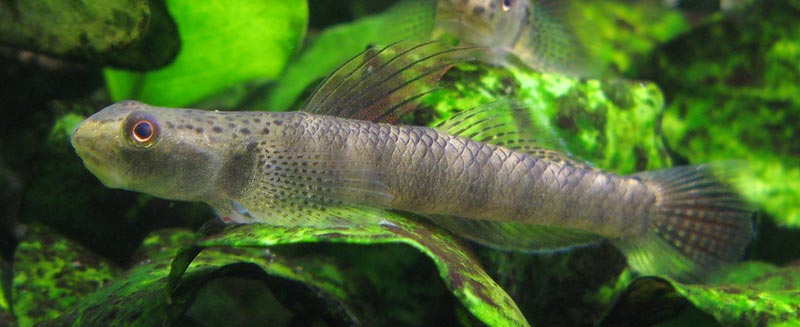
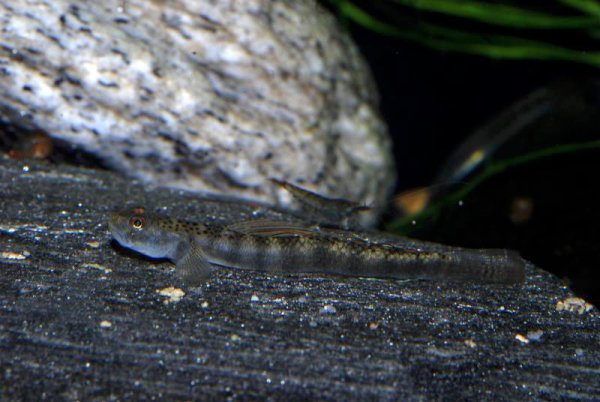
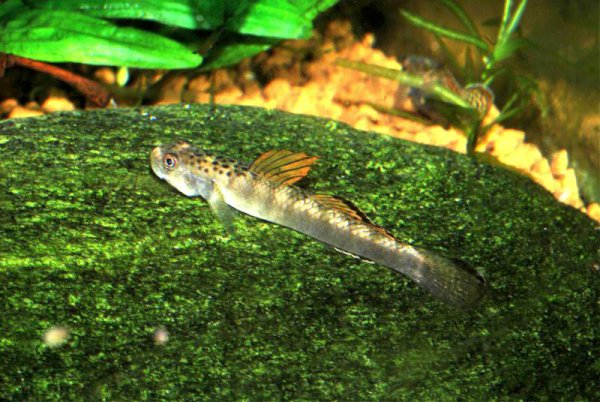
Stiphodon maculidorsalis 是苏门答腊西部的溪流虾虎,曾以 Orange-fin Stiphodon 或 ST01 等名称交易。头顶和躯干背部的黑斑在两性都可见,是比短暂橙色显色更有用的识别线索。不能把同一销售标签下的所有鱼当成同一种。
分布与栖息地
已知来自印度尼西亚苏门答腊西部的明古鲁、西苏门答腊和亚齐诸省,模式产地在 Painan 以南。
此属典型栖地是沿海短溪,常有岩床、大小石块、岸边植物和落叶,水生植物较少。清澈、富氧的水与充足日照共同形成可供刮食的生物膜。不同种和不同性别可能选择不同尺寸的石面,布置时宜保留多种粒径和流速位置。
饲养环境
以 80 cm 长缸作为起点,保持高溶氧与洁净水质,过滤不足时增加水泵或气石。沙砾底床上安排圆滑石块、缝隙和视线遮挡;有多条雄鱼时尤其要分散藏身处。
这些虾虎会在睡眠或繁殖时挖掘,承重石块应直接放在缸底,避免底沙被掏空后坍塌。可用旧沉木,少用会大量染水的新木,以免降低强光培养藻膜的效果。Microsorum、Crinum、Anubias 等耐受种可增加隐蔽及附藻面积。
只放入成熟缸,每周换水 30%~50%,不把所有石面刷净;观察玻璃之外可保留藻。严密加盖,防止攀玻璃逃逸。
食性与喂食
Stiphodon 属依靠口器和牙齿刮食底栖藻及附着微生物,腹鳍吸盘帮助固定和发力。主要食物应是成熟缸中充足的附藻表面,不能靠红虫或干粮长期代替。
部分个体会吃沉底干粮和小型活、冻动物饵,但仅宜偶尔补充。较柔软的硅藻、蓝细菌膜与绿藻更适合利用,坚韧黑毛藻不是可靠食物。藻量不足或同缸食藻鱼太多时,可在独立强光容器培养石面,再定期轮换。
购入时检查体况;消瘦个体恢复困难,需要立即得到可利用的藻膜,并暂时减少抢食者。
习性与混养
按此属的饲养经验,适合搭配温和、体形相近、同样需要富氧的小型鱼。底层伙伴不能过分抢食或守地盘,避免多数慈鲷、凶猛鳅类与大型鱼。
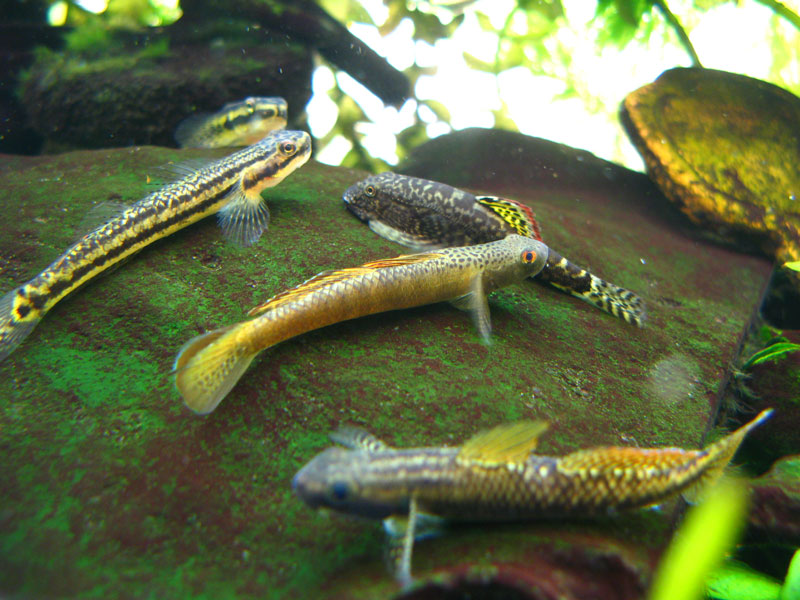
雄鱼通常有较松散的领域,繁殖时更明显;多雄同养需足够空间、遮挡和食物。雌鱼常成松散群体,可从一雄、至少两雌开始。不同种雌鱼可能混群,商家标签和群聚表现都不能保证单一物种。
雌雄区分
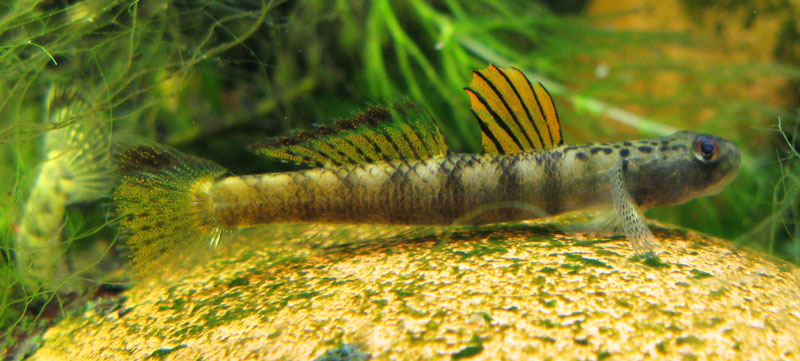
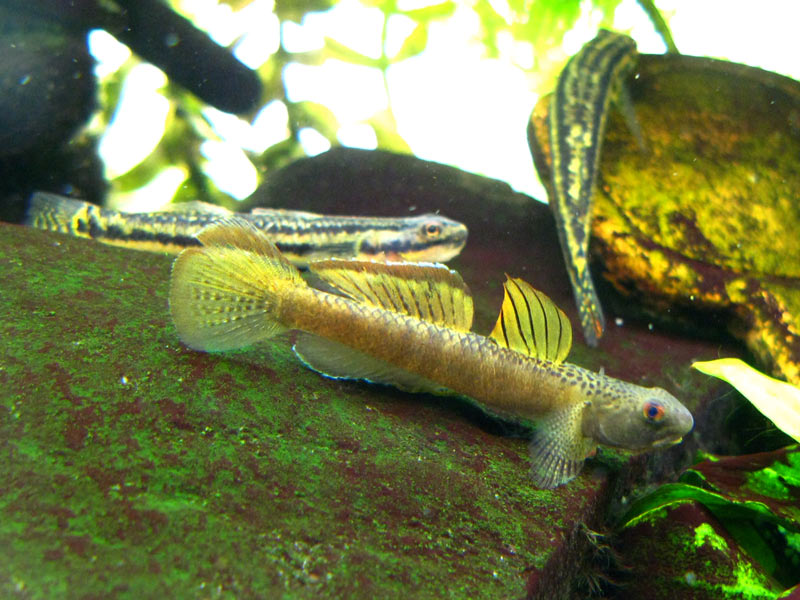
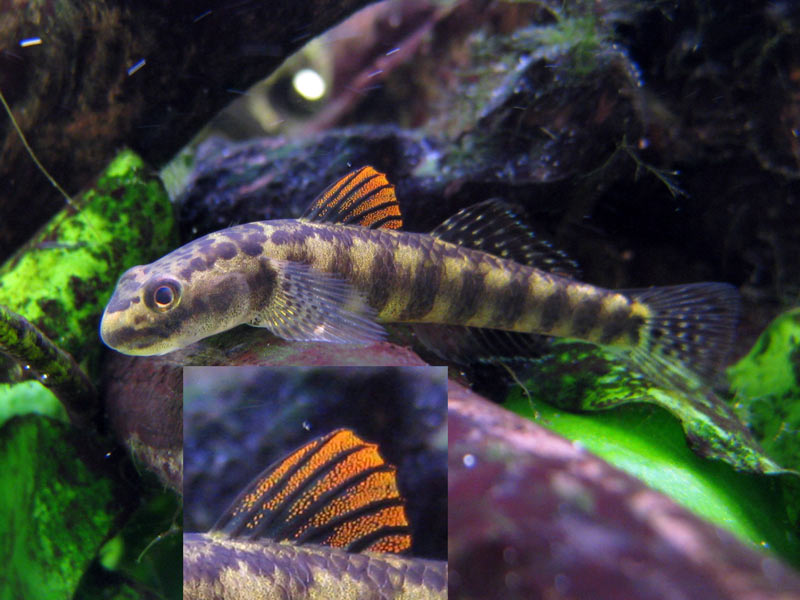
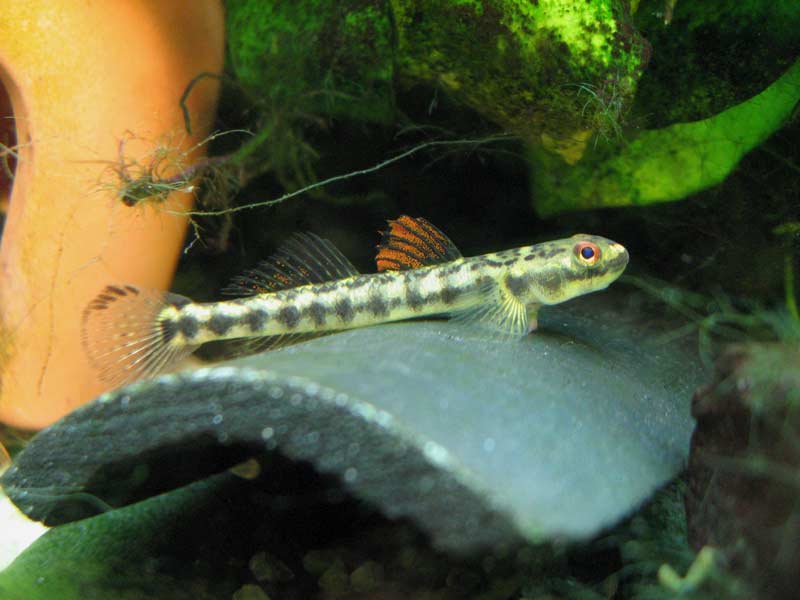
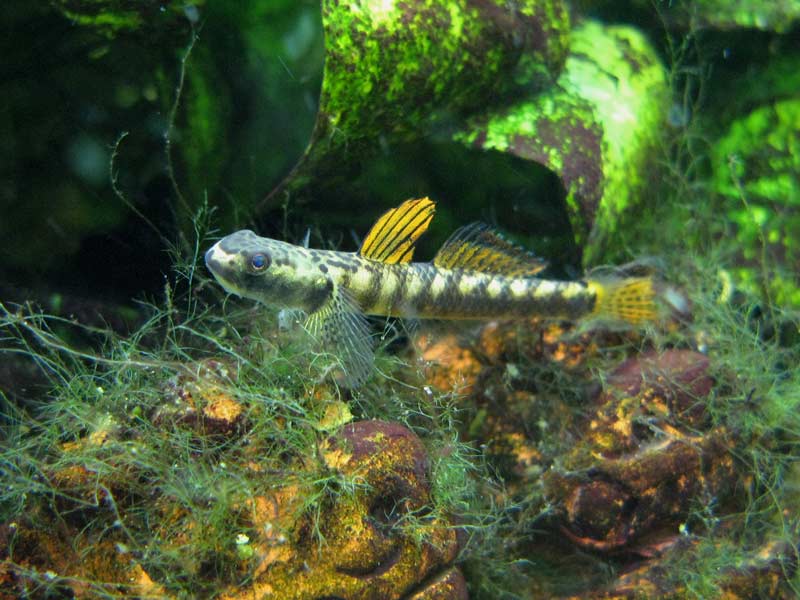
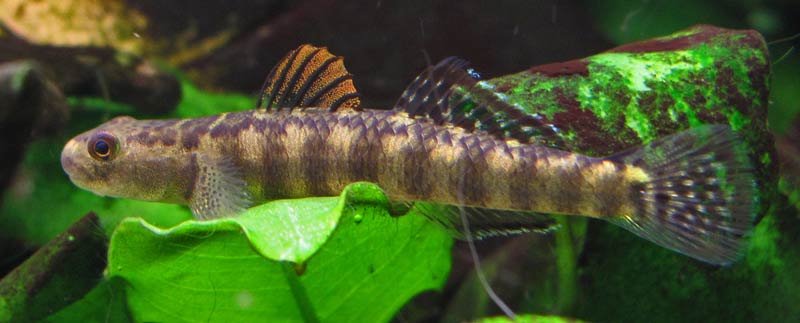
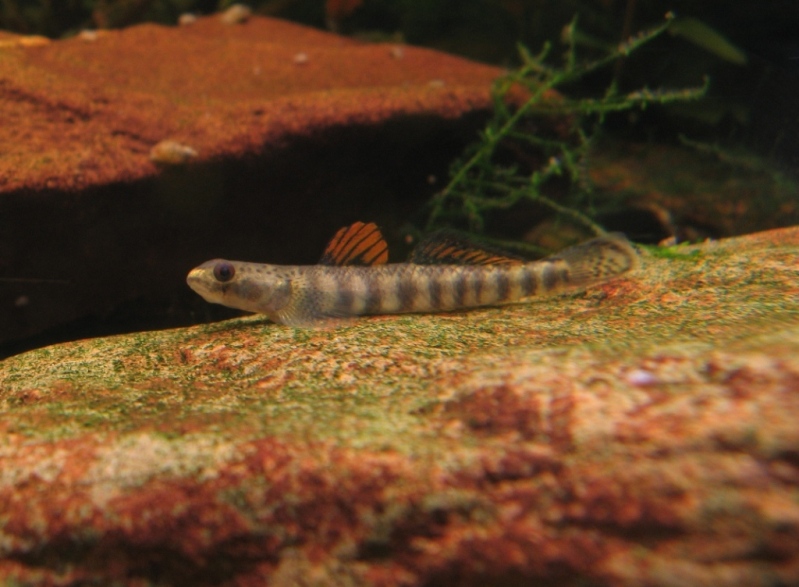
雄鱼灰黄至棕色,背鳍、尾鳍和臀鳍可显鲜明橙黄,第一背鳍延长并呈尖形,鳍上有深色与浅色条带。体侧深横纹随情绪变化,不能只靠整体深浅识别。
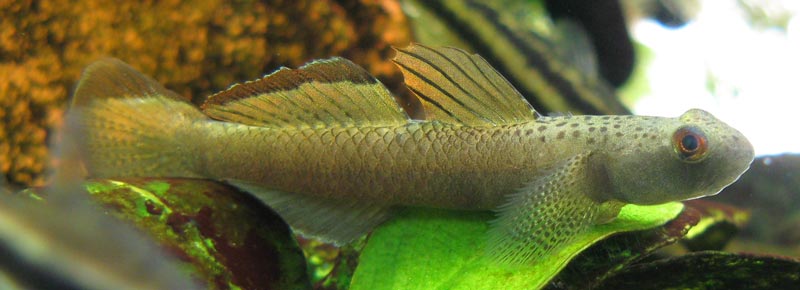
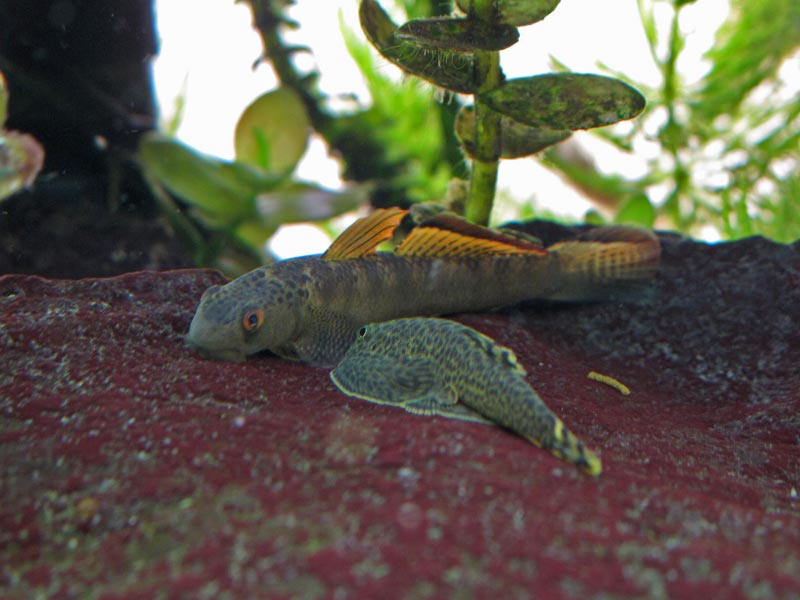
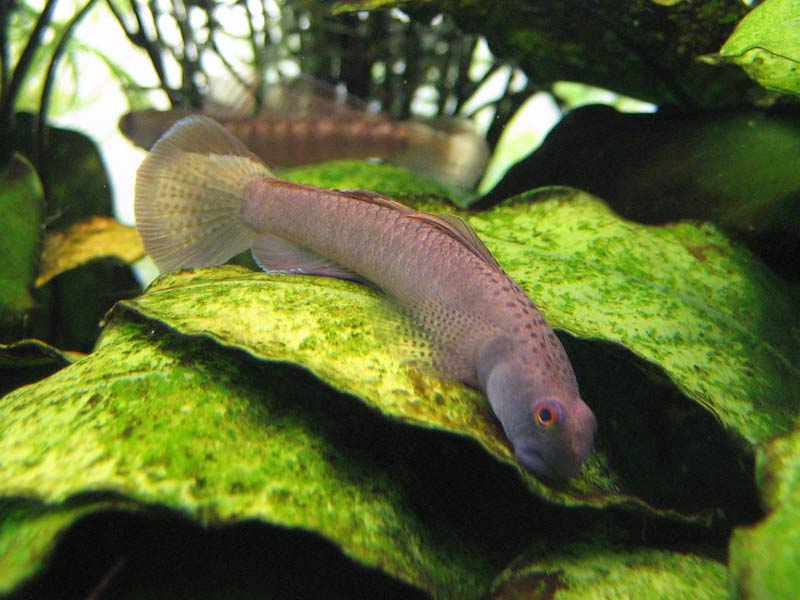
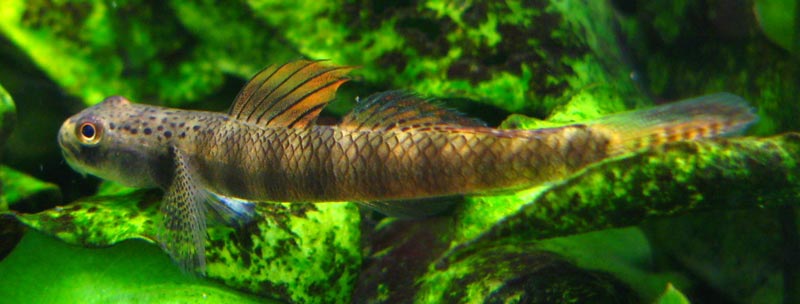
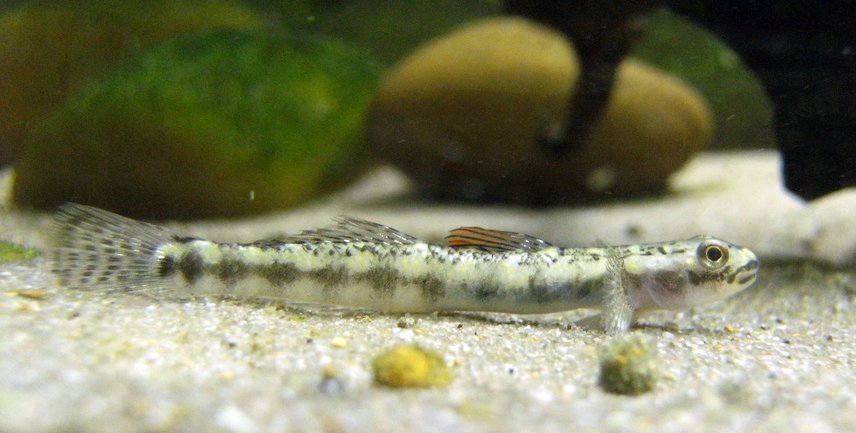
雌鱼鳍较短,第一背鳍可带橙色,其他鳍较淡,侧面可见纵纹和横斑。两性头背及躯干背部都有黑斑,雄鱼胸鳍还可见黑点;鉴定应综合这些花纹和产地。
繁殖
此属成鱼在淡水产卵,但幼体需要进入海洋发育,之后幼鱼才溯河。已研究的同属鱼将大量微小卵附着在石块下面,由雄鱼照看;约 0.5 mm 的卵有时总数近一万,不足一天便可孵化。
初孵幼体尚未形成完整摄食和感觉功能,卵黄在三至四天内耗尽,须在此之前到达海洋。海洋浮游、近岸定居和攀爬回游是相互衔接的阶段,淡水缸观察到护卵并不代表已完成育苗。
近缘 Stiphodon percnopterygionus 研究中的浮游阶段为七十八至一百四十六天,较冷时更长。该比较说明周期复杂,不能直接用作本种盐度、季节或育苗天数配方。
补充说明
贸易中曾有混种、单一性别批次或误标为 Stiphodon zebrinus 的情况。野采产地和头背黑斑比 Orange-fin 这类色彩商品名更可靠。
苏门答腊地方性溪流鱼可能受到栖地破坏、污染和外来鱼影响。保护风险值得关注,但不能由一个宽泛贸易名推定具体种群的状况。
图片
图片来自 SeriouslyFish,版权归各摄影者所有。
English
Overview
Formerly traded as Orange-fin Stiphodon or ST01, Stiphodon maculidorsalis is a western Sumatran stream goby. Both sexes carry black spotting over the head and upper trunk. Those marks are more useful than orange display coloration when checking identity, since a trade label may cover mixed species.
Distribution & habitat
Its documented range includes Bengkulu, West Sumatra, and Aceh in western Sumatra, Indonesia. The type locality lies south of Painan.
Typical habitats of the genus are short coastal streams with rock beds, loose stones, bankside vegetation, and fallen leaves rather than abundant aquatic plants. Clear, oxygenated water and sunlight support productive biofilm. Species and sexes may differ in the stone sizes they use, making a varied substrate and a choice of current positions useful in captivity.
Aquarium setup
Start with an aquarium at least 80 cm long. Keep the water clean and highly oxygenated, adding pumps or aeration where filtration alone is insufficient. Arrange rounded stones over sand or gravel with numerous crevices and visual barriers, especially for multiple males.
Sleeping or spawning gobies may excavate, so seat load-bearing stones directly on the base. Aged wood is usable; fresh wood that strongly stains the water works against the bright lighting needed for algae. Hardy Microsorum, Crinum, and Anubias can add shelter and grazing surfaces.
Introduce the fish only after the aquarium has matured. Change 30–50% of the water weekly while leaving algae on stones and other surfaces apart from the viewing pane. A secure cover is necessary because these gobies can climb glass.
Diet & feeding
Members of Stiphodon scrape benthic algae and attached microorganisms with specialized jaws and teeth, bracing themselves with the pelvic disc. Productive grazing surfaces must provide the main feeding opportunity; bloodworms or dry foods cannot serve as a permanent replacement.
Some fish accept sinking products and small live or frozen animal foods, but these are occasional additions. Softer green growth, diatoms, and cyanobacterial films are more useful than resistant black brush algae. Where growth is inadequate or other grazers consume it too quickly, cultivate stones in a separate brightly lit container and rotate them through the aquarium.
Check body condition before purchase. Recovery of thin fish can be difficult and requires suitable food immediately available without strong feeding competition.
Behaviour & compatibility
Experience with the genus supports carefully chosen communities of small, peaceful fishes with similar oxygen requirements. Bottom-dwelling companions must neither monopolize food nor defend the entire floor. Most cichlids, assertive loaches, and large fishes are unsuitable.
Males maintain loose territories, more noticeably when breeding. Multiple males need space, cover, and abundant food. Females tend to associate loosely; one male and at least two females is a practical starting group. Females may also group across species, so neither shoaling behavior nor a dealer's label proves identity.
Sexual dimorphism
Males range from gray-yellow to brown, with bright orange-yellow dorsal, caudal, and anal fins. The first dorsal becomes extended and pointed, and the fins carry contrasting dark and pale bands. Dark flank bars vary with mood.
Females have shorter fins, sometimes with orange on the first dorsal but weaker color elsewhere, and may show a lateral stripe with additional bars. Black marks on the head and upper trunk occur in both sexes; males also have pectoral spotting. Use several features together with locality rather than relying on overall darkness.
Breeding
The genus spawns in freshwater but depends on a marine larval stage before juveniles return upstream. In studied congeners, males guard large numbers of tiny eggs attached beneath stones. Eggs around 0.5 mm across can number close to 10,000 and hatch within a day.
New larvae lack fully functional feeding and sensory structures. Their yolk lasts roughly three to four days, during which they must reach the sea. Pelagic development, coastal settlement, and the climbing return journey are linked stages; seeing guarded eggs in freshwater does not demonstrate successful rearing.
A study of Stiphodon percnopterygionus recorded a pelagic period of 78–146 days, longer under cooler conditions. This illustrates the complexity of the cycle but is not a species-specific schedule or salinity recipe for S. maculidorsalis.
Notes
Shipments have included mixed species, only one sex, or fish mislabeled Stiphodon zebrinus. Reliable collection information and head spotting are better identification aids than the Orange-fin name.
Localized Sumatran stream fishes may be affected by habitat loss, pollution, and introduced fishes. Those concerns deserve attention without assuming that a broad commercial label identifies a particular threatened population.
来源
- https://www.seriouslyfish.com/species/stiphodon-maculidorsalis(抓取于 2026-10-10)
stiphodon-maculidorsalis · 文件: data/species/stiphodon-maculidorsalis.md · 状态: 草稿