伯德枝牙鰕虎鱼
概要
| 字段 | 值 |
|---|---|
| 类别 | 鱼 |
| 学名 | Stiphodon birdsong |
| 别名 | 伯德枝牙鰕虎魚 |
| 分类 | 虾虎鱼目 Gobiiformes › 虾虎鱼科 Gobiidae › Stiphodon |
| 水体 | 淡水 |
| 原产地 | 印度尼西亚、巴布亚新几内亚 |
| 成体体长 | 2.3 cm |
| 饲养难度 | 中等 |
| 最小水体 | 54 L |
| 最小缸长 | 60 cm |
| 群居方式 | 群游 |
| 水流偏好 | 高 |
| 特征 | 会跳缸: 是;翻底砂: 是 |
| 外部数据 | seriouslyfish stiphodon-birdsong;fishbase 46037 |
| 食性 | 草食 |
| 领地性 | 是 |
水质参数
| 参数 | 耐受范围 | 最适范围 | 单位 |
|---|---|---|---|
| 水温 | 22–28 | — | °C |
| pH | 6.5–7.5 | — | — |
| 总硬度 | 2–12 | — | dGH |
概述
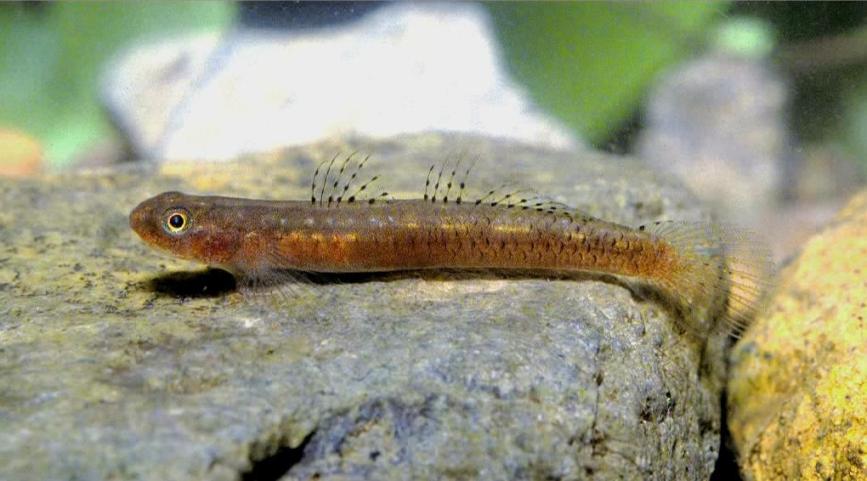
伯德枝牙鰕虎鱼(Stiphodon birdsong)体形很小,外观又与近缘种相似,仅凭橙色或灰色身体不易认准。它需要藻膜充足的成熟溪流缸,不能把体形小理解为可以放进刚开好、光洁无藻的小缸。
分布与栖息地
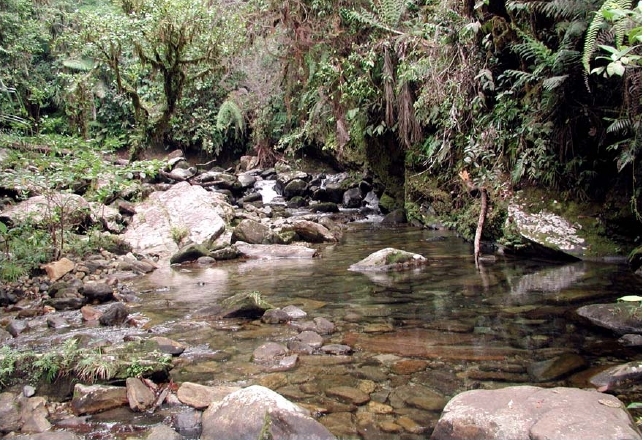
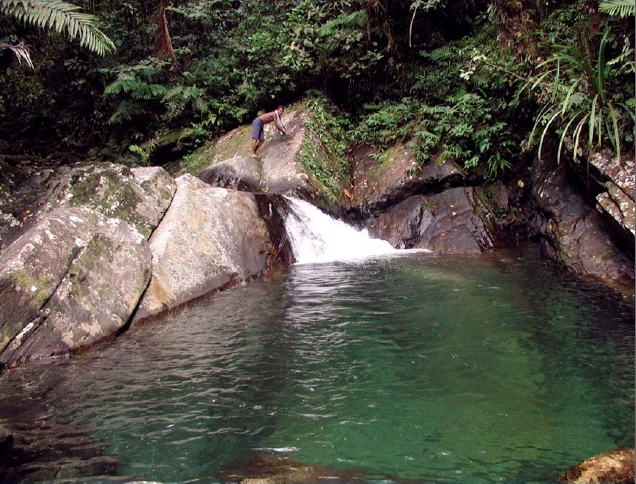
已知范围从哈马黑拉岛向东,沿巴布亚新几内亚北岸延伸到东端附近的弗格森岛。典型生境位于较高处,常在瀑布上方,狭窄急流和浅滩之间有较宽缓流段。河床以岩石为主,水清、溶氧高,石面生物膜是重要食物基础。
饲养环境
成熟缸内用沙砾配大小圆石,强照明促进藻膜生长。大石直接稳放缸底再铺底砂,防止雄鱼休息或繁殖钻底时挖空支撑。石缝、沉木与耐受流水的水草可以提供遮蔽和额外啃食面,新木若大量染水则会影响照明。
通过过滤、造流和增氧保持清洁高氧水体。循环量可参考每小时十至十五倍缸水,溶氧好时五至十倍也可考虑。每周换水三成至一半,保留可利用的藻膜。封严缸盖,因为它们能够爬玻璃。
食性与喂食
主要刮食藻类及附着微生物。偶尔可补沉底饲料或小型动物饵料,不能以红虫等长期替代藻膜。主缸不足时,可在明亮容器里培养藻石并轮换使用;坚硬黑毛藻不适合作为主要口粮。
选购时留意消瘦,恢复期需要充足而容易啃食的表面,减少竞争,避免食物被其他鱼先吃光。
习性与混养
选温和、体形相近且适应高氧水体的同伴,避开强势抢食鱼、大型鱼和领地性强的底层鱼。雄鱼有一定领地意识,多雄需要空间、遮蔽和食物。雌鱼常松散结伴,可参考一雄配至少两雌的组合。
雌雄区分
雄鱼可能呈橙色或灰色,橙色有时延伸到尾鳍;两种颜色是否对应成熟或求偶状态还不明确。雄鱼两背鳍的鳍条上排列细小黑点。雌鱼较素,体侧有一条暗带。
繁殖
该属成鱼在溪流产卵,幼体下漂到海中发育,再回到淡水溪流。观察到求偶、护卵不等于能在普通缸中完成幼体阶段,近缘种研究的发育日数也不能直接作为本种育苗时间表。
补充说明
本种似乎尚未进入常规贸易。与相似枝牙鰕虎鱼的区别主要涉及齿数和鳞片计数,颜色只适合作为初步线索。
图片
图片来自 SeriouslyFish,版权归各摄影者所有。
English
Overview
Tiny Stiphodon birdsong closely resembles several related gobies, and an orange or gray body alone is not a secure identification. Its small size does not reduce the need for mature grazing surfaces. A newly established, algae-free aquarium is unsuitable.
Distribution & habitat
The known range runs east from Halmahera along northern Papua New Guinea to Fergusson Island. Typical sites are higher stream reaches, often above waterfalls, with narrow fast runs alternating with broader slow sections. Rocky beds, clear water, and abundant oxygen support the biofilm on which these gobies depend.
Aquarium setup
Provide sand or gravel with varied rounded stones in an established aquarium. Place heavy rocks firmly on the base before adding substrate, since males dig while resting or spawning. Crevices, seasoned wood, and hardy plants can add retreats and feeding surfaces. Bright light promotes algal growth; strongly staining fresh wood can work against that aim.
Use effective filtration, circulation, and aeration. Approximate turnover of 10–15 tank volumes hourly is suggested, with 5–10 possible where oxygenation is strong. Weekly water replacement of about 30–50% should accompany preservation of useful biofilm. Fit a close cover to contain climbing fish.
Diet & feeding
Algae and the microorganisms living on them are the main food resource. Sinking prepared food or small animal items may occasionally supplement grazing, but regular heavy feeding with bloodworms is inappropriate. Grow algae-coated stones separately under bright light if the main aquarium cannot supply enough. Tough black brush algae is not an adequate substitute.
Avoid badly emaciated purchases where possible. Recovery demands accessible food and reduced competition for grazing space.
Behaviour & compatibility
Choose peaceful, similarly sized companions with matching oxygen needs. Aggressive feeders, large fishes, and strongly territorial bottom dwellers are poor choices. Males defend some space, so several require cover, food, and room. Females tend to associate loosely; one male and at least two females is a suggested starting arrangement.
Sexual dimorphism
Males may be orange or gray, with orange sometimes entering the tail. Whether this reflects maturity or courtship is unresolved. Small black spots occur in rows on their dorsal rays. Females are comparatively plain with one dark lateral stripe.
Breeding
Stream spawning in this genus is followed by marine larval development and an eventual return upstream. Courtship and guarding observations do not supply an ordinary freshwater breeding method. Larval schedules studied in related species should not be treated as established for this one.
Notes
Regular commercial availability appears doubtful. Reliable separation from similar species depends substantially on tooth and scale counts, with color offering only an initial clue.
来源
- https://www.seriouslyfish.com/species/stiphodon-birdsong(抓取于 2026-10-10)
stiphodon-birdsong · 文件: data/species/stiphodon-birdsong.md · 状态: 草稿