菲律宾枝牙鰕虎鱼 · Blue Neon Goby
概要
| 字段 | 值 |
|---|---|
| 类别 | 鱼 |
| 学名 | Stiphodon atropurpureus |
| 别名 | 菲律宾枝牙鰕虎、菲律賓枝牙鰕虎魚、菲律賓枝牙鰕虎(台湾)、Microsicydium atropurpureum、Microsicydium formosum |
| 分类 | 虾虎鱼目 Gobiiformes › 虾虎鱼科 Gobiidae › Stiphodon |
| 水体 | 淡水 |
| 原产地 | 中国、日本、马来西亚、菲律宾、台湾 |
| 成体体长 | 5 cm |
| 饲养难度 | 中等 |
| 最小水体 | 54 L |
| 最小缸长 | 60 cm |
| 群居方式 | 群游 |
| 水流偏好 | 高 |
| 特征 | 会跳缸: 是;翻底砂: 是 |
| 外部数据 | seriouslyfish stiphodon-atropurpureus;fishbase 51779 |
| 领地性 | 是 |
水质参数
| 参数 | 耐受范围 | 最适范围 | 单位 |
|---|---|---|---|
| 水温 | 22–26 | — | °C |
| pH | 6.5–7.5 | — | — |
| 总硬度 | 2–12 | — | dGH |
概述
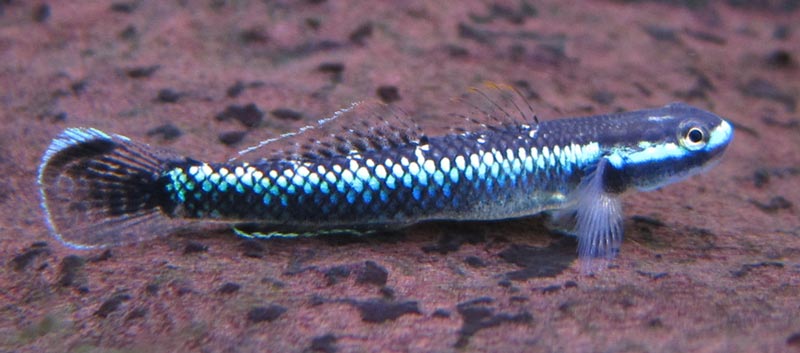
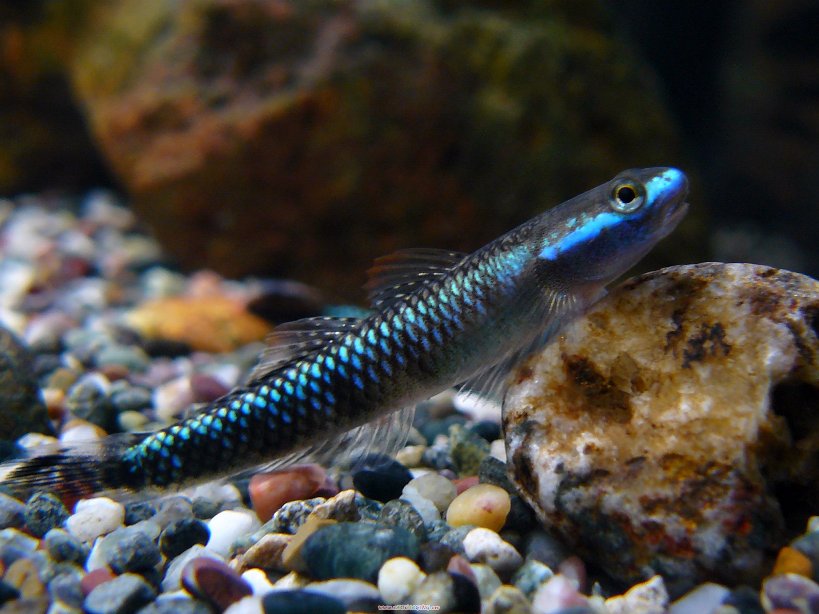
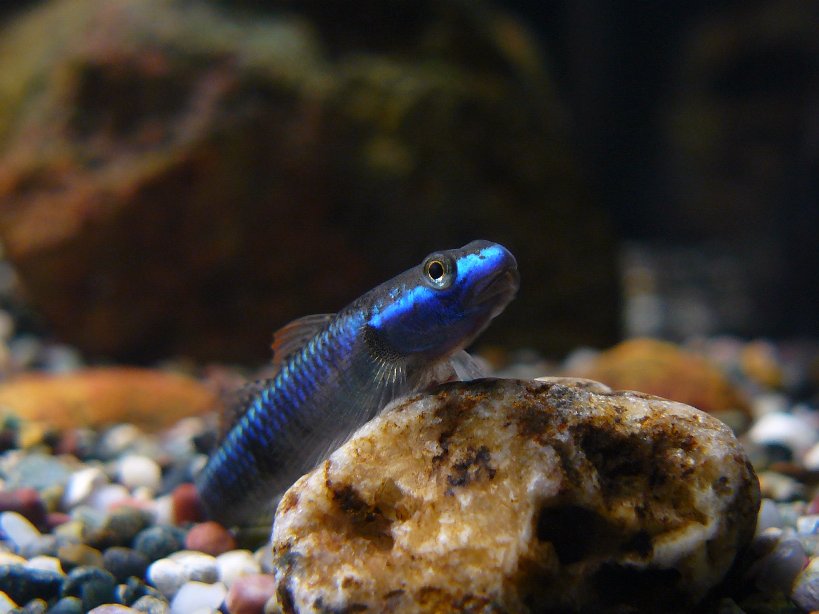
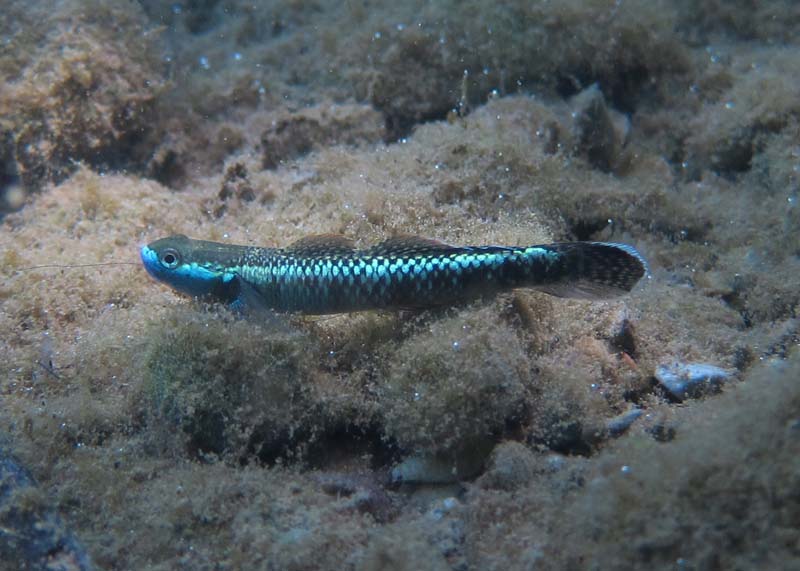
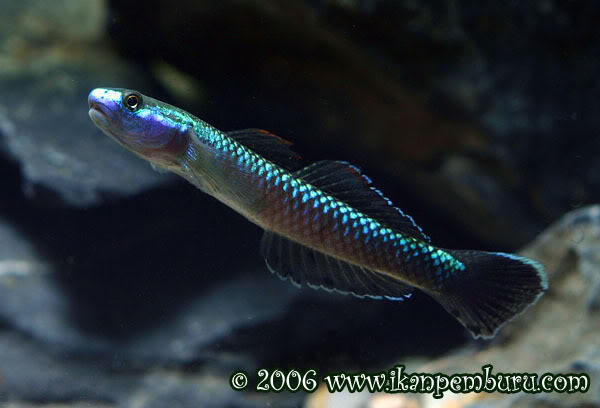
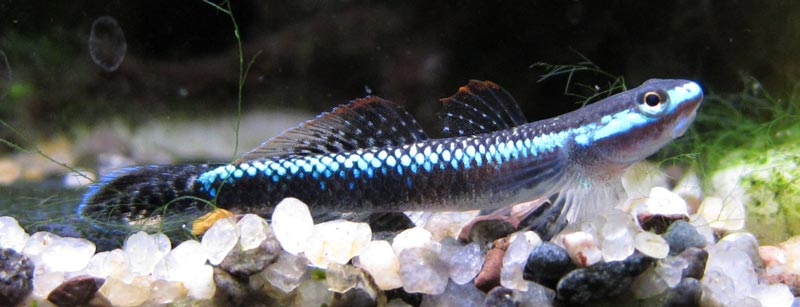
菲律宾枝牙鰕虎鱼(Stiphodon atropurpureus)的雄鱼有鲜明蓝绿色体侧带,第一背鳍外缘偏红,这一组合有助于区别相似种。商品名常有混乱,所谓“苏门答腊蓝霓虹虾虎”并不代表它真的来自苏门答腊。
分布与栖息地
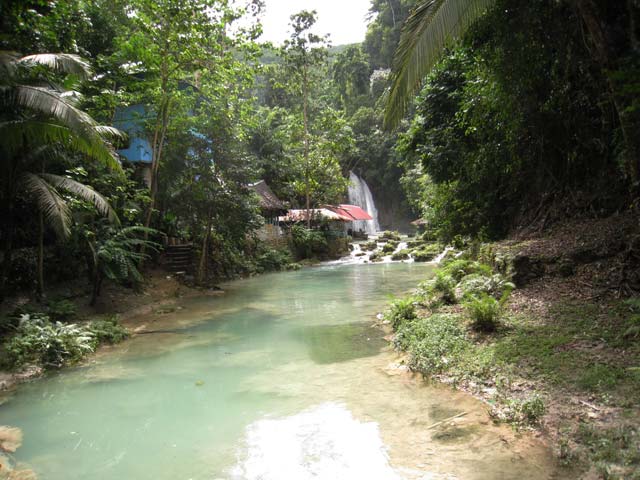
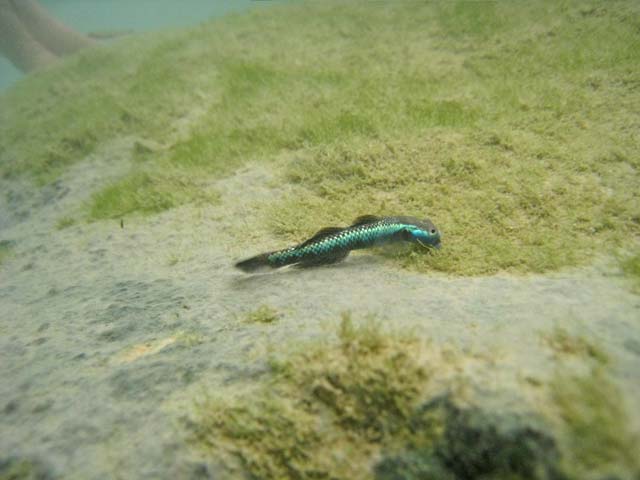
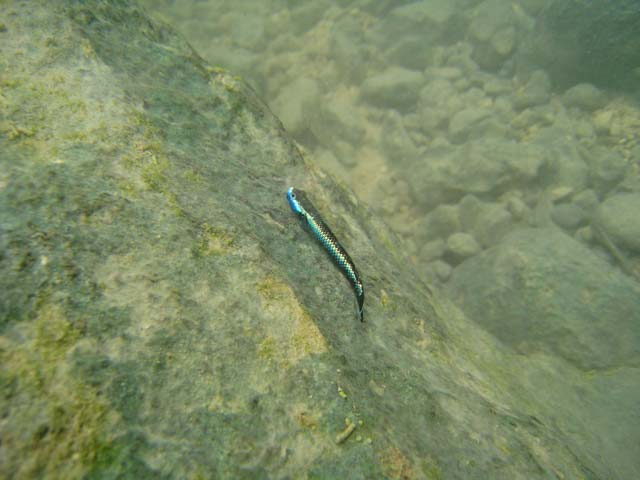
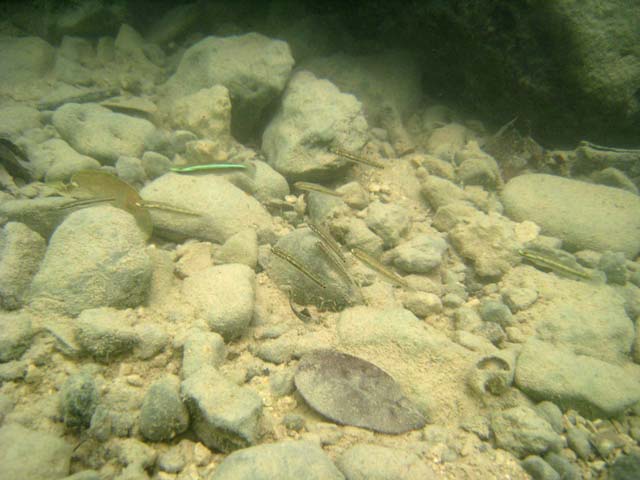
记录包括日本南部岛屿、台湾、中国南部沿海及香港、菲律宾,以及马来西亚刁曼岛。常见于较高位置的窄急流与浅滩,之间有较宽缓流段,多在瀑布或跌水上方。石质河床上有丰富生物膜,水清澈、溶氧高。
饲养环境
成熟缸中应保留大量长藻石面,沙砾上放圆石,先把大石稳置缸底,避免鱼挖底时造景坍塌。多雄时增加藏身处并阻隔视线。较强照明有助于维持藻膜,耐受流水的附生水草也可增加食物表面。
充分过滤、造流和增氧,参考循环量为每小时十至十五倍缸水;增氧良好时五至十倍也可考虑。每周换水三成至一半,暖时加强水面扰动,但不必把缸内藻膜全部刷掉。缸盖和开口要封严,防止攀爬逃逸。
食性与喂食
按枝牙鰕虎鱼属的专门刮食习性,应以成熟石面上的藻类和伴生微生物为食物基础。可能接受沉底饲料或少量红虫,但只作偶尔补充。若主缸产藻不足,可在明亮容器里培养藻石轮换使用,不能把坚硬黑毛藻当作足够口粮。
消瘦个体可能已经长期缺乏合适食物,恢复时尤其要保证可接近的啃食面,并避开强势竞争者。
习性与混养
适合与体形接近、温和且环境需求一致的中上层鱼混养。不要搭配抢食凶猛的鳅类、大型鱼和强占底层的慈鲷。雄鱼会争地盘,空间、躲避点和食物充足时可养数尾;可从一雄、至少两雌开始。
雌雄区分
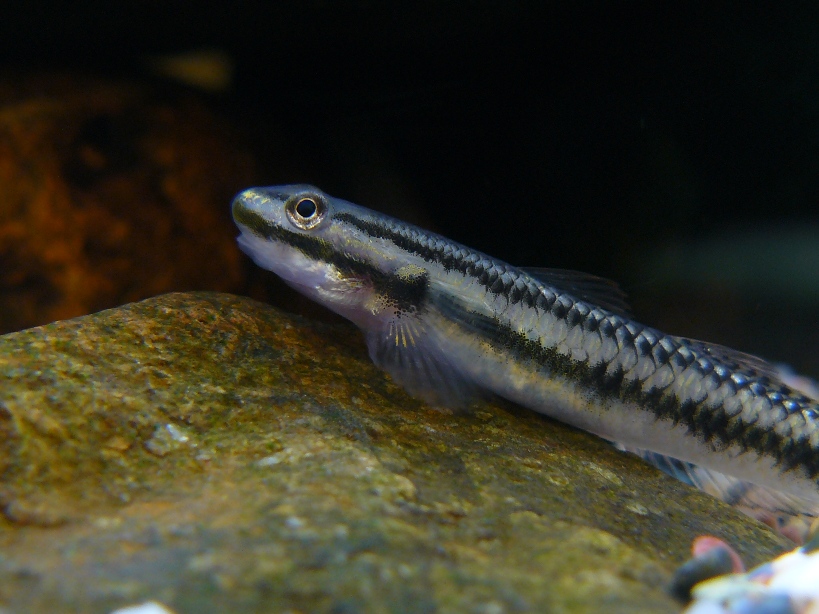
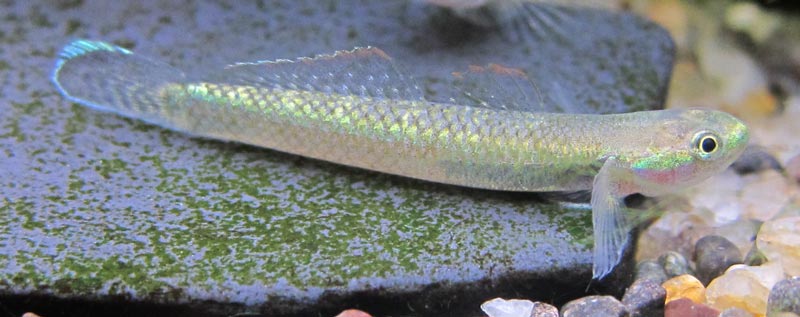
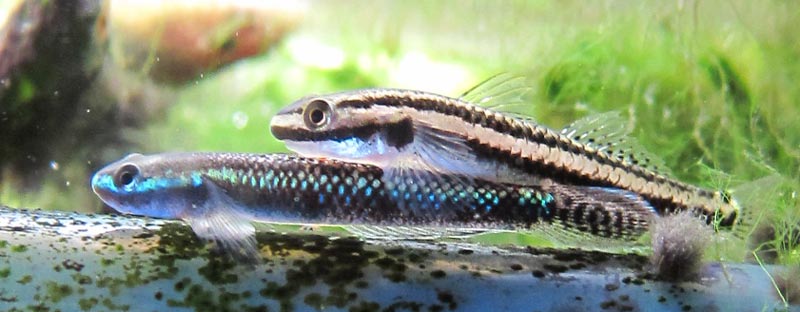
雄鱼底色灰,蓝绿体侧带在强势或求偶时可能变得近白。雌鱼底色更浅,体侧为深色曲折条纹。
繁殖
该属的淡水产卵与海水幼体阶段紧密相连,幼体先随水入海,发育后再回到溪流。缸内求偶或石下护卵并不等于已经解决育苗问题,不能直接采用近缘种研究中的发育时长。
补充说明
辨识时可同时观察蓝绿侧带、第一背鳍红色外缘及偏暗的背鳍。仅凭蓝色体色或网售照片容易误认,贸易中也存在本种被标作其他种、其他种又反过来使用本种名字的情况。
图片
图片来自 SeriouslyFish,版权归各摄影者所有。
English
Overview
A bright blue-green side stripe together with a reddish edge on the first dorsal fin is a useful clue to male Stiphodon atropurpureus. Trade names are often misleading: the label “Sumatran blue neon goby” does not describe its known distribution.
Distribution & habitat
Records include southern Japanese islands, Taiwan, the southern Chinese coast including Hong Kong, the Philippines, and Malaysia's Tioman Island. Typical habitats are higher stream sections, often above waterfalls, where narrow fast runs alternate with broader quiet stretches. Clear oxygenated water and rocky beds support abundant biofilm.
Aquarium setup
Provide a mature aquarium with plentiful algae-bearing stones. Place large rocks securely on the base before surrounding them with sand or gravel; burrowing must not destabilize the layout. Multiple males need shelters and visual separation. Strong lighting and optional hardy attached plants help maintain grazing surfaces.
Use filtration, circulation, and aeration together. Suggested turnover is about 10–15 aquarium volumes hourly, or 5–10 with effective oxygenation. Replace approximately 30–50% of the water weekly, increasing surface movement in warmer conditions. Preserve useful algal growth rather than scrubbing every surface. Close lid gaps against climbing fish.
Diet & feeding
Genus-level guidance identifies these gobies as specialized grazers of algae and associated microorganisms. Occasional accepted sinking foods or small meaty items do not replace established feeding surfaces. A separate brightly lit container can produce algae-coated stones for rotation into the main aquarium. Tough black brush algae is not a dependable food reserve.
Emaciated fish may have lacked suitable food for some time. Recovery requires accessible grazing material and freedom from strong competitors.
Behaviour & compatibility
Peaceful, similarly sized fishes using higher levels are preferable. Avoid aggressive feeding loaches, large fishes, and territorial bottom-dwelling cichlids. Males defend some space, but several can coexist with enough food and cover. A male accompanied by two or more females is a suggested starting group.
Sexual dimorphism
Males have a gray background and a vivid blue-green stripe, which can become almost white in dominant or courting fish. Females are paler overall with a dark irregular lateral stripe.
Breeding
Freshwater spawning in this genus is followed by downstream transport of larvae into the sea. Juveniles return inland after marine development. Courtship or egg guarding in a tank does not solve the larval-rearing challenge, and developmental timings measured in relatives are not automatically applicable.
Notes
Combine the side stripe with the reddish first-dorsal margin and dark dorsal fins when assessing identity. Both mislabeling of this species and use of its name for other gobies occur in trade, making color or online photographs alone unreliable.
来源
- https://www.seriouslyfish.com/species/stiphodon-atropurpureus(抓取于 2026-10-10)
stiphodon-atropurpureus · 文件: data/species/stiphodon-atropurpureus.md · 状态: 草稿