深黑枝牙鰕虎鱼
概要
| 字段 | 值 |
|---|---|
| 类别 | 鱼 |
| 学名 | Stiphodon atratus |
| 别名 | 深黑枝牙鰕虎魚 |
| 分类 | 虾虎鱼目 Gobiiformes › 虾虎鱼科 Gobiidae › Stiphodon |
| 水体 | 淡水 |
| 原产地 | 印度尼西亚、新喀里多尼亚、巴布亚新几内亚、瓦努阿图 |
| 成体体长 | 6 cm |
| 饲养难度 | 中等 |
| 最小水体 | 54 L |
| 最小缸长 | 60 cm |
| 群居方式 | 群游 |
| 水流偏好 | 高 |
| 特征 | 会跳缸: 是;翻底砂: 是 |
| 外部数据 | seriouslyfish stiphodon-atratus;fishbase 46036 |
| 食性 | 草食 |
| 领地性 | 是 |
水质参数
| 参数 | 耐受范围 | 最适范围 | 单位 |
|---|---|---|---|
| 水温 | 22–28 | — | °C |
| pH | 6.5–7.5 | — | — |
| 总硬度 | 2–12 | — | dGH |
概述
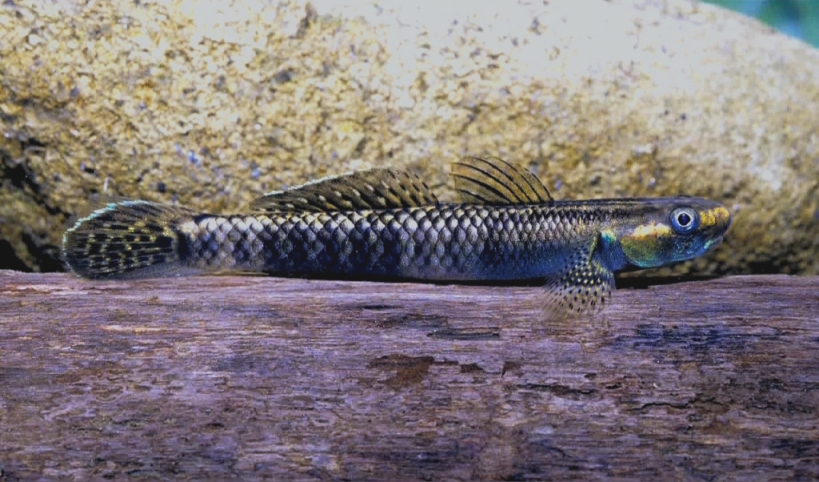
深黑枝牙鰕虎鱼(Stiphodon atratus)的雄鱼整体偏黑,大型雄鱼第二背鳍与臀鳍之间可呈整片黑色。它以刮食石面藻类和伴生微生物为生,成熟缸、足够食物表面及充足溶氧,比单纯追求强水流更重要。
分布与栖息地
分布从印度尼西亚、新几内亚北部及附近岛屿延伸到瓦努阿图和新喀里多尼亚。典型生境坡度较低,较宽的缓至中速流水段之间穿插水潭或小跌水。底部多基岩与大小石块,水清而含氧高,岩面能形成丰富生物膜。
饲养环境
只放入已经成熟稳定的缸。沙、砾石上布置大小圆石,较大石块应先直接放稳在缸底,再铺底砂,防止鱼钻掘后塌落。用造景分隔视线并提供多个藏身处。雄鱼休息或繁殖时会钻底,不一定每晚使用同一处洞穴。
明亮照明有利于藻膜生长,避免用大量染水的新木遮弱光线。可放陈化沉木和坚韧附生水草,叶面也能提供啃食面。保持过滤、增氧和水体流通,封严缸盖防止攀爬逃逸。每周换水三成至一半,但无须把所有石面和玻璃都刷得无藻。
食性与喂食
食物核心是底栖藻类和附着微生物。沉底干饲料、红虫等有时会被接受,只适合偶尔补充。缸内藻膜不够时,可在另一个明亮容器中养藻石,轮换放入主缸。它们偏好易刮食的藻膜,不能指望清除坚硬黑毛藻。
买鱼时留意是否瘦弱;消瘦个体恢复不易,需要容易取得的适合食物,并减少其他鱼抢食。
习性与混养
同缸鱼应温和、体形相近且适应高氧环境。避开强势抢食鱼、大型鱼及占据底层领地的多数慈鲷。雄鱼有领地性,繁殖期更明显,养多雄要增加空间和食物表面。一雄配至少两雌是可参考的小群配置,雌鱼较倾向松散结伴。
雌雄区分
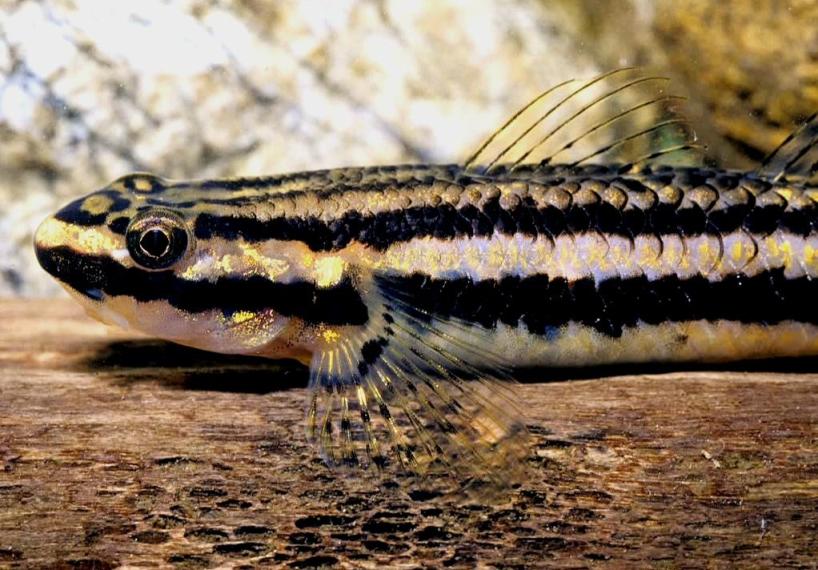
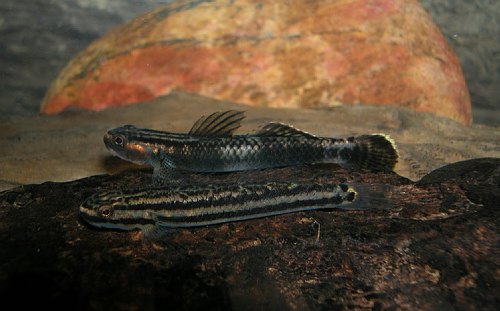
雄鱼整体深黑,较小雄鱼身体后段仍可看见竖斑,第一背鳍部分鳍棘延长。雌鱼底色较白,体侧有宽深色条纹,后半身可分成斑块,上方另有一条较细的暗线。
繁殖
枝牙鰕虎鱼属的成鱼在淡水繁殖,微小幼体下漂到海中,发育后再溯溪。属内有雄鱼在石下护卵的记录,但完成海水幼体阶段才是人工育苗的难点。不能把其他种的幼体天数、产卵量或推测寿命直接用于本种。
补充说明
本种并非常规贸易鱼,少数私人采集者曾饲养。黑色雄鱼的体斑和鳍色是有用线索,仍需结合形态和产地辨识。
图片
图片来自 SeriouslyFish,版权归各摄影者所有。
English
Overview
Male Stiphodon atratus becomes strikingly dark, with larger individuals showing a solid black region between the second dorsal and anal fins. Successful care depends on established grazing surfaces and oxygenated water. A powerful current by itself cannot replace a mature aquarium with enough suitable food.
Distribution & habitat
Its range includes Indonesia, northern New Guinea and nearby island groups, Vanuatu, and New Caledonia. Typical sites have relatively gentle gradients, broad slow-to-moderate runs, pools, and occasional small cascades. Clear oxygen-rich water passes over bedrock and scattered stones that support substantial biofilm.
Aquarium setup
Start with a stable, mature aquarium. Set larger rocks securely on the base before adding sand or gravel, because digging fish can undermine unsupported stonework. Provide varied rocks, retreats, and interrupted sightlines. Males burrow when resting or spawning and may change sleeping sites.
Lighting should support algal growth. Seasoned wood and hardy attached plants are optional, but heavily staining new wood can reduce light penetration. Maintain filtration, aeration, and circulation, and cover openings against climbing fish. Weekly changes of roughly 30–50% are important; stripping every surface of algae is not.
Diet & feeding
This is an algal grazer that also consumes the microorganisms living with the algae. Accepted sinking foods or small meaty items are occasional supplements. If grazing material runs short, grow algae on stones in a separate well-lit container and rotate them into the aquarium. Softer films are preferred to tough black brush algae.
Inspect prospective purchases for weight loss. Severely thin fish can be difficult to recover and need ready access to appropriate food without strong competition.
Behaviour & compatibility
Choose peaceful, similarly sized companions suited to oxygen-rich conditions. Exclude aggressive feeders, large fishes, and most territorial bottom-dwelling cichlids. Males defend space, especially around breeding, so several need sufficient room and feeding surfaces. A male with at least two females is a suggested small group; females associate more loosely.
Sexual dimorphism
Males are blackish, with posterior vertical bars more visible in smaller individuals, and some first-dorsal spines extend. Females have a pale background, a broad dark lateral stripe that breaks into posterior blotches, and a thinner stripe above it.
Breeding
The genus reproduces in freshwater, but tiny larvae drift to sea and return inland after development. Male guarding beneath rocks has been observed within the group. Completing the marine larval phase is the major obstacle; developmental timings, egg counts, and speculative longevity from other species should not be assigned to this one.
Notes
A few private collectors have maintained this fish, rather than it being a routine commercial offering. Male darkness is useful for identification, but locality and structural characters remain relevant.
来源
- https://www.seriouslyfish.com/species/stiphodon-atratus(抓取于 2026-10-10)
stiphodon-atratus · 文件: data/species/stiphodon-atratus.md · 状态: 草稿