细隆头丽鱼
概要
| 字段 | 值 |
|---|---|
| 类别 | 鱼 |
| 学名 | Steatocranus tinanti |
| 别名 | 細隆頭麗魚 |
| 分类 | 慈鲷目 Cichliformes › 慈鲷科 Cichlidae › Steatocranus |
| 水体 | 淡水 |
| 原产地 | 刚果民主共和国 |
| 成体体长 | 13 cm |
| 饲养难度 | 中等 |
| 群居方式 | 成对 |
| 领地性 | 是 |
| 外部数据 | seriouslyfish steatocranus-tinanti;fishbase 8871 |
| 特征 | 翻底砂: 是 |
| 繁殖方式 | 附着产卵 |
水质参数
| 参数 | 耐受范围 | 最适范围 | 单位 |
|---|---|---|---|
| 水温 | 25–28 | — | °C |
| pH | 6–7.5 | — | — |
| 总硬度 | 5–19 | — | dGH |
概述
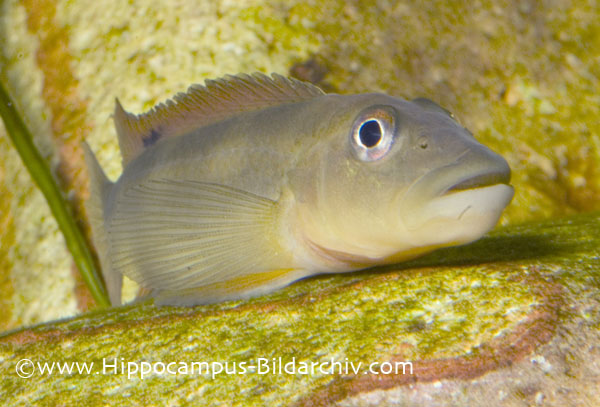
细隆头丽鱼(Steatocranus tinanti)是适应急流的慈鲷,鳔相对较小,常以跳跃般的动作在缸底移动。饲养时既要有充足供氧与局部强流,也要给它留下可建立领地的缓流洞穴区。
分布与栖息地
分布于刚果民主共和国刚果河的 Malebo Pool 周边。在急流和其他湍急水域中,常沿岸活动并挖出浅坑。
饲养环境
一对鱼可用约 90 × 30 × 30 cm 的缸。铺沙,搭配沉木和石洞,也可用花盆或管道提供庇护。它会在布景下挖掘,因此石块必须落在缸底或牢固固定,避免塌落;植物宜选能固定于木石的强健种类。
保持富氧水体,用局部造流模拟河流,同时设置安静缓流区,它往往会在这些地方划定领地。
食性与喂食
接受颗粒和薄片饲料,仍需经常补充红虫、丰年虾等活饵或冻饵,让食物保持多样。
习性与混养
具有领地意识。可考虑与需求相近的较大脂鲤、鲃类或适应流水的鲶类混养。其他慈鲷只有在缸很大时才适合考虑,即使空间足够也应避开过于强势、躁动的种类。
雌雄区分
雄鱼较大,头部明显增大,背鳍和臀鳍也更为延长。
繁殖
让一群幼鱼自然配对较可靠,直接挑选两条成鱼不保证繁殖。可设专门繁殖缸,并用合适的群居鱼陪游来缓解紧张;稍软、弱酸性的水和丰富活饵、冻饵有利于调养。
雄鱼选择洞穴,或在岩石等布景下挖洞,雌鱼进入后将卵产于洞壁或顶部。卵约 5~7 天孵化,约 11~14 天时鱼苗自由游动。鱼苗白天离洞觅食但活动范围不大,必要时将食物送到它们附近;开口可用丰年虾无节幼体和微虫,很快也能吃磨碎干粮。
护幼通常以雄鱼为主,它积极守卫洞穴周围约 30 cm 的范围,入夜后把鱼苗带回洞内。
补充说明
本种曾归入其他属,与同属鱼在形态及行为上也有差异,分类归属仍可能进一步调整。
图片
图片来自 SeriouslyFish,版权归各摄影者所有。
English
Overview
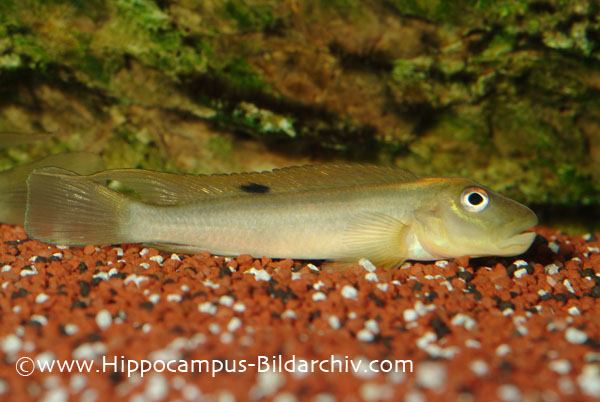
A relatively small swim bladder helps Steatocranus tinanti maintain its position in turbulent water. In an aquarium it moves along the floor with distinctive hops. Strong circulation should be balanced with quieter shelter where a pair can establish itself.
Distribution & habitat
The species is found near Malebo Pool on the Congo River in the Democratic Republic of Congo. It occupies turbulent reaches and rapids, excavating shallow depressions around the margins.
Aquarium setup
An aquarium measuring about 90 × 30 × 30 cm can house one pair. Use sand, wood, and rock caves, with pots or pipe as alternative refuges. Digging beneath the decor makes secure construction essential: support rocks from the tank base or fix them firmly together. Choose sturdy plants that attach to rocks or wood.
Keep the water well oxygenated. A small circulation pump can create faster sections, but retain calmer patches, which are often chosen as territories.
Diet & feeding
Offer pellets or flakes alongside regular portions of live or frozen invertebrates. Brine shrimp and bloodworms can add variety to the feeding routine.
Behaviour & compatibility
Territorial behavior limits stocking choices. Some larger characins, barbs, and current-loving catfishes can be considered if they need comparable conditions. Other cichlids require a very large tank, and boisterous species remain poor choices even there.
Sexual dimorphism
Males develop a much larger head, attain greater size, and have extended dorsal and anal fins.
Breeding
Starting with youngsters allows natural partner selection; combining two adults does not ensure a bond. A dedicated breeding tank can include suitable dither fish to reduce shyness. Use slightly soft, mildly acidic water and condition the fish with a varied diet rich in live and frozen foods.
The male selects a cave or digs one beneath the furnishings. Eggs attach to its wall or ceiling after the female enters. They hatch after roughly 5–7 days, and the young become free swimming at around 11–14 days. Daytime excursions remain close to the cave, so directing food toward the brood may be necessary. Artemia nauplii and microworms are suitable first foods, followed soon by finely crushed dry foods.
Most defense is usually performed by the male, over an area extending about 30 cm from the cave. The young are guided back into shelter at night.
Notes
The species has been placed in other genera in the past. Differences from other members of its present genus may lead to further taxonomic changes.
来源
- https://www.seriouslyfish.com/species/steatocranus-tinanti(抓取于 2026-10-10)
steatocranus-tinanti · 文件: data/species/steatocranus-tinanti.md · 状态: 草稿