刚果隆头丽鱼 · Blockhead Cichlid
概要
| 字段 | 值 |
|---|---|
| 类别 | 鱼 |
| 学名 | Steatocranus casuarius |
| 别名 | 剛果隆頭麗魚 |
| 分类 | 慈鲷目 Cichliformes › 慈鲷科 Cichlidae › Steatocranus |
| 水体 | 淡水 |
| 成体体长 | 12 cm |
| 饲养难度 | 入门 |
| 最小水体 | 68 L |
| 最小缸长 | 75 cm |
| 群居方式 | 成对 |
| 领地性 | 是 |
| 外部数据 | seriouslyfish steatocranus-casuarius;fishbase 8864 |
| 原产地 | 刚果民主共和国 |
| 游动层 | 底层 |
| 特征 | 翻底砂: 是 |
| 繁殖方式 | 附着产卵 |
水质参数
| 参数 | 耐受范围 | 最适范围 | 单位 |
|---|---|---|---|
| 水温 | 24–28 | — | °C |
| pH | 6–7.5 | — | — |
| 总硬度 | 2–15 | — | dGH |
概述
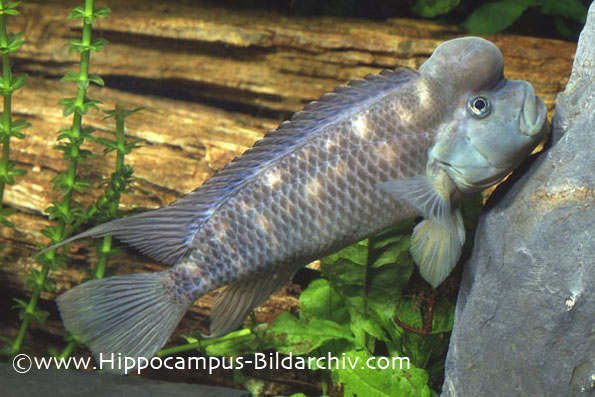
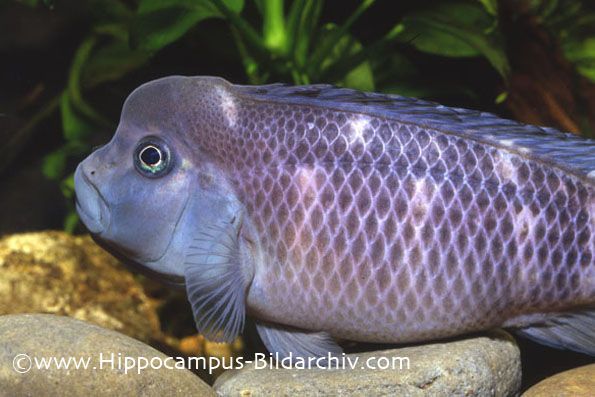
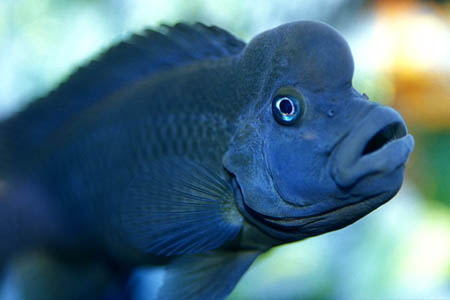
刚果隆头丽鱼(Steatocranus casuarius)适应急流生活,但在缸中常贴着底床或躲在洞穴内,以短促的跳跃式动作移动。它的鳔经过适应性改变,浮力较低;额头上的隆起也是明显特征,大小还可能较快变化。
分布与栖息地
原生于刚果民主共和国的刚果河下游及其支流。所在河段水流湍急,不过鱼往往停留在急流之间较平静的小区域。
饲养环境
铺沙并提供石洞、沉木、倒扣花盆或管道。它爱挖掘,可能在装饰物下形成洞穴和通道,所以石块应直接落在缸底或牢固固定,避免塌下压鱼。水草选能附着于木石的强健种类。
保证充足含氧量,局部可用造流设备加强水流,同时保留流速低的安静区域。一对鱼可从至少 75 cm 长的缸开始;多对同养需要显著增加空间。
食性与喂食
可接受颗粒和薄片饲料,但应经常补充红虫、丰年虾等活饵或冻饵,不宜只依靠干粮。
习性与混养
具有领地意识,宜成对饲养。混养对象需适应同样的富氧流水环境,可考虑较大的脂鲤、鲃类以及适应流水的鲶类。除非缸很大,否则不适合再加入其他慈鲷。
雌雄区分
雄鱼比雌鱼大,额头脂肪形成的隆起也更显著。
繁殖
配对关系较牢固,一方死亡后,另一方甚至可能不再配对。最好从幼鱼群中让它们自行选择伴侣,硬凑两条成鱼并不保证成功;配对后移出其余同种,避免攻击。专门繁殖缸可加入一小群适宜的陪游鱼,以减少单独饲养时的紧张。用稍软、弱酸性的水,充分提供多样活饵和冻饵调养。
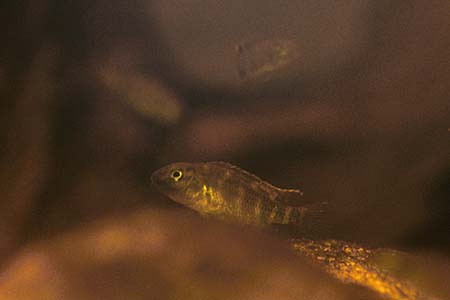
亲鱼会利用现成洞穴,或在石下自行挖洞,隐蔽地把约 20~150 枚卵产在洞壁或顶部。卵约 5~7 天孵化,约 11~14 天时鱼苗开始自由游动并离洞觅食。双亲会一起护幼,驱逐靠近的鱼,并把离群鱼苗带回。照料可持续至约 3 个月;之后即使再次繁殖,通常仍能容忍上一窝幼鱼留在缸中。
图片
图片来自 SeriouslyFish,版权归各摄影者所有。
English
Overview
Much of the appeal of Steatocranus casuarius lies in its behavior on the aquarium floor. Reduced buoyancy suits life in fast water, and it commonly rests on the bottom or in a shelter, moving in short hops. Its conspicuous forehead swelling can also change in size fairly quickly.
Distribution & habitat
This species occurs in the Democratic Republic of Congo, in the lower Congo and tributaries. Turbulent river sections contain calmer pockets where the fish tend to remain.
Aquarium setup
Provide sand and several retreats using rocks, wood, inverted pots, or pipe. Excavation may produce tunnels beneath the furnishings, so place rocks on the tank base or secure them firmly against collapse. Tough plants attached to hard surfaces cope better with this activity.
Maintain oxygen-rich water with stronger flow in part of the aquarium and quiet refuges elsewhere. A pair can be accommodated from a tank length of 75 cm; keeping multiple pairs requires considerably more room.
Diet & feeding
Pellets and flakes are accepted, but should be accompanied regularly by frozen or live foods. Bloodworms and brine shrimp are useful additions to the menu.
Behaviour & compatibility
Keep this territorial cichlid in pairs. Suitable companions must share its environmental requirements; some larger characins, barbs, and current-adapted catfishes are possibilities. Other cichlids need a very spacious aquarium.
Sexual dimorphism
The larger male develops a more substantial fatty forehead hump than the female.
Breeding
Let juveniles choose their own partners rather than assuming two selected adults will pair. Bonds can be lasting: a surviving partner may fail to pair again after its mate dies. Remove surplus conspecifics once a bond forms. A dedicated breeding aquarium with a small shoal of suitable dither fish can help prevent nervousness. Slightly soft, mildly acidic water and a varied conditioning diet are appropriate.
Spawning takes place out of sight, in an existing cave or beneath a rock the pair has excavated. Around 20–150 eggs attach to the cave ceiling or wall. Hatching takes approximately 5–7 days, with free swimming at about 11–14 days. Both adults escort the young as they forage, retrieve stragglers, and repel approaching fish.
Family care can continue for roughly three months. Older offspring are usually tolerated afterward, including when the adults begin raising another brood.
来源
- https://www.seriouslyfish.com/species/steatocranus-casuarius(抓取于 2026-10-10)
steatocranus-casuarius · 文件: data/species/steatocranus-casuarius.md · 状态: 草稿