婆罗洲锯盖足鲈 · Crossband Chocolate Gourami
概要
| 字段 | 值 |
|---|---|
| 类别 | 鱼 |
| 学名 | Sphaerichthys selatanensis |
| 别名 | 婆羅洲鋸蓋足鱸、Sphaerichthys osphronemoides selatanensis |
| 分类 | 攀鲈目 Anabantiformes › 丝足鲈科 Osphronemidae › Sphaerichthys |
| 水体 | 淡水 |
| 原产地 | 印度尼西亚 |
| 成体体长 | 4.5 cm |
| 饲养难度 | 中等 |
| 最小水体 | 54 L |
| 最小缸长 | 60 cm |
| 群居方式 | 群游 |
| 水流偏好 | 低 |
| 外部数据 | seriouslyfish sphaerichthys-selatanensis;fishbase 25140 |
| 食性 | 肉食 |
| 繁殖方式 | 口孵 |
水质参数
| 参数 | 耐受范围 | 最适范围 | 单位 |
|---|---|---|---|
| 水温 | 26–31 | — | °C |
| pH | 4–6.5 | — | — |
| 总硬度 | 0–3 | — | dGH |
概述
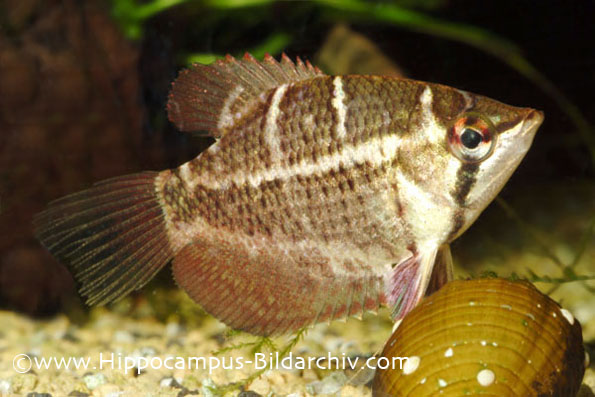
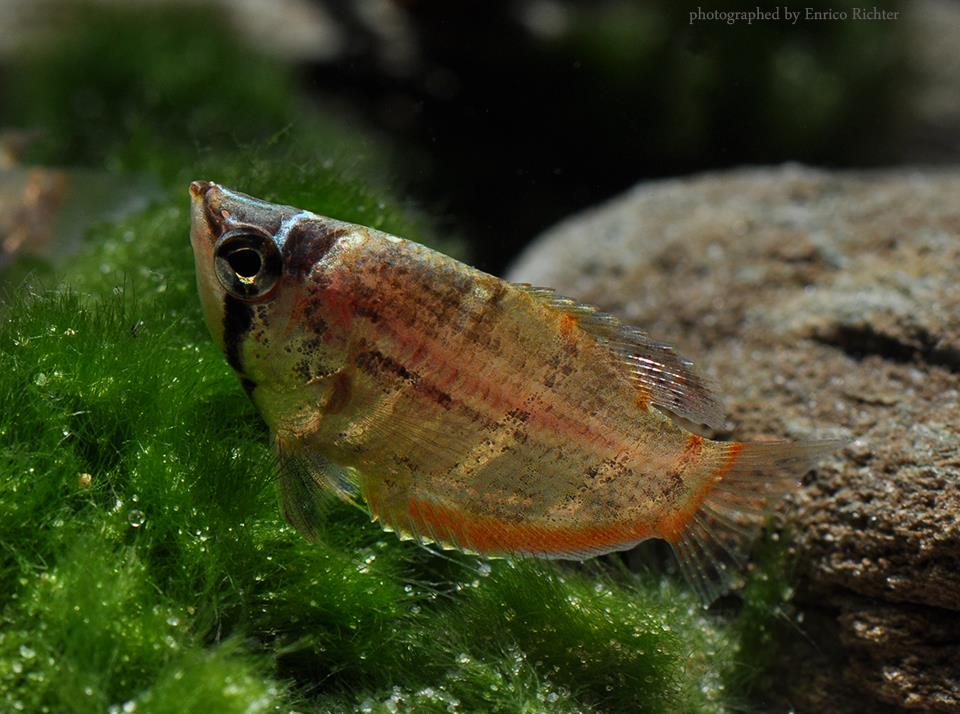
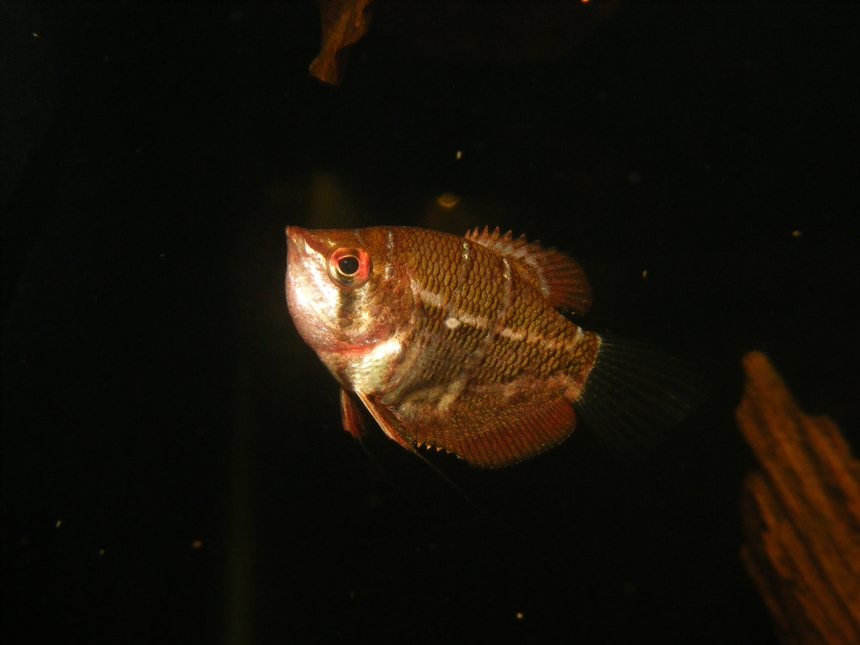
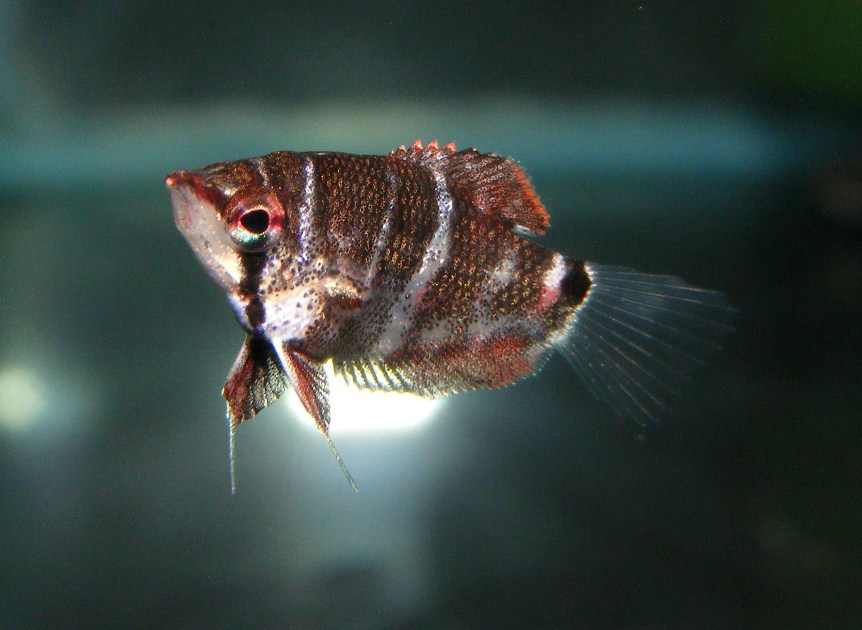
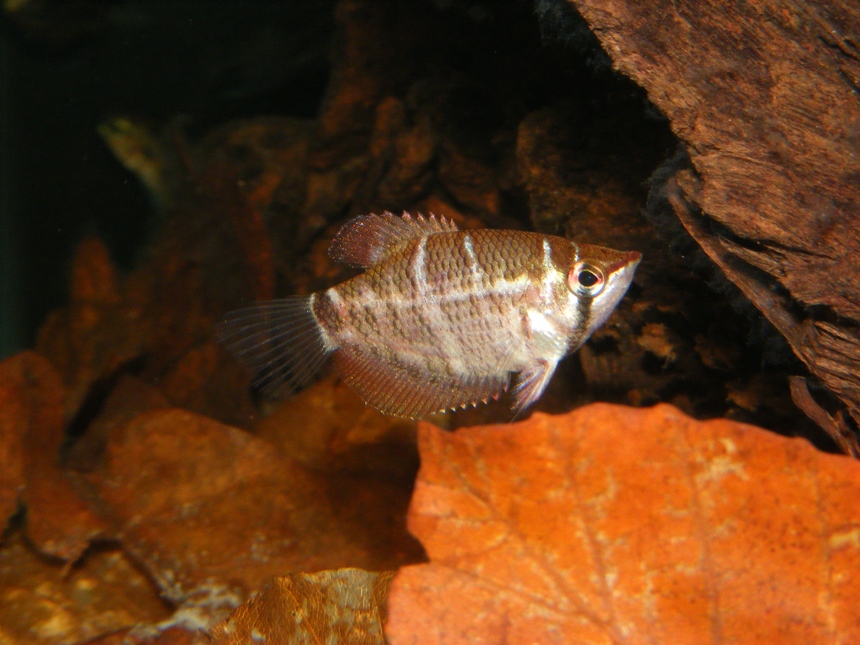
婆罗洲锯盖足鲈(Sphaerichthys selatanensis)与常见锯盖足鲈相似,但体侧多一条浅色竖带,眼也相对较大。它同样由雌鱼口孵,缓慢而谨慎的摄食方式要求低竞争的饲养环境。
分布与栖息地
确定记录来自印度尼西亚婆罗洲南部,包括班贾尔马辛附近与桑皮特一带。勿里洞岛发现过相似而较红的鱼,但身份未完全确认。可能主要生活于泥炭沼泽与黑水溪流,也可能进入清水环境。
饲养环境
群养至少参考 60 × 30 厘米底面积,细沙、枝木、洞穴及落叶形成多处暗区,配耐阴与浮水植物。保持轻缓水流,低密度下每周换约 10%~15%,避免大幅波动。野生鱼更依赖极软酸水,人工繁育鱼通常适应范围较宽。
食性与喂食
主要取食微小水生动物,每日提供小型活冷冻饵,如丰年虾、水蚤及小蠕虫。干粮可能需要逐渐适应,不能预期新鱼立即接受。
习性与混养
至少六尾更利于同种互动,虽不紧密群游仍会形成等级并在喂食时驱赶同伴。选小型安静伙伴,避免大型或活跃争食鱼,也不与锯盖足鲈混养以降低杂交风险。
雌雄区分
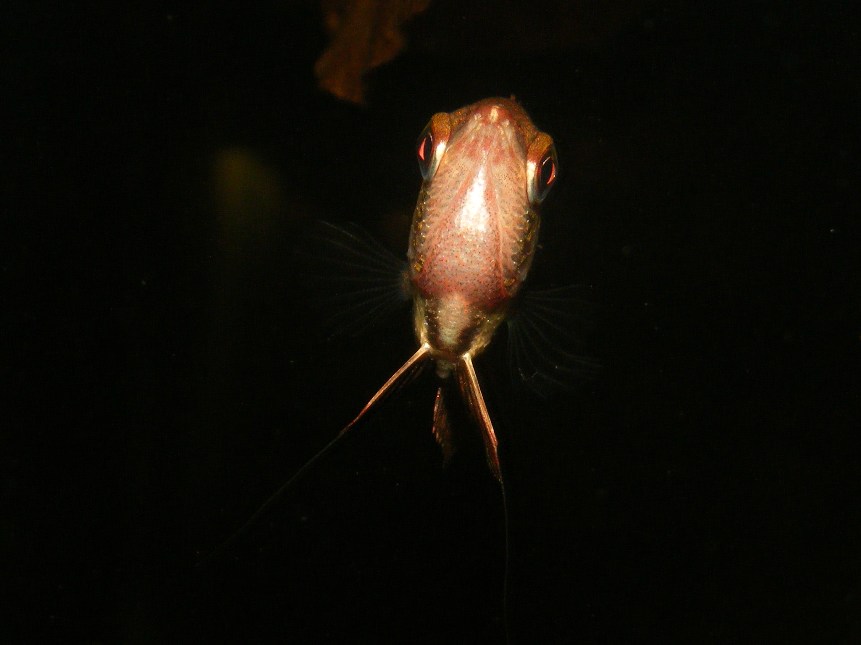
雄鱼下颌较直、头较尖,雌鱼下颌略圆并能扩张口孵。较长鳍或鲜艳颜色不是普遍可靠的分性依据。
繁殖
雄鱼通常发起求偶,双方近乎直立环抱,底部受精的卵由雌鱼收入口中。含卵期雌鱼在安静处少食或停食,七至二十天后放出约十至四十尾幼鱼。可移开含卵雌鱼或转移已释放幼鱼,但须使用匹配水温和水质。幼鱼能吃微虫与初孵丰年虾,育苗每天小换约 10%,缸盖维持温暖潮湿空气层。
图片
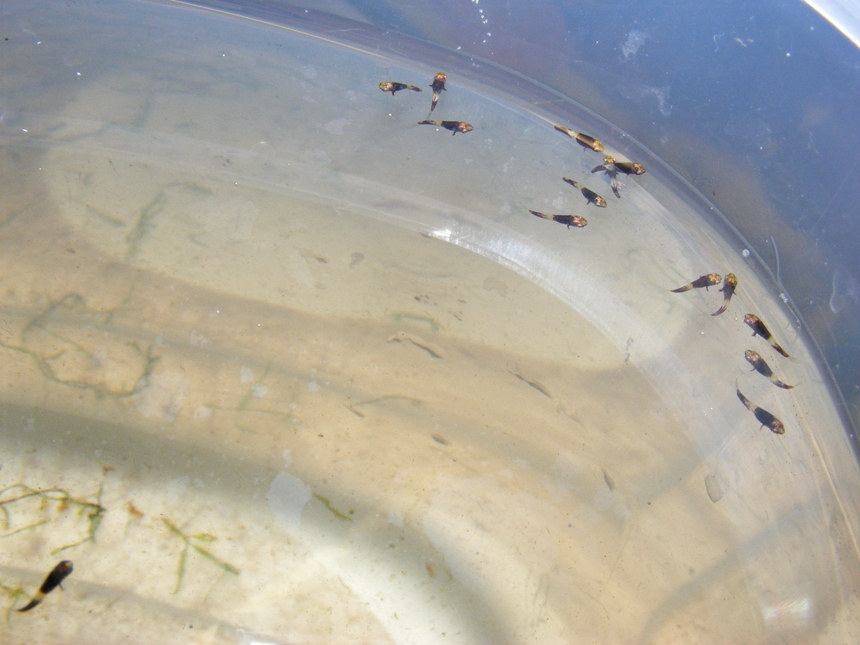
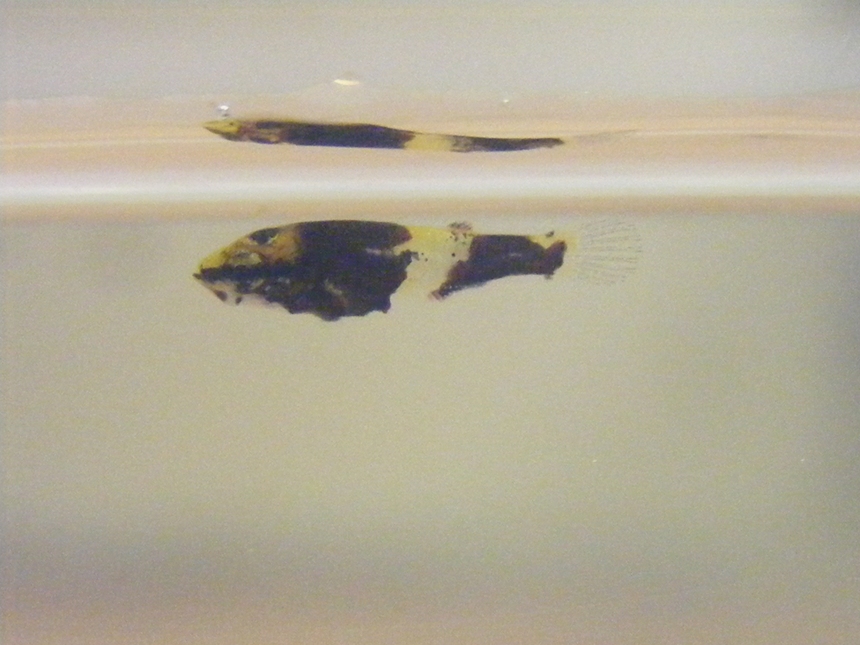
图片来自 SeriouslyFish,版权归各摄影者所有。
English
Overview
An additional pale flank bar and relatively larger eye help distinguish Sphaerichthys selatanensis from the familiar chocolate gourami. It shares maternal mouthbrooding and deliberate feeding behavior, requiring a calm aquarium where faster fish cannot monopolize meals.
Distribution & habitat
Confirmed records come from southern Indonesian Borneo, including the Banjarmasin and Sampit areas. Similar reddish fish from Belitung need further identification and should not be counted as an established extension. Peat swamps and blackwater streams are probable habitats, possibly accompanied by some clear waters.
Aquarium setup
Use at least a 60 by 30 cm base for a group. Sand, roots, cavities, leaves, and shaded plants provide cover; floating vegetation softens illumination. Keep water movement mild and make regular changes around 10–15% weekly at low stocking levels. Wild fish are less forgiving of unsuitable hardness and pH than many captive-bred examples.
Diet & feeding
Small aquatic invertebrates form the main diet. Give daily appropriately sized live or frozen foods, including brine shrimp, water fleas, and worms. Prepared diets may require gradual acceptance and should not be assumed suitable immediately after acquisition.
Behaviour & compatibility
At least six encourage social interaction, although the group does not school tightly. Dominance and feeding-time displacement can occur. Choose small quiet companions, avoiding large or competitive feeders and S. osphromenoides, with which hybridization is a concern.
Sexual dimorphism
Males show straighter lower jaws and a more pointed head; females have a rounded, expandable brood pouch area. Longer fins or brighter colors are not universally dependable sexing characters.
Breeding
Male-initiated courtship leads to upright embraces and substrate fertilization, after which the female gathers the eggs. She rests in a quiet location and feeds little or not at all during seven to twenty days of mouthbrooding. About ten to forty young are then released. Separate the brooder or fry using water matched in chemistry and temperature. Microworms and nauplii are suitable first foods. Daily changes around 10% and a covered humid air space support healthy rearing.
来源
- https://www.seriouslyfish.com/species/sphaerichthys-selatanensis(抓取于 2026-10-10)
sphaerichthys-selatanensis · 文件: data/species/sphaerichthys-selatanensis.md · 状态: 草稿