越南华吸鳅
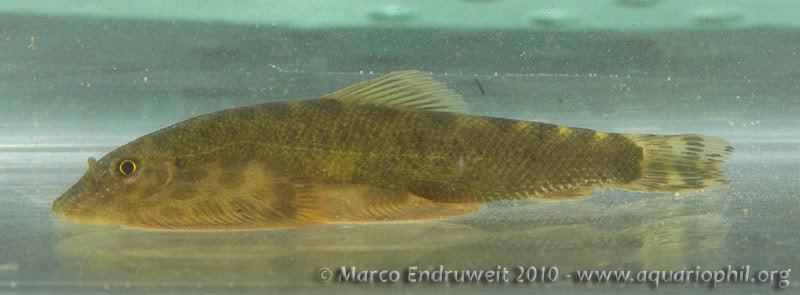
概要
| 字段 | 值 |
|---|---|
| 类别 | 鱼 |
| 学名 | Sinogastromyzon tonkinensis |
| 别名 | 越南華吸鰍 |
| 分类 | 鲤形目 Cypriniformes › 爬鳅科 Balitoridae › Sinogastromyzon |
| 水体 | 淡水 |
| 原产地 | 中国、越南 |
| 成体体长 | 6.5 cm |
| 饲养难度 | 中等 |
| 最小水体 | 68 L |
| 最小缸长 | 75 cm |
| 群居方式 | 群游 |
| 性情 | 温和 |
| 水流偏好 | 高 |
| 特征 | 会跳缸: 是 |
| 外部数据 | seriouslyfish sinogastromyzon-tonkinensis;fishbase 58571 |
| 领地性 | 是 |
水质参数
| 参数 | 耐受范围 | 最适范围 | 单位 |
|---|---|---|---|
| 水温 | 15–22 | — | °C |
| pH | 7–9 | — | — |
| 总硬度 | 2–12 | — | dGH |
概述
越南华吸鳅(Sinogastromyzon tonkinensis)是红河流域的急流鳅类,贸易中少见。它温和而较隐蔽,适合成熟、洁净、高溶氧的溪流环境;与同域近缘种区分时,口须和口部宽度尤其有用。
分布与栖息地
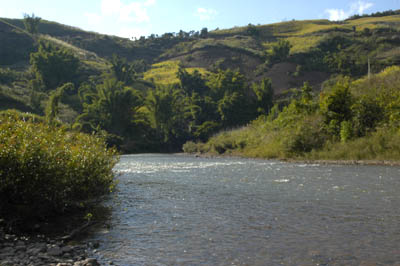
模式产地为越南北部莱州,已知范围涉及中国云南与越南北部的红河水系,似乎局限于这一流域。它生活于清澈富氧的急流溪流和上游河段,常在浅滩和急流中活动,可能偏好较浅区域。砾石、岩石、大石及基岩表面覆盖丰富生物膜,水草不多,岸边植被通常发达。
云南普洱李仙江支流勐野江的一个采集点在 2009 年 1 月记录为水温 17 °C、pH 8.8、总硬度约 2 dGH。这些数据反映单次现场情况,并非必须精确复制的饲养配方。
饲养环境
底面积至少约 75 × 30 cm。使用容量充足的过滤、必要的水泵和气石,循环量以每小时约 15~20 倍缸水体积或更高为目标,同时确保高溶氧,不必制造洪流。以沙或砾石铺底,上方放不同大小的圆滑石块,沉木根枝和耐流附生植物也可使用。
只在过滤成熟、水质稳定的鱼缸中饲养,避免有机废物积累。缸盖要严密,因为它能攀爬玻璃。长期保持 15~22 °C,短期偏暖时尤其注意溶氧。
食性与喂食
华吸鳅属会摄食生物膜中的小型甲壳类、昆虫幼虫及其他无脊椎动物,也吃一些藻类。缸内可提供沉底干粮,但每日应有水蚤、丰年虾、红虫等活饵或冷冻饵,并保留带附着生物的石面。
主缸藻膜不足时,可在单独强光容器内养藻石,再轮换到主缸。严重消瘦的个体恢复困难,需要持续、容易取得的食物及较少争食压力。
习性与混养
性情温和,不宜与明显更大、攻击性强、领地意识强或抢食激烈的鱼混养。可考虑同样适应冷凉流水的小型开阔水域鱼、溪流虾虎或部分流水鲶鱼,其他鳅类须逐种评估。
建议至少 4 条形成松散群体。部分鱼会守护优质取食点,程度各有不同,实际受伤少见;是否与性别有关尚不明确。群养也可能减少一直躲藏的情况。
雌雄区分
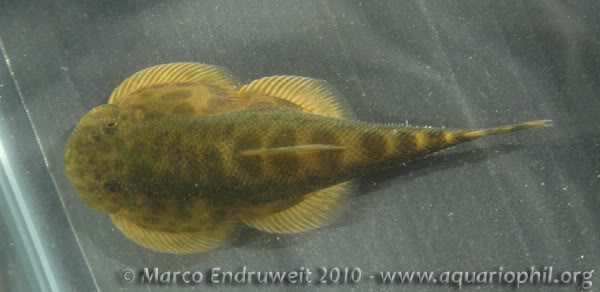
从上方或下方看,雄鱼身体通常更纤细,胸鳍与头部交界的角度较尖;雌鱼轮廓较丰满、圆缓。
繁殖
水族箱繁殖尚无记录。
补充说明
本种与几种同域华吸鳅相似,嘴角具有两对较长、较细的须,口宽约占头宽的 39.8%~48.3%。Sinogastromyzon multiocellum 的须较粗、口较窄,Sinogastromyzon lixianjiangensis 和 Sinogastromyzon macrostoma 的须都很小,而后者的口明显更宽。
身体背面有规则斑块,尾柄长度大于高度,也可作为辅助特征。华吸鳅属以扁平头身、横向展开的偶鳍及后部相连的腹鳍附着石面,常在石头上下爬行,自由游泳能力较弱。
图片
图片来自 SeriouslyFish,版权归各摄影者所有。
English
Overview
A rarely traded Red River hillstream loach, Sinogastromyzon tonkinensis is peaceful and rather retiring. It needs a mature, clean, highly oxygenated stream-style aquarium. Mouth width and barbel structure are particularly useful when separating it from similar species sharing the drainage.
Distribution & habitat
The type locality is Lai Chau in northern Vietnam. Known records concern the Red River system in Yunnan, China, and northern Vietnam, apparently its only drainage. It inhabits clear, oxygen-rich streams and headwaters, including riffles and runs, with a probable preference for shallow areas. Gravel, rocks, boulders, and bedrock support rich biofilm; submerged plants are sparse but bankside vegetation is often substantial.
A January 2009 observation from the Menyejiang, a Lixianjiang tributary in Puer, Yunnan, recorded 17 °C, pH 8.8, and approximately 2 dGH. Those values describe one sampling event rather than a recipe that must be reproduced exactly.
Aquarium setup
Provide a footprint of at least about 75 × 30 cm. Substantial filtration with supplementary pumps or aeration should support circulation around 15–20 tank volumes per hour or more while maintaining high oxygen. Torrential conditions are unnecessary. Use sand or gravel with varied smooth stones, optional roots and branches, and robust attached plants.
Introduce fish only into a biologically mature, stable system and prevent organic waste buildup. Fit the lid securely against glass-climbing escapes. Long-term temperatures around 15–22 °C are appropriate, with extra attention to oxygen during brief warmer periods.
Diet & feeding
Sinogastromyzon browse biofilm for small crustaceans, insect larvae, and other invertebrates, also consuming some algae. Sinking preparations may be accepted, but daily live or frozen Daphnia, Artemia, bloodworms, and similar foods are important. Retain mature grazing surfaces.
Where attached growth is insufficient, cultivate algae-covered stones in a separate brightly lit container and rotate them into the main aquarium. Severely wasted individuals can be difficult to restore and need continuously accessible food with little competition.
Behaviour & compatibility
Avoid much larger, aggressive, territorial, or strongly competitive fishes. Small open-water species, stream gobies, and some rheophilic catfishes may work if they also suit cool, flowing water. Assess other loaches individually.
Maintain a loose group of at least four. Some individuals defend good feeding patches, but injuries are uncommon. A possible link between territorial intensity and sex remains uncertain. Group keeping may also reduce prolonged hiding.
Sexual dimorphism
Viewed from above or below, males tend to be slimmer and have a sharper junction between the pectoral fin and head. Females have a fuller outline and a rounder junction.
Breeding
Aquarium reproduction has not been recorded.
Notes
Two pairs of relatively long, thin barbels at the mouth corners and a mouth spanning about 39.8–48.3% of head width help identify this species. Sinogastromyzon multiocellum has thicker barbels and a narrower mouth. Sinogastromyzon lixianjiangensis and Sinogastromyzon macrostoma have tiny barbels, with the latter possessing a much wider mouth.
Regular dorsal blotches and a tail stalk longer than deep provide further clues. In the genus, a flattened front body, expanded paired fins, and joined pelvic fins enable attachment to rocks. Crawling over and under stones is more effective than open-water swimming.
来源
ID:sinogastromyzon-tonkinensis · 文件: data/species/sinogastromyzon-tonkinensis.md · 状态: 草稿