埔里华吸鳅
概要
| 字段 | 值 |
|---|---|
| 类别 | 鱼 |
| 学名 | Sinogastromyzon puliensis |
| 别名 | 棕蓑贴、木箕贴仔、石贴仔、簸箕鱼、埔里中华爬岩鳅、埔里華吸鰍、木箕貼仔(台湾)、石貼仔(台湾)、簸箕魚(台湾)、棕簑貼(台湾)、埔里中華爬岩鰍(台湾) |
| 分类 | 鲤形目 Cypriniformes › 爬鳅科 Balitoridae › Sinogastromyzon |
| 水体 | 淡水 |
| 原产地 | 中国台湾 |
| 成体体长 | 8 cm |
| 饲养难度 | 中等 |
| 最小水体 | 68 L |
| 最小缸长 | 75 cm |
| 群居方式 | 群游 |
| 性情 | 温和 |
| 水流偏好 | 高 |
| 特征 | 会跳缸: 是 |
| 外部数据 | seriouslyfish sinogastromyzon-puliensis;fishbase 17242 |
| 领地性 | 是 |
| 繁殖方式 | 产卵 |
水质参数
| 参数 | 耐受范围 | 最适范围 | 单位 |
|---|---|---|---|
| 水温 | 20–24 | — | °C |
| pH | 6–8 | — | — |
| 总硬度 | 1–12 | — | dGH |
概述
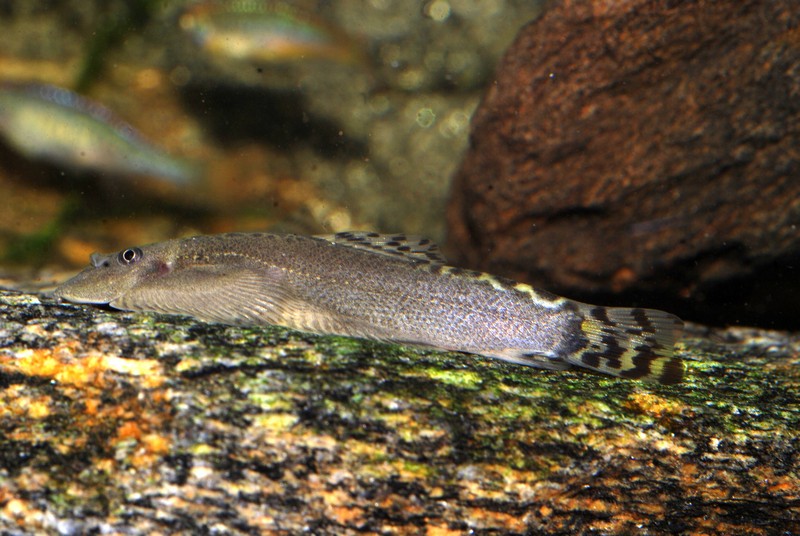
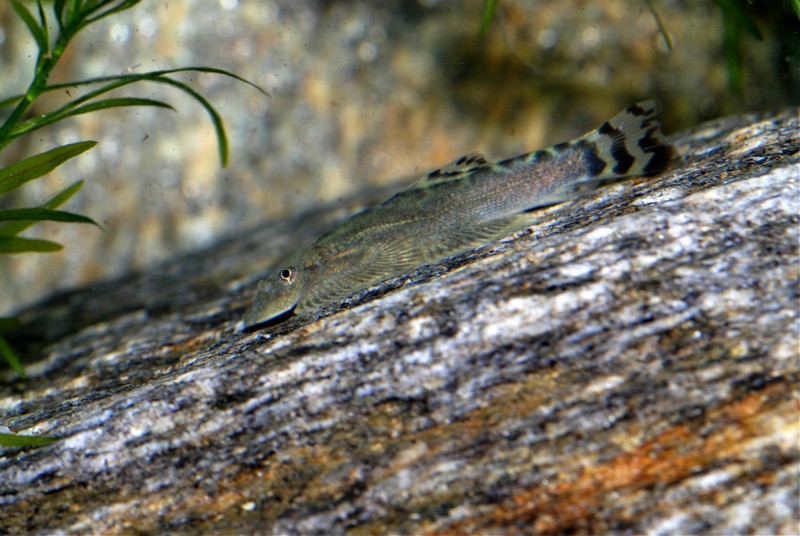
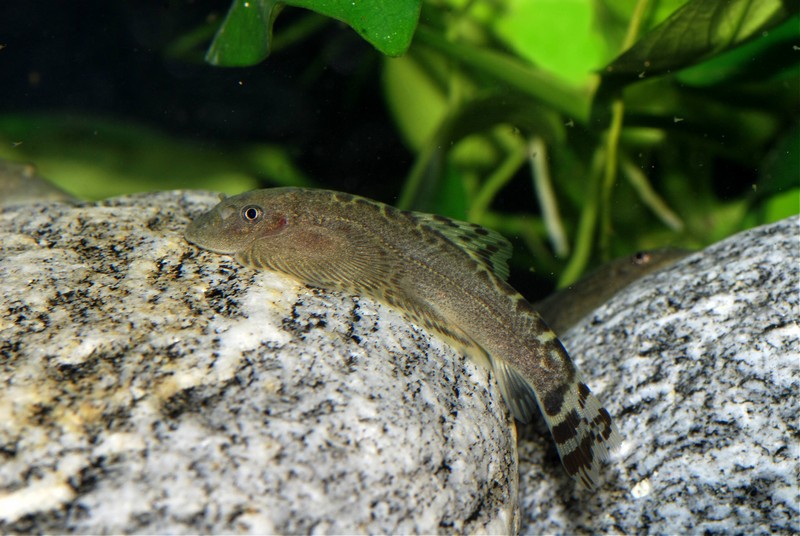
埔里华吸鳅(Sinogastromyzon puliensis)是台湾特有的急流鳅类,能牢牢附着岩石,也能攀爬湿壁。它性情温和,却会围绕优质取食位置发生轻微争夺,饲养需要洁净富氧的水和足够成熟的石面。
分布与栖息地
分布于台湾中南部西侧河流,包括高屏溪、曾文溪、浊水溪、大肚溪和大甲溪等水系。多生活于河流中上游的浅滩和急流,常见水深约 20~60 cm,底床为卵石和不同大小的岩石,水草缺少。清澈富氧的水与日照有利于石面生物膜生长;大雨后水深、流速和浑浊度可明显增加。
其生活史包含季节性上溯,幼鱼成熟过程中会集群逆流移动。浊水溪集集拦河堰鱼道入口的冲刷曾形成落差,迁移鱼会沿入口壁面攀爬,出口关闭时可大量聚集。采砂、取水和水坝建设均影响栖息地及迁移条件。
饲养环境
底面积至少约 75 × 30 cm,使用容量充足的过滤与辅助循环,目标为每小时约 15~20 倍缸水体积或更高,同时保持高溶氧;不必制造真正的洪流。沙或砾石上布置多块圆滑石头,也可加沉木根枝和强健的附生植物。
只在过滤成熟、水质稳定的缸中饲养,不能累积有机废物。定期换水,保留供取食的成熟石面。缸盖必须严密,防止其攀爬玻璃逃逸。长期宜保持 20~24 °C,短期偏暖时尤其要保证溶氧。
食性与喂食
华吸鳅属会刮食生物膜,摄取小型甲壳类、昆虫幼虫及其他无脊椎动物,也吃一些藻类。缸内可提供沉底干粮,但每日仍应有水蚤、丰年虾、红虫等活饵或冷冻饵,不能把它当作只靠残藻生活的清洁鱼。
若主缸的附着生物被迅速吃光,可另设强光容器培养带藻石块,轮流换入主缸。严重消瘦个体恢复困难,需要持续、容易取得的食物,并减少争食者。
习性与混养
性情很温和,应避免体型大得多、凶猛、领地意识强或争食能力过强的同伴。可考虑适应相同环境的小型开阔水域鱼、溪流虾虎和部分流水鲶鱼;其他鳅类并非都合适,需要逐种评估。
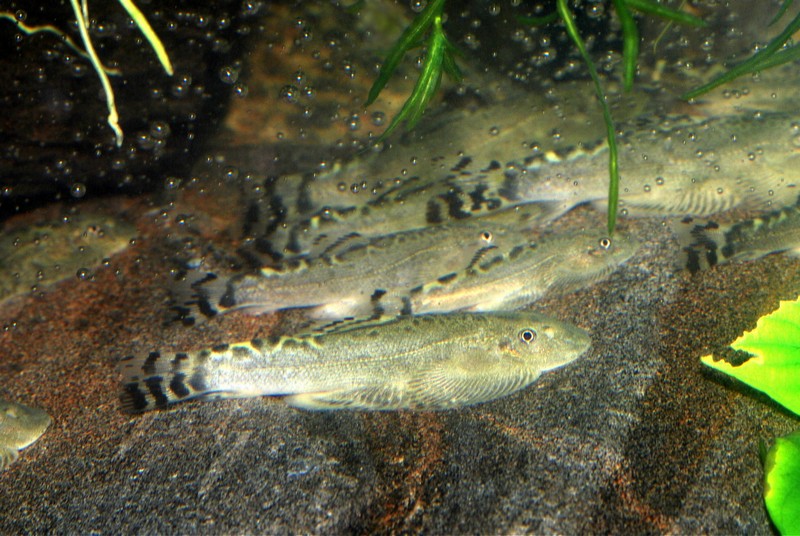
它是较松散的群居鱼,建议至少 4 条。有些个体会守护取食位置,程度各异,争执通常很少造成实际伤害;是否与性别有关尚未明确。成群也可能减少隐蔽不出的情况。
雌雄区分
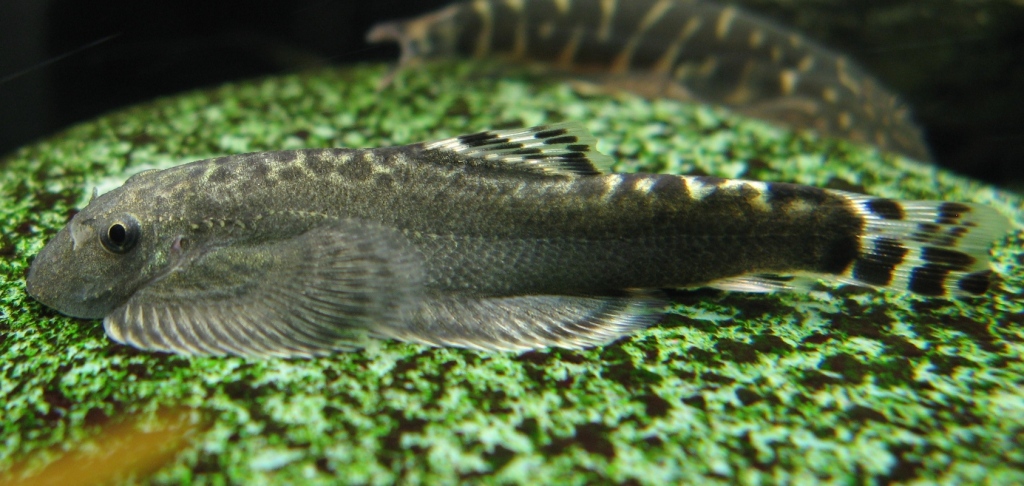
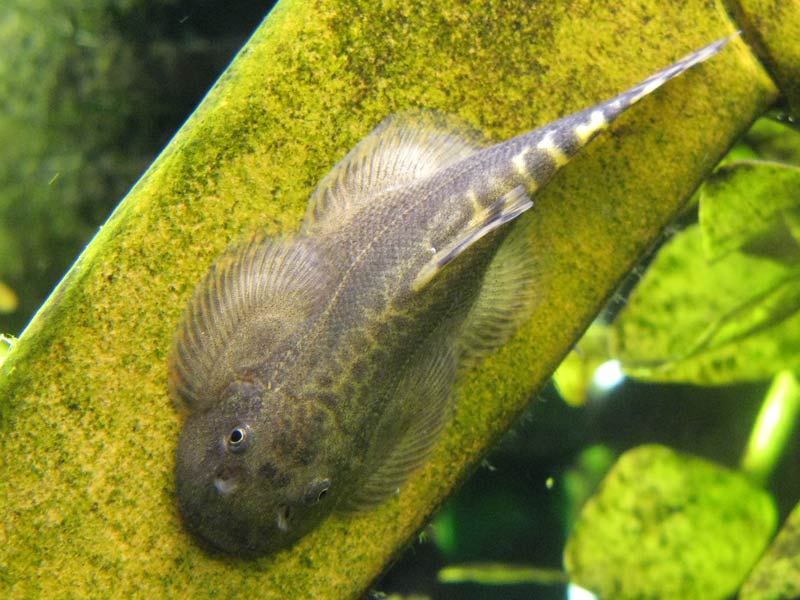
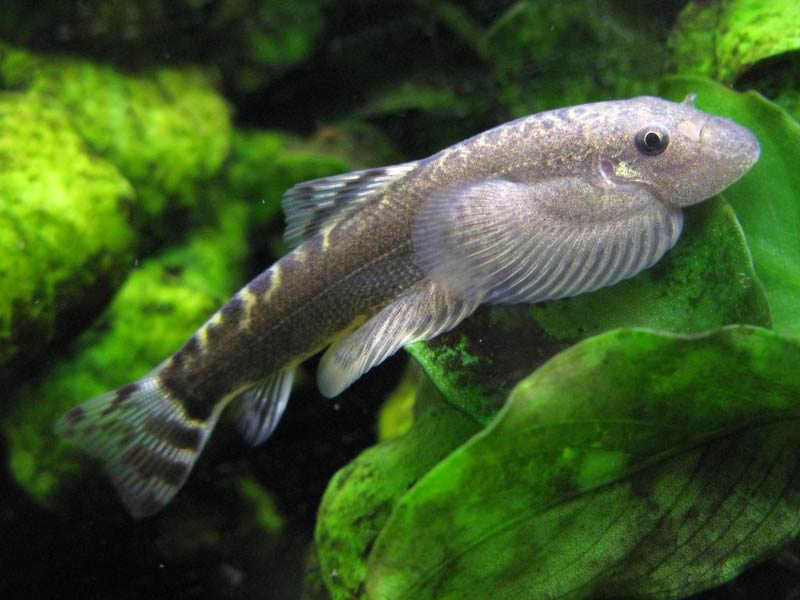
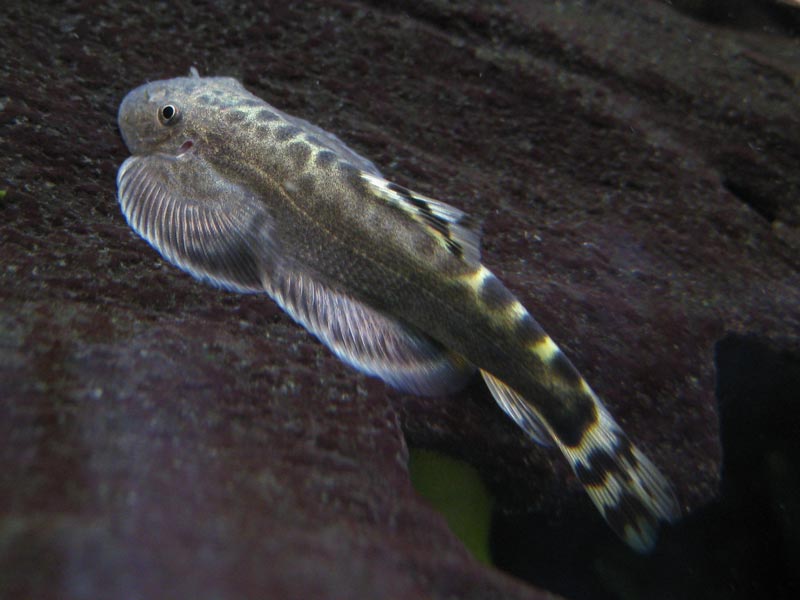
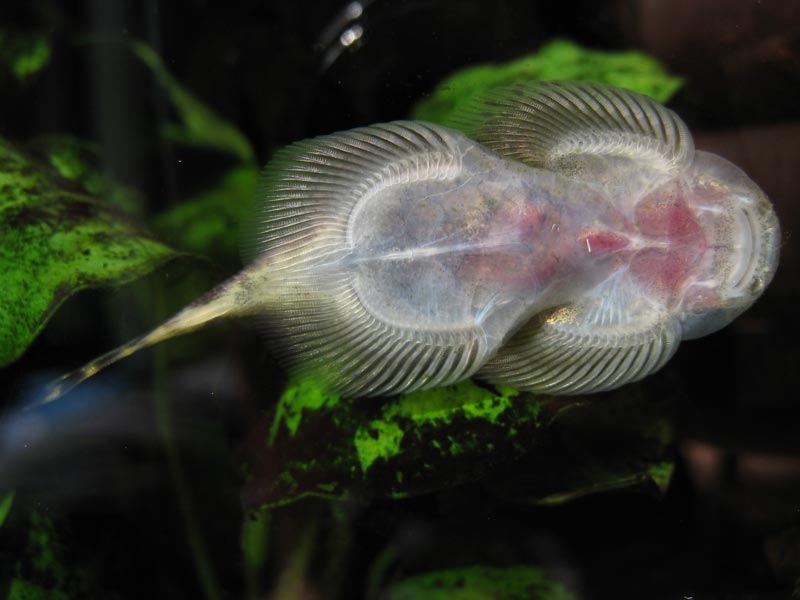
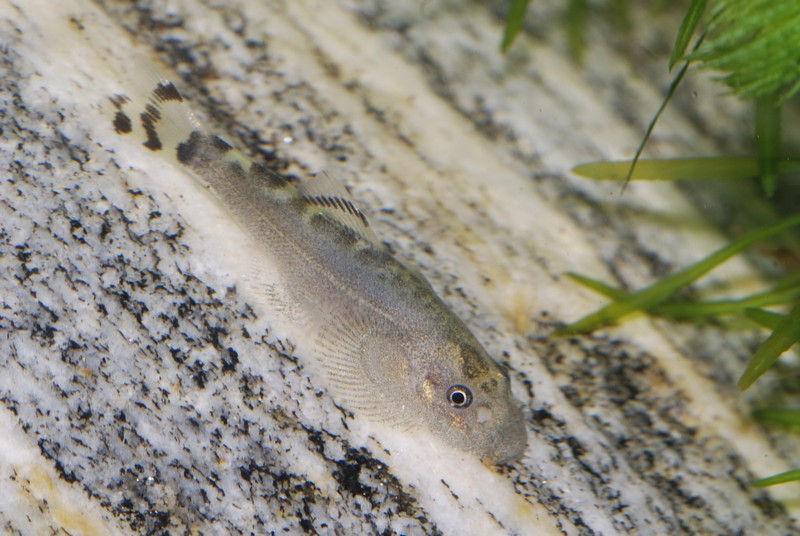
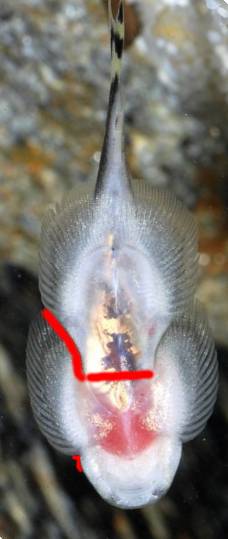
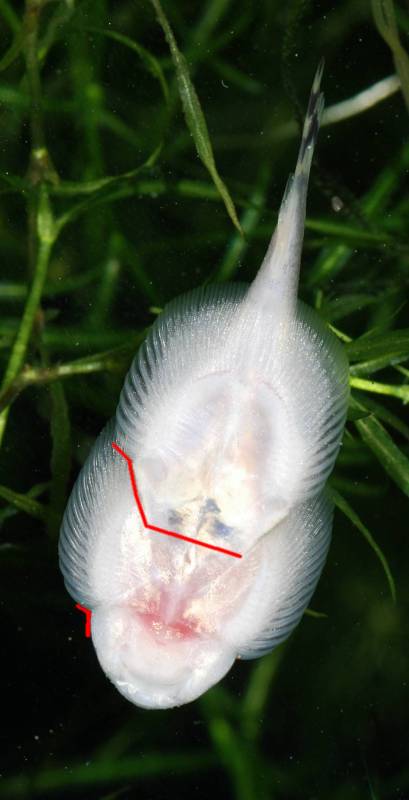
从上方或下方看较容易观察:雄鱼身体较纤细,胸鳍与头部连接处的角度较尖;雌鱼轮廓相对丰满、圆缓。
繁殖
野外为季节性产卵,卵会沉底,水族箱繁殖尚无记录。研究者推测鱼苗孵出后顺流漂移,待腹鳍吸附结构充分发育后再逆流迁移。产卵可能集中于 5~9 月雨季,上溯可能在 8~11 月;这些月份属于研究提出的解释,不是已建立的家庭繁殖流程。
补充说明
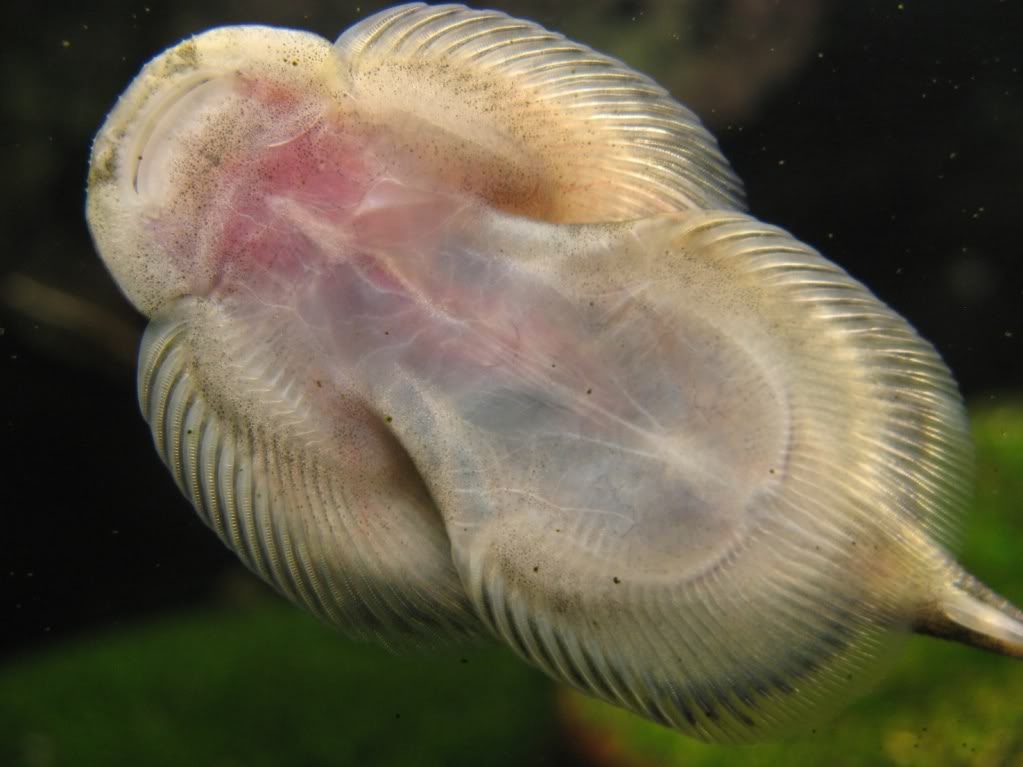
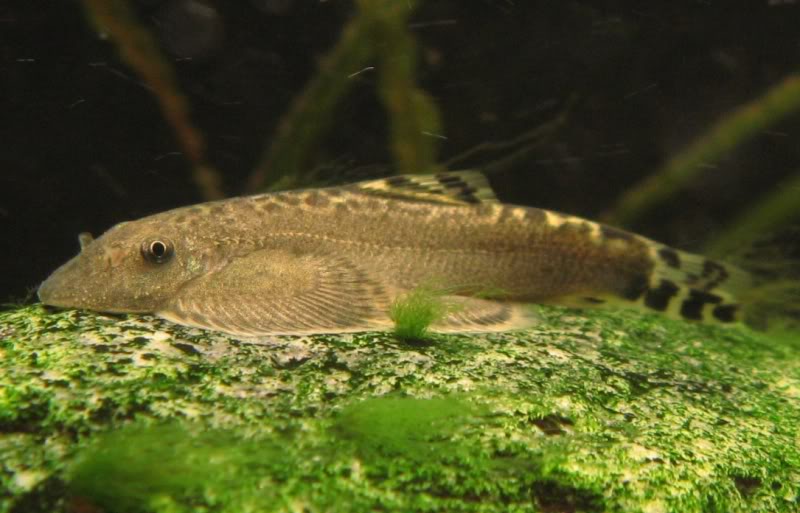
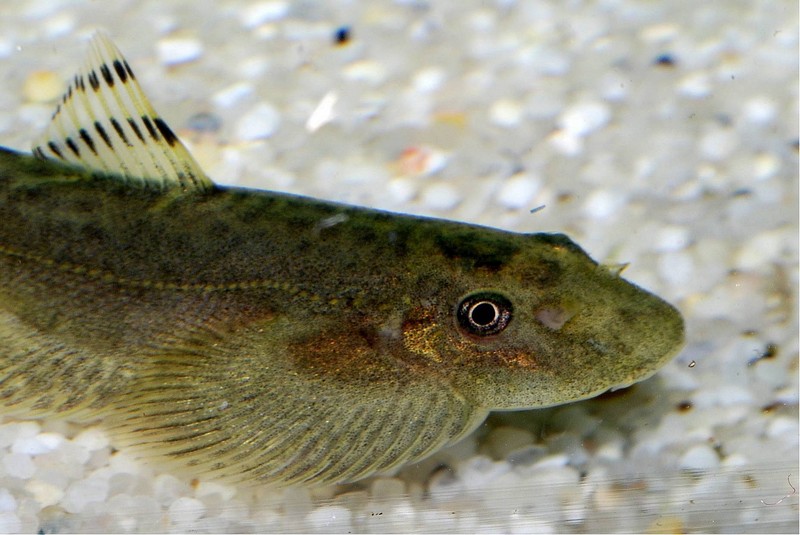
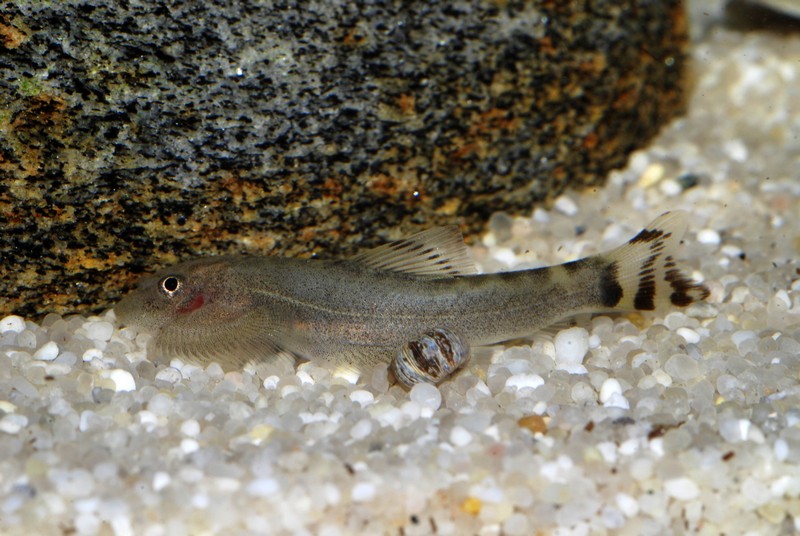
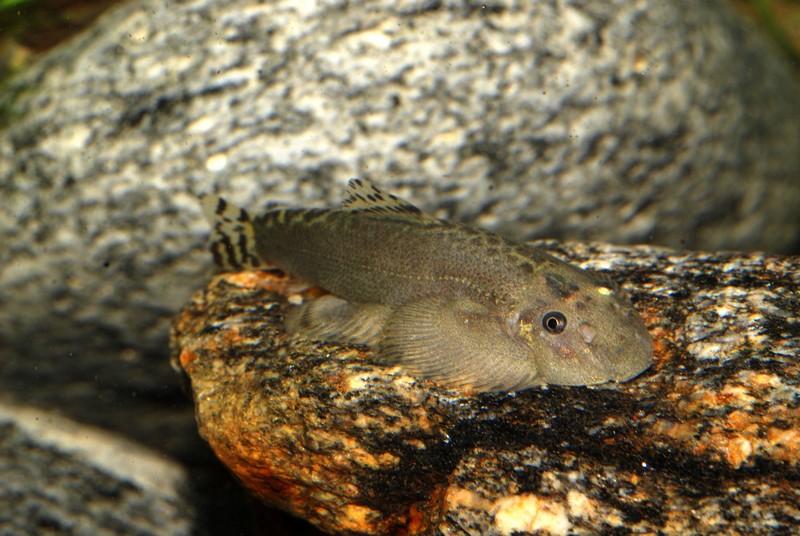
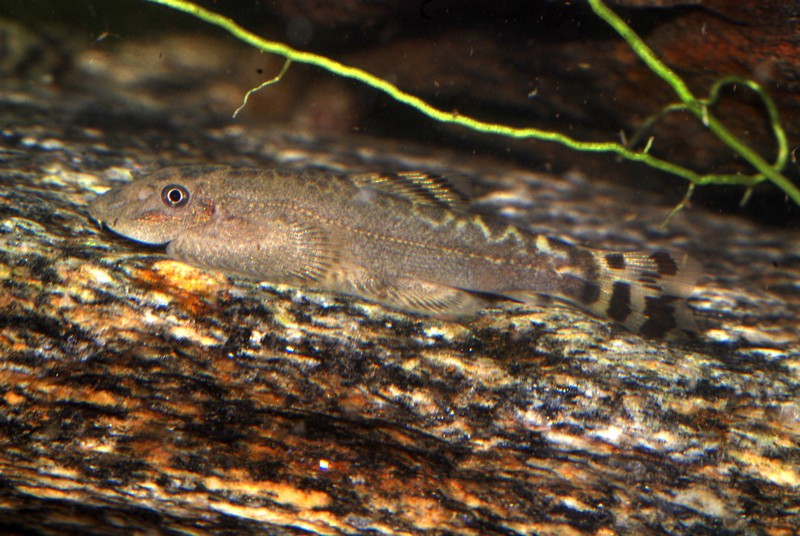
其腹鳍后部相连,配合扁平头身和横向展开的偶鳍形成强附着能力,更擅长在石面及石缝间爬行,自由游泳能力较弱。
栖息地保护与来源核实很重要。历史记录提到自 1989 年起受到台湾野生动物保护制度保护,贸易来源曾被质疑涉及非法采集出口;这类历史描述不能作为当前许可状态的判定。外形相近的同属鱼应结合胸鳍基部斑点、腹鳍长度及背部斑纹等特征确认。
图片
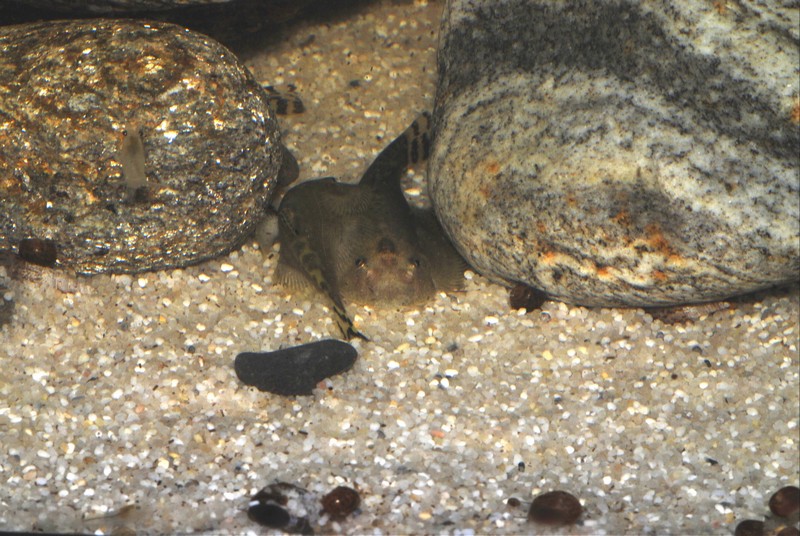
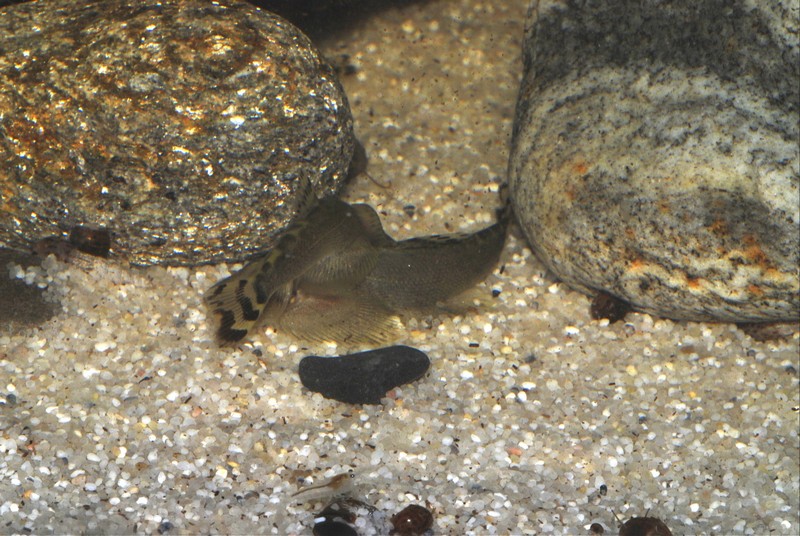
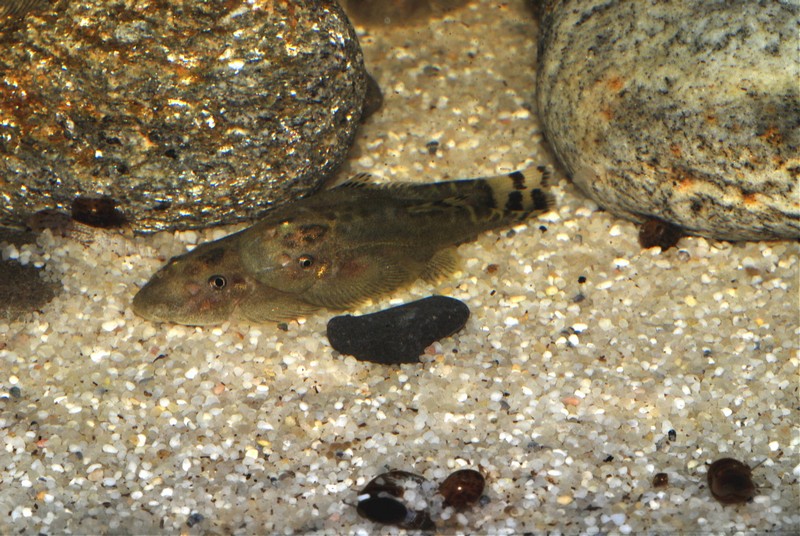
图片来自 SeriouslyFish,版权归各摄影者所有。
English
Overview
Endemic to Taiwan, Sinogastromyzon puliensis grips rocks firmly and can climb wet walls. It is peaceful, although favored feeding patches may be defended. A clean, oxygen-rich aquarium with extensive mature grazing surfaces is essential.
Distribution & habitat
The range includes western drainages in central and southern Taiwan, such as the Kaoping, Tsengwen, Choshui, Tatu, and Tachia systems. Middle and upper river reaches provide riffles and rapids, often only about 20–60 cm deep, with pebbles and varied rocks but little aquatic vegetation. Clear, oxygenated water and sunlight support rich biofilm; heavy rain can greatly increase depth, current, and turbidity.
Seasonal upstream movement forms part of its life history. Growing juveniles may migrate in large groups. At the Jiji Weir fish ladder in the Choshui, erosion created an entrance drop that fish negotiated by climbing the wall, with aggregations when the exit was closed. Sand extraction, water use, and dams affect both habitat and migration.
Aquarium setup
Provide a footprint of at least about 75 × 30 cm. Substantial filtration and supplemental pumps should support circulation around 15–20 tank volumes per hour or more, while maintaining high oxygen. Truly torrential flow is unnecessary. Combine sand or gravel with numerous smooth stones, optional roots and branches, and robust attached plants.
Use a stable, biologically mature aquarium, prevent organic waste buildup, and make regular water changes while retaining established grazing surfaces. Secure the lid against glass-climbing escapes. Long-term temperatures around 20–24 °C are appropriate; temporary warmth demands particular attention to oxygen.
Diet & feeding
Members of Sinogastromyzon browse biofilm for small crustaceans, insect larvae, and other invertebrates, with some algae also consumed. Sinking preparations may be accepted, but daily live or frozen Daphnia, Artemia, bloodworms, and similar foods remain important. It should not be treated as a cleaner that survives on leftover algae alone.
If grazing surfaces are exhausted, grow algae on stones in a separate brightly lit container and rotate them into the aquarium. Severely emaciated fish can be difficult to restore and need continuously accessible food without strong competition.
Behaviour & compatibility
Avoid much larger, aggressive, territorial, or strongly competitive companions. Small open-water fishes, stream gobies, and some rheophilic catfishes may work if their requirements match. Other loaches need individual assessment rather than blanket approval.
Keep a loose group of at least four. Some individuals defend feeding patches more vigorously than others, but physical injuries are uncommon. A possible relationship with sex is unresolved. Group maintenance may also reduce retiring behavior.
Sexual dimorphism
Viewed from above or below, males are slimmer and have a sharper angle where the pectoral fin meets the head. Females have a fuller outline and a more rounded junction.
Breeding
Wild reproduction is seasonal and involves eggs that settle to the bottom; aquarium breeding has not been recorded. Researchers proposed that hatchlings drift downstream before juveniles move back upstream after the pelvic attachment apparatus develops. Spawning in the May–September rains and upstream travel in August–November were suggested, rather than established as an aquarium breeding schedule.
Notes
Fused pelvic fins, a flattened front body, and expanded paired fins provide strong attachment. Crawling over and beneath rocks is more effective than open-water swimming.
Habitat conservation and source documentation matter. Historical accounts describe protection under Taiwan's wildlife framework from 1989 and question whether traded fish were legally collected and exported; these accounts do not establish current permit status. Identification among similar relatives uses features such as spots at the pectoral bases, pelvic-fin extent, and dorsal blotching.
来源
- https://www.seriouslyfish.com/species/sinogastromyzon-puliensis(抓取于 2026-10-10)
sinogastromyzon-puliensis · 文件: data/species/sinogastromyzon-puliensis.md · 状态: 草稿