中华沙鳅
概要
| 字段 | 值 |
|---|---|
| 类别 | 鱼 |
| 学名 | Sinibotia superciliaris |
| 别名 | 中華沙鰍、Botia superciliaris |
| 分类 | 鲤形目 Cypriniformes › 沙鳅科 Botiidae › Sinibotia |
| 水体 | 淡水 |
| 原产地 | 中国 |
| 成体体长 | 11 cm |
| 饲养难度 | 中等 |
| 最小水体 | 108 L |
| 最小缸长 | 120 cm |
| 群居方式 | 群游 |
| 特征 | 会跳缸: 是 |
| 外部数据 | seriouslyfish sinibotia-superciliaris;fishbase 46113 |
| 食性 | 肉食 |
| 性情 | 温和 |
水质参数
| 参数 | 耐受范围 | 最适范围 | 单位 |
|---|---|---|---|
| 水温 | 20–25.5 | — | °C |
| pH | 6.5–8 | — | — |
| 总硬度 | 2–15 | — | dGH |
概述
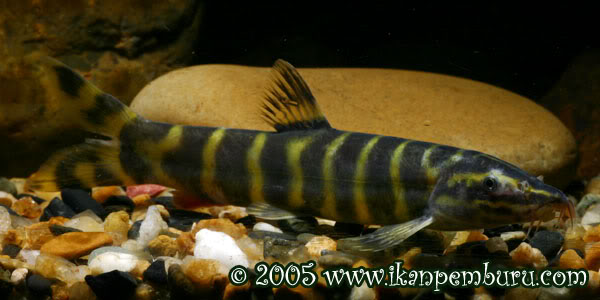
中华沙鳅(Sinibotia superciliaris)是性情温和、平时较隐蔽的河流鳅类,贸易中不常见。它与美丽沙鳅(Sinibotia pulchra)相似,但头侧缺少后者的褐色虫纹和斑点。
分布与栖息地
模式产地为中国四川峨眉山麓,贵州也有记录,主要属于长江水系。云南维西的澜沧江上游曾有被鉴定为本种的标本,但缺乏更多记录支持,完整分布范围仍未厘清。
生活于主河道及支流,野外调查曾在水流较急、岩石底床的河段采到,水可较清,也可浑浊。
饲养环境
建议至少约 120 × 30 cm 的底面积,使用沙或细砾、圆滑石块、沉木根枝提供多处隐蔽所。弱光及耐阴植物能增加遮蔽,装饰去掉锐边,封堵容易卡鱼的孔洞,并盖紧缸盖。
中华沙鳅属看来较适应有水流的布置,可使用较大的溪流缸,但溶氧充分、循环适度时不必制造猛烈湍流。保持成熟稳定的过滤系统与清洁水质,防止有机废物积累,每周换水约 30%~50%。长期饲养遵循 20~25.5 °C,不将冬季气温或单次野外低温记录当成家庭水温目标。
食性与喂食
本种主要摄食小型动物,野生个体的胃含物曾发现甲虫和蜉蝣的幼虫。缸内可交替提供红虫、水蚯蚓、切碎贝肉、蚯蚓等活饵或冷冻饵,并配合优质沉底饲料。适应后摄食可能相当积极,有时会在喂食时升到中层。
习性与混养
非喂食时倾向待在安静水域或隐蔽处,性情很温和。可与环境要求相同的温和鱼混养,开阔水域活动的鲤科鱼是可考虑的同伴;其他鳅类、沙鳅及鲶鱼仍须核对成年体型、水温和水流需求。
中华沙鳅属群居并似乎有复杂等级,宜至少养 3~4 条。孤养可能退缩或攻击形似鱼;只有两三条时,优势个体可能压迫弱鱼,严重时使其停食。
雌雄区分
成熟雌鱼可能更丰满,但外观性别差异尚未确认。
繁殖
水族箱繁殖尚无记录。野外可能季节性繁殖并伴随迁移,但这些仍属推测。
补充说明
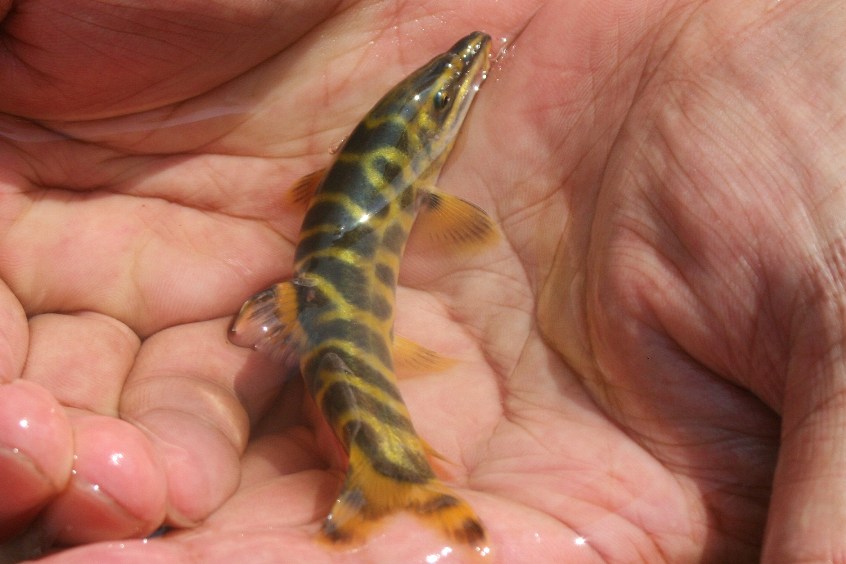
身体一般有 8~9 条深色横带,头部有 4~5 条浅黄色纹,头侧没有褐色虫纹或斑点;背鳍有较宽暗带,尾鳍有 2~3 条宽斜暗带。较长的吻部及其他比例特征也可辅助辨认,不能只凭商品名称确认。
本种身体柔软,游动弯曲灵活。中华沙鳅属眼下棘受惊时能竖起,转移时需防缠网和刺伤。持续消瘦应查明原因,不应仅凭体形就判断某种病原感染。
图片
图片来自 SeriouslyFish,版权归各摄影者所有。
English
Overview
Sinibotia superciliaris is a peaceful, usually retiring river loach that appears infrequently in trade. It resembles Sinibotia pulchra but lacks the brown worm-like marks and spots on the sides of the head.
Distribution & habitat
The type locality lies at the foot of Mount Emei in Sichuan, China, with further records from Guizhou, mainly within the Yangtze system. Specimens from the upper Mekong in Weixi, Yunnan, have also been identified as this species, but additional supporting records are lacking and its full range remains unresolved.
It occurs in main channels and tributaries. Field collections include fast-flowing rocky reaches with water ranging from moderately clear to turbid.
Aquarium setup
Allow a footprint of at least around 120 × 30 cm. Sand or fine gravel, smooth stones, and woody roots or branches should create several retreats. Low lighting and shade-tolerant plants offer cover. Remove sharp edges, close trapping openings, and secure the lid.
Sinibotia seem well suited to some current and can be kept in larger stream-style systems. Severe turbulence is unnecessary when circulation and oxygen are sufficient. Use mature filtration, maintain stable clean water, prevent organic waste buildup, and change about 30–50% weekly. Follow a long-term range of 20–25.5 °C rather than treating winter air temperatures or a single cool field measurement as aquarium targets.
Diet & feeding
This species feeds mainly on small animals; wild stomach contents have included beetle and mayfly larvae. Offer varied live or frozen bloodworms, Tubifex, chopped shellfish, and earthworms alongside quality sinking foods. Settled fish may feed vigorously and rise into midwater at mealtimes.
Behaviour & compatibility
Outside feeding periods it often occupies quieter areas or cover. Its peaceful nature permits companions with matching environmental requirements. Peaceful open-water cyprinids are useful candidates; other loaches and catfishes need individual assessment of adult size, temperature, and flow requirements.
Group living and apparent social hierarchies occur in Sinibotia, so keep at least three or four. Isolated fish may withdraw or attack similarly shaped companions. With only two or three, a dominant individual may suppress weaker fish until they stop eating.
Sexual dimorphism
Mature females may be fuller-bodied, but external sex differences have not been confirmed.
Breeding
Aquarium reproduction has not been recorded. Seasonal spawning and possible migration remain proposed features of its wild reproductive cycle.
Notes
Typical markings include 8–9 dark body bars, 4–5 pale yellow head stripes, a broad dark dorsal-fin band, and 2–3 broad oblique tail bands. The sides of the head lack brown worm-like markings. The relatively long snout and other proportions can also assist identification; a trade label alone is insufficient.
A flexible body produces sinuous movement. Raised spines beneath the eyes in Sinibotia can catch in nets or injure hands. Persistent wasting should prompt investigation rather than an automatic diagnosis from body shape.
来源
- https://www.seriouslyfish.com/species/sinibotia-superciliaris(抓取于 2026-10-10)
sinibotia-superciliaris · 文件: data/species/sinibotia-superciliaris.md · 状态: 草稿