欧鲶 · Wels catfish
概要
| 字段 | 值 |
|---|---|
| 类别 | 鱼 |
| 学名 | Silurus glanis |
| 别名 | 欧鲇、歐鯰 |
| 分类 | 鲶形目 Siluriformes › 鲶科 Siluridae › Silurus |
| 水体 | 淡水 |
| 成体体长 | 500 cm |
| 饲养难度 | 中等 |
| 外部数据 | seriouslyfish silurus-glanis;fishbase 289 |
| 原产地 | 欧洲中东部至中亚的北海、波罗的海、黑海、里海、咸海及部分爱琴海水系 |
| 食性 | 肉食 |
| 特征 | 夜行性: 是;吃小鱼: 是 |
| 领地性 | 是 |
| 繁殖方式 | 附着产卵 |
水质参数
| 参数 | 耐受范围 | 最适范围 | 单位 |
|---|---|---|---|
| 水温 | 3.9–20 | — | °C |
| 总硬度 | 3–25 | — | dGH |
概述
欧鲶(Silurus glanis)是体形巨大的温带鲶鱼,幼鱼偶见于观赏贸易,却几乎不适合普通私人鱼缸。它主要夜间捕食,通常有同种领地意识,成体的空间和过滤需求必须按大型展示设施考虑。
分布与栖息地
原生于汇入北海、波罗的海、黑海、里海和咸海的水系,并在保加利亚、希腊及土耳其部分流入爱琴海的河流自然分布。西欧、南欧及巴尔喀什湖等地另有引入种群,不能与原生分布混为一谈。主要栖息中大型低地河流和湖泊,河内偏好较深缓流区,除早期幼鱼外较少进入小支流。
饲养环境
仅适合公共水族馆或少数拥有极大型设施者。砂底、大型沉木、光滑石块及宽管道可作遮蔽,也可采用便于维护的简洁布局。灯光不要过亮,巨大可靠的过滤和严格维护不可缺,精细草景不现实。
食性与喂食
夜间机会性肉食,主要吃鱼和甲壳类,也会吃两栖类、昆虫和水鸟幼鸟,偶尔捕食小型哺乳动物。缸内多数能接受虾、贝肉、鱿鱼和适口鱼肉等非活饵。
习性与混养
伙伴必须大到不能被吞食。通常不群居,对同种有领地性;野外虽观察到成体短暂大量聚集,但目的未明,不能直接理解为适合群养。
雌雄区分
雄鱼据称较纤细,胸鳍硬刺后缘可见锯齿,雌鱼没有;这些外形差异宜保留观察上的不确定性。
繁殖
野外冬季在深河道越冬,随后短距离上溯并配对,春末至夏季在湖岸、洪泛区或河口三角洲的浅水植被间繁殖。温暖傍晚、气压下降时更易产卵,雄鱼争夺地点并形成底部凹地、压平植物或利用根系作为巢区。
雄鱼追逐、触碰雌鱼腹部并缠绕配对,卵分批排出后受精,雌鱼离开,雄鱼守护黏性卵。孵化约需 2–10 天,受温度影响;孵化后不再照顾,成鱼回深水。通常三四岁成熟,商业繁育可用人工方法,但家庭缸不具备同等条件。
图片
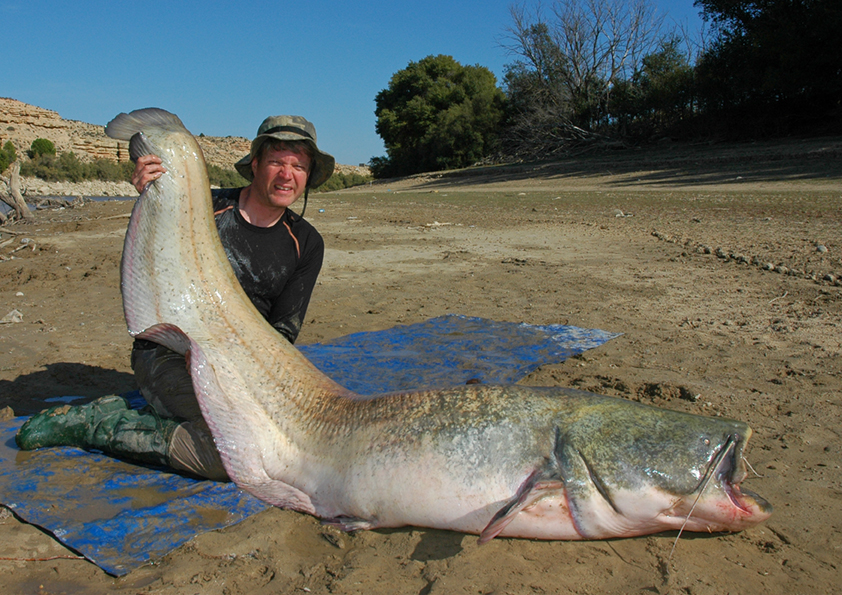
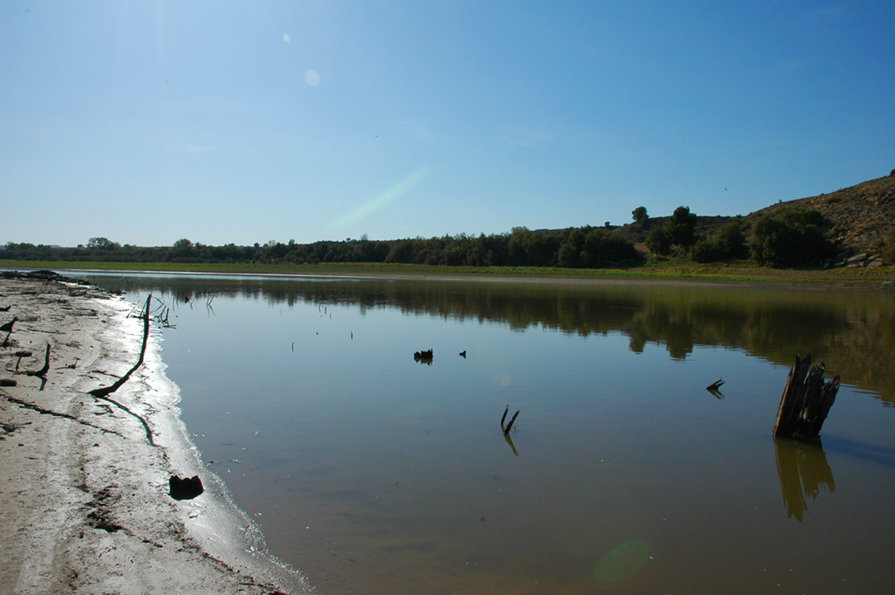
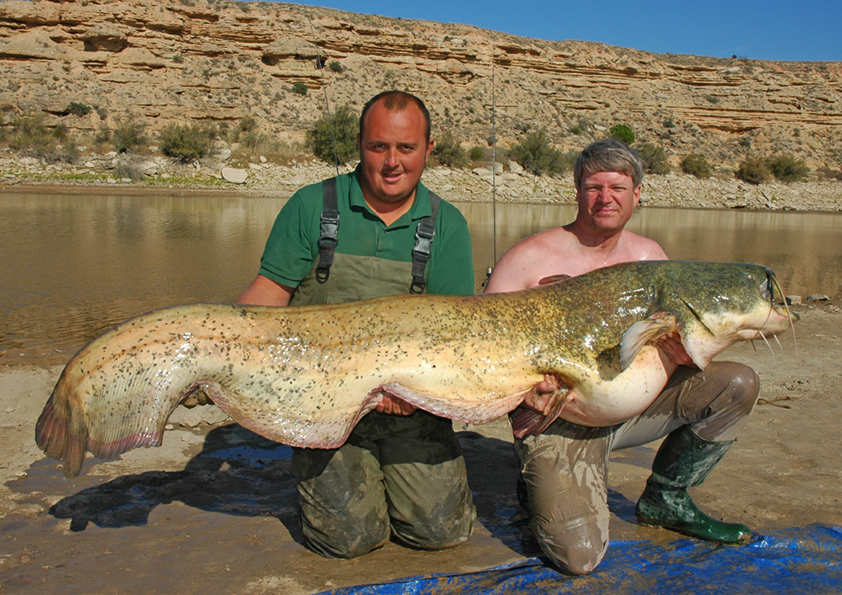
图片来自 SeriouslyFish,版权归各摄影者所有。
English
Overview
A giant temperate catfish, Silurus glanis occasionally appears in the trade as a juvenile but is unsuitable for almost all ordinary private aquariums. Mainly nocturnal predation and territoriality add to adult space and filtration requirements.
Distribution & habitat
Native systems drain to the North, Baltic, Black, Caspian, and Aral seas, with a limited natural Aegean range in parts of Bulgaria, Greece, and Turkey. Introductions elsewhere in Europe and Lake Balkhash are distinct from that native distribution. Medium to large lowland rivers and lakes are typical, with deeper slow channels favored and small tributaries used mainly early in life.
Aquarium setup
Only public or exceptionally large private facilities are realistic. Sand, substantial wood, smooth rocks, and broad pipes can provide cover, or a simpler arrangement may ease maintenance. Restrained light, enormous dependable filtration, and rigorous upkeep take priority over delicate planting.
Diet & feeding
This mainly nocturnal opportunist eats chiefly fish and crustaceans, with other prey including amphibians, insects, young waterbirds, and exceptionally small mammals. Aquarium specimens usually accept suitable nonliving shrimp, shellfish, squid, and fish portions.
Behaviour & compatibility
Any companion must be too large to swallow. It is normally solitary and territorial toward its own kind. Temporary adult aggregations have been observed in nature, but their purpose remains unresolved and they do not establish routine social compatibility.
Sexual dimorphism
Males reportedly appear slimmer and have serrations on the rear pectoral-spine edge absent in females. These remain qualified external clues.
Breeding
After wintering in deep water, fish move short distances upstream and pair before spawning in vegetated shallows from late spring through summer. Warm evenings and falling air pressure favor spawning. Males compete for a site and establish a nest area in a depression, flattened plants, or roots.
The male pursues and nudges the female, then wraps around her as batches of adhesive eggs are released and fertilized. She departs while he guards them. Incubation spans about 2–10 days depending on temperature; care ends after hatching and adults return to deeper water. Maturity usually occurs at three to four years. Commercial propagation uses methods and facilities beyond an ordinary aquarium.
来源
- https://www.seriouslyfish.com/species/silurus-glanis(抓取于 2026-10-10)
silurus-glanis · 文件: data/species/silurus-glanis.md · 状态: 草稿