环带瓢眼鰕虎鱼
概要
| 字段 | 值 |
|---|---|
| 类别 | 鱼 |
| 学名 | Sicyopus zosterophorus |
| 别名 | 黄带黄爪鰕虎鱼、双线瓢眼鰕虎鱼、环带黄瓜鰕虎、黄带黄爪鰕虎、環帶瓢眼鰕虎魚、黃帶黃爪鰕虎魚、雙線瓢眼鰕虎魚、環帶黃瓜鰕虎(台湾)、黃帶黃爪鰕虎(台湾) |
| 分类 | 虾虎鱼目 Gobiiformes › 虾虎鱼科 Gobiidae › Sicyopus |
| 水体 | 淡水 |
| 原产地 | 中国、斐济、印度尼西亚、日本、新喀里多尼亚、帕劳、巴布亚新几内亚、菲律宾、所罗门群岛、台湾、瓦努阿图、法属波利尼西亚 |
| 成体体长 | 4.5 cm |
| 饲养难度 | 中等 |
| 最小水体 | 54 L |
| 最小缸长 | 60 cm |
| 群居方式 | 群游 |
| 水流偏好 | 高 |
| 特征 | 会跳缸: 是 |
| 外部数据 | seriouslyfish sicyopus-zosterophorus;fishbase 11826 |
| 领地性 | 是 |
水质参数
| 参数 | 耐受范围 | 最适范围 | 单位 |
|---|---|---|---|
| 水温 | 22–26 | — | °C |
| pH | 6–7.5 | — | — |
| 总硬度 | 2–12 | — | dGH |
概述
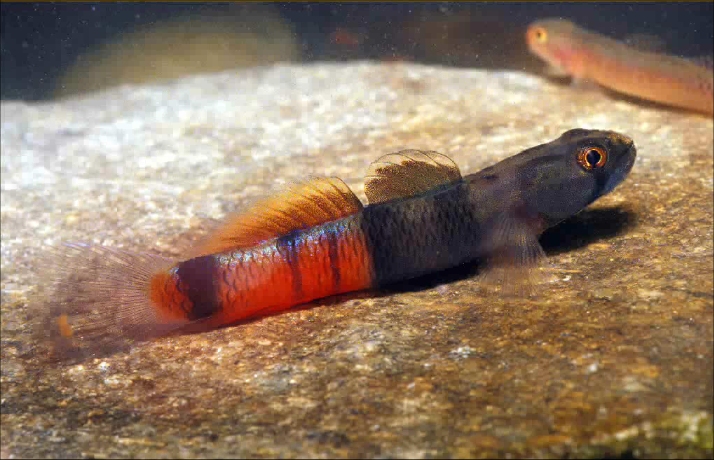
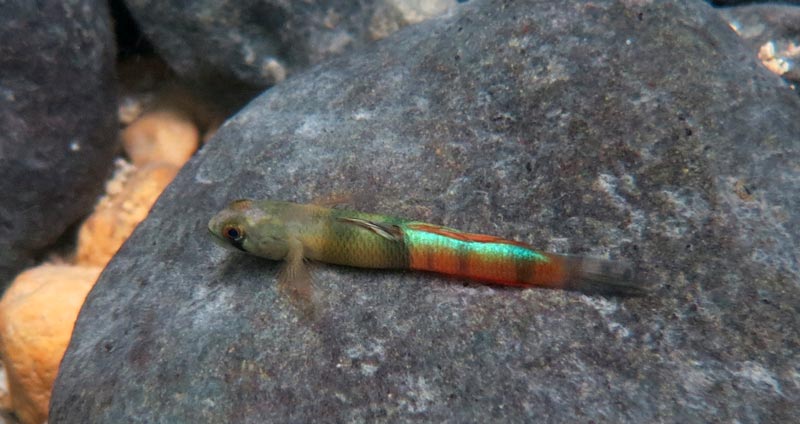
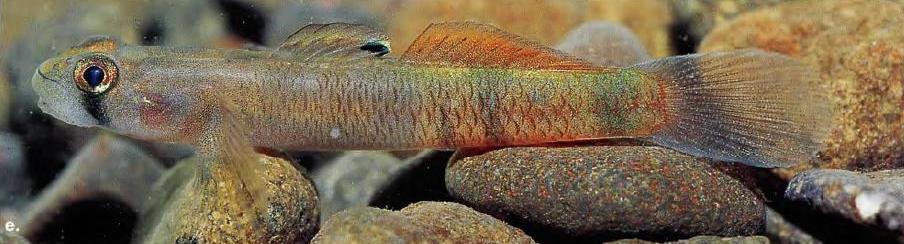
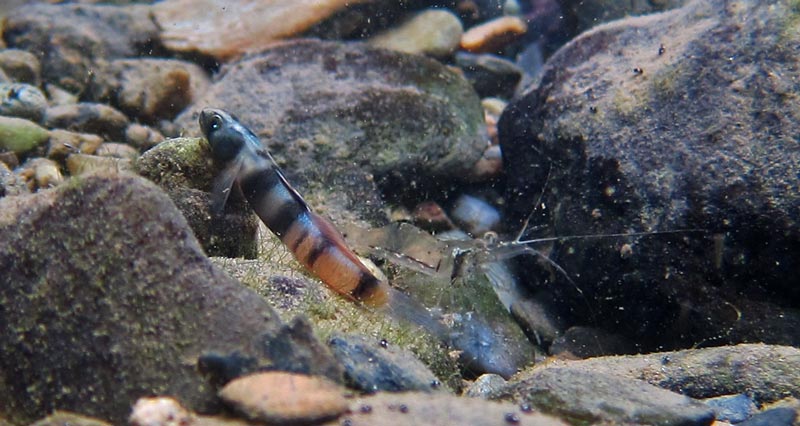
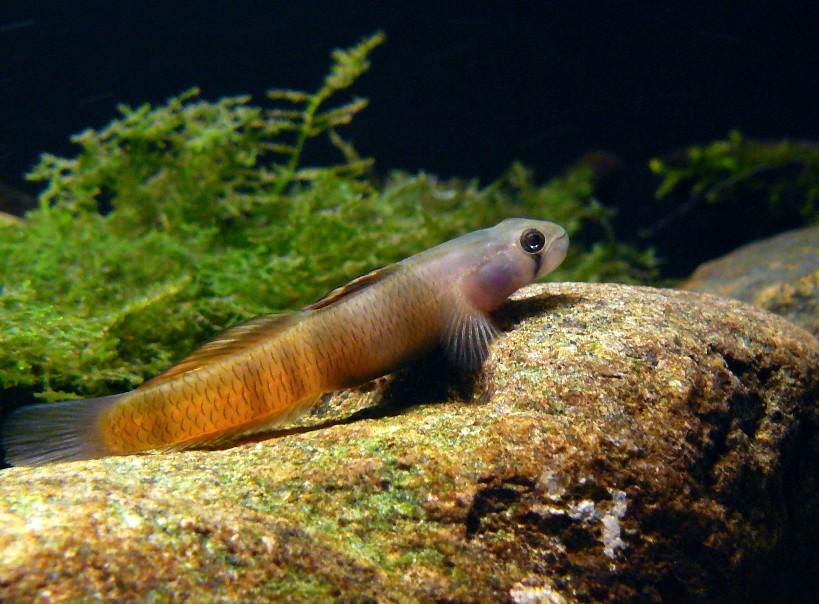
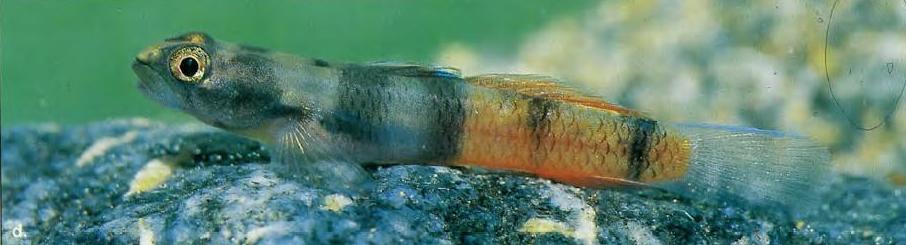
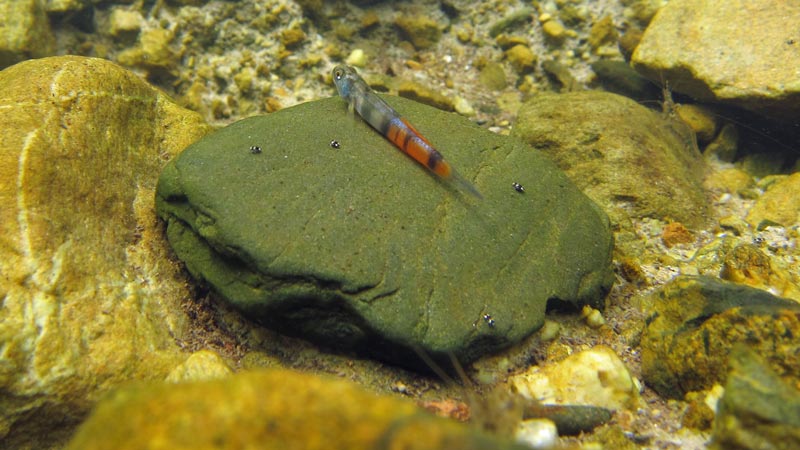
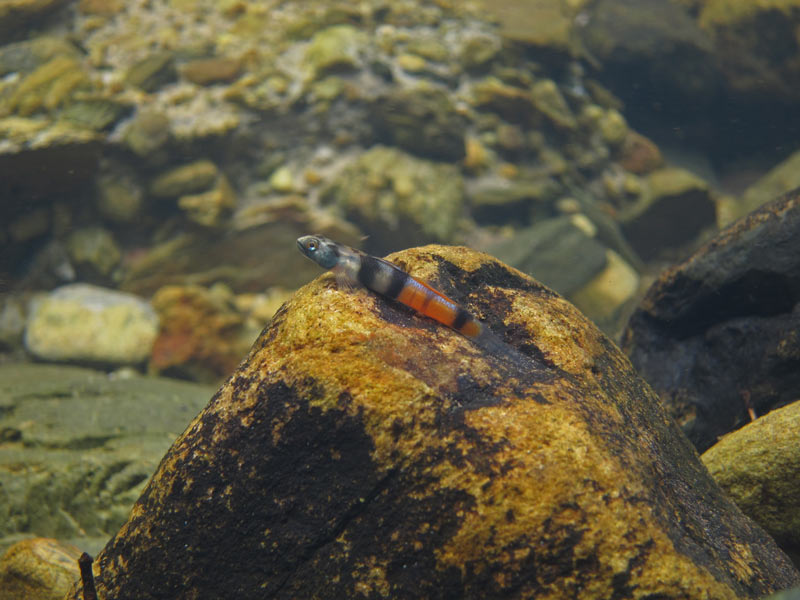
环带瓢眼鰕虎鱼(Sicyopus zosterophorus)偶尔进入观赏鱼贸易,雄鱼前暗后红,繁殖期色彩更加鲜明。它虽然栖居有生物膜的溪流石面,却不会在缸里以啃藻膜为食,饲养时要另外提供合适的小型动物饵料。
分布与栖息地
分布广而不连续,从太平洋马克萨斯群岛向西延伸到印度尼西亚、菲律宾、日本、台湾及中国大陆南部,多个太平洋岛群也有记录。不同产地的花纹可能不同,差异尚未充分研究。
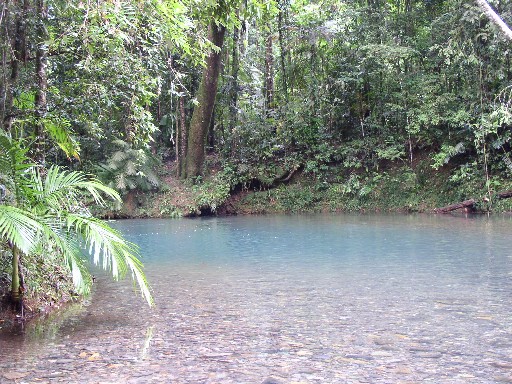
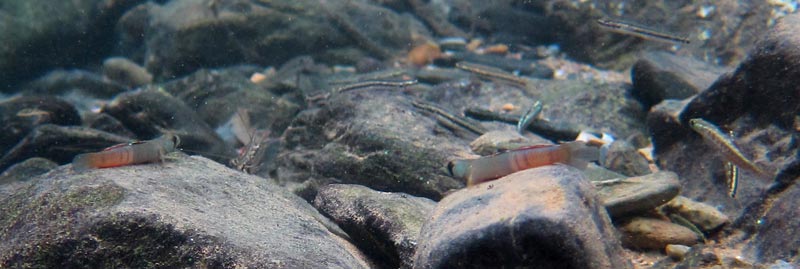
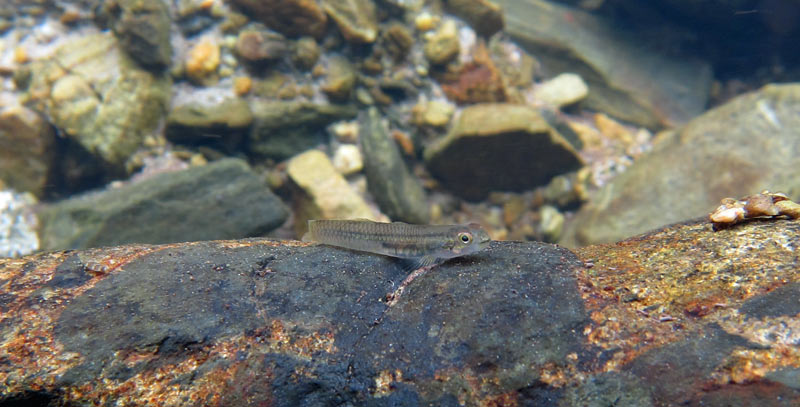
似乎偏好洁净、坡度较大的源头溪流。同属常见环境包括清澈高氧的沿海短溪、瀑布、基岩和巨石,水草稀少,岩面生物膜丰富。
饲养环境
使用成熟稳定的水族箱,沙与细砾上布置圆石、平顶岩块和多个躲避缝隙。多雄混养时尤其要阻隔视线。可加陈化沉木和坚韧水草,避免新木大量染水而削弱光照。
强过滤、造流或增氧应保证水质清洁和高溶氧,每小时循环约十至十五倍缸水是参考,溶氧充足时五至十倍也可考虑,不必全缸形成急流。每周换水三成至一半,偏暖时加强水面扰动。封严缸盖和开口,防止攀爬或跳出。
食性与喂食
它愿意吃红虫、丰年虾、水蚤等小型活饵或冷冻饵料,不刮食缸内生物膜,因而被认为可能偏向专门捕食。干饲料可能完全不吃,小型活体无脊椎动物也并非安全混养对象。
习性与混养
可选适应流水、高氧环境的温和中上层小鱼,底层伙伴须避开强占领地和抢食凶猛的种类。大型鱼与多数慈鲷不适合。雄鱼有一定领地意识,空间与遮蔽充足时可养数尾;一雄配至少两雌是可参考的起点,雌鱼倾向松散结伴。
雌雄区分
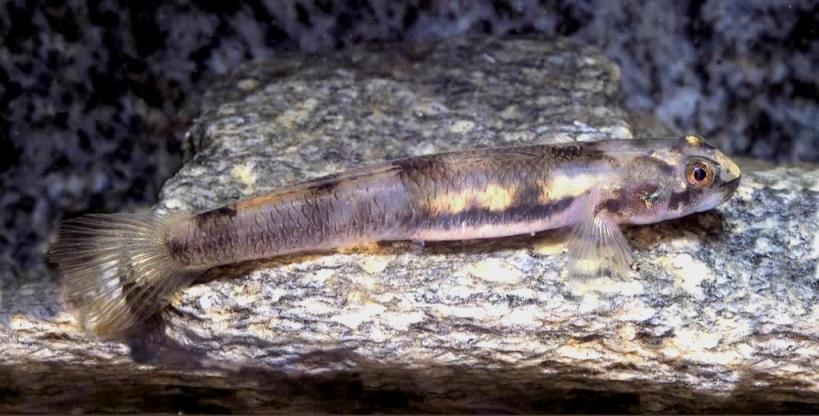
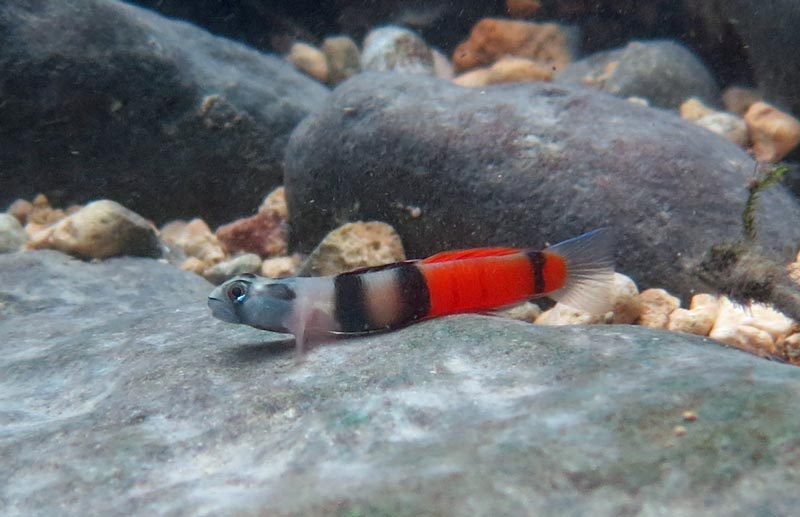
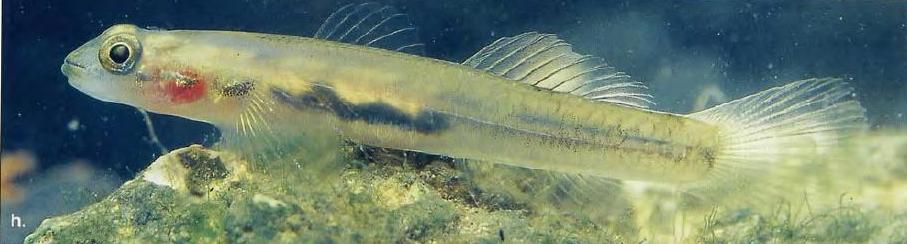
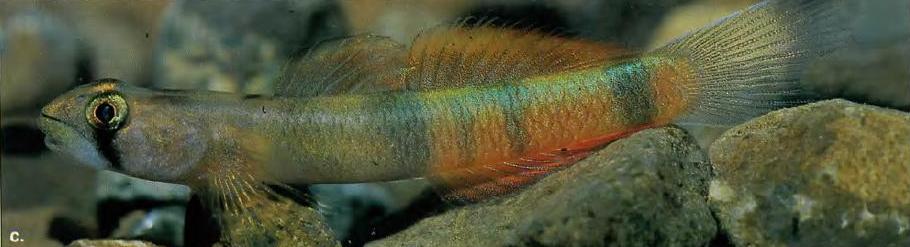
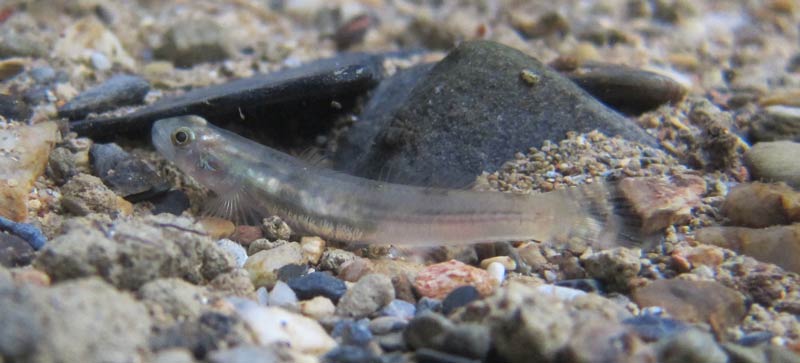
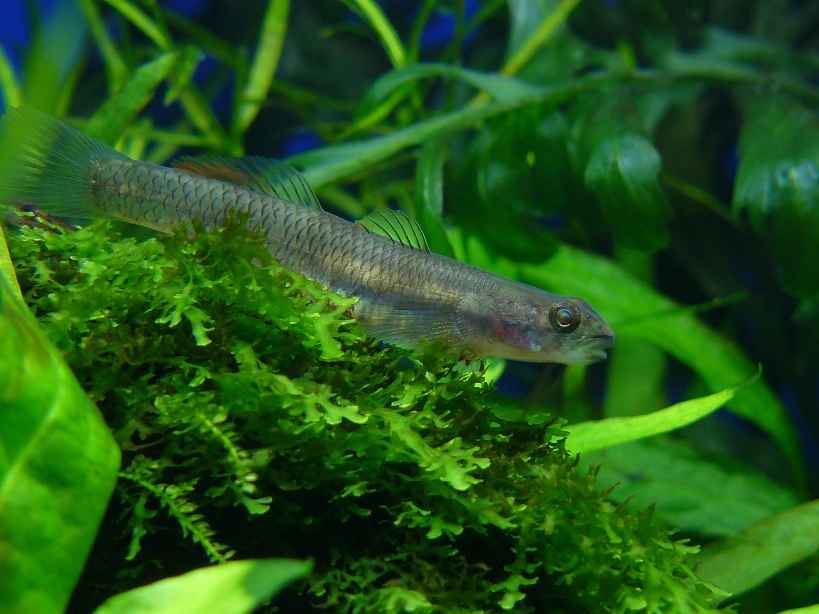
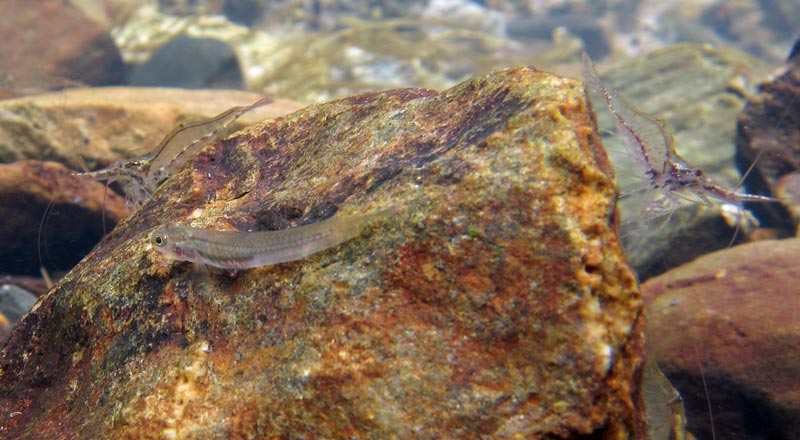
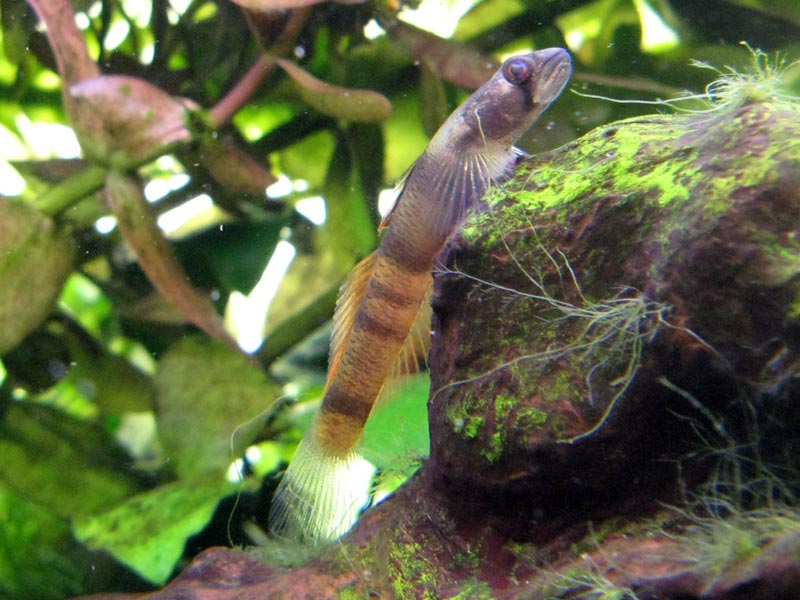
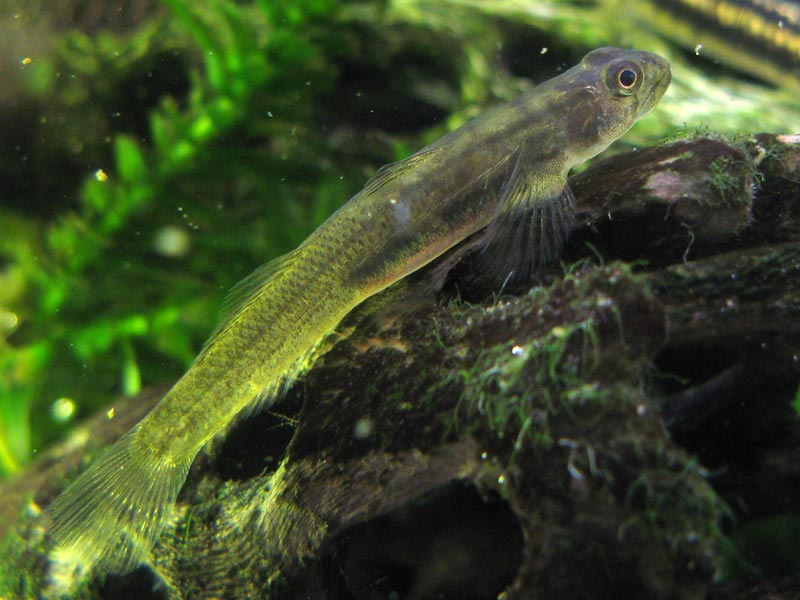
雄鱼奇鳍较长,第一背鳍明显延长,身体后部橙红,个别个体背部带绿色光泽;强势或求偶雄鱼颜色更浓。雌鱼通常素淡,年长雌鱼的背鳍、臀鳍基部有时略带浅橙色。
繁殖
该属成鱼在淡水溪流生活并繁殖,初孵幼体随水漂向海中发育,再上溯返回溪流。缸内求偶和产卵已有观察,但不能据此认为普通淡水缸能完成整个育苗过程。
补充说明
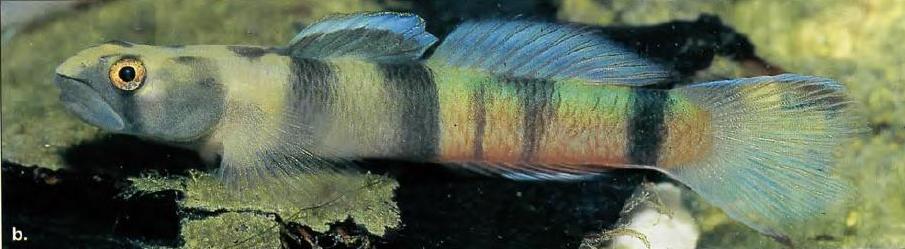
贸易中常见把种名写成 Sicyopus zosterophorum,辨识时需留意这种写法。鳍条、鳞片与牙齿特征有鉴别价值,不能只凭红色身体或某个商品名确认本种。
图片
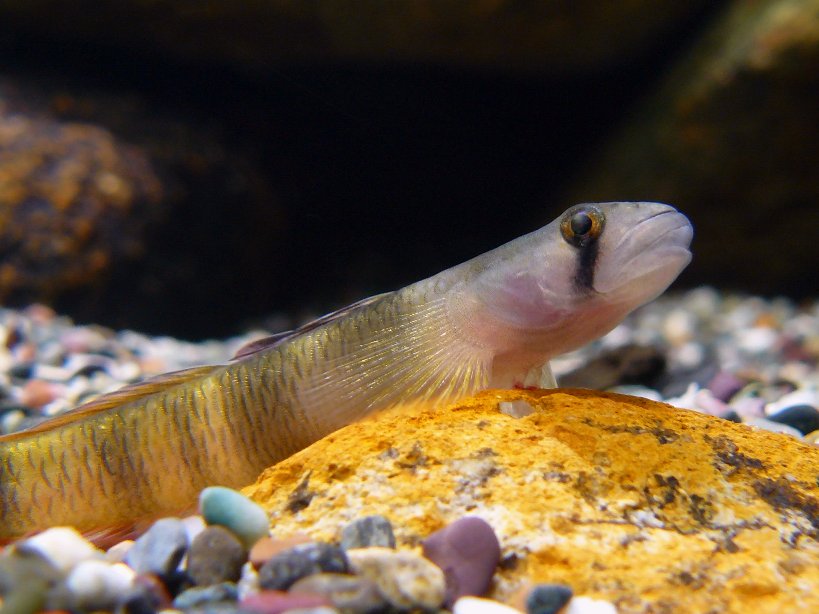
图片来自 SeriouslyFish,版权归各摄影者所有。
English
Overview
Male Sicyopus zosterophorus combines a darker front half with an orange-red rear, becoming especially vivid during courtship. This occasionally traded stream goby does not graze aquarium biofilm despite living around film-covered rocks. Appropriate small animal foods are therefore central to care.
Distribution & habitat
Its broad but discontinuous range extends west from the Marquesas across numerous Pacific island groups to Indonesia, the Philippines, Japan, Taiwan, and southern mainland China. Locality-related differences in pattern have not been studied in detail.
It appears associated with pristine, often steep headwater streams. The genus typically occupies clear, oxygen-rich coastal watercourses with bedrock, boulders, and waterfalls. Submerged vegetation is limited, while exposed underwater surfaces support biofilm.
Aquarium setup
Use an established aquarium with sand or gravel beneath rounded stones and some raised, flat-topped rocks. Arrange numerous retreats and visual barriers, especially for several males. Seasoned wood and hardy plants can be included; new wood that heavily stains the water is less suitable.
Combine filtration, circulation, and aeration to keep the water clean and oxygenated. Approximate turnover of 10–15 tank volumes hourly is suggested, with 5–10 possible under good oxygenation. Uniform torrent conditions are unnecessary. Replace about 30–50% of the water weekly and increase surface agitation in warm conditions. Secure all lid openings against climbing or jumping.
Diet & feeding
Fish readily take small live or frozen bloodworms, brine shrimp, and water fleas but do not crop biofilm in captivity. These observations suggest specialized predation. Dry foods may be ignored entirely, and small live invertebrates are not dependable companions.
Behaviour & compatibility
Peaceful open-water stream fishes are preferable to large species, aggressive feeders, or territorial bottom dwellers. Most cichlids should be excluded. Males show some territoriality; space, shelter, and adequate feeding make keeping several possible. A suggested initial group contains one male and two or more females, which tend to associate loosely.
Sexual dimorphism
Males have longer unpaired fins, particularly the first dorsal, and more intense colors. Some show green iridescence above the dark front half. Females are mostly plain, although older individuals may develop faint orange near the bases of the dorsal and anal fins.
Breeding
Adults in this genus reproduce in freshwater streams. Hatchlings drift toward marine water, develop there, and later migrate back upstream. Observing spawning in a home aquarium does not establish a means of rearing the larvae entirely in freshwater.
Notes
The spelling Sicyopus zosterophorum is frequently used in trade listings. Reliable identification relies on fin, scale, and dental characters in addition to coloration; a red body or a familiar sales name is insufficient.
来源
- https://www.seriouslyfish.com/species/sicyopus-zosterophorus(抓取于 2026-10-10)
sicyopus-zosterophorus · 文件: data/species/sicyopus-zosterophorus.md · 状态: 草稿