宿务瓢眼鰕虎鱼
概要
| 字段 | 值 |
|---|---|
| 类别 | 鱼 |
| 学名 | Sicyopus cebuensis |
| 别名 | 宿雾瓢眼鰕虎鱼、宿霧瓢眼鰕虎魚 |
| 分类 | 虾虎鱼目 Gobiiformes › 虾虎鱼科 Gobiidae › Sicyopus |
| 水体 | 淡水 |
| 原产地 | 菲律宾 |
| 成体体长 | 4.5 cm |
| 饲养难度 | 中等 |
| 最小水体 | 54 L |
| 最小缸长 | 60 cm |
| 群居方式 | 群游 |
| 水流偏好 | 高 |
| 特征 | 会跳缸: 是 |
| 外部数据 | seriouslyfish sicyopus-cebuensis;fishbase 59338 |
| 领地性 | 是 |
水质参数
| 参数 | 耐受范围 | 最适范围 | 单位 |
|---|---|---|---|
| 水温 | 22–28 | — | °C |
| pH | 6.5–7.5 | — | — |
| 总硬度 | 2–12 | — | dGH |
概述
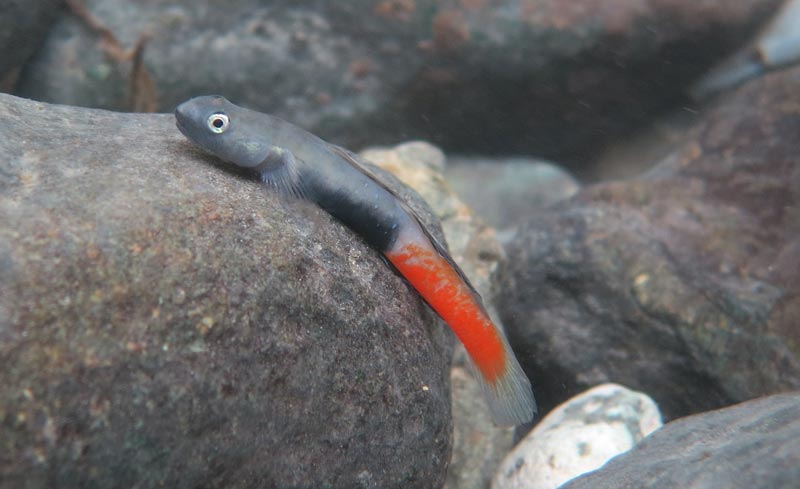
宿务瓢眼鰕虎鱼(Sicyopus cebuensis)是一种记录很少的菲律宾溪流鱼。雄鱼前半身乳黄色,中部带深斑,后下部鲜橙红色,十分醒目。它会接受小型动物饵料,不能因为生活在有藻膜的石面附近,就把它当作专门除藻的鱼。
分布与栖息地
模式标本仅为一对成鱼,来自宿务岛纳加河上游的乌陵溪。可能还有其他种群,但记录不足。已知生境似乎局限于清洁的源头溪流。
瓢眼鰕虎鱼属多生活在热带岛屿的短小沿海溪流,有些地点位于瀑布之上。岩床和巨石上可形成丰富生物膜,水通常清澈、含氧充足,水草反而不多。
饲养环境
只放入已稳定运行的成熟缸。以沙或砾石铺底,叠放大小圆石,并留出多个藏身处和视线屏障。可用陈化沉木,避免大量染水的新木遮弱光线。缸盖必须严密,它能爬玻璃,也善于跳跃。
保持高溶氧和洁净水质,可配强过滤、造流或增氧,但不必让每个位置都成为急流。建议每小时循环约十至十五倍缸水;若增氧充分,五至十倍也可考虑。每周换水三成至一半,水温偏高时加强水面扰动。
食性与喂食
它在缸内不啃食生物膜,却愿意吃红虫、丰年虾、水蚤等小型活饵或冷冻饵料,因此可能偏向专门捕食。干饲料可能完全不被理会。不要仅靠缸内藻膜维持它,也不宜把小型活体无脊椎动物视作安全同伴。
习性与混养
选择需求相近、温和的中上层小鱼,避开抢食凶猛的底栖鱼、大型鱼及多数慈鲷。雄鱼有一定领地意识,多雄或多种混养需要更大的底面积和遮蔽。可从一雄、至少两雌开始,雌鱼较倾向松散结伴。
雌雄区分
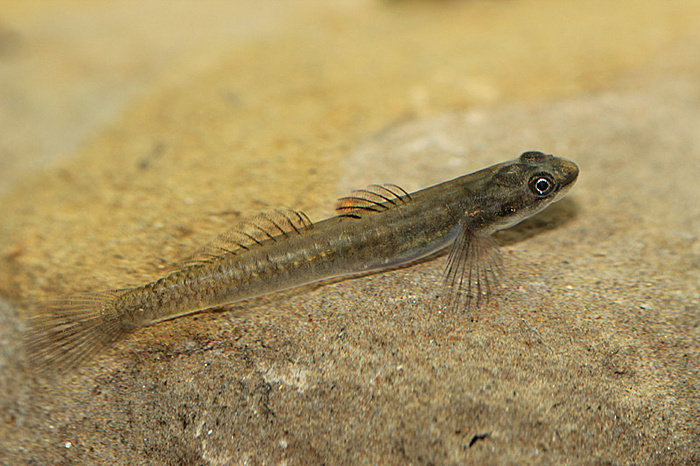
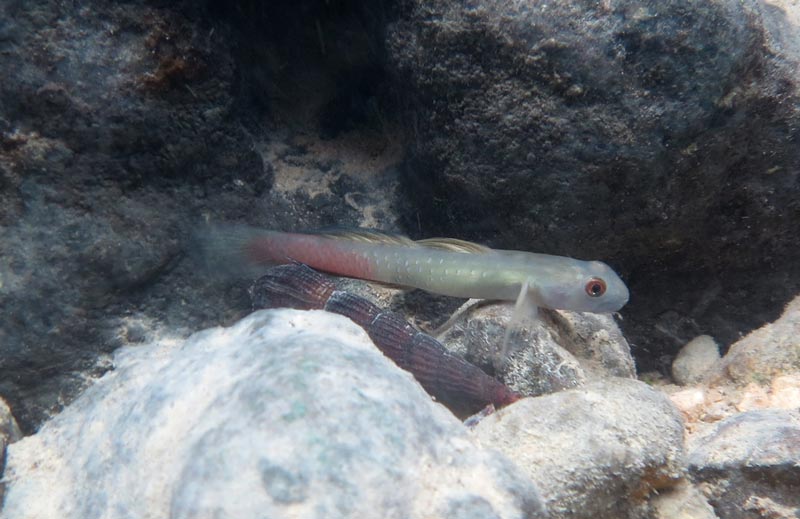
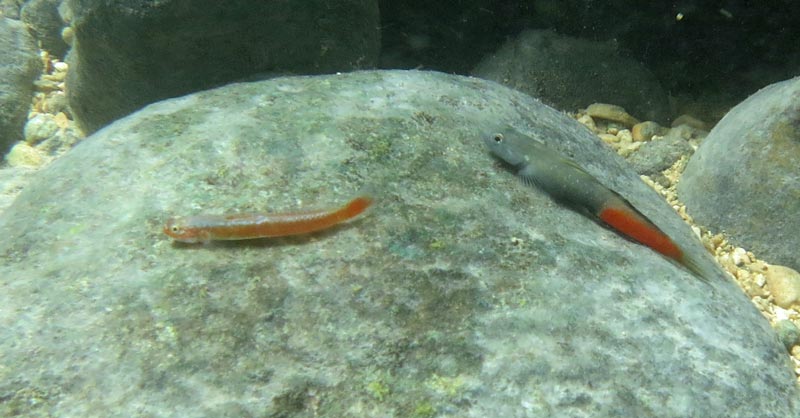
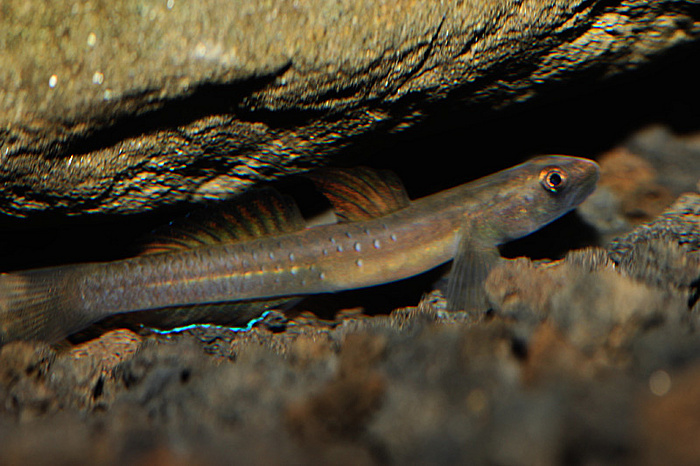
雄鱼颜色鲜明,背鳍、臀鳍等奇鳍较长,第一背鳍尤其延长;强势雄鱼眼下可见深色条纹,体后部橙红色明显。雌鱼较素,鳍不明显延长。
繁殖
同属鱼有求偶与产卵记录,但完整育苗困难。其生活史包含淡水成鱼与海水幼体阶段:成鱼在溪流繁殖,初孵幼体随水下行,海中发育后再溯溪。仅在淡水缸见到产卵,并不代表具备完成育苗的条件。
补充说明
本种并非普通贸易鱼,少数私人采集者曾饲养。身体后部的鲜色、鳍缘黑边和鳞片分布有助辨识;头腹部局部无鳞不能概括为全身无鳞。
图片
图片来自 SeriouslyFish,版权归各摄影者所有。
English
Overview
A cream-yellow front half, dark central blotch, and vivid orange-red rear distinguish male Sicyopus cebuensis. This poorly recorded Philippine stream goby takes small animal foods in captivity. Its association with biofilm-covered rocks does not make it a dependable algae grazer.
Distribution & habitat
The original specimens were a single adult pair from Uling brook in the upper Naga drainage on Cebu. Other populations may exist, but records are inadequate. Known habitat appears to consist of pristine headwater streams.
The genus is associated with short tropical island streams, often above waterfalls. Clear, oxygen-rich water runs over bedrock and scattered boulders, allowing substantial biofilm growth even where submerged plants are sparse.
Aquarium setup
Use a mature, stable aquarium with sand or gravel and rounded stones arranged into shelters and visual barriers. Seasoned wood is optional; fresh tannin-rich pieces can darken the water and reduce illumination. A closely fitted cover is essential because these gobies climb glass and jump.
Provide effective filtration, aeration, and circulation without eliminating every sheltered area. Suggested turnover is roughly 10–15 aquarium volumes hourly, or about 5–10 where oxygenation is strong. Replace 30–50% of the water each week. Increase surface movement during warmer conditions.
Diet & feeding
Captive fish accept small live or frozen bloodworms, brine shrimp, and water fleas while apparently ignoring biofilm. This suggests a specialized predatory diet, although it remains an inference. Dry food may be rejected completely. Do not depend on algae growth for nourishment or assume small live invertebrates are safe companions.
Behaviour & compatibility
Peaceful open-water fishes with matching environmental needs are preferable to aggressive feeders, large fishes, or territorial cichlids. Males defend some space, so mixed-species groups or several males need additional room and cover. A male with at least two females is a suggested starting group; females tend to associate loosely.
Sexual dimorphism
Males have stronger colors and longer unpaired fins, particularly the first dorsal. Dominant individuals develop a dark mark below the eye and bright orange-red coloration behind the midbody blotch. Females are plainer and lack the fin extensions.
Breeding
Courtship and spawning have been observed within the genus, but raising young through the entire life cycle is difficult. Adults reproduce in streams; newly hatched larvae drift downstream, develop in marine water, and later return inland. Aquarium spawning alone therefore does not provide a freshwater rearing method.
Notes
This is not a routine commercial aquarium species, though private collectors have kept it. Male coloration, dark fin edges, and scale distribution help identify it. Locally bare regions of the body should not be mistaken for a completely scaleless fish.
来源
- https://www.seriouslyfish.com/species/sicyopus-cebuensis(抓取于 2026-10-10)
sicyopus-cebuensis · 文件: data/species/sicyopus-cebuensis.md · 状态: 草稿