Sewellia speciosa
概要
| 字段 | 值 |
|---|---|
| 类别 | 鱼 |
| 学名 | Sewellia speciosa |
| 分类 | 鲤形目 Cypriniformes › 腹吸鳅科 Gastromyzontidae › Sewellia |
| 水体 | 淡水 |
| 原产地 | 老挝南部、越南中部色贡河流域 |
| 成体体长 | 5.5 cm |
| 饲养难度 | 中等 |
| 最小水体 | 68 L |
| 最小缸长 | 75 cm |
| 群居方式 | 群游 |
| 水流偏好 | 高 |
| 特征 | 会跳缸: 是 |
| 外部数据 | seriouslyfish sewellia-speciosa;fishbase 58059 |
水质参数
| 参数 | 耐受范围 | 最适范围 | 单位 |
|---|---|---|---|
| 水温 | 20–24 | — | °C |
| pH | 6–7.5 | — | — |
| 总硬度 | 1–10 | — | dGH |
概述
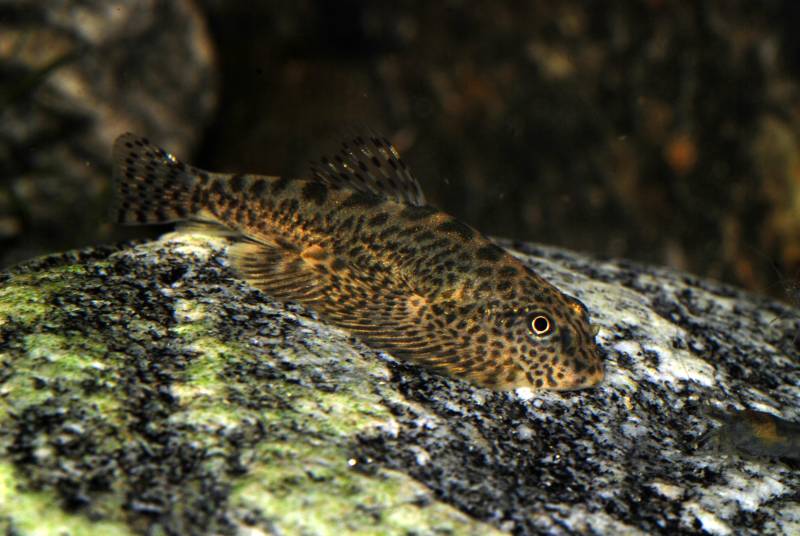
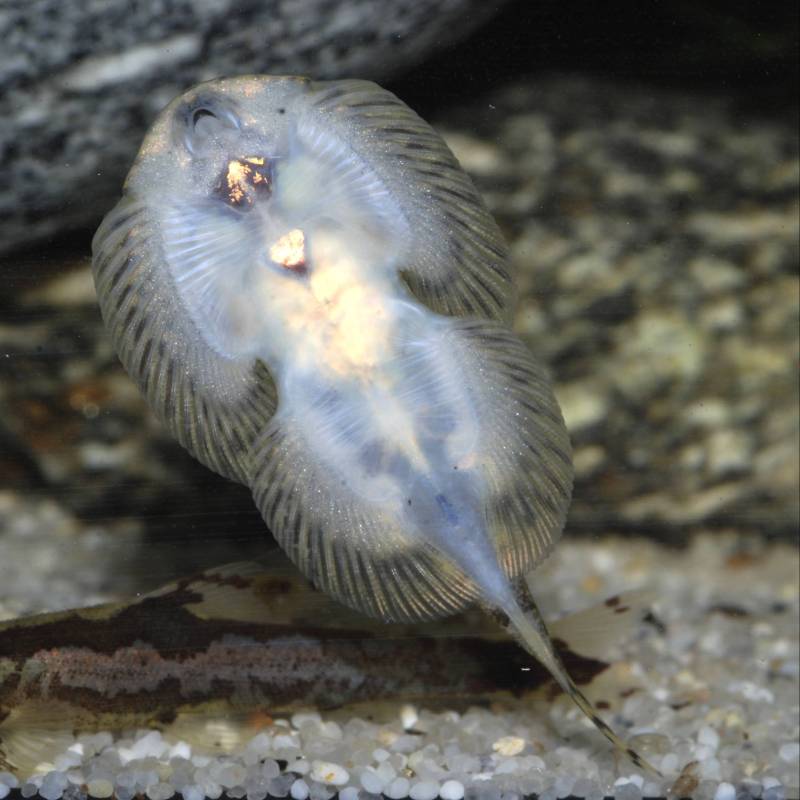
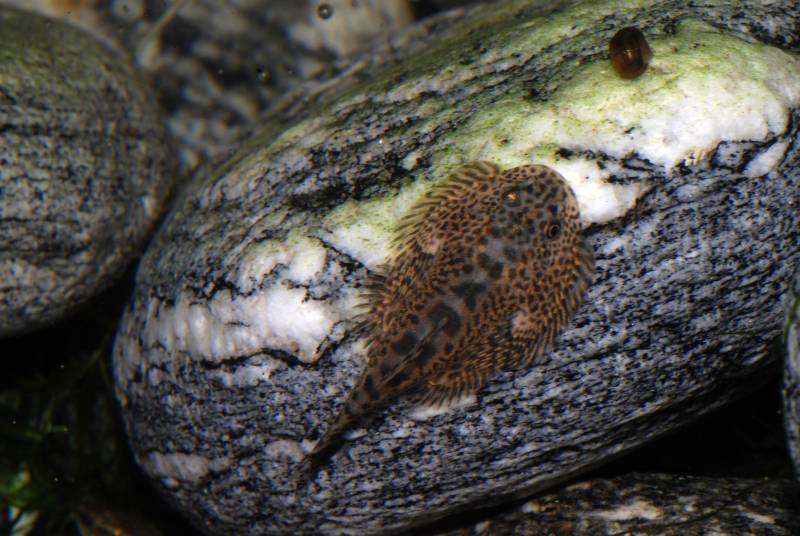
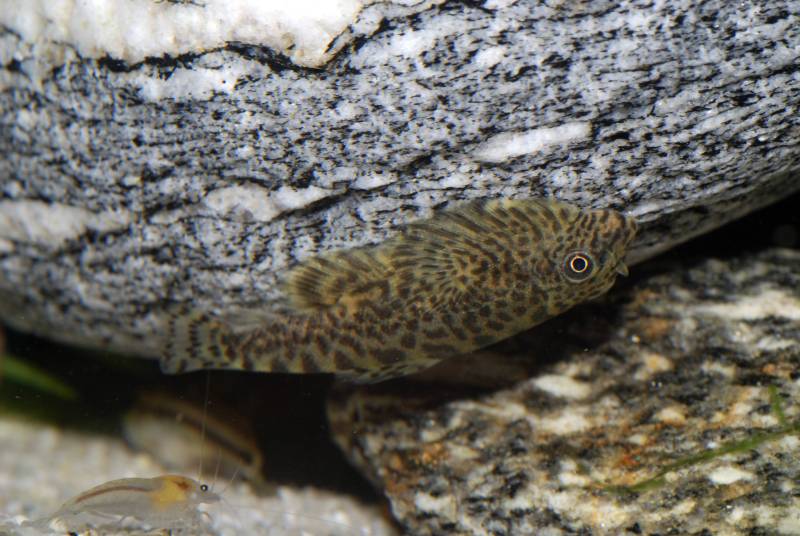
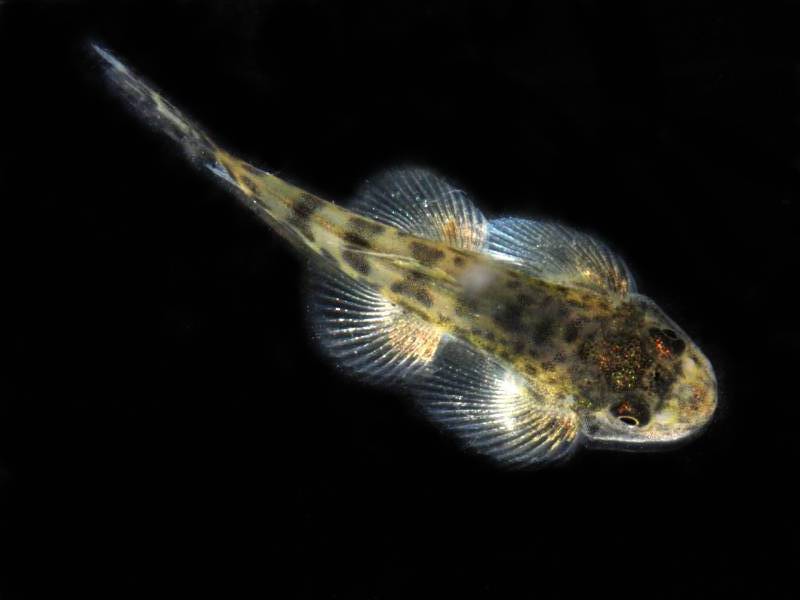
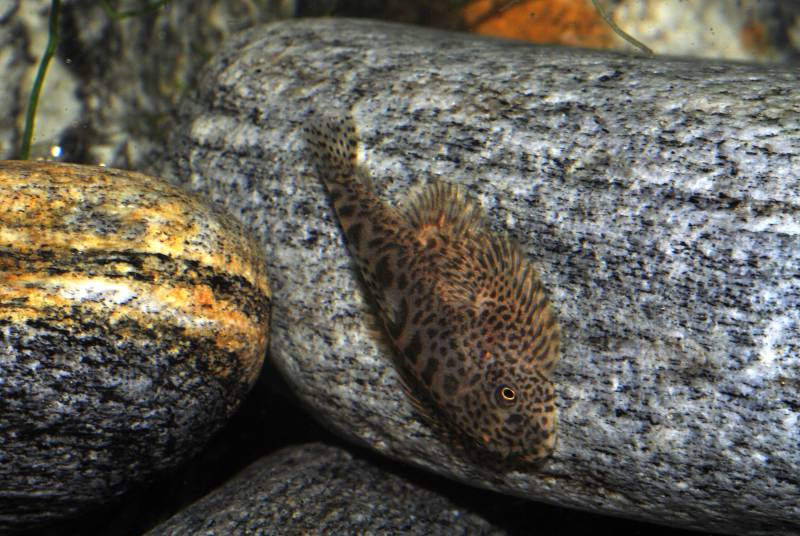
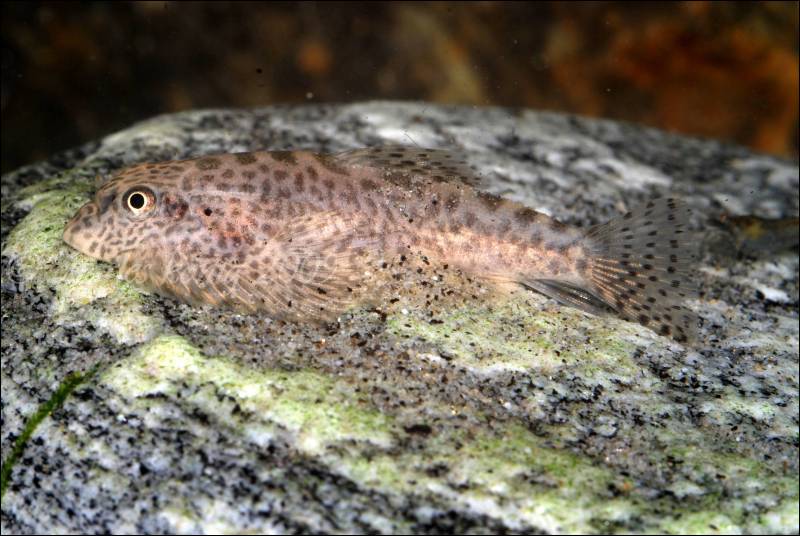
Sewellia speciosa 是体表具斑点、没有条纹的急流吸鳅,曾以“老挝吸鳅”等贸易名出售。它的扁平体形适合贴附石面,饲养需要充足氧气、持续水流和可长期啃食的成熟生物膜。
分布与栖息地
已知记录主要来自老挝南部色贡河的多条支流,也见于越南中部该河上游,似乎局限于这一水系。河流虽然继续进入柬埔寨,本种尚未在那一段确认。
生活于浅而急、含氧高的溪流和支流,底部为岩床、砂砾及巨石。清水与日照让石面形成丰富生物膜;雨后可短暂变浑,但不应据此忽视长期水质。
饲养环境
用有力过滤与造流保持清洁水体,并视情况额外增氧;循环可参考每小时 15–20 倍缸水量。照明要足以培养石面藻类,规律换水但保留多数啃食表面,外露的过滤海绵也可供觅食。
老沉木和强健附生水草可增加遮蔽及藻膜面积。避免新沉木大量染水而削弱光照。须使用已成熟的缸,稳定水质与已有附着食物同样重要;贴合的缸盖可防止沿玻璃爬出。
食性与喂食
底部藻类和其间微生物占天然食物的重要部分,昆虫幼体可能是偶然捕食的补充。可用蔬菜、螺旋藻配制凝胶饵,但长期仍要有充足藻石;软绿藻及硅藻更合适,黑毛藻等硬韧藻类不理想。
当主缸食藻鱼多或长藻不足时,单独培育藻石并轮换。尽量挑选体态良好的个体;消瘦鱼恢复困难,需要持续获得合适食物且避免抢食。
习性与混养
可按同属习性以六尾以上群养,让争夺觅食点的压力分散。领地争执中往往雄鱼占优,有时会抬身、腹部相向对峙。
适合的伙伴可包括耐流的小型鲤科鱼、溪流虾虎及急流鲶鱼,但体形类似的弱势吸鳅常抢不到食物和空间。多种底栖鱼共养应有更大底面积、充足藻面和复杂遮挡。
雌雄区分
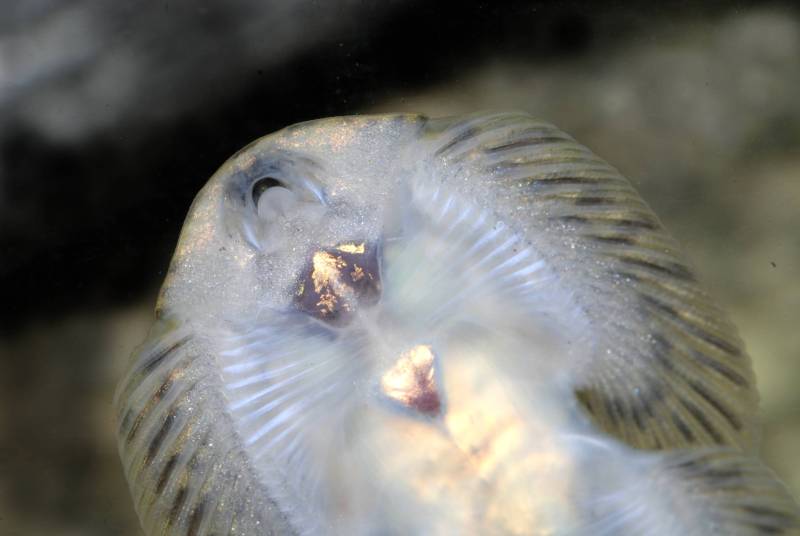
雌鱼从上方看较宽,吻部到胸鳍的轮廓近乎连贯;雄鱼较窄、吻方,胸鳍更明显地横向伸出。成熟雄鱼胸鳍前部和头背可有细小柔软突起,本种胸鳍的突起较细密。
繁殖
可借鉴同属已成功的方法尝试繁殖,不把其他种的结果等同于本种已证实繁殖。成熟的粗圆砾底床可保护卵、幼鱼并提供微生物食物,配合长藻石和气动海绵过滤。偏凉换水可能有助诱发。
同属观察中,雄鱼会追逐、绕行及接触雌鱼,最后结对升入水流释放卵与精液。幼鱼初期多在砾缝活动,先供微小活饵,主动离开底床觅食后再加丰年虾无节幼体及微虫。清理外滤时应检查是否有幼鱼进入。
图片
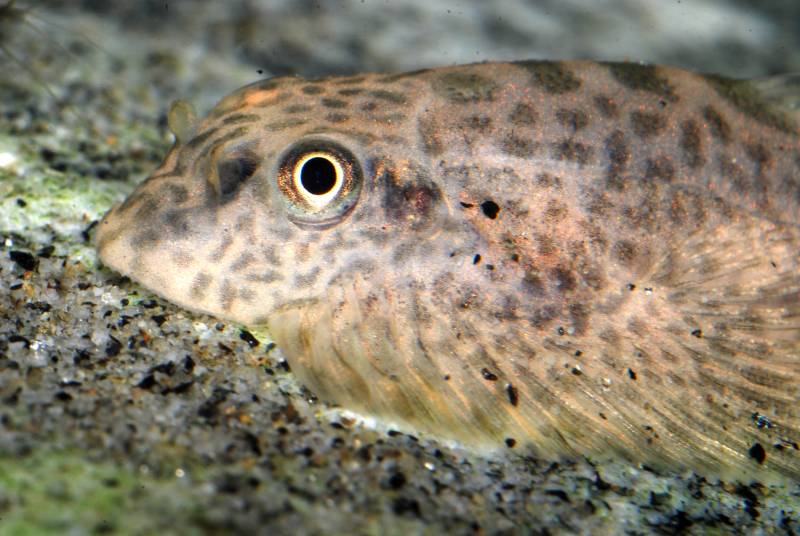
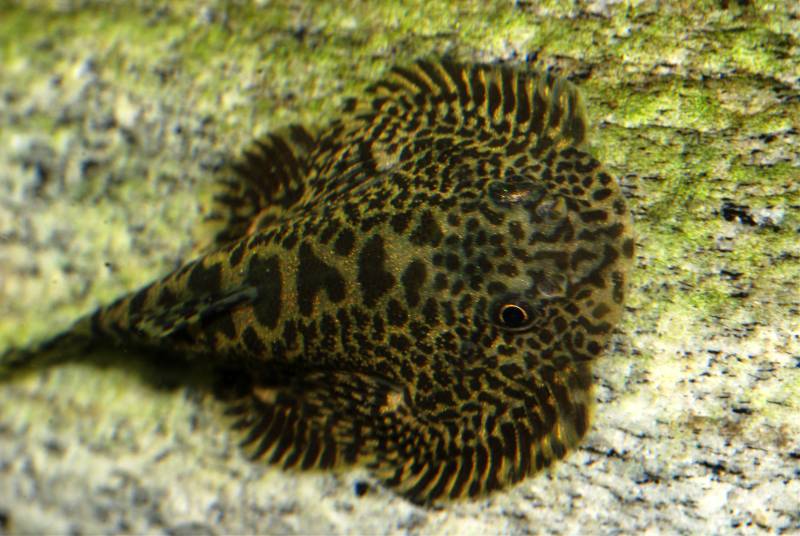
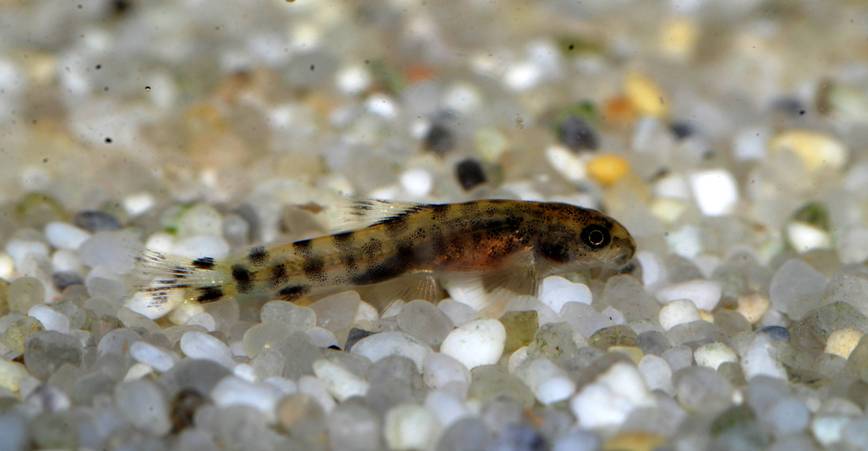
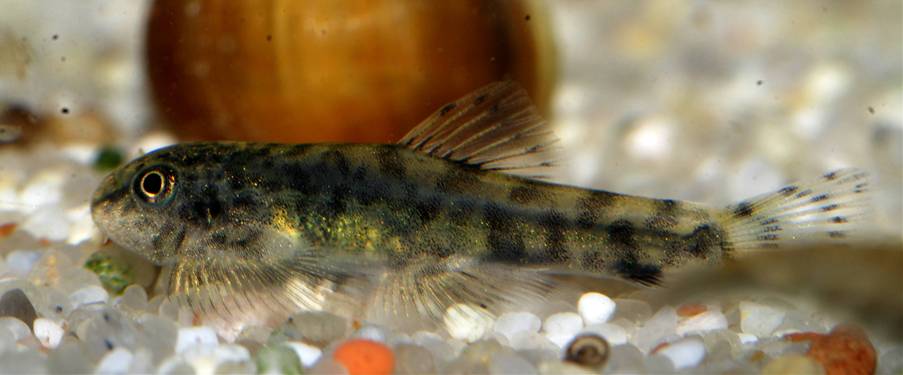
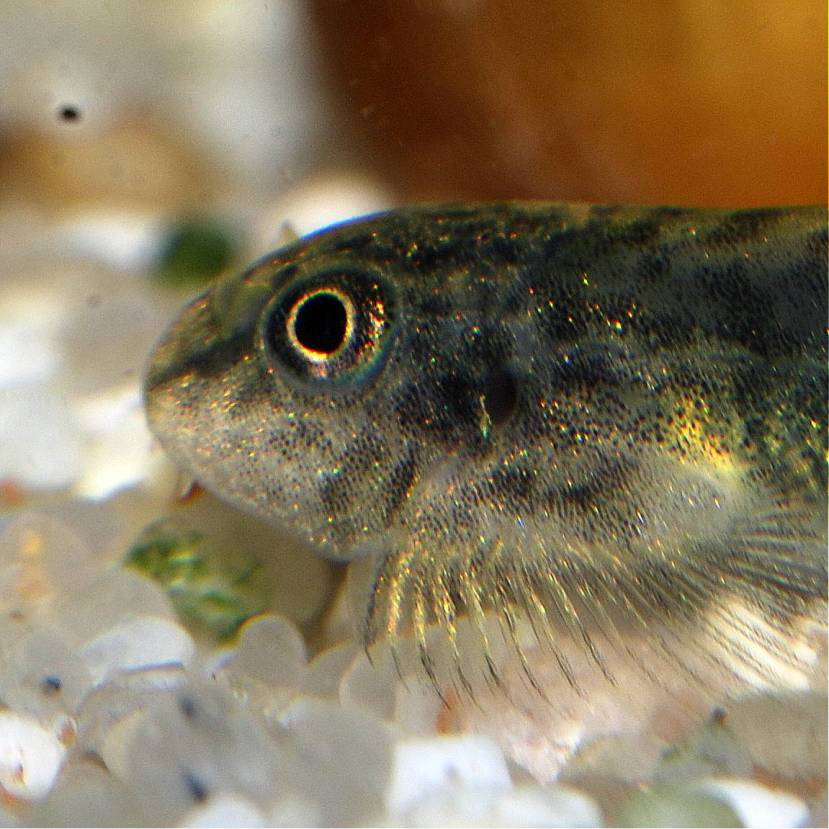
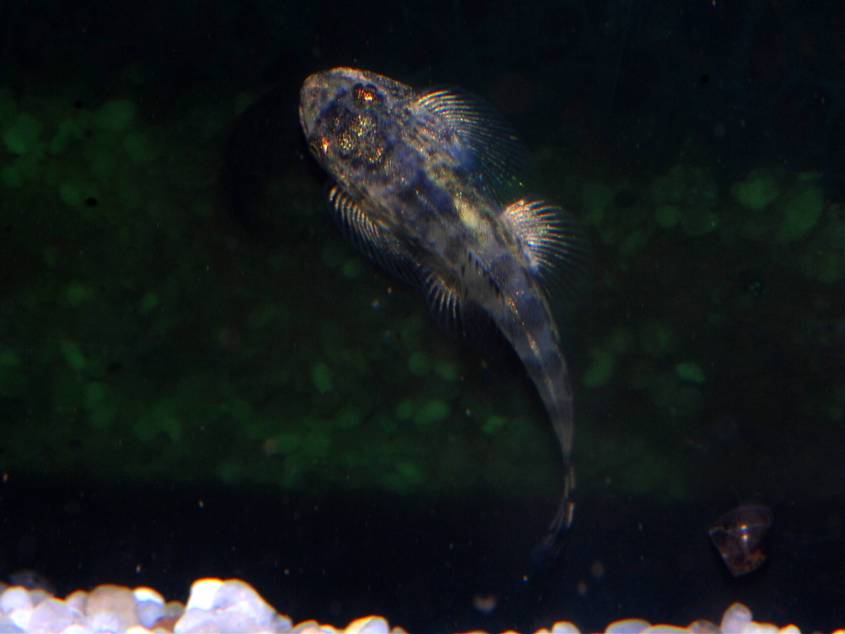
图片来自 SeriouslyFish,版权归各摄影者所有。
English
Overview
The spotted, unstriped pattern of Sewellia speciosa distinguishes it from striped relatives. Traded under names such as “Laos sucker,” it is adapted to gripping solid surfaces in flowing water. Keep oxygen supply, circulation, and mature grazing areas central to its care.
Distribution & habitat
Most known localities lie in the southern Laotian tributaries of the Xe Kong, with additional records in its upper Vietnamese reaches. The species appears restricted to this drainage. Its extension into Cambodia does not establish a Cambodian fish record.
It inhabits shallow, oxygen-rich streams over rock, sand, gravel, and boulders. Clear sunlit reaches produce abundant biofilm. Temporary storm turbidity is part of these streams, not a substitute for maintaining clean aquarium water.
Aquarium setup
Combine powerful filtration with circulation and additional aeration where required; about 15–20 aquarium volumes per hour provides a useful turnover reference. Use sufficient light to maintain algae on rocks. Change water regularly while preserving grazing growth, including on exposed filter sponges.
Seasoned wood and hardy attached plants offer shelter and additional feeding surfaces. Avoid fresh wood that releases enough tannin to reduce light penetration. Both stable biology and established food growth are required before stocking. A close-fitting cover prevents escape by climbing the glass.
Diet & feeding
Attached algae and their microbial community supply much of the natural food, while insect larvae are a possible occasional addition. Vegetable and spirulina gel foods can supplement an enduring supply of algae-bearing stones. Soft greens and diatoms are preferable to tough brush algae.
If grazing demand outruns growth, culture replacement stones in a separate illuminated container. Choose well-conditioned individuals where possible. Wasted fish are difficult to restore and require suitable food continuously available without competing mouths.
Behaviour & compatibility
Keeping at least six follows the social pattern described for the genus and spreads pressure over feeding sites. Males often dominate these disputes, sometimes displaying upright with bellies facing.
Suitable stream cyprinids, gobies, and catfish are potential companions. Less assertive sucker-bodied loaches may fail to obtain enough space or food. A community of bottom dwellers therefore needs generous floor area, complex cover, and plentiful grazing surfaces.
Sexual dimorphism
Females have a broader outline and a smoother snout-to-pectoral contour. Males are narrower with a squarer snout and more sharply projecting pectorals. Mature males develop fine soft tubercles on the front pectoral region and upper head; small raised pectoral patches are among this species’ identifying features.
Breeding
A trial may use techniques successful with other members of the genus, but those outcomes do not prove breeding of this species. Mature coarse rounded gravel protects eggs and young while supporting microscopic food. Provide algae-coated stones and air-powered sponge filtration; cooler replacement water may help stimulate activity.
Genus-level observations describe male pursuit and contact, followed by the pair rising into the current to release gametes. Early young stay among gravel spaces. Begin with microscopic live food and add Artemia nauplii or microworms once they forage above the substrate. Check external filters for young during cleaning.
来源
- https://www.seriouslyfish.com/species/sewellia-speciosa(抓取于 2026-10-10)
sewellia-speciosa · 文件: data/species/sewellia-speciosa.md · 状态: 草稿