Sewellia sp. 'SEW04'
概要
| 字段 | 值 |
|---|---|
| 类别 | 鱼 |
| 学名 | Sewellia sp. 'SEW04' |
| 分类 | 鲤形目 Cypriniformes › 腹吸鳅科 Gastromyzontidae › Sewellia |
| 水体 | 淡水 |
| 成体体长 | 6 cm |
| 饲养难度 | 中等 |
| 最小水体 | 68 L |
| 最小缸长 | 75 cm |
| 群居方式 | 群游 |
| 水流偏好 | 高 |
| 特征 | 会跳缸: 是 |
| 外部数据 | seriouslyfish sewellia-sp-sew04 |
| 原产地 | 可能来自越南中部顺化一带,贸易个体产地未确认 |
水质参数
| 参数 | 耐受范围 | 最适范围 | 单位 |
|---|---|---|---|
| 水温 | 20–24 | — | °C |
| pH | 6–7.5 | — | — |
| 总硬度 | 1–10 | — | dGH |
概述
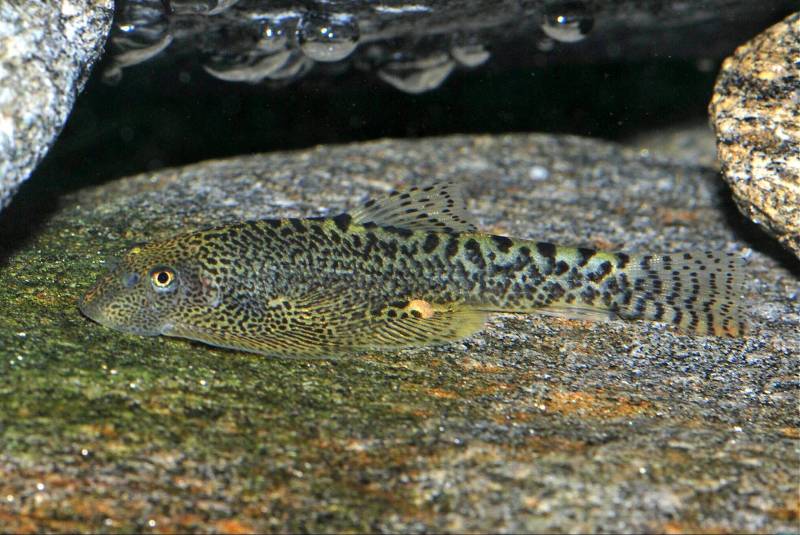
Sewellia sp. ‘SEW04’ 是随 SEW02 和 SEW03 混批到货的暂定类型,可能属于尚未描述的物种。它需要稳定成熟、石面生物膜丰富的急流环境;购买时应先确认食物和增氧条件已经就绪。
分布与栖息地
贸易个体被认为可能来自越南中部顺化地区,但地点没有确认。其栖地描述为浅水急流的源头和支流,底部多岩床、砂砾与大石,清澈高溶氧水体及日照有利于附着生物生长;雨季水流增强时可短暂浑浊。
饲养环境
过滤与造流应共同维持洁净、高溶氧的水,必要时加气石,循环量可参考每小时 15–20 倍缸水。用强光维持石面藻膜,换水要规律,清洁时保留大多数表面的可食附着物。
可搭配老沉木和强健附生水草,外露的过滤海绵同样可供啃食。大量新沉木染水会妨碍照明,不宜使用。等缸内生态成熟再放鱼,盖好所有可爬出的缝隙。
食性与喂食
食物以底部藻类和伴生微生物为主,可能顺便捕食昆虫幼体。软绿藻、硅藻比硬韧黑毛藻更合适,也可喂蔬菜及螺旋藻含量较高的凝胶饵。必要时单设明亮容器培育藻石,再轮换入主缸补足食物。
注意出售个体是否已明显消瘦。虚弱鱼需连续获得合适食物,最好避开竞争者,且不能保证每尾都能恢复。
习性与混养
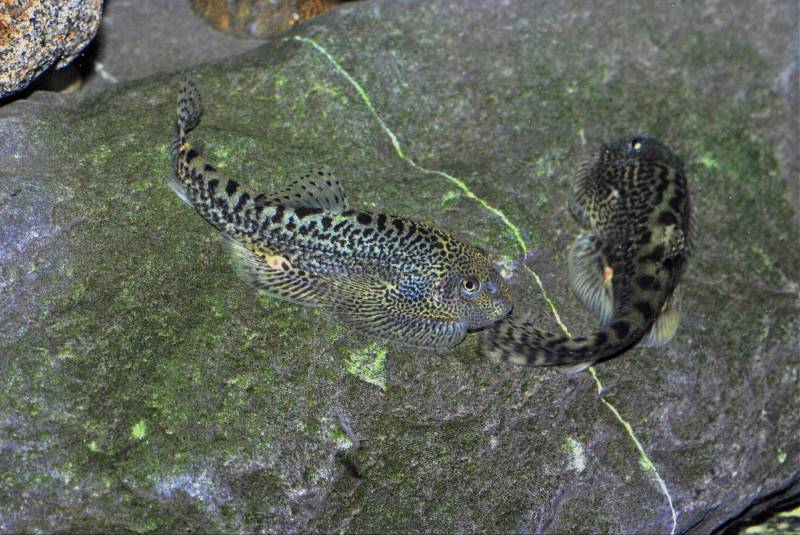
按同属习性,六尾以上的群体有助减少胆怯,也能分散争夺觅食点的压力。优势个体会守护位置,雄鱼通常较强势,可能出现双方抬身、腹部相向的争斗。
混养可从耐流的小型中上层鱼、溪流虾虎或合适鲶鱼考虑。不要以为所有吸鳅都能公平分食;较弱势的底栖鱼容易被挤出最佳藻面,多种混养尤其需要空间与遮挡。
雌雄区分
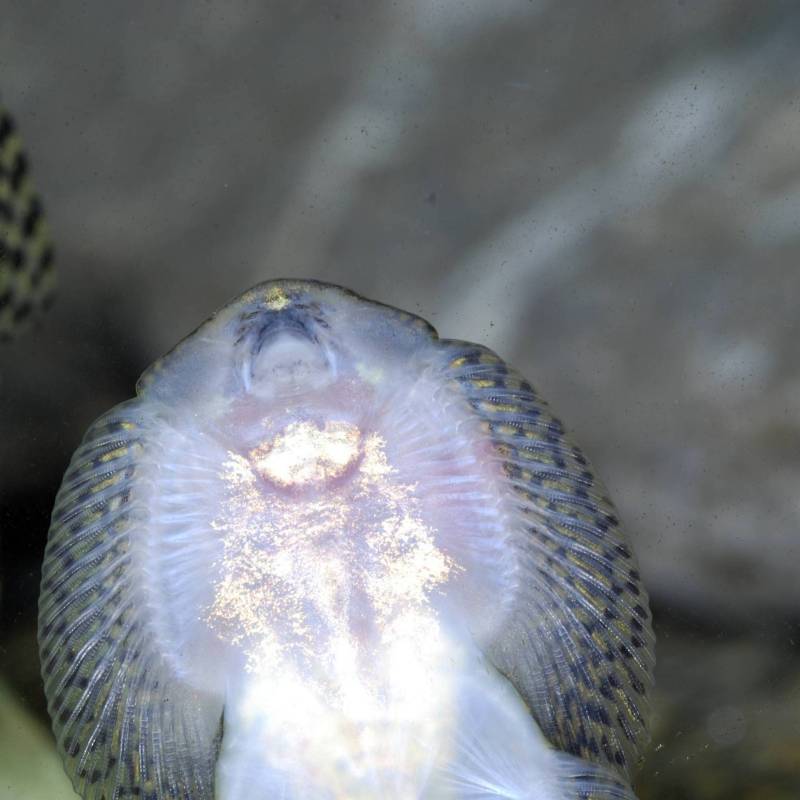
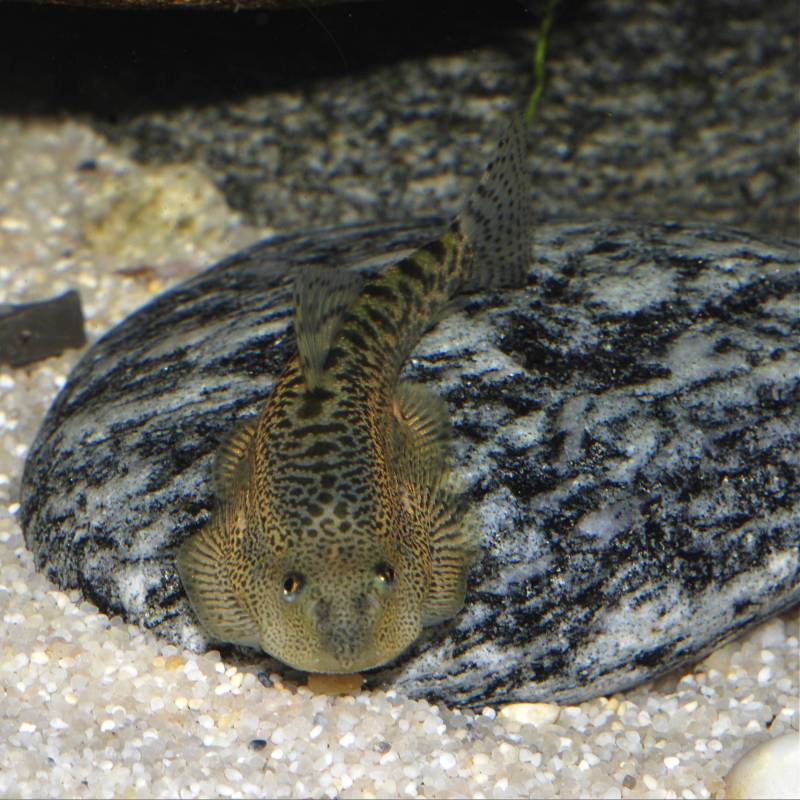
雌鱼俯视较宽,吻部与胸鳍间的轮廓过渡平顺;雄鱼较瘦、吻部较方,胸鳍近直角伸出。成熟雄鱼胸鳍前缘及头背会有柔软隆起的颗粒状结构。
繁殖
尝试繁殖可参考同属经验,而不能把这些经验当作 SEW04 的既有记录。成熟粗圆砾的缝隙能庇护卵和幼鱼,并积累供微生物生长的有机物;配长藻石及气动海绵过滤,偏凉换水可作为诱发尝试。
同属鱼曾观察到结对进入水流后排出卵与精液。鱼苗先藏在底床内外活动,初期用纤毛虫等开口,能在底床上方主动觅食后再给丰年虾无节幼体及微虫。幼鱼较小时贴附能力有限,维护外滤尤其要小心检查。
图片
图片来自 SeriouslyFish,版权归各摄影者所有。
English
Overview
SEW04 is a provisional form found among shipments of SEW02 and SEW03 and may represent an undescribed species. It requires a stable, mature stream aquarium with abundant grazing surfaces. Prepare oxygenation and a sustained food supply before obtaining it.
Distribution & habitat
The suggested trade origin is the Hue region of central Vietnam, but this remains unconfirmed. Habitat is described as shallow, rapid headwaters and tributaries over bedrock, sand, gravel, and boulders. Sunlit clear water supports rich attached growth, although storm flows can temporarily carry suspended sediment.
Aquarium setup
Use filtration, circulation, and supplementary aeration as needed to maintain clean, oxygen-rich water. A turnover target around 15–20 tank volumes per hour is appropriate. Strong light encourages stone biofilm; regular water changes should not mean removing every grazing surface.
Seasoned wood and tough attached plants can be included, and exposed sponge filters supply additional feeding areas. Fresh tannin-releasing wood may darken the water enough to compromise lighting. Allow the aquarium to mature before introduction and close escape gaps in the lid.
Diet & feeding
Natural grazing focuses on bottom algae and the microorganisms associated with it; insect larvae may be taken opportunistically. Diatoms and soft green growth are more useful than tough brush algae. Gel preparations rich in vegetables and spirulina can supplement the diet, while separately cultured algae stones help when the main aquarium cannot produce enough.
Inspect offered fish for severe thinness. Weakened individuals need uninterrupted suitable feeding without rivals, and recovery may still prove difficult.
Behaviour & compatibility
Genus-level husbandry favors six or more fish to reduce shyness and distribute competition. Dominant individuals defend feeding patches, often males, and may confront one another with raised bodies and opposing bellies.
Consider small current-adapted open-water fishes, stream gobies, or compatible catfish. Similar sucker-bodied fishes do not necessarily compete equally: timid bottom dwellers may be excluded from the best grazing patches. Mixed groups particularly need space, cover, and abundant food.
Sexual dimorphism
Females appear wider from above, with the snout blending smoothly into the pectoral outline. Males are slimmer and square-snouted, with more abruptly projecting pectorals. Mature males carry soft raised structures along the leading pectoral area and upper head.
Breeding
A breeding attempt can adapt methods used for other Sewellia, without treating those results as a SEW04 record. Mature coarse rounded gravel shelters eggs and fry and retains detritus supporting their microscopic food. Add algae-covered rocks and air-driven sponge filtration; a cooler water change is a possible stimulus.
Related species have been seen rising together into the flow before releasing eggs and sperm. Young initially remain among the substrate and need infusoria-sized food. Introduce Artemia nauplii and microworms once they forage above it. Small fry attach poorly to surfaces, so inspect external filtration carefully during maintenance.
来源
- https://www.seriouslyfish.com/species/sewellia-sp-sew04(抓取于 2026-10-10)
sewellia-sp-sew04 · 文件: data/species/sewellia-sp-sew04.md · 状态: 草稿